Are Glass Frying Pans Good for Cooking Find Out Now

Are glass frying pans good for cooking? Glass frying pans offer a unique, non-reactive surface that’s easy to clean and ideal for certain cooking styles. However, they have limitations like heat sensitivity and durability concerns, making them a specialized choice rather than an all-purpose option.
Key Takeaways
- Non-reactive surface: Glass pans don’t react with acidic foods, preserving flavor.
- Easy to clean: Their smooth surface resists sticking and stains.
- Heat sensitivity: Glass pans can crack under sudden temperature changes.
- Durability concerns: They are more fragile compared to metal pans.
- Limited heat conductivity: Glass heats unevenly, affecting cooking performance.
- Best for low to medium heat: Ideal for gentle cooking rather than high-heat searing.
- Specialty use: Great for certain recipes but not a universal frying pan replacement.
📑 Table of Contents
Are Glass Frying Pans Good for Cooking? Find Out Now
When it comes to choosing the perfect frying pan, there are so many materials to consider—cast iron, stainless steel, nonstick, ceramic, and even glass. Glass frying pans might not be the first option that comes to mind, but they do have some interesting qualities worth exploring. So, are glass frying pans good for cooking? Let’s dive into the details and find out what makes them unique, their advantages, drawbacks, and whether they deserve a place in your kitchen.
Whether you’re a curious home cook or someone looking to try something different, understanding how glass frying pans perform can help you make a smart decision. This article will break down everything you need to know about cooking with glass pans, including practical tips, care advice, and what to expect in real-life use.
What Are Glass Frying Pans?
Understanding the Material
Glass frying pans are made from tempered or borosilicate glass designed to withstand heat. Unlike traditional metal pans, these pans use glass as the main cooking surface. The glass is usually thick and heat-resistant to prevent cracking under normal cooking conditions.
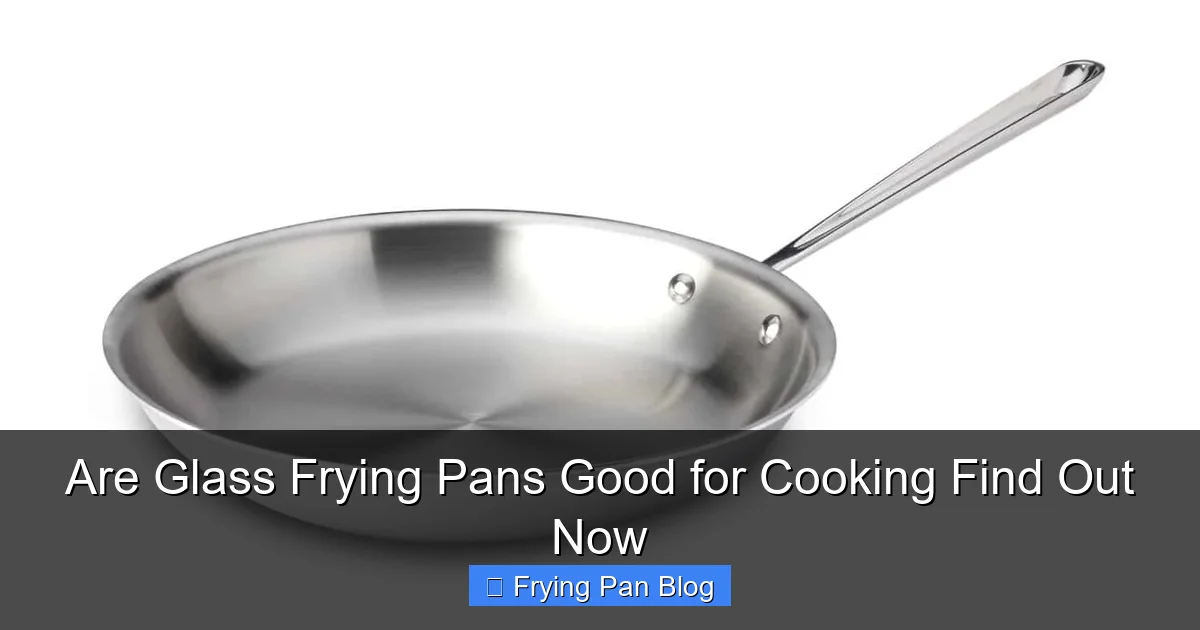
Visual guide about Are Glass Frying Pans Good for Cooking Find Out Now
Image source: stonefryingpans.com
Common Designs and Uses
Many glass frying pans come with metal or silicone handles for better grip and heat protection. They are often transparent, which allows you to see your food cooking from all angles. These pans are commonly used for gentle cooking tasks such as frying eggs, sautéing vegetables, or warming leftovers.
Advantages of Glass Frying Pans
Non-Reactive Surface
One of the biggest perks of glass frying pans is their non-reactive nature. Unlike some metal pans, glass won’t react with acidic or alkaline foods. This means your sauces and dishes keep their true flavor without any metallic taste.
Easy to Clean and Maintain
Glass pans have a smooth, non-porous surface that resists sticking and staining. Cleanup is often a breeze—usually requiring just warm soapy water and a soft sponge. Plus, many glass pans are dishwasher safe.
Safe and Chemical-Free
Glass pans don’t contain harmful chemicals like PFOA or PTFE, which some nonstick pans use. This makes them a healthier option for those worried about toxic coatings leaching into food.
Visually Appealing
Because many glass pans are clear, they add an aesthetic value to your kitchen. Watching food cook through the glass can be satisfying and helps you monitor cooking progress without lifting the lid.
Drawbacks and Limitations
Fragility and Durability
Glass frying pans can be fragile compared to metal options. They may crack or shatter if dropped or exposed to sudden temperature changes, like placing a hot pan on a cold surface.
Uneven Heat Distribution
Glass is not the best conductor of heat. This can cause hot spots and uneven cooking, especially on stovetops that don’t distribute heat uniformly. You may find your food cooks slower or less evenly than with metal pans.
Not Suitable for High Heat
Glass pans perform best at low to medium heat. High heat can stress the glass, increasing the risk of cracks or damage. This limits your options for searing or frying at very high temperatures.
Practical Tips for Using Glass Frying Pans
Start with Low Heat
Always start cooking on low or medium heat and gradually increase if needed. This helps prevent thermal shock and extends the life of your pan.
Avoid Sudden Temperature Changes
Never place a hot glass pan directly onto a cold surface or add cold liquids to a hot pan. Allow the pan to cool naturally before cleaning or storing.
Use Appropriate Utensils
Use wooden, silicone, or plastic utensils to avoid scratching the glass surface. Metal tools can chip or damage the edges.
Preheat Gently
If your recipe calls for preheating, do it gradually. Avoid heating an empty glass pan for too long as this can cause stress on the material.
When Should You Choose a Glass Frying Pan?
For Gentle Cooking
Glass frying pans are ideal for cooking delicate foods like eggs, pancakes, or reheating leftovers. Their non-reactive surface is great for dishes that require gentle heat.
For Health-Conscious Cooking
If you want to avoid nonstick coatings with chemicals, glass is a safe alternative. It offers easy cleaning without the worry of toxic residues.
When You Want Visual Control
Because glass pans are often transparent, they let you see your food as it cooks. This can help prevent burning and overcooking.
Conclusion: Are Glass Frying Pans Good for Cooking?
Glass frying pans have unique benefits that make them good for certain cooking needs. Their non-reactive, easy-to-clean surface and chemical-free nature appeal to health-conscious cooks and those who cook gently. However, their fragility, uneven heat distribution, and sensitivity to temperature changes limit their versatility.
If you’re looking for an all-purpose frying pan that can handle high heat and rough handling, glass pans might not be the best fit. But if you want a specialty pan for gentle cooking and easy cleanup, they can be a nice addition to your kitchen arsenal.
Ultimately, whether glass frying pans are good for cooking depends on your cooking style and needs. With proper care and the right use cases, they can perform well and offer a unique cooking experience.
🎥 Related Video: @MoveKitchens visons Glass Cookware
📺 Move Kitchens
We found a set at a thrift store for $10! I was scared of them but after some research I found out that they’re made out of a “clear …
Frequently Asked Questions
Are glass frying pans safe to use on all stovetops?
Glass frying pans are generally safe on electric and ceramic stovetops but may not be suitable for induction or gas stoves due to uneven heating and potential thermal shock. Always check the manufacturer’s guidelines for compatibility.
Can you use metal utensils with glass frying pans?
It’s best to avoid metal utensils as they can scratch or chip the glass surface. Use wooden, silicone, or plastic utensils to keep your pan in good condition.
How do you clean a glass frying pan?
Cleaning is simple—use warm soapy water and a soft sponge. For stubborn stains, soak the pan or use baking soda as a gentle abrasive. Most glass pans are also dishwasher safe.
Do glass frying pans work well for high-heat cooking?
No, glass pans are not ideal for high-heat cooking. They can crack or break under sudden temperature changes and don’t distribute heat evenly at high temperatures.
Can glass frying pans replace traditional metal pans?
Glass frying pans can complement your cookware but usually don’t replace metal pans entirely, especially for tasks requiring high heat or heavy-duty cooking.
Are glass frying pans environmentally friendly?
Glass is a recyclable and non-toxic material, making glass frying pans a more environmentally friendly option compared to some chemical-coated nonstick pans.