
Cooking can be tricky, and even the most experienced home chefs make mistakes that affect the taste, texture, or appearance of their dishes. I’m Emma Reed, and I’ve seen plenty of common cooking errors that many of us fall into without realizing it. By understanding these mistakes and learning simple ways to fix them, we can turn everyday meals into successes.
Mistakes like overcooking, under-seasoning, or poor timing are easy to fix once we know what to look for. I want to share practical tips that help avoid these problems before they happen. Together, we’ll build confidence in the kitchen and improve the food we put on the table.
Key Takeaways
- Recognize common cooking errors to improve your meals.
- Simple fixes can save dishes from burning, blandness, or being undercooked.
- Good preparation and timing lead to better cooking results.
Contents
- 1 Understanding Common Cooking Mistakes
- 2 How to Fix Overcooking and Undercooking
- 3 Mastering Seasoning Techniques
- 4 Avoiding Common Baking Errors
- 5 Improper Food Preparation
- 6 Managing Heat Levels in Cooking
- 7 Proper Ingredient Storage and Handling
- 8 Timing and Organization in the Kitchen
- 9 Final Tips for Preventing Cooking Mistakes
- 10 FAQs
- 11 Conclusion
Understanding Common Cooking Mistakes
Many cooking issues come from timing, flavor balance, and preparation skills. Fixing these problems improves both taste and texture. Paying close attention to how you cook and season your food, along with using the right knife skills, makes a big difference.
Overcooking and Undercooking
I find overcooking is one of the easiest mistakes to make. It often leads to dry meats or mushy vegetables. Undercooking, on the other hand, can leave food tough or even unsafe to eat. The key is to use timers and meat thermometers to check doneness. For example, chicken should hit 165°F to be safe.
Cooking times vary by ingredient size and heat level. Using lower heat for longer can help prevent burning while ensuring food cooks through. If something is undercooked, I will return it to the heat but finish it carefully to avoid overdoing it. Keeping food moving in the pan often helps cook it evenly.
Improper Seasoning
Seasoning can make or break a dish. I always start with salt and pepper, but the timing is important. Adding salt too early can dry out meat or cause vegetables to lose texture. I usually season meat just before cooking, and adjust seasoning at the end based on taste.
Over-seasoning is another common problem. It’s easier to add more salt or spices later than to fix a dish that’s too salty or spicy. I recommend tasting your food during cooking and making gradual changes. Using herbs fresh or dried correctly also enhances flavor without overwhelming the dish.
Incorrect Knife Techniques
Using the knife wrong slows down prep and can be unsafe. I’ve seen many cooks cut with dull blades or awkward grips, increasing the risk of injury and uneven pieces. A sharp knife with a proper grip makes cutting faster and more precise.
The “claw” grip, where fingertips tuck under and the knuckles guide the blade, helps protect your fingers. It also creates uniform cuts, which help food cook evenly. Practice simple cuts like dicing or julienning to improve consistency. Taking a few minutes to sharpen your knife regularly pays off during every meal preparation.
How to Fix Overcooking and Undercooking
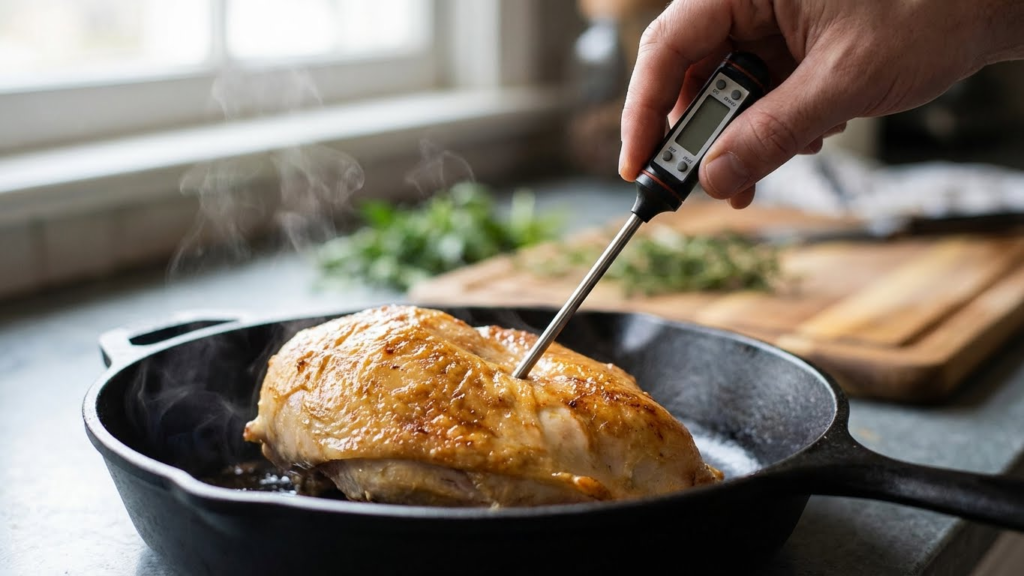
Overcooking and undercooking are two common problems that affect the texture and taste of food. I focus on adjusting the cooking times and knowing when food is done to prevent these issues.
Adjusting Cooking Times
Cooking times vary based on the size, type, and thickness of the food. When I notice food starting to burn or dry out, I lower the heat and shorten the cooking time. For thicker cuts of meat or larger pieces, I increase the cooking time but use lower heat. Smaller pieces cook faster, so I cut proteins into thinner slices or smaller chunks to help finish cooking gently.
Using a timer helps me keep track of when to check the food. If I’m trying a new recipe, I note how long it took to cook perfectly and adjust future attempts. I also avoid rushing by giving food enough time to cook through at a steady temperature.
Testing Doneness Properly
To avoid guesswork, I rely on tools and simple tests to check if food is done. A meat thermometer is my most reliable tool. For most meats, I aim for the internal temperature recommended for safety and taste.
For fish or vegetables, I use a fork or knife to check texture. If it slides in easily, the food is done. For baked goods, I insert a toothpick; it should come out clean or with a few crumbs.
Tasting during cooking is key. Sampling small bites helps me adjust heat or timing before it gets too far. Letting meat rest for a few minutes after cooking lets juices settle and improves moisture.
Mastering Seasoning Techniques
Seasoning well means knowing how to use salt and spices in the right amounts and at the right times. It also means boosting flavors without letting any one taste take over the dish. Getting these skills right can turn a simple meal into something more enjoyable and balanced.
Balancing Salt and Spices
Salt is the cornerstone of seasoning, but adding it at the wrong time or in excess can ruin a dish. I always start by seasoning lightly and tasting often. Salt enhances natural flavors, but too much makes food salty and harsh. Using different salts, like kosher or sea salt, can change how seasoning feels on your tongue.
Spices add depth, but I avoid piling them on all at once. Instead, I layer spices gradually during cooking. Fresh herbs, powdered spices, or blends like cumin and paprika work differently, so I choose based on the dish. You can learn more about salt’s role in food at the Salt Institute.
Enhancing Flavor Without Overpowering
I focus on building complexity by balancing salty, acidic, sweet, and umami flavors without overwhelming the main ingredient. Acidic touches like lemon juice or vinegar brighten flavors, but too much can destroy balance. Fats like olive oil smooth out sharpness and carry spice aromas better.
Sweetness can counter bitterness and round out harsh edges, but I use it in small amounts. When seasoning, I think about how each element supports the dish as a whole, not just adds flavor. This method helps me avoid common mistakes like oversalting or stacking too many strong spices according to culinary experts.
Avoiding Common Baking Errors
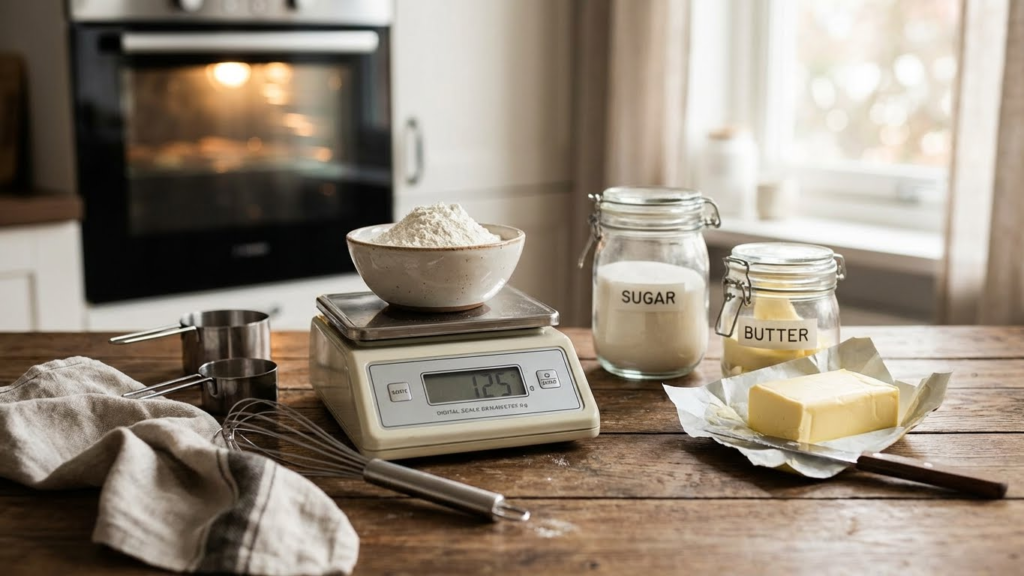
Baking requires precision and attention to detail to get the right texture and taste. Small mistakes with measurements or oven settings can lead to disappointing results. Paying close attention to these areas will help you bake more consistently.
Incorrect Measuring of Ingredients
Measuring ingredients wrong is one of the biggest problems in baking. I always use dry measuring cups for flour, sugar, and dry goods and liquid measuring cups for milk, oil, or water. Using the wrong type can throw off the recipe.
For flour, I never scoop directly from the bag. Instead, I spoon the flour into the cup and level it with a knife to avoid packing it down. Too much flour makes baked goods dry and dense.
Using a kitchen scale for accuracy is even better. It removes guesswork, especially for flour and butter. I find that weighing ingredients makes my baking results more reliable.
Oven Temperature Issues
Oven temperature affects how your baked goods rise and cook. Even if you set your oven to 350°F, the actual heat inside can vary.
I recommend using an oven thermometer to check the real temperature. Many ovens run hotter or cooler than the dial shows. This can cause underbaked or burnt treats.
Also, I avoid opening the oven door too often during baking. Each time the door opens, heat escapes and changes the cooking time and texture.
Adjusting the rack position helps too. Placing pans in the center allows for even heat circulation. Pies and cookies cook best on middle racks, while bread often needs lower racks for a crispy crust.
Improper Food Preparation
Using the right tools and preparing ingredients properly are crucial steps in cooking. Small mistakes here can change the texture and flavor of a dish. Paying attention to these details improves not just the outcome but also your cooking experience.
Misusing Kitchen Tools
I often see people use the wrong kitchen tools for certain tasks, which slows down the process and sometimes ruins the food. For example, using a dull knife to chop vegetables cuts unevenly and bruises the ingredients. This affects how they cook and taste.
Using the correct knife for the task—like a serrated knife for bread or a paring knife for peeling—makes work easier and safer. Also, knowing when to use a whisk instead of a fork or a spatula instead of tongs helps control the cooking better.
Keep your tools clean and sharp. Dull knives can cause accidents and uneven cuts. Proper tools and maintenance lead to better and faster cooking with less frustration.
Cutting Ingredients Unevenly
I always notice uneven cuts when people are cooking, and this is a common mistake. When pieces are different sizes, they don’t cook at the same rate. Some parts get overcooked while others stay raw or underdone.
To fix this, I recommend focusing on cutting food pieces as evenly as possible. For example, if you are dicing onions or chopping carrots, try to maintain uniform shape and size. This makes cooking time consistent and helps the dish come together well.
If you struggle with knife skills, you can practice basic cuts separately before cooking. A simple rule is to cut slowly and carefully, paying attention to each slice. Using a good cutting board and sharp knife also helps you work quickly with accuracy.
Managing Heat Levels in Cooking
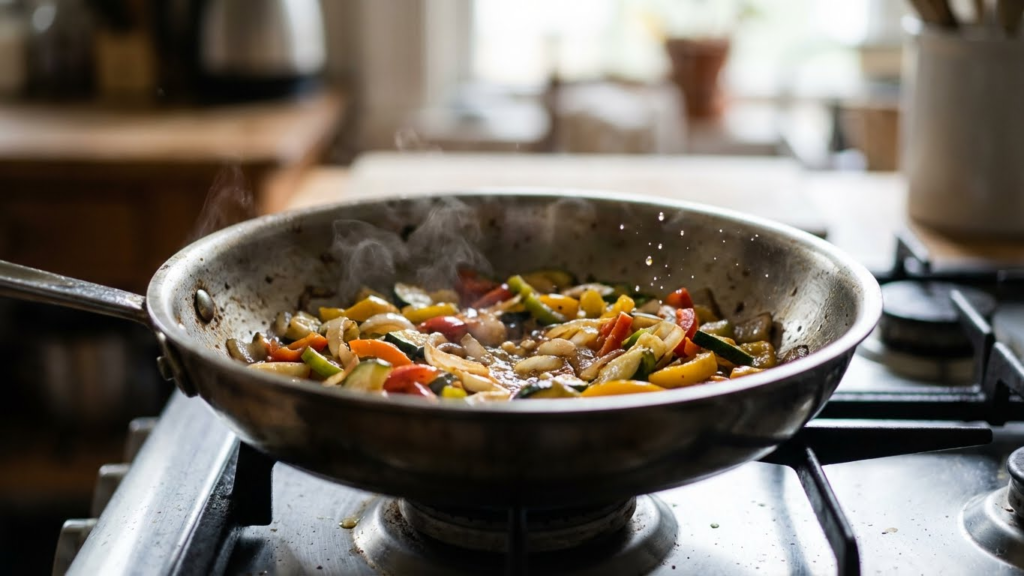
Getting heat right is key to cooking food with the best texture and flavor. I focus on controlling pan temperature carefully and knowing how to avoid burning or making food soggy. These details improve how dishes turn out every time.
Using the Right Pan Temperature
I always adjust the pan temperature depending on what I’m cooking. For example, searing meat needs high heat to create a nice crust. But if the heat is too high, the outside can burn before the inside cooks.
Medium heat works well for sautéing vegetables or cooking eggs gently. It lets the food cook evenly without drying out.
To check the pan’s heat, I look for signs like a drop of water dancing on the surface or oil shimmering. These clues tell me when to add my ingredients for best results.
Avoiding Burnt or Soggy Results
Burnt food often happens when I use heat that’s too high or overcrowd the pan. Too many ingredients trap steam, causing sogginess instead of browning.
I fix this by cooking in batches and leaving enough space between pieces. I also keep the heat steady—too much or too little heat causes problems.
If food starts to burn, lowering the heat quickly can save it. To avoid soggy dishes, I let moisture evaporate by not covering the pan tightly unless the recipe says so.
Proper Ingredient Storage and Handling
Keeping ingredients safe and fresh means handling and storing them the right way. Small mistakes can lead to food spoilage or even foodborne illness. I focus on key habits that protect food quality and safety, which saves money and keeps meals tasty.
Preventing Cross Contamination
Cross contamination happens when harmful bacteria move from one food item to another. I always use separate cutting boards for raw meat and fresh produce to avoid this.
Here’s what I do to prevent it:
- Wash hands thoroughly before and after handling raw foods.
- Clean knives and surfaces with hot, soapy water between tasks.
- Store raw meat below ready-to-eat items in the fridge to stop juices from dripping.
- Use sealed containers for raw foods to keep them separate.
These steps help reduce the risk of foodborne illnesses, especially when handling poultry, seafood, or eggs. You can find more detailed safety tips from the USDA Food Safety and Inspection Service.
Storing Fresh Produce Correctly
Fresh fruits and vegetables last longer when stored the right way. I separate ethylene-producing items like apples from those sensitive to it, such as leafy greens. This prevents early spoilage.
I keep most produce in the fridge, but some, like tomatoes and potatoes, do better at room temperature. Using clean, breathable containers or perforated bags helps maintain moisture balance without making food soggy.
Here’s a quick guide I follow:
| Produce Type | Best Storage Location | Notes |
|---|---|---|
| Leafy Greens | Refrigerator crisper drawer | Wrap in damp paper towel |
| Apples | Refrigerator | Keep apart from sensitive veg |
| Tomatoes | Room temperature | Avoid direct sunlight |
| Potatoes | Dark, cool place | Don’t refrigerate |
Proper produce storage keeps meals fresh and reduces waste. The FDA’s guide on storage offers useful tips I often check.
Timing and Organization in the Kitchen
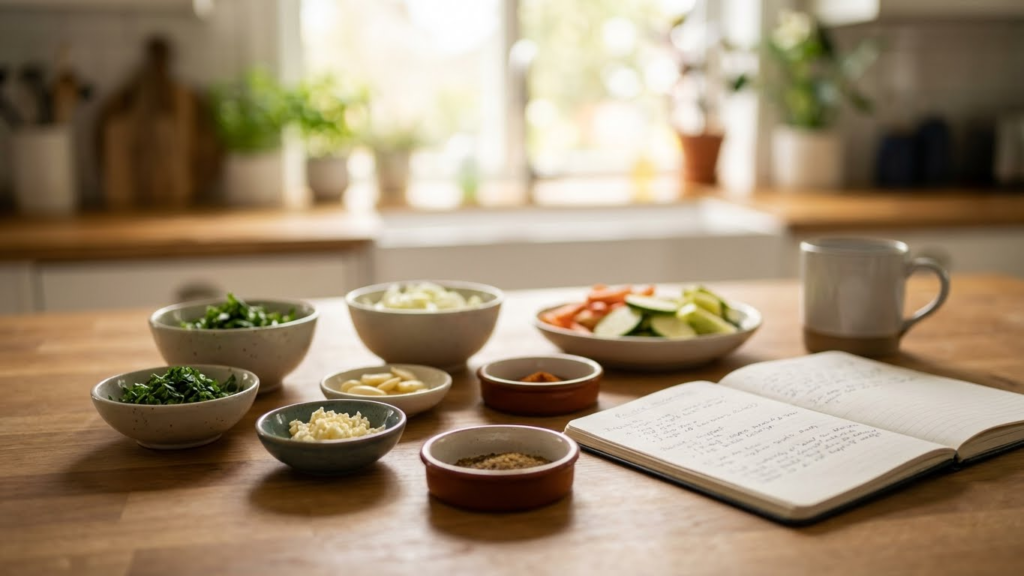
Good timing and clear organization help keep cooking on track and reduce stress. Preparing ingredients ahead and knowing when each dish needs attention makes everything run smoother in the kitchen.
Planning and Prepping Ingredients
I always start by gathering and prepping all my ingredients. Washing, chopping, and measuring before I turn on the stove saves time later. It also cuts down on mistakes like forgetting important steps or running out of something mid-cook.
Using containers or bowls to separate ingredients by dish keeps my workspace tidy. I label or arrange them logically, so I don’t mix up items. This prep work is especially helpful when a recipe involves many steps or timed cooking.
A simple checklist can help track what’s prepped and what still needs attention. I find that sticking to this routine makes the whole process feel less rushed and avoids last-minute scrambling.
Managing Multiple Dishes Simultaneously
When cooking more than one dish at a time, I focus on the order foods need to cook and finish. I pay attention to cooking times and temperatures for each item. It helps to set timers for dishes that cook longer or need checking at specific intervals.
I organize my workspace to handle multiple pots or pans safely. Placing hot dishes on cooling racks and clearing space for stirring or plating keeps everything flowing.
Prioritizing is key. I handle dishes that require frequent stirring or shorter cooking times first, then turn to slower-cooking items. This approach stops overcooking and helps different parts of the meal come together neatly.
Final Tips for Preventing Cooking Mistakes
I find that prepping all ingredients before cooking helps me avoid many common problems. When everything is ready and measured, I don’t rush or forget steps. This makes the whole process smoother and the results more consistent.
Using the right tools is another key step. For example, choosing the correct pan size affects how food cooks and can stop it from burning or sticking. I always check my pots and pans before starting to make sure they fit the recipe.
I also pay close attention to timing and temperature. Cooking at the right heat and for the right amount of time keeps food from being over or undercooked. If I’m not sure, I use a timer or an instant-read thermometer to stay on track.
Here is a quick checklist I use to prevent mistakes:
| Tip | Reason |
|---|---|
| Prep ingredients first | Saves time and stops forgetting |
| Use proper pan size | Prevents uneven cooking |
| Measure ingredients | Keeps flavors balanced |
| Monitor temperature | Avoids undercooking or burning |
| Use timers or thermometers | Ensures accurate cooking time |
Staying organized and patient is just as important as technique. I remind myself to take my time instead of rushing. This simple habit often leads to better dishes.
By keeping these tips in mind and practicing regularly, I continue to improve my cooking without repeating the same mistakes.
FAQs
What should I do if my food doesn’t brown?
If your food isn’t browning, it often means the pan is overcrowded or the heat is too low. I recommend using a hot pan and cooking in smaller batches. This helps food brown evenly and develop better flavor.
How can I fix over-seasoning?
When a dish is too salty or spicy, adding a neutral ingredient like potatoes, rice, or cream can help balance the taste. I often use extra liquid or a splash of acid, such as lemon juice or vinegar, to cut through strong flavors.
Why does my meat come out dry?
Dry meat usually means it was cooked at too high a temperature or for too long. I let my meat rest after cooking to allow juices to redistribute, which keeps it tender and moist.
What if I accidentally add too much of an ingredient?
Don’t worry if you add too much salt or spice. You can fix it by diluting the dish with additional ingredients or adding a bit of sugar or acid to balance the flavors.
Why do my veggies turn soggy?
Soggy vegetables often happen when you overcrowd the pan or cook them too long. I cook veggies quickly over medium-high heat and make sure there’s space for steam to escape.
How do I prevent burning garlic?
Garlic burns fast, so I add it last or cook it over low heat. Watch closely and stir often to avoid the burnt taste that can ruin a dish.
Conclusion
I have learned that cooking mistakes are not the end of the world. They are chances to understand the process better and improve my skills. With each mistake, there is a lesson that helps me avoid it next time.
Some errors, like overcrowding the pan or rushing, happen because of lack of patience or attention. I now make sure to prepare well and follow the instructions carefully. This has helped me prevent many common problems.
To keep progress steady, I focus on a few simple rules:
- Use the right heat level
- Give food space to cook evenly
- Taste and adjust seasonings slowly
- Take my time without multitasking
Remember, cooking is a skill that grows with practice. Fixing mistakes becomes easier once I understand what went wrong. By applying small changes, I have made my meals more delicious and consistent.
I encourage myself to view every kitchen slip as a step toward becoming a better cook. The process is as important as the plate at the end. With patience, careful attention, and some basic techniques, anyone can improve their cooking.
