
Cooking can sometimes feel more complicated than it needs to be, but it doesn’t have to be that way. I’m Emma Reed, and together we’ll explore cooking hacks that really work—simple tricks that make your time in the kitchen easier and less stressful. These practical tips help you save time, improve flavors, and get better results without any extra fuss.
There are plenty of so-called kitchen hacks online, but many don’t hold up when tested. I’ve tried these hacks myself and focused only on ones that truly make a difference. From prepping ingredients faster to smart ways to reuse leftovers, these tricks will give your cooking a boost and keep your kitchen running smoothly.
Cooking should be both enjoyable and manageable. By using these proven hacks, you can cut down on unnecessary steps and focus on what matters most: creating tasty meals with ease.
Key Takeways
- Simple strategies can speed up meal prep and cooking time.
- Small changes in ingredient use and technique improve flavor and texture.
- Organized cleanup and storage hacks reduce kitchen stress.
Contents
Essential Kitchen Prep Hacks
Preparing ingredients quickly and with less hassle can save a lot of time in the kitchen. With the right methods, chopping vegetables, peeling garlic, and cutting onions can become faster and cleaner tasks.
Speedy Vegetable Chopping Techniques
I find that using a sharp knife is the key to chopping vegetables fast and safely. A dull knife slows you down and increases the chance of slips. To speed up chopping, I use the “rocking motion” where you keep the tip of the knife on the cutting board and move the blade up and down.
Another trick is to prep vegetables in batches. For example, slice all carrots first, then celery, etc. I like to use a large, flat cutting board to keep everything organized.
When chopping, keeping the fingers curled under and gripping the food with your knuckles facing forward helps me maintain control and chop efficiently. A simple bench scraper also speeds up moving chopped food without losing pieces.
Preventing Tears While Cutting Onions
Cutting onions often makes my eyes water, but I’ve learned several ways to reduce this. One effective method I use is chilling the onion in the fridge or freezer for 10-15 minutes before cutting. The cold slows the release of the sulfur compounds that cause tears.
I also try to cut the root end last since it has the highest concentration of these tear-inducing gases.
Another tip is to slice onions near running water or a fan. This helps blow the sulfur compounds away from my eyes. If all else fails, I wear cheap kitchen goggles to keep the irritation out.
Easy Ways to Peel Garlic
Peeling garlic doesn’t have to be a chore. I use the “smash and peel” method, where I place a garlic clove under the flat side of a knife and give it a quick press. This breaks the skin, making it easy to remove.
Alternatively, I sometimes put garlic cloves in a jar, close the lid, and shake vigorously. The skins come off quickly without much effort.
If I need lots of peeled garlic, I soak cloves in warm water for a few minutes. This loosens the skin and speeds up peeling.
Using these simple tricks reduces prep time and makes cooking smoother.
Smart Ingredient Substitutions
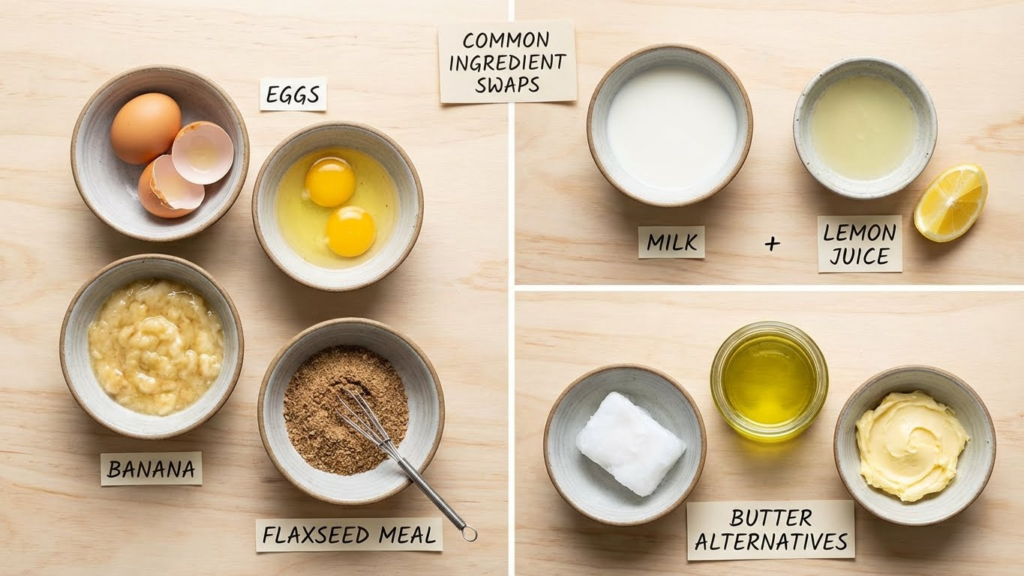
Knowing how to swap ingredients can save your recipe when you’re missing key items. It also helps when you want to adjust for taste or dietary needs. I focus on simple, effective swaps that don’t change the texture or flavor too much.
Replacing Eggs in Baking
Eggs often act as binders and leavening agents in baking. When I run out, I use mashed banana or applesauce as a wet binder, usually 1/4 cup per egg. This works well in muffins and cakes for moisture and softness.
For leavening, using 1 tablespoon of ground flaxseed mixed with 3 tablespoons of water per egg helps create structure. Another option is yogurt or buttermilk, which adds moisture and helps with rising.
Avoid swapping eggs in recipes that rely heavily on them, like angel food cake, where the egg’s role is crucial. These substitutions are best for denser baked goods.
Making Buttermilk at Home
Buttermilk adds tanginess and acidity that react with baking soda or powder for a tender crumb. If I don’t have buttermilk on hand, I mix 1 tablespoon of white vinegar or lemon juice into a cup of regular milk.
Let the mixture sit for 5-10 minutes until it curdles slightly. This mimics the acidity and texture needed in recipes like pancakes, biscuits, or cakes.
You can also use plain yogurt thinned with a little milk in the same 1:1 ratio. This replacement keeps baked goods moist without changing the flavor too much.
Alternatives for Common Dairy Products
When I need a substitute for butter in dishes like risotto or sauces, I use heavy cream or mascarpone. These options add a creamy texture and richness.
For sour cream or yogurt, I swap with crème fraîche, Neufchâtel, or queso fresco. These keep the tangy flavor and smooth texture needed in dips and dressings.
Table of common dairy swaps:
| Original | Substitute | Notes |
|---|---|---|
| Butter | Heavy cream, Mascarpone | Adds richness, not as solid |
| Sour cream | Crème fraîche, Yogurt | Maintains tang and texture |
| Milk (buttermilk) | Milk + Vinegar or Lemon juice | Adds acidity for baking |
These swaps work well in most recipes without major changes in taste or consistency.
Time-Saving Cooking Methods
Saving time in the kitchen often comes down to smart planning and using the right techniques. I focus on simplifying meals by cutting down on dishes, speeding up flavors with quick tricks, and making staple foods like pasta ready faster.
One-Pan Meal Strategies
One-pan meals are a huge time saver for me. Cooking everything in one dish means fewer pots to wash and less time spent juggling different pans. I often start with sautéing proteins and vegetables together, then add grains or starches right into the same pan.
Using a sheet pan or a large skillet lets ingredients cook evenly, and I can control the heat to make sure nothing burns or cooks unevenly. This method works well for roast dinners and stir-fries alike. Plus, it’s easier to clean up after cooking, especially on busy days.
For more tips on pan-friendly recipes, I like the advice found on Serious Eats.
Instant Marinade Tips
Marinating usually takes hours, but I use instant marinade methods to speed things up. Acidic ingredients like lemon juice or vinegar combined with salt and oil can tenderize meat in just 15-20 minutes. I also add spices or fresh herbs to boost flavor quickly.
To get the most out of the marinade, I pierce the meat or score it lightly before soaking. This helps the flavors soak in faster. You don’t need a lot of liquid – just enough to coat the food evenly.
Using a resealable bag helps keep the marinade close to the food, which saves time and makes cleanup easy. You can find detailed guidance on quick marinating with food safety tips at The Spruce Eats.
Quick Pasta Cooking Tricks
Pasta is usually fast, but I shave off even more minutes with a few simple hacks. One trick is to salt the water before boiling; this reduces the time it takes to boil and seasons the pasta evenly. I also cover the pot to help the water boil faster.
Another tip is to use pasta shapes that cook quickly, like angel hair or small shells, when I’m in a hurry. I rinse pasta with hot water after draining if it will sit before saucing to stop it from sticking.
If I want to speed things up even more, I start boiling water in an electric kettle, then transfer it to the pot on the stove, which cuts waiting time.
More quick pasta tips can be found on America’s Test Kitchen.
Flavor-Boosting Tricks
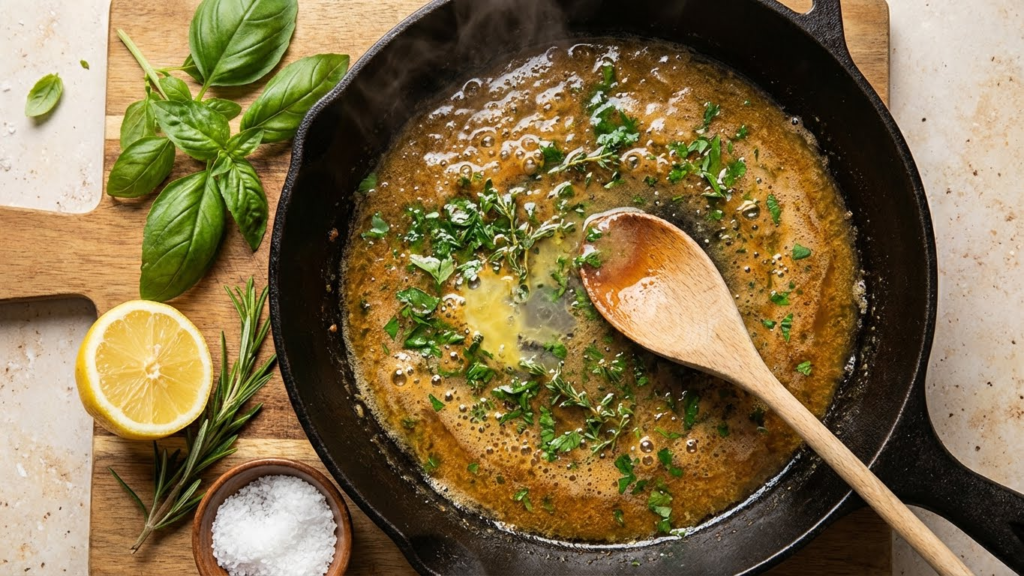
I find that small adjustments in the kitchen can make a big difference to flavor. Simple changes to sauces and the way I use herbs help me get richer taste without extra work or fancy ingredients.
How to Enhance Sauces Instantly
When I want to improve a sauce fast, I add a splash of acid like lemon juice, vinegar, or a bit of wine right at the end of cooking. This brightens the flavor and balances heaviness. Salt is key, but I add it little by little, tasting as I go.
Another trick is to stir in a bit of butter or cream right before serving. This makes sauces smoother and richer. If the sauce feels flat, I sometimes mix in a small spoonful of soy sauce or Worcestershire for a quick umami boost.
For thicker sauces, I let them simmer gently to concentrate flavors. If it’s too thick, a bit of stock or water helps maintain taste without losing texture.
Layering Herbs for Maximum Taste
I don’t just toss herbs in at the end. I add some early in cooking to let their flavors develop and some fresh on top to keep their aroma strong. This layering intensifies the taste.
With hardy herbs like thyme or rosemary, I add them at the start. Delicate herbs such as basil, parsley, or cilantro get added last. This method helps me get the full spectrum of flavor from one dish.
If using dried herbs, I crumble them to release oils before adding. Fresh herbs get torn, not cut, to avoid bitterness. I find that experimenting with the timing and form of herbs can lift an ordinary meal to a new level.
Perfecting Food Texture
Mastering texture means knowing the right heat and timing to get the exact feel in your food. Whether you want your vegetables to have a crisp outside or rice to turn out fluffy, small adjustments make a big difference.
Crispier Roasted Vegetables
To get vegetables crispy, I start by drying them thoroughly after washing. Any moisture on the surface will steam the veggies and prevent crisping.
Next, I toss them with a thin layer of oil. Using too much oil creates sogginess, so just enough to coat is key. For extra crispness, I sometimes add a sprinkle of cornstarch. This helps absorb moisture and creates a light crust.
I roast at a high temperature, about 425°F (220°C). This encourages browning without overcooking inside. I also spread veggies out on the pan with space between pieces. Crowding traps steam and softens the texture.
I flip the vegetables halfway through cooking. This ensures even crisping on all sides. Timing usually falls between 20 to 30 minutes, depending on the vegetable.
Achieving Fluffy Rice Every Time
Fluffy rice comes down to rinsing, water ratio, and cooking method. I rinse rice in cold water until it runs clear. This removes excess starch that makes rice sticky.
Next, I use a simple water ratio—for most white rice, it’s 1 cup rice to 1.5 cups water. Too much water makes rice mushy; too little leaves it dry or hard.
I bring the water to a boil, add rice, then lower heat to a gentle simmer immediately. Cover the pot tightly to lock in steam. I do not lift the lid while cooking.
Once done, I let rice rest covered off the heat for 10 minutes. This step lets moisture redistribute evenly.
Finally, I fluff rice gently with a fork to separate grains without smashing them. This releases steam and keeps the texture light and airy.
Efficient Cleanup Solutions
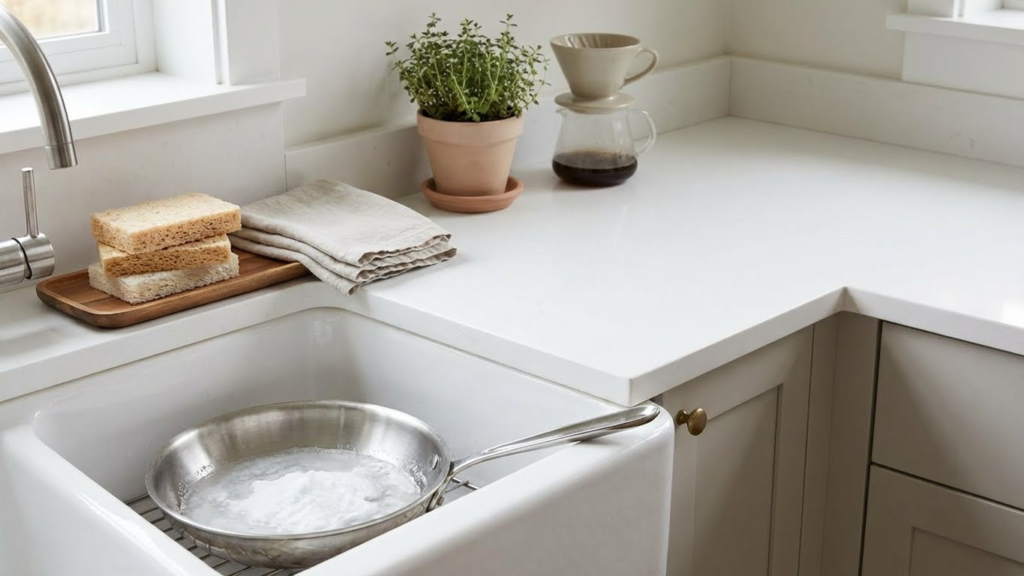
Cleaning up after cooking can take a big chunk of time, but certain methods help me cut that time significantly. Using smart steps to reduce mess as I go and knowing how to tackle tough grease saves energy and keeps my kitchen ready for the next meal.
Minimizing Dirty Dishes
I start by planning my prep and cooking tools carefully. Using fewer pots and pans means fewer dishes to wash. For example, I wash cutting boards and knives right after use instead of letting them pile up. This keeps the workspace clear and stops stains or smells from setting.
When possible, I reuse measuring cups or bowls during prep, wiping them clean instead of grabbing a new one each time. I also practice the clean-as-you-go approach. While cooking, I rinse or soak utensils and pans immediately after use, so food doesn’t dry on and harden.
Keeping a trash bowl nearby for scraps streamlines waste disposal, reducing trips to the trash can and spills.
De-Greasing Pans Effectively
Fat and oil can be hard to remove, but I found simple tricks that work well. Right after cooking, I pour off excess grease into a disposable container. Then, instead of using hot water first, I splash cold water onto the pan. This helps solidify any stuck-on oil.
Using a mixture of baking soda and hot water creates a gentle abrasive paste that breaks down grease without damaging the pan. I let this sit for 10-15 minutes before scrubbing with a sponge.
For cast iron or stainless steel pans, a coarse salt scrub works well to lift residue without removing seasoning layers.
If you want more tips on pan care and grease removal, the Good Housekeeping Kitchen Guide gives practical advice to keep pans clean and long-lasting.
Creative Presentation Hacks
Making food look good is just as important as how it tastes. I focus on simple ways to arrange food and add small touches that make a big difference. Using space on the plate, color, and texture helps create meals that look inviting and well-prepared.
Plating Like a Professional
I start by thinking about balance and space. Leaving some empty space around the food makes the plate look clean and elegant. I group items in odd numbers, like three or five pieces, because it’s more pleasing to the eye.
I often use a small spoon or brush to add sauces in thin lines or dots instead of pouring them. Stacking or layering ingredients adds height and depth to the dish. Using different shapes and colors also helps keep the plate interesting.
When plating, I avoid overcrowding. It’s better to serve smaller portions on a large plate than cram too much food into a small area. I always wipe the edges of the plate before serving so it looks neat and professional.
Simple Garnishing Ideas
I like to use fresh herbs like parsley, basil, or chives because they add a pop of color and freshness to any dish. Adding a small sprig or a light sprinkle can lift the look without overpowering the taste.
Another easy trick is to use citrus zest or thin slices of fruits and vegetables for brightness. For example, lemon zest adds color and a bit of zing to fish or chicken dishes.
Edible flowers and microgreens are also great for finishing touches. They bring vibrant colors and subtle flavors. When I add garnishes, I make sure they match the flavors of the dish and look natural, never forced.
Storing and Reusing Leftovers
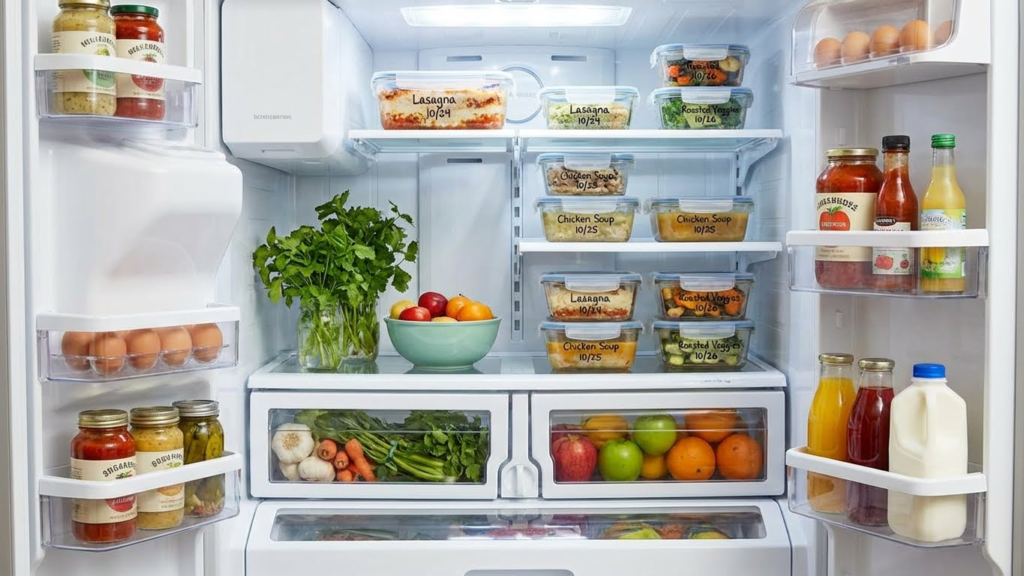
When it comes to leftovers, proper storage is key to keeping food fresh and safe. I always use glass containers because they are reusable, easy to clean, and I can see what’s inside without opening them. Clear storage helps me keep track of what I have, reducing waste.
Labeling leftovers with the date is a simple step I never skip. I use masking tape and a marker to write when I stored the food. It saves me from guessing how old something is and helps me eat leftovers before they go bad.
Most leftovers stay good for three to four days in the fridge. I avoid letting food sit longer than that to prevent spoilage. If I want to keep food longer, I freeze it in zip-top bags or airtight containers. I always write the date on frozen items too.
Reusing leftovers creatively keeps meals interesting. I often slice leftover chicken to add to sandwiches or salads. Leftover veggies can go into stir-fries or omelets. Even fruit scraps get turned into quick desserts with a bit of cream cheese or chocolate spread.
Here’s a quick list of my leftover reuse tips:
- Slice leftover meats for sandwiches or wraps
- Mix leftover vegetables into pasta or rice dishes
- Turn fruits into sweet snacks by pairing with spreads
- Use soups or stews as a sauce base or stew topper
Storing and reusing leftovers this way saves time and money while reducing food waste.
Safety Tips for Hassle-Free Cooking
I always start by keeping my workspace clean. A tidy kitchen helps me avoid accidents like slips, cuts, or burns. I find that washing my hands often is a simple but powerful way to prevent food contamination.
When handling knives, I focus on holding them firmly and cutting away from my body. Using a sharp knife is safer than a dull one because it requires less force. I keep a wet cloth under my cutting board to stop it from sliding.
I never leave food unattended on the stove. Staying close helps me catch spills or flames quickly. I also make sure pot handles face inward to avoid knocking them over.
Proper food storage is part of my routine. I keep raw meat separate from vegetables to prevent cross-contamination. Using airtight containers helps my ingredients stay fresh longer.
Here’s a quick list I follow for kitchen safety:
- Wash hands before and after handling food
- Use separate cutting boards for meat and veggies
- Keep knives sharp and handle them carefully
- Do not leave cooking food unattended
- Store food properly and label leftovers
By following these tips, I reduce stress and keep my kitchen safe. Cooking becomes more enjoyable when I don’t worry about accidents or food safety issues.
FAQs
Do these cooking hacks save time?
Yes, many hacks I’ve tested can cut down your prep and cooking time. For example, peeling garlic quickly or chopping veggies faster really helps. Some hacks are small, but they add up to make a difference.
Are all cooking hacks reliable?
No, not all hacks work as promised. I’ve found some popular tricks to be more style than substance. It’s smart to test new tips before using them in important meals. Stick to those that make tasks easier and avoid wasting ingredients.
Can these hacks improve the taste of food?
Some hacks do enhance flavor. Simple things like using salt water to soak vegetables or quickly marinating meat can boost taste. However, hacks are mostly about convenience, not changing recipes drastically.
Are these hacks safe?
Yes, the ones I recommend are safe if done carefully. Always follow basic kitchen safety rules like handling knives properly and avoiding cross-contamination. Hacks that involve heating or chemicals need extra attention.
| Hack Type | Benefit | Example |
|---|---|---|
| Time-saving | Speeds up cooking | Quick garlic peeling |
| Flavor-enhancing | Boosts taste | Marinating meat |
| Storage tips | Keeps food fresh | Wrapping herbs in paper towels |
I focus on hacks that are easy to do and make the cooking process smoother. It’s about smart shortcuts, not shortcuts that cause extra work later.
Conclusion
I’ve found that cooking hacks can truly make a difference when chosen wisely. The best ones save time, reduce stress, and improve the overall cooking experience without adding extra steps or confusion.
Many simple tricks, like peeling garlic quickly or keeping herbs fresh longer, actually work well in everyday cooking. I recommend trying a few at a time to see what fits your routine best. Not every hack suits everyone, but some will become your go-to tools in the kitchen.
Here are a few key points I keep in mind:
- Save time by prepping ingredients in advance.
- Use common tools creatively, like using a spoon to peel ginger.
- Keep it simple to avoid extra mess or effort.
- Test hacks before relying on them for important meals.
I avoid hacks that sound too good to be true or seem complicated. Real, useful tips come from practical experience and testing. With some trial and error, I’ve built a small set of dependable techniques that help me cook smarter, not harder.
Trying new hacks can be fun and useful. Just remember to choose those that fit your style and kitchen habits. When you find the right ones, cooking becomes smoother and more enjoyable.
