
How Often to Clean Rice Cooker for Perfect Results

Key Takeaways
- Clean after every use: Remove the inner pot and wash it immediately to prevent rice from hardening.
- Wipe the lid daily: Steam vents and sealing rings trap moisture and need regular attention.
- Deep clean weekly: Soak stubborn stains and clean the heating plate to avoid burnt residue buildup.
- Descale monthly: Use vinegar solution to remove mineral deposits from water and rice starch.
- Check for damage: Inspect seals and cords monthly to prevent safety hazards.
- Adjust for usage: Cook other grains or proteins? Increase cleaning frequency to prevent odors.
- Never submerge the base: Only wipe with damp cloth to protect electrical components.
Why Cleaning Your Rice Cooker Matters
Your rice cooker works hard to deliver perfect fluffy rice. But rice starch, water minerals, and food particles build up over time. This affects taste, creates bad odors, and shortens your appliance’s life. Learning how often to clean rice cooker parts prevents these problems.
This guide teaches you a simple three-tier cleaning system. Daily quick cleanings take minutes. Weekly deep cleaning needs 30 minutes. Monthly maintenance ensures long-term performance. Follow these steps, and your rice cooker will serve you for years.
Understanding Your Rice Cooker’s Cleaning Needs
Why Regular Cleaning Is Non-Negotiable
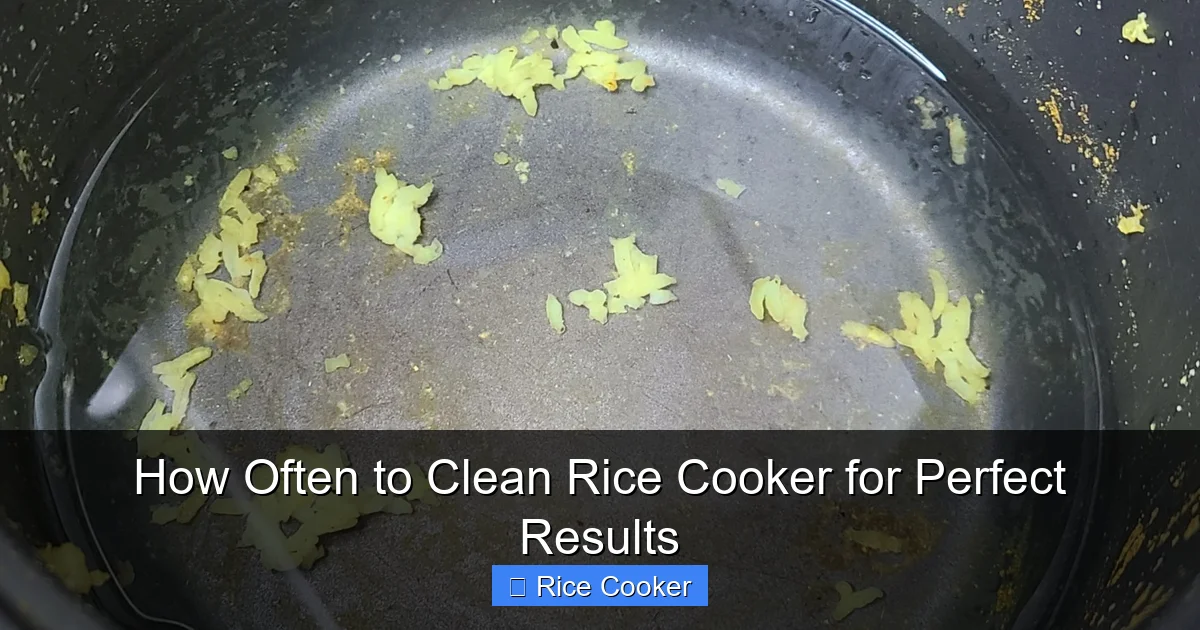
Rice contains starch that sticks to surfaces when heated. Left uncleaned, this creates a sticky film. The film burns during the next cooking cycle. You’ll taste it in your rice. It also insulates the heating plate, making your cooker work harder and use more electricity.
Visual guide about How Often to Clean Rice Cooker for Perfect Results
Image source: nogettingoffthistrain.com
Moisture in the lid and steam vent grows mold if not dried. This is especially true in humid climates. A clean rice cooker also prevents pest infestations. Rice weevils and ants love tiny food crumbs.
What Happens When You Skip Cleaning
Skipping cleaning seems easy. But problems appear quickly. First, you’ll notice a slight off-taste in your rice. Then, the rice starts sticking to the bottom even when you use the right water ratio. After a month of neglect, the heating plate overheats. This triggers the automatic shutoff too soon. Your rice ends up undercooked.
Long-term neglect causes permanent stains. The inner pot’s non-stick coating degrades. You might even see burn marks on the exterior. At this point, cleaning becomes much harder. Your rice cooker’s lifespan drops by half.
Daily Cleaning Routine (After Every Use)
Daily cleaning takes less than five minutes. Make it a habit right after eating. This prevents rice from hardening and sticking.
Visual guide about How Often to Clean Rice Cooker for Perfect Results
Image source: nogettingoffthistrain.com
Quick Wipe-Down Steps
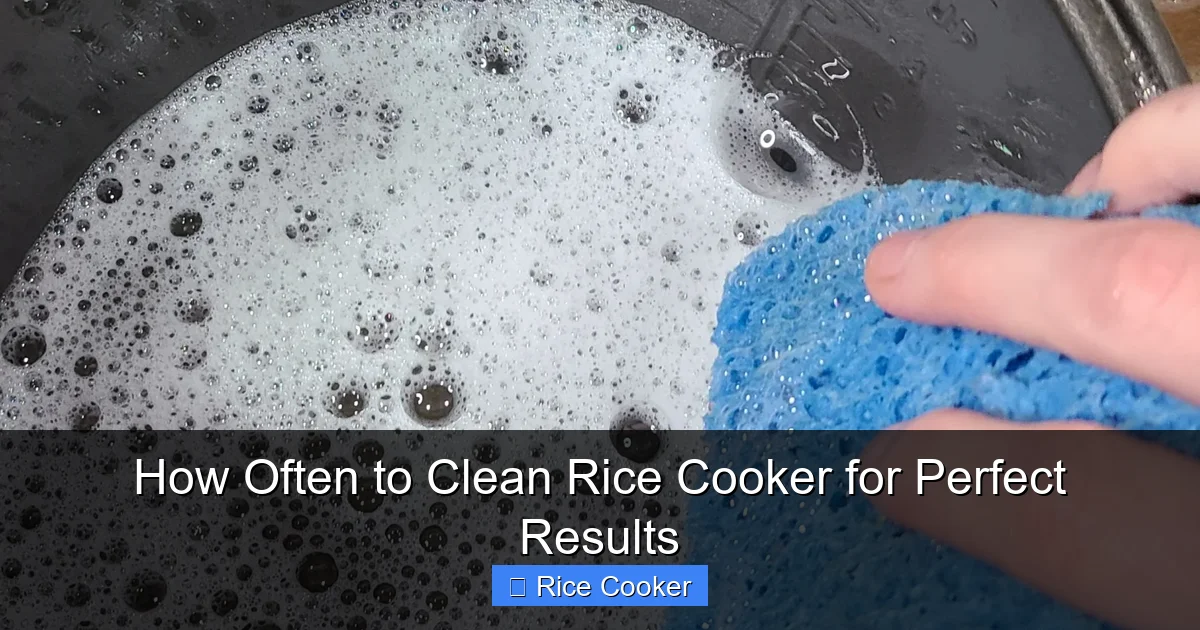
Unplug the rice cooker first. Safety comes first. Let it cool for 10 minutes. Hot surfaces can warp if you add cold water. Use a soft sponge with warm, soapy water. Wipe the exterior base. Never submerge the base in water. Electrical components live inside. A damp cloth is enough.
Remove the inner pot. This is the most important step. Wash it separately in the sink. Use a non-abrasive sponge. Avoid steel wool. It scratches non-stick coatings. Rinse thoroughly. Dry with a soft towel or air dry.
Removing the Inner Pot
The inner pot is designed to come out easily. Lift it straight up. Don’t twist or force it. Some models have a handle for easier removal. Place it in your sink immediately after cooking. Hot rice washes off easily. Cold, hardened rice needs soaking.
Tip: If rice sticks, fill the pot with warm water. Let it sit for 10 minutes while you eat. The rice will loosen. Then wash normally.
Cleaning the Lid and Sealing Ring
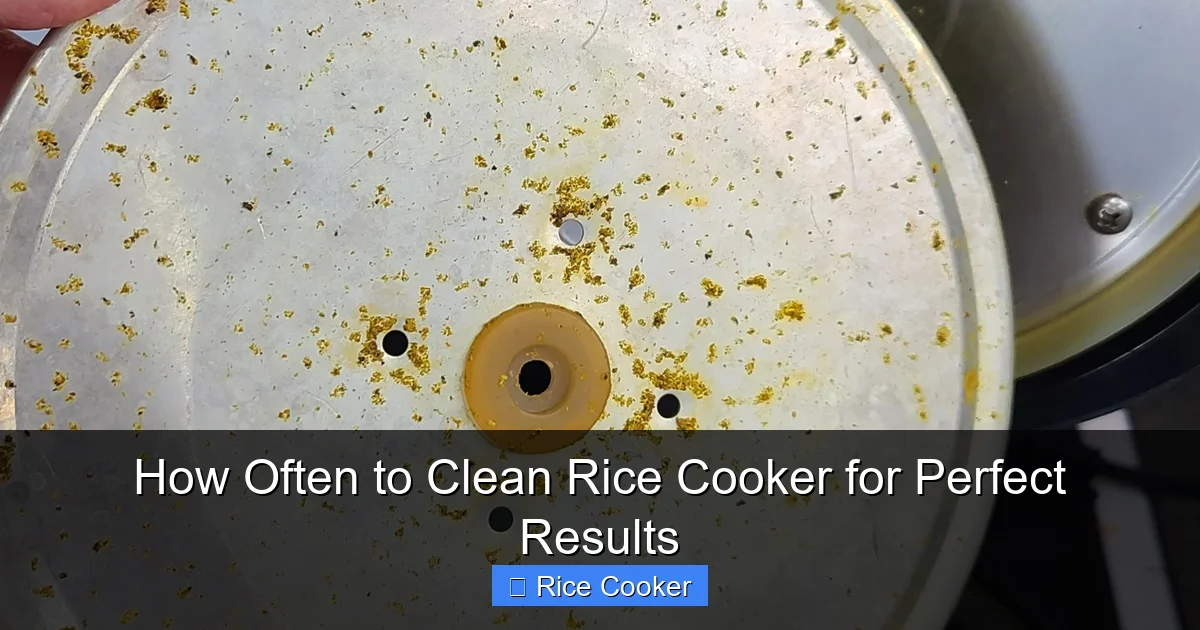
The lid traps steam and rice particles. Most lids are removable. Check your manual. If removable, take it off. Wash with warm, soapy water. Pay attention to the steam vent hole. Use a toothpick or small brush to clear debris.
The sealing ring sits around the lid. It’s usually silicone. Remove it gently. Wash separately. Dry thoroughly before reinserting. A wet seal doesn’t fit properly. This causes steam leaks.
Weekly Deep Cleaning Protocol
Even with daily cleaning, residue builds up. Weekly deep cleaning takes 30 minutes. Do this every Sunday. Mark it on your calendar. Your rice will taste better all week.
Visual guide about How Often to Clean Rice Cooker for Perfect Results
Image source: nogettingoffthistrain.com
Preparing for Deep Cleaning
Gather supplies. You’ll need white vinegar, baking soda, a soft brush, and a microfiber cloth. Unplug the rice cooker. Make sure it’s completely cool. Remove all detachable parts: inner pot, lid, sealing ring, and steam tray if present.
Fill your sink with hot, soapy water. Add all parts. Let them soak for 15 minutes. This softens any stuck-on residue.
Cleaning the Heating Plate
The heating plate sits in the base. It’s the heart of your rice cooker. Rice water often spills onto it. This creates a crusty layer. Never use water directly on the heating plate. It can damage the element.
Dampen a microfiber cloth with white vinegar. Wipe the heating plate gently. Vinegar dissolves mineral deposits. For stubborn spots, make a paste with baking soda and water. Apply with a soft brush. Let it sit for 5 minutes. Wipe clean with a damp cloth. Dry immediately with a second cloth.
Tackling Stubborn Stains
Brown stains on the inner pot? Don’t scrub. Mix 2 tablespoons baking soda with 1 cup water. Pour into the pot. Bring to a gentle simmer on your stovetop. Turn off heat. Let it cool. The stains will lift. Rinse well.
For the exterior, use a magic eraser. Dampen it slightly. Gently rub stained areas. Wipe with a clean, damp cloth afterward. This removes water spots and fingerprints.
Monthly Maintenance for Longevity
Monthly maintenance prevents hidden problems. Set a phone reminder. This takes 20 minutes. It keeps your rice cooker running efficiently for years.
Descaling Your Rice Cooker
Hard water leaves mineral deposits inside. This is called scaling. It affects heating efficiency. Descaling removes these deposits. Mix equal parts white vinegar and water. Pour into the inner pot. Run a normal cooking cycle. Stop it halfway. Let it sit for 30 minutes.
After 30 minutes, discard the solution. Rinse the pot thoroughly. Run one more cycle with plain water. This removes any vinegar taste. Your rice cooker will heat faster and more evenly.
Checking for Wear and Tear
Inspect the power cord. Look for fraying or exposed wires. Check the plug for bent prongs. Examine the sealing ring. It should be flexible, not brittle. A cracked ring lets steam escape. Your rice will be gummy.
Test the lid latch. It should click securely. If loose, the steam won’t build properly. Check the heating plate for discoloration. Uneven heating spots mean trouble. If you find any issues, contact the manufacturer. Don’t use a damaged rice cooker.
Special Cleaning Considerations
Different Rice Types and Cleaning Needs
White rice is easiest to clean. Brown rice has more oil and fiber. It leaves a greasy film. Clean the inner pot immediately after brown rice. Don’t let it sit. Wild rice is even stickier. Use the soak method.
Sticky rice varieties like sushi rice need extra attention. They contain more starch. After cooking, rinse the pot with cold water first. This stops the starch from setting. Then wash normally.
Cooking Other Grains and Proteins
Many people use rice cookers for quinoa, oats, or even soup. Each creates different cleaning challenges. Quinoa saponins can leave a bitter residue. Clean with vinegar solution after quinoa.
Oatmeal bubbles and can boil over. Wipe the base immediately. Check the steam vent for oatmeal clogs. If you cook lentils or beans, odors linger. Place a small dish of baking soda inside overnight. It absorbs smells. For proteins like steamed fish, wash everything with lemon juice. It neutralizes odors.
Troubleshooting Common Issues
Burnt Rice Stuck to Bottom
Sometimes rice burns despite perfect cleaning. This is usually a measurement error. Check out our guide on how to cook rice perfectly every time to prevent this.
If burnt rice sticks, don’t scrub. Fill the pot with water. Add a few drops of dish soap. Let it soak overnight. The next day, the burnt layer will be soft. Gently scrape with a wooden spoon. Wash normally.
Lingering Odors
Garlic, curry, or fish can leave smells. Wash everything with warm water and baking soda. Place a cotton ball soaked in vanilla extract in the rice cooker. Close the lid. Let it sit overnight. The vanilla masks odors.
For strong smells, cut a lemon in half. Place it cut-side down in the inner pot. Add water. Run a cooking cycle. The lemon steam deodorizes everything. Wipe clean afterward.
Steam Leaks
If steam leaks from the sides, the sealing ring is the culprit. Remove it. Clean thoroughly. Check for cracks. Replace if needed. Also check the lid. It should sit flat. If warped, contact the manufacturer.
Another cause is overfilling. Rice expands. Never fill past the maximum line. Use the measuring cup that came with your rice cooker. It’s calibrated for expansion.
Final Tips for a Spotless Rice Cooker
Keep a dedicated sponge for your rice cooker. Don’t use it on other dishes. This prevents cross-contamination. Store the inner pot with a paper towel inside. It absorbs moisture and prevents musty smells.
Place your rice cooker away from the sink. Splashing water causes mineral buildup. Use filtered water if you have hard water. It reduces scaling significantly.
Following this schedule ensures perfect rice every time. A clean rice cooker is a happy rice cooker. Your meals will taste better. Your appliance will last longer. Start today with a simple daily wipe-down. You’ll thank yourself later.
🎥 Related Video: remove spoiled rice smell in rice cooker | eco-friendly, no hash chemicals
📺 Aiza’s Abode
