Are Cast Iron Skillets Non Toxic The Truth Revealed

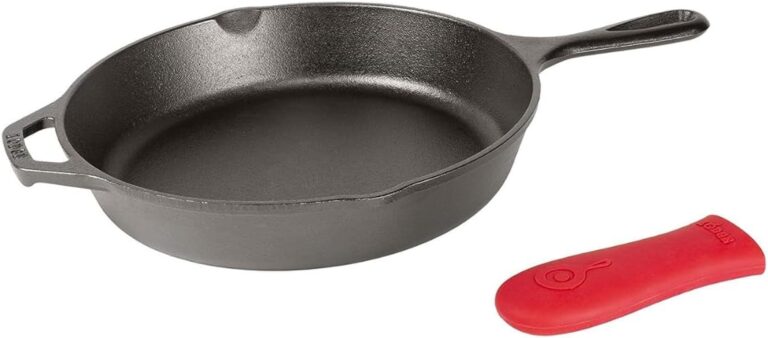
Yes, cast iron skillets are non toxic when properly seasoned and maintained. These natural cookware pieces contain no chemical coatings and actually add beneficial iron to your food. Unlike non-stick pans with PFAS chemicals, cast iron becomes safer with age and use, making it one of the healthiest cooking options available for your kitchen.
Key Takeaways
- Cast iron skillets are naturally non toxic: They contain no synthetic chemical coatings like PTFE or PFOA found in traditional non-stick cookware.
- Seasoning creates a safe cooking surface: The polymerization process forms a natural non-stick layer that is completely food-safe and improves over time.
- Iron leaching is beneficial: Small amounts of iron transferred to food can actually help prevent iron deficiency, especially for women and children.
- Maintenance is crucial for safety: Proper cleaning, drying, and oiling prevent rust and maintain the non-toxic properties of your skillet.
- Avoid acidic foods in new skillets: Wait until your pan is well-seasoned before cooking tomatoes or vinegar-based dishes to prevent metallic taste.
- Choose quality over cheap imports: Look for American-made or reputable brands to avoid potential lead contamination in low-quality cast iron.
Are Cast Iron Skillets Non Toxic? The Truth Revealed
You want to cook healthy meals for your family. You worry about chemicals in your kitchen. Maybe you’ve heard conflicting information about cast iron safety. Let’s cut through the confusion and get straight to the truth about whether cast iron skillets are non toxic.
In this guide, you will learn everything about cast iron safety. We will explore what makes cookware toxic, how cast iron compares, and the simple steps to keep your skillet safe. By the end, you’ll know exactly how to use cast iron for healthy, chemical-free cooking.
Understanding What Makes Cookware Toxic
Before we dive into cast iron, let’s understand what creates toxicity in cookware. Most concerns come from chemical coatings and metals that can leach into food.
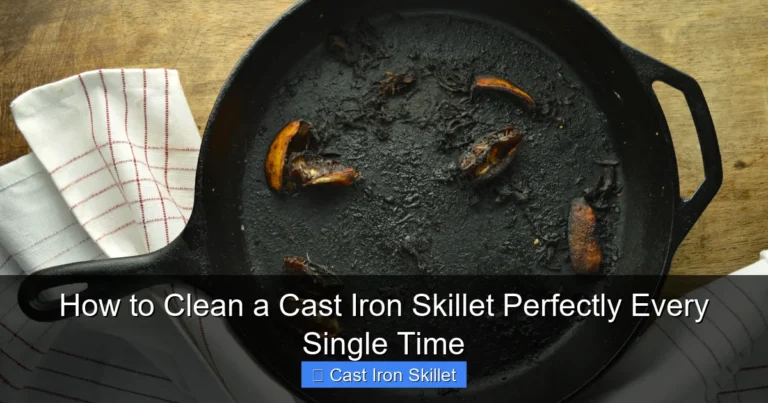
Visual guide about Are Cast Iron Skillets Non Toxic The Truth Revealed
Image source: vegnews.com
Chemical Non-Stick Coatings
Traditional non-stick pans use PTFE (Teflon) or similar chemicals. These can release toxic fumes when overheated. They may also contain PFOA, a suspected carcinogen. These chemicals do not exist in cast iron.
Heavy Metal Concerns
Some cookware contains aluminum, lead, or cadmium that can leach into food. Cheap aluminum pans are especially problematic with acidic foods. Cast iron is different. It’s made from iron and carbon, with no added toxic metals when produced properly.
The Seasoning Factor
Seasoning creates a polymerized oil layer on cast iron. This process is completely natural. It’s similar to how you season wood or create a non-stick surface on carbon steel. No chemical additives are involved.
The Non-Toxic Truth About Cast Iron Skillets
So, are cast iron skillets non toxic? The simple answer is yes. Here’s why cast iron stands apart from other cookware options.
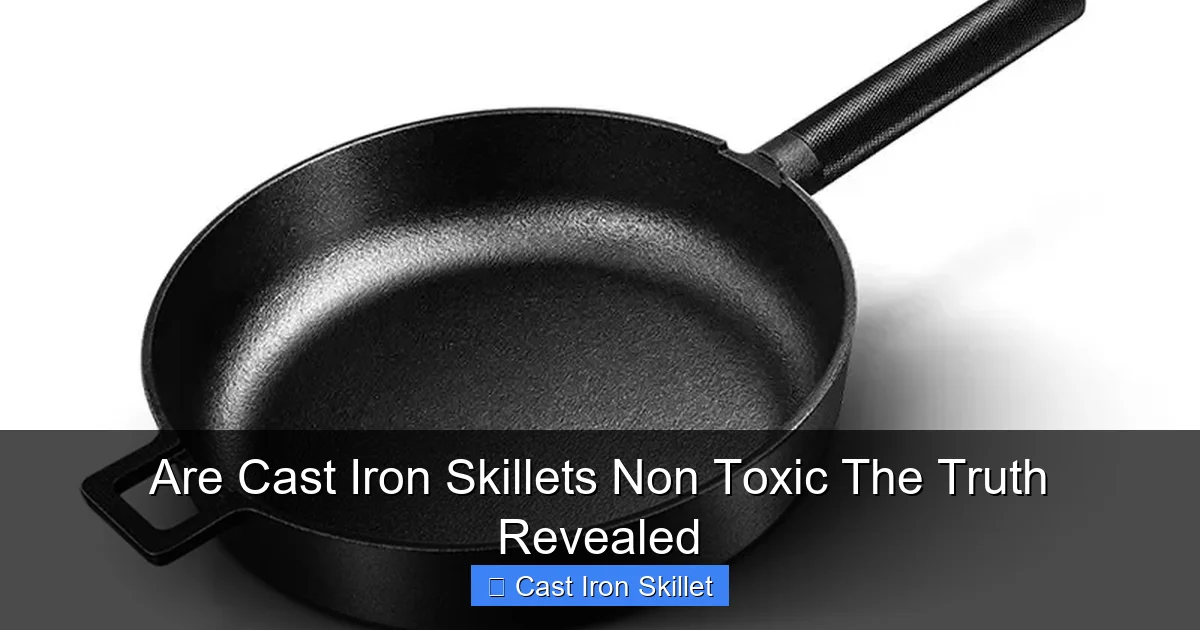
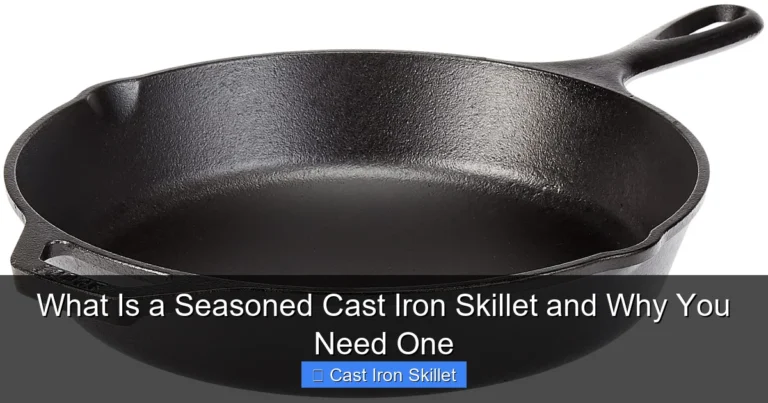
Visual guide about Are Cast Iron Skillets Non Toxic The Truth Revealed
Image source: kitchenfrypan.com
No Synthetic Chemicals
Cast iron contains no PTFE, PFOA, or other synthetic chemicals. It’s literally just iron and carbon. The metal is melted and cast into shape. That’s it. No hidden toxins, no secret coatings, no manufacturing byproducts that harm your health.
Natural Seasoning Process
When you season cast iron, you heat oil until it polymerizes. This creates a hard, non-stick surface through a completely natural chemical reaction. The process is similar to how oil hardens in your oven during baking. It’s safe, stable, and food-grade.
Iron Leaching Benefits
Cast iron does release small amounts of iron into food. This might sound concerning, but it’s actually beneficial. Many people have iron deficiency. Cooking in cast iron can increase iron intake naturally. This is especially helpful for women, children, and vegetarians.
Studies show that cast iron can add 10-20% more iron to your meals. Acidic foods like tomato sauce can leach even more. The iron from cast iron is heme iron, which your body absorbs easily. This makes cast iron one of the few cookware types that actively improves nutrition.
Built to Last Generations
Unlike non-stick pans that need replacement every few years, cast iron improves with age. A well-maintained skillet can last 100 years or more. This longevity means you’re not constantly exposing yourself to new manufacturing chemicals. Your great-grandchildren could use your cast iron safely.
How to Ensure Your Cast Iron Stays Non-Toxic
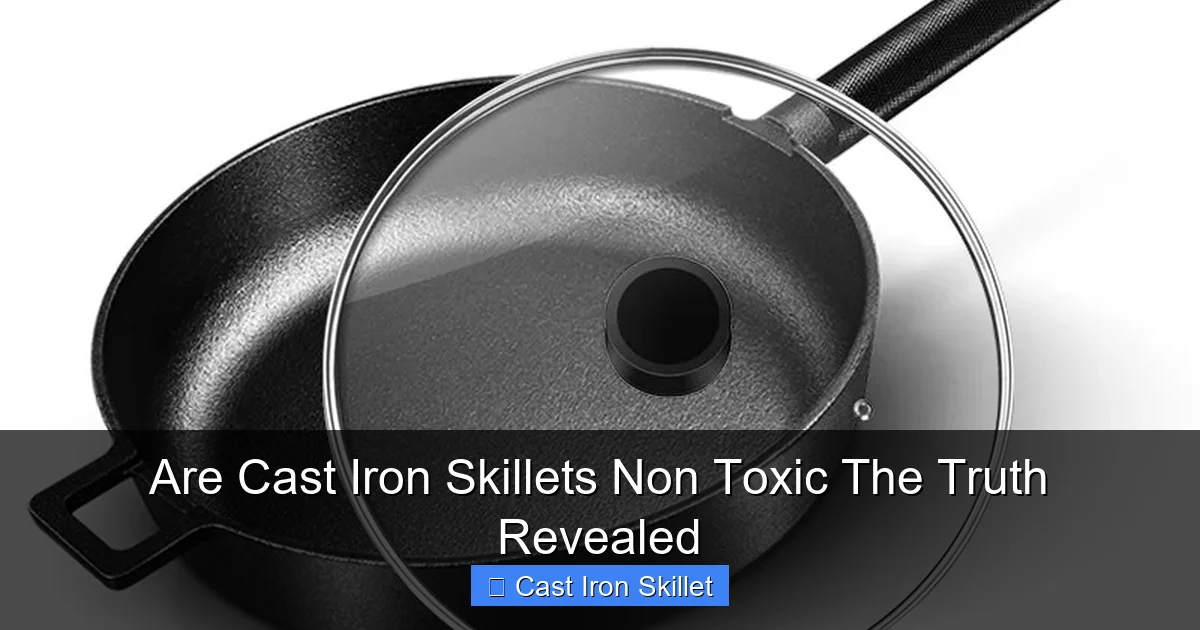
While cast iron is naturally non toxic, proper care is essential. Follow these steps to maintain safety and performance.
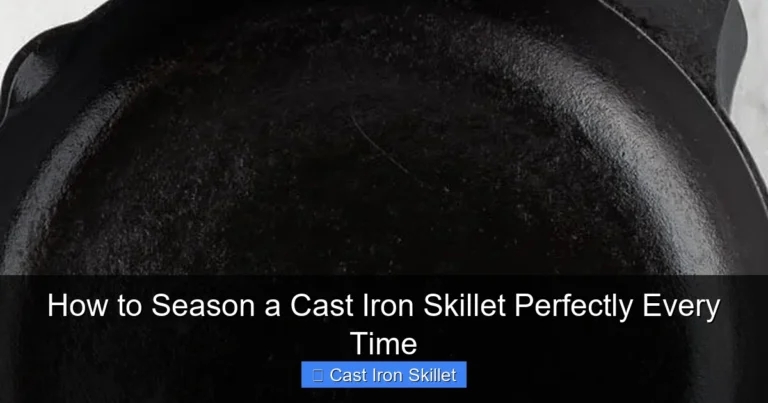
Visual guide about Are Cast Iron Skillets Non Toxic The Truth Revealed
Image source: kitchenfrypan.com
Step 1: Choose the Right Skillet
Start with quality cast iron. Look for skillets from reputable manufacturers like Lodge, Finex, or Stargazer. American-made cast iron has strict quality controls. Avoid extremely cheap imports from unknown brands. These may contain impurities or lead from poor casting processes.
Check for pre-seasoned skillets. Most come ready to use. If buying bare cast iron, you’ll need to season it before cooking. Either way, you control what goes on the surface.
Step 2: Season Your Skillet Properly
Seasoning creates the non-stick surface and prevents rust. Here’s the simple process:
First, wash your skillet with warm water and mild soap. Dry it completely with a towel. Then place it in a 200°F oven for 10 minutes to ensure no moisture remains.
Next, apply a thin layer of oil. Use flaxseed oil, vegetable oil, or shortening. Spread it with a paper towel until the surface looks dry. Too much oil creates a sticky, toxic-feeling residue. You want a barely-there coating.
Place the skillet upside down in a 450°F oven. Put foil on the lower rack to catch drips. Bake for one hour. Turn off the oven and let the pan cool completely inside. This process polymerizes the oil, creating a hard, non-toxic surface.
Repeat this 3-4 times for a new skillet. For maintenance, season once every few months or when food starts sticking.
Step 3: Clean Without Chemicals
Cleaning cast iron is simple and chemical-free. Never use harsh detergents or soak the pan. These strip the seasoning and expose bare iron.
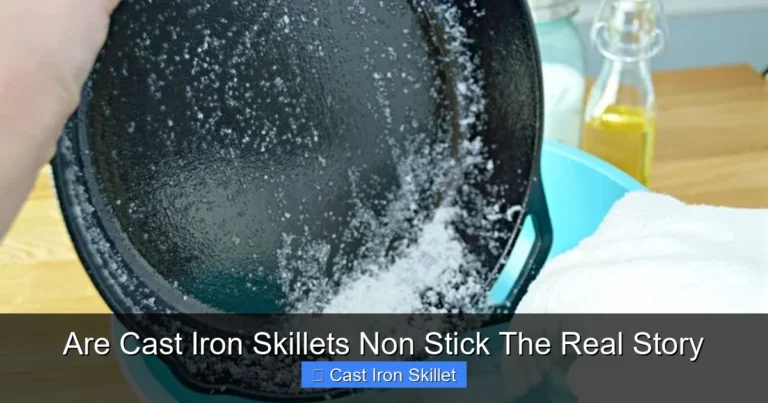
After cooking, rinse the skillet with hot water. Use a stiff brush or chainmail scrubber for stuck-on food. If needed, use coarse salt as a natural abrasive. Avoid steel wool unless removing rust.
Never put cast iron in the dishwasher. The detergent and prolonged moisture destroy seasoning and cause rust. Always hand wash and dry immediately.
Step 4: Dry Thoroughly
Water is cast iron’s enemy. After washing, dry the skillet completely. Use a towel, then place it on low heat for 2-3 minutes. This evaporates any remaining moisture in the pores of the metal.
You should see the pan darken slightly as it dries. This is normal. Once completely dry, you can apply a tiny bit of oil for storage. This prevents rust during the next use.
Step 5: Store Correctly
Store cast iron in a dry place. Never stack wet pans. If you must stack, place a paper towel between them to absorb moisture. For long-term storage, give the pan a light oil coating first.
A well-maintained cast iron skillet needs no special storage. Just keep it in your cupboard like any other pan. It’s ready when you need it.
Health Benefits of Non-Toxic Cast Iron Cooking
Using cast iron provides several health advantages beyond just avoiding chemicals. Let’s explore the benefits.
Iron Supplementation
As mentioned earlier, cast iron leaches iron into food. This happens more with:
- Acidic foods (tomatoes, wine, vinegar)
- Longer cooking times
- Higher heat
- Newer, less seasoned pans
For someone with iron deficiency, cooking tomato sauce in cast iron can increase iron content by up to 20 times. This natural supplementation has no side effects like constipation that come with pills.
No Endocrine Disruptors
Unlike non-stick coatings that may contain endocrine disruptors, cast iron is inert. It doesn’t interfere with hormones. This is crucial for children, pregnant women, and anyone concerned about chemical exposure.
Reduced Inflammation
Some cooking oils break down into inflammatory compounds when heated in certain pans. Cast iron handles high heat without degrading oils. This lets you use stable, healthy fats like avocado oil, coconut oil, and beef tallow without creating harmful byproducts.
Weight Management
Cast iron develops a natural non-stick surface. This means you need less oil for cooking. You can fry eggs with minimal fat. You can sauté vegetables without drowning them in oil. This helps reduce overall calorie intake naturally.
Comparing Cast Iron to Other Cookware
How does cast iron stack up against other popular options? Let’s compare toxicity levels.
Cast Iron vs. Non-Stick
Traditional non-stick pans contain PTFE. When heated above 500°F, they release toxic fumes. These fumes can kill birds and cause flu-like symptoms in humans. Cast iron has no such risk. It can handle any temperature without releasing toxins.
Non-stick coatings also degrade over time. They scratch, flake, and need replacement. Those flakes can end up in your food. Cast iron only gets better with age and never flakes.
Cast Iron vs. Aluminum
Aluminum is reactive and leaches into food, especially with acids. Many aluminum pans have non-stick coatings that add additional chemical risks. Cast iron is more stable and adds beneficial iron instead of potentially harmful aluminum.
Anodized aluminum is better but still not as safe as cast iron. The anodization process can wear off over time. Cast iron’s seasoning actually improves with use.
Cast Iron vs. Stainless Steel
High-quality stainless steel is non toxic. However, cheaper versions contain nickel and other alloys that can leach. Some people have nickel allergies. Cast iron avoids this issue entirely with its pure iron composition.
Stainless steel is also more difficult to maintain. It can discolor and pit. Cast iron is virtually indestructible with proper care.
Cast Iron vs. Ceramic
Ceramic cookware is often marketed as non toxic. However, the ceramic coating can wear off. The underlying aluminum may then leach into food. Cast iron has no coating to wear off. It’s solid metal through and through.
Ceramic pans also chip and crack. Cast iron is nearly unbreakable. A dropped ceramic pan is ruined. A dropped cast iron skillet just needs a quick clean-up.
Addressing Common Concerns and Myths
Several myths about cast iron toxicity persist. Let’s debunk them with facts.
Myth 1: Cast Iron Rusts and Rust is Toxic
Rust is iron oxide. It’s not toxic in small amounts. You ingest trace rust daily from food and water. However, rust does affect cooking performance and taste.
The solution is simple: don’t let rust build up. Season regularly. If rust appears, remove it with steel wool or vinegar, then re-season. A well-maintained cast iron skillet never rusts.
Myth 2: Acidic Foods Dissolve Cast Iron
Acidic foods do leach more iron, but this is a benefit, not a danger. The amount is small and beneficial. However, cooking highly acidic foods in a poorly seasoned new skillet can cause metallic taste.
Solution: Wait until your skillet has 50-100 uses before cooking tomato sauce or wine reductions. By then, the seasoning is robust enough to handle acids without affecting taste.
Myth 3: Old Cast Iron is Unsafe
Some worry that decades-old cast iron contains lead or other contaminants from older manufacturing. This is only true for antique pans made before modern regulations. Most vintage cast iron from the mid-1900s is perfectly safe.
If you buy from a reputable dealer who cleans and seasons vintage pans, you’re getting a safe product. Modern Lodge cast iron is made with pure pig iron and has no lead.
Myth 4: Cast Iron Causes Iron Overload
Iron overload (hemochromatosis) is a real condition. However, cast iron cooking does not cause it. The amount of iron leached is small and regulated by your body. People with hemochromatosis can still use cast iron in moderation.
For the vast majority, the iron from cast iron is beneficial. It’s impossible to get too much iron from cookware alone. You would need to eat the pan to overdose.
Step-by-Step Guide to Non-Toxic Cast Iron Care
Follow this complete routine to keep your cast iron safe and non toxic for life.
Daily Use and Cleaning
After each use, clean your skillet while it’s still warm. Food particles are easier to remove. Use hot water and a brush. Dry immediately and thoroughly. Apply a drop of oil and heat for 30 seconds if needed.
Never soak cast iron. Never use dishwasher detergent. These strip seasoning and expose bare metal to moisture. A few minutes of soaking is enough to start rust formation.
Weekly Maintenance
Once a week, check your skillet for seasoning quality. If food starts sticking, it’s time for a light re-seasoning. You can do this by applying oil and heating on the stovetop for 5 minutes instead of a full oven session.
Inspect for rust spots. Small rust spots can be scrubbed with steel wool and re-seasoned. Large rust areas need more aggressive treatment.
Monthly Deep Care
Once a month, perform a full oven seasoning. This rebuilds the non-stick layer and ensures maximum non toxic protection. It takes an hour but keeps your pan in top condition.
Also check for any chips or cracks. Cast iron doesn’t crack easily, but extreme temperature changes can cause it. If you find a crack, stop using the pan. It can harbor bacteria and break further during use.
Seasonal Storage
If you won’t use your cast iron for months, prepare it for storage. Clean and dry thoroughly. Apply a thick layer of oil. Wrap in paper towels. Store in a breathable cotton bag, not plastic. Plastic traps moisture and causes rust.
Check stored pans every month. Replace the paper towels if they feel damp. This prevents rust during long storage periods.
Troubleshooting Common Cast Iron Problems
Even with care, issues can arise. Here’s how to fix them safely.
Rust Spots
If you find rust, don’t panic. It’s not toxic, but it affects cooking. Strip the pan down to bare metal using oven cleaner or vinegar. Scrub thoroughly. Then perform 3-4 seasoning layers to rebuild the non-stick surface.
Prevent rust by never leaving your pan wet. Always dry on heat after washing. Store in a dry place. A humidity-controlled kitchen is best for cast iron care.
Sticky Residue
A sticky pan means you used too much oil during seasoning. Strip the seasoning using oven cleaner or by burning it off in a fire pit. Then re-season with thinner oil layers. The key is less oil, not more.
Sticky residue can become gummy and potentially harbor bacteria if not fixed. It’s not toxic, but it ruins cooking performance. Fix it promptly for best results.
Food Sticking
Sticking food means your seasoning has worn thin. Re-season on the stovetop. Heat oil until smoking, then wipe clean. Repeat 2-3 times. This adds a quick layer without a full oven session.
Also ensure you’re preheating your pan properly. Cast iron needs 5-7 minutes to reach optimal cooking temperature. Adding food too soon causes sticking regardless of seasoning quality.
Metallic Taste
Metallic taste happens when cooking highly acidic foods in a new skillet. Wait until your pan has built up 50+ layers of seasoning. Then acidic foods will taste normal.
If metallic taste persists, strip and re-season your pan. Old seasoning can become rancid and affect flavor. Fresh seasoning solves most taste issues.
Discoloration
Blue or rainbow discoloration means the metal is overheating. This is not toxic but indicates your pan is too hot. Reduce heat and add oil before food. The discoloration will fade with normal use.
Black spots are usually polymerized oil buildup. They’re not harmful but can affect cooking. Scrub them off with salt and a brush, then re-season lightly.
Making the Switch to Non-Toxic Cast Iron
Ready to replace your chemical-coated pans? Here’s how to transition smoothly.
Start with One Skillet
Buy an 8-10 inch skillet first. This size handles most everyday cooking. Use it for eggs, pancakes, and sautéing. As you gain confidence, add a larger 12-inch pan for frying and searing.
Unlike single-purpose gadgets like garlic presses that may not be worth the investment, cast iron serves multiple functions. One skillet can replace several specialized tools.
Learn the Cooking Differences
Cast iron cooks differently than non-stick. It holds heat better. It needs preheating. It requires oil for best results. Spend a week cooking simple foods to build confidence.
Start with fatty foods like bacon or burgers. These release easily from new seasoning. Save delicate fish and eggs for when your pan is broken in after 2-3 weeks of regular use.
Gradually Replace Other Pans
Once comfortable with your skillet, add a Dutch oven. Then a griddle. You’ll find you need fewer specialty pans. Cast iron’s versatility means you can sear, bake, fry, and even grill with the same pieces.
Unlike debates about kitchen tool safety, cast iron has clear, proven benefits. It’s a timeless tool that improves your cooking while protecting your health.
Involve Your Family
Teach your family to care for cast iron. Show them how to clean and dry properly. When everyone understands the value, the pan gets better care. This extends its life and maintains its non toxic properties.
Children can help with simple tasks like wiping oil or drying. This builds appreciation for quality tools. It also reduces reliance on disposable, potentially toxic modern cookware.
Conclusion: Cast Iron is Your Safest Cookware Choice
So, are cast iron skillets non toxic? Absolutely yes. They contain no synthetic chemicals, no heavy metals (when purchased from reputable sources), and no coatings that degrade over time. Instead, they offer natural non-stick properties, beneficial iron supplementation, and unmatched durability.
The key to maintaining non-toxicity is simple care. Season regularly. Never soak. Dry thoroughly. Store properly. These steps take minutes but ensure decades of safe cooking. Your great-grandchildren will inherit a pan that’s still perfectly safe to use.
When you compare cast iron to other options, the safety advantages are clear. Non-stick pans release toxins. Aluminum leaches. Ceramic coatings wear off. Cast iron only improves with age. It’s the only cookware that becomes safer and more effective the longer you use it.
Make the switch today. Your health, your family, and your cooking will benefit. Unlike questionable kitchen gadgets that clutter your drawers, cast iron earns its place as an essential, non-toxic cooking tool that stands the test of time.
🎥 Related Video: Cast Iron Downsides Nobody Warns You About
📺 Prudent Reviews
In this video, I reveal the downsides of cast iron cookware. Despite cast iron’s popularity, you’ll learn why it’s not the best type of …