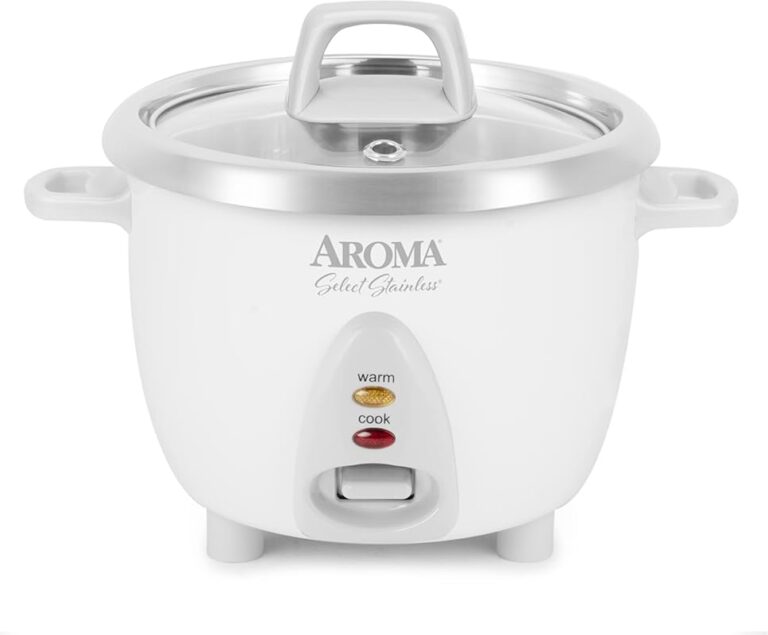
Quick Rice Cooker Lid Cleaning Tutorial for Perfect Results

Keeping your rice cooker lid clean is essential for perfect-tasting rice and a longer appliance life. This guide shows you simple methods to remove stubborn rice residue, mineral deposits, and cloudy film. You’ll learn basic and deep cleaning techniques that work for any lid type.
Key Takeaways
- Gather the right tools: You only need dish soap, soft sponges, vinegar, and baking soda for effective rice cooker lid cleaning.
- Never clean a hot lid: Always let the lid cool completely to avoid warping or injury during cleaning.
- Disassemble carefully: Remove detachable parts like steam vents and rubber gaskets to clean every nook and cranny.
- Rinse immediately after use: Quick rinsing prevents rice starch from baking onto the lid and makes cleaning much easier.
- Use gentle methods first: Start with mild soap and water before trying abrasive cleaners or vinegar solutions.
- Dry thoroughly before reassembly: Moisture trapped in the lid can cause mold and affect your rice flavor.
Why Rice Cooker Lid Cleaning Matters
Your rice cooker lid takes a beating every time you cook. Steam carrying rice starch, minerals from water, and tiny food particles create a film that builds up over time. This buildup does more than look bad—it can actually affect how your rice tastes and even cause unpleasant odors. A dirty lid may also seal poorly, leading to uneven cooking or messy boil-overs. Regular rice cooker lid cleaning ensures your appliance works efficiently and your rice tastes fresh every single time. Plus, it’s one of the easiest kitchen tasks you can master in just minutes.
If you’ve ever noticed a strange smell when cooking rice or found that your grains stick together more than usual, your lid probably needs attention. Many people focus on the inner pot while forgetting the lid, but it’s just as important for perfect results. Think of it this way: every time steam escapes, it leaves behind residue that accumulates like plaque on your teeth. Without regular cleaning, you’re essentially re-cooking that old residue with your fresh rice.
Whether you use your rice cooker daily for white rice, brown rice, or even rice and beans recipes, this guide will show you exactly how to keep it sparkling clean. You don’t need expensive cleaners or special tools—just everyday items you already have in your kitchen.
What You’ll Need for Rice Cooker Lid Cleaning
Before you start, gather these simple supplies. Having everything ready makes the process faster and more effective.
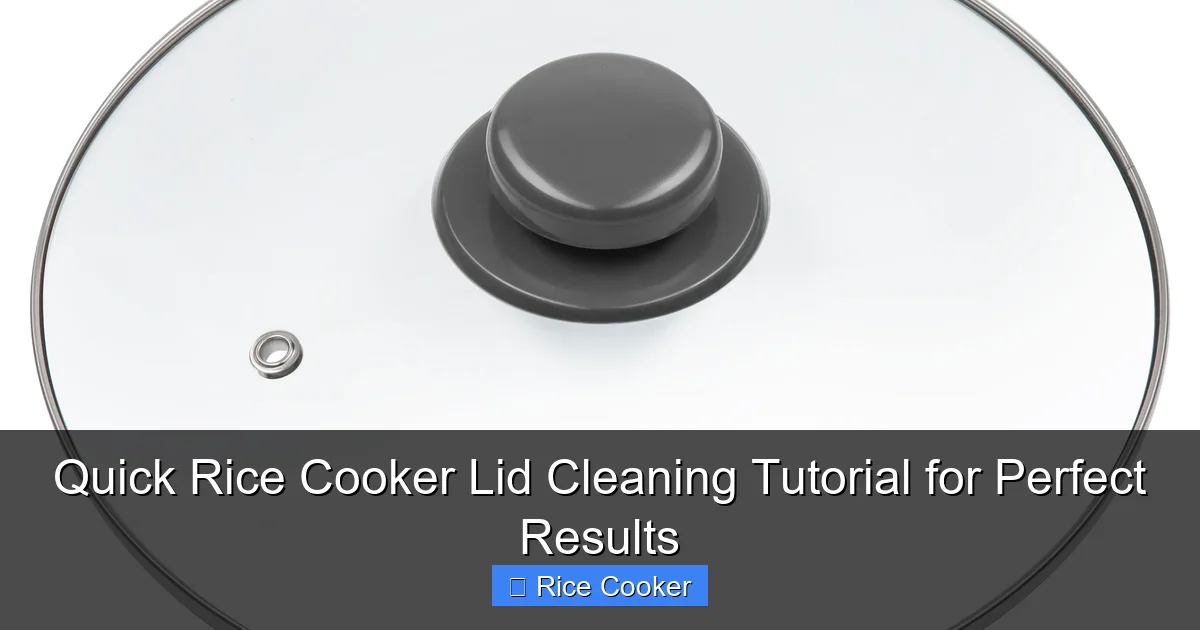
Visual guide about Quick Rice Cooker Lid Cleaning Tutorial for Perfect Results
Image source: sencor.com
- Mild dish soap (avoid harsh degreasers)
- Soft sponge or dishcloth (no steel wool)
- Non-abrasive scrub brush or old toothbrush
- White vinegar (for mineral deposits)
- Baking soda (for tough stains)
- Clean, dry towels
- Small bowl for cleaning solution
- Cotton swabs (for tight spaces)
Most rice cooker lids are made of either stainless steel, plastic, or glass. Knowing your lid type helps you choose the right cleaning method. Check your manual if you’re unsure. The good news is that the basic rice cooker lid cleaning process works for all materials—you just need to adjust your approach for delicate surfaces.
Safety First: Before You Start Cleaning
Always unplug your rice cooker and let it cool completely. A hot lid can warp when exposed to cold water, and you risk serious burns. This simple step prevents damage and keeps you safe.
Visual guide about Quick Rice Cooker Lid Cleaning Tutorial for Perfect Results
Image source: decor.com.au
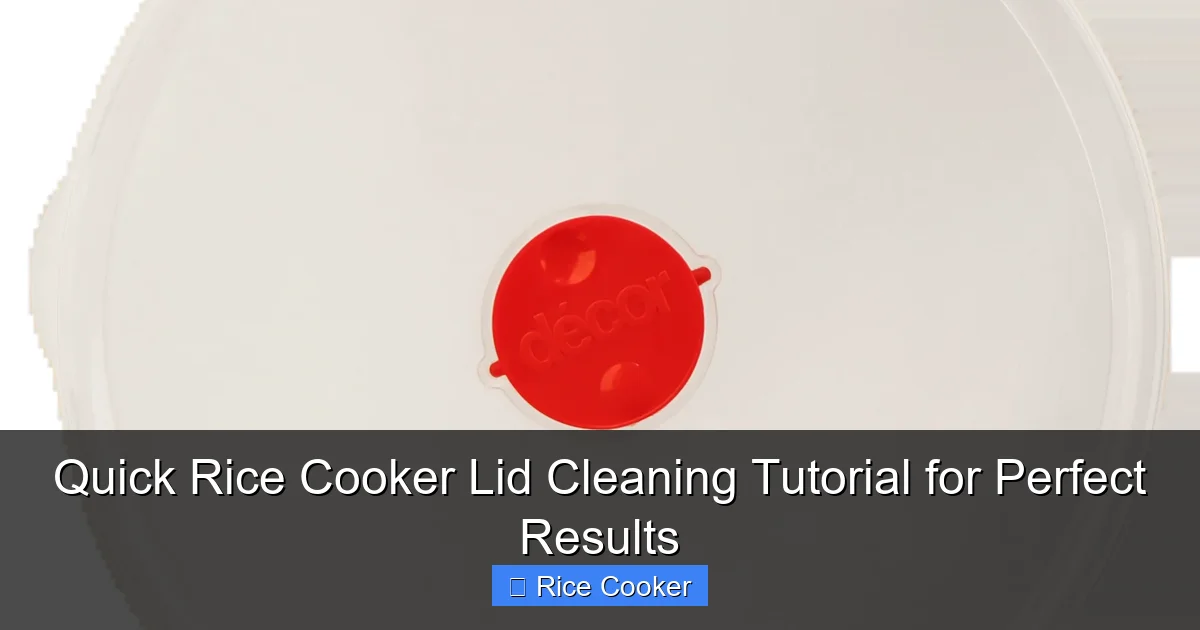
Remove the inner pot and any detachable lid parts. Most lids have removable steam vents, pressure valves, or rubber gaskets. Take photos as you disassemble to make reassembly easier. These small parts trap the most gunk, so cleaning them separately is crucial for thorough rice cooker lid cleaning.
Work in a well-lit area with good ventilation. This helps you spot residue and prevents cleaning solution fumes from building up. Lay out a towel to place parts on—it keeps your counter clean and provides a soft surface that won’t scratch your lid.
Basic Rice Cooker Lid Cleaning Method
This method works for regular maintenance and light buildup. Do this after every 3-4 uses to prevent stubborn stains from forming.
Visual guide about Quick Rice Cooker Lid Cleaning Tutorial for Perfect Results
Image source: diyjoy.com
Step 1: Remove Loose Debris
Take the lid to your sink and gently tap it over the trash can to dislodge any loose rice particles. Run your finger along the inner surface to feel for rough spots. Don’t scrub yet—just remove the easy stuff first. This prevents you from grinding debris into the surface later.
Step 2: Apply Mild Cleaning Solution
Mix a few drops of dish soap with warm water in a bowl. Dip your soft sponge into the solution and apply it to the lid’s interior surface. Focus on areas with visible film or starch buildup. Let the soapy water sit for 3-5 minutes to loosen residue. This dwell time makes scrubbing easier and more effective.
Step 3: Gently Scrub All Surfaces
Use your sponge to wipe the lid in circular motions. Pay special attention to the edges where the lid meets the pot, as this area collects the most starch. For tight corners and around the steam vent hole, use a soft-bristled brush or an old toothbrush. Never use abrasive pads on non-stick or plastic surfaces—they’ll scratch and create more places for gunk to hide.
Step 4: Clean Detachable Parts Separately
Your steam vent and rubber gasket need individual attention. These parts often have small holes that clog with rice starch. Hold them under running water while gently scrubbing with your toothbrush. For the rubber gasket, check both sides and feel for any trapped particles. A clogged steam vent can cause pressure issues and messy overflows, so this step is essential for proper rice cooker function.
Step 5: Rinse Thoroughly
Rinse the lid under lukewarm water until all soap residue disappears. Any leftover soap can transfer to your rice and create off-flavors. Check for slippery spots—that’s how you know soap is still present. Pay extra attention to crevices where the lid hinges or seals.
Step 6: Dry Completely Before Reassembly
Use a clean, dry towel to wipe the lid inside and out. Then place it in a well-ventilated area to air-dry completely. Moisture left on the lid can lead to mold growth, especially around the rubber gasket. This final drying step is crucial—don’t rush it. Make sure every part, especially the steam vent, is 100% dry before putting your rice cooker back together.
Deep Cleaning for Stubborn Buildup
When basic cleaning doesn’t cut it, you need a deeper approach. Try these methods for tough stains, mineral deposits, or burnt-on rice.
For Mineral Deposits and Cloudy Film
Hard water leaves white, chalky deposits that soap can’t remove. Fill a sink or large bowl with equal parts white vinegar and warm water. Submerge the lid completely and let it soak for 30 minutes. The vinegar’s acidity breaks down mineral buildup without damaging the surface. After soaking, scrub gently with your soft brush. For really tough spots, make a paste of baking soda and water and apply it directly to the deposits. Let it sit for 10 minutes before scrubbing.
This method also works for glass lids that develop a cloudy film from starch and minerals. The vinegar soak restores clarity and prevents that cloudy appearance from becoming permanent. After cleaning, rinse thoroughly to remove any vinegar taste.
For Burnt Rice Residue
Sometimes rice boils over or sticks to the lid. For these stubborn spots, you need a stronger approach. Make a paste using three parts baking soda to one part water. Apply it generously to the burnt areas and let it sit for at least an hour. For really tough cases, leave it overnight.
After the paste has worked its magic, gently scrub with your non-abrasive brush. The baking soda acts as a mild abrasive that lifts burnt material without scratching. If residue remains, carefully use a plastic scraper or the edge of a credit card to lift it off. Never use metal tools that could damage the lid surface.
For Sticky Rice Starch Buildup
Rice starch creates a glue-like film that seems impossible to remove. The key is hot water and patience. Boil a small pot of water and hold the lid over the steam for 3-5 minutes. The steam softens the starch, making it easy to wipe away. Then immediately apply your soapy solution and scrub while the lid is still warm.
Alternatively, fill a sink with the hottest water your lid material can handle. Let it soak for 15 minutes, then scrub. The heat breaks down the starch molecules, turning that sticky mess into easy-to-remove gunk. This technique works wonders for lids that have been neglected for months.
Special Care for Different Lid Types
Not all lids are created equal. Adjust your approach based on your lid’s material to avoid damage.
Non-Stick Coated Lids
Many modern rice cookers have non-stick lid interiors. These require the gentlest care. Use only soft cloths or sponges—never anything abrasive. Avoid vinegar solutions as they can degrade the coating over time. Stick to mild soap and warm water. If you must remove tough stains, use the baking soda paste method but reduce the soaking time to 15 minutes maximum.
After cleaning, apply a tiny drop of cooking oil to a paper towel and wipe the surface. This maintains the non-stick properties and prevents the coating from drying out. Store the lid upside down to protect the delicate surface from scratches.
Stainless Steel Lids
Stainless steel is durable and handles all cleaning methods well. For best results, always clean in the direction of the grain to avoid streaks. Use vinegar solutions freely to remove water spots and mineral deposits. For burnt-on rice, you can carefully use a plastic scrubber without fear of damage.
To keep your stainless steel lid shiny, finish with a quick wipe using a 50/50 vinegar-water spray followed by a dry towel buff. This prevents water spots and maintains that showroom look.
Plastic and Glass Lids
Plastic lids can absorb odors and stains. After basic cleaning, deodorize by wiping with a vinegar-water solution (1:3 ratio). Let it air dry completely to remove any lingering smells. For cloudy plastic, use the vinegar soak method described above.
Glass lids are the most forgiving but also the most fragile. Avoid extreme temperature changes that can cause cracking. Never use abrasive cleaners that scratch glass. The vinegar soak method works perfectly for glass, restoring clarity without damage.
Troubleshooting Common Rice Cooker Lid Issues
Even with proper cleaning, you might encounter some problems. Here’s how to handle them.
My Lid Still Looks Dirty After Cleaning
If residue persists, you’re likely dealing with baked-on starch or mineral deposits that need longer soaking. Try the deep cleaning methods above. For small holes in steam vents, use a cotton swab dipped in vinegar to clean them out. Sometimes the issue is actually the inner pot—check out our guide on how to cook rice perfectly every time for tips on preventing overflow that causes lid buildup.
The Lid Has Deep Scratches
Scratches are inevitable over time, but deep ones can trap bacteria and affect cooking. For non-stick lids with deep scratches, consider replacing the lid for safety. For stainless steel, you can lightly sand the area with fine-grit sandpaper (2000+ grit) to smooth it, then polish with a stainless steel cleaner.
My Rice Tastes Odd Even With a Clean Lid
An odd taste usually means residue in hard-to-reach areas. Remove the rubber gasket and steam vent and clean them separately. Check for mold or mildew around the gasket—this is a common culprit. Soak these parts in a vinegar solution for an hour. If the problem persists, your inner pot might need attention, or you could be using too much water for your rice type. Different grains require different ratios—our types of rice guide explains the perfect water-to-rice ratios for each variety.
The Lid Won’t Seal Properly After Cleaning
This usually happens when the rubber gasket isn’t seated correctly or has shifted during cleaning. Remove the gasket and reinsert it, making sure it sits flat in its channel. Check for twists or folds. If the gasket is old and brittle, it may need replacement. A proper seal is crucial for pressure cooker functions and even cooking.
Preventive Maintenance Tips
An ounce of prevention is worth a pound of cure. These simple habits keep your lid clean longer and reduce deep cleaning frequency.
Rinse your lid with hot water immediately after each use. This simple step removes starch before it hardens. Keep a dedicated sponge by your sink just for the rice cooker—it’s quicker than waiting for the right tool.
Once a month, do a vinegar wipe-down even if the lid looks clean. This prevents mineral buildup and keeps everything fresh. Store your rice cooker with the lid slightly ajar to allow air circulation and prevent musty odors.
Consider using filtered water if you have hard water. This dramatically reduces mineral deposits on both the lid and inner pot. The small investment pays off in less frequent deep cleaning.
Finally, keep a cleaning log. Note when you last deep-cleaned the lid. Most manufacturers recommend deep cleaning every 30-40 uses. Mark your calendar so you never forget.
Conclusion: Enjoy Perfect Rice Every Time
Mastering rice cooker lid cleaning is simpler than you thought. With these techniques, you’ll spend less time scrubbing and more time enjoying perfectly cooked rice. Remember, a clean lid means better flavor, fewer cooking problems, and a longer life for your appliance.
Start with the basic method for regular maintenance, then move to deep cleaning when needed. Your rice will taste noticeably fresher, and you’ll avoid those frustrating boil-overs and uneven cooking. Plus, you’ll save money by extending your rice cooker’s lifespan.
Now that your lid is spotless, why not try a new recipe? Our easy rice and beans recipe is perfect for testing your clean rice cooker. You’ll taste the difference that proper maintenance makes with every delicious bite.
🎥 Related Video: Opening the lid of the electric rice cooker, cleaning
📺 Tamo Krup