Essential Rice Cooker for Dorm Rooms Guide Small Spaces

Discover how a rice cooker can transform your dorm cooking experience. This guide covers everything from selecting the perfect compact model to preparing healthy meals in tight spaces. You’ll learn setup tips, safety essentials, and simple recipes that make dorm life easier.
Key Takeaways
- Size is crucial: Choose a 1-2 cup capacity rice cooker for dorm rooms to save counter space and avoid wasting food
- Safety first: Look for auto-shutoff features and keep your rice cooker away from flammable materials
- Simple setup: Place your cooker on a stable, heat-resistant surface with proper ventilation
- Easy cleaning: Clean the inner pot after each use to prevent sticky rice buildup and odors
- Versatile use: Beyond rice, cook oatmeal, steam veggies, and make one-pot meals with the same device
- Perfect rice every time: Use the 1:1.5 rice-to-water ratio for most white rice varieties
Introduction: Why a Rice Cooker is Your Dorm Room Essential
College life means tight spaces, tight budgets, and tight schedules. A rice cooker for dorm rooms solves all three problems at once. This single appliance can produce healthy meals, save you money on dining hall food, and work while you focus on studying.
In this guide, you’ll learn exactly how to pick, set up, and use a rice cooker in your dorm. We’ll cover safety requirements, space-saving tips, and simple recipes that require minimal ingredients and effort. By the end, you’ll wonder how you ever managed without one.
Why You Need a Rice Cooker in Your Dorm Room
Dorm cooking presents unique challenges. Most rooms lack full kitchens. You might have a mini-fridge and microwave at best. A rice cooker fills the gap perfectly. It requires no stove access, uses minimal electricity, and operates safely while you sleep or study.
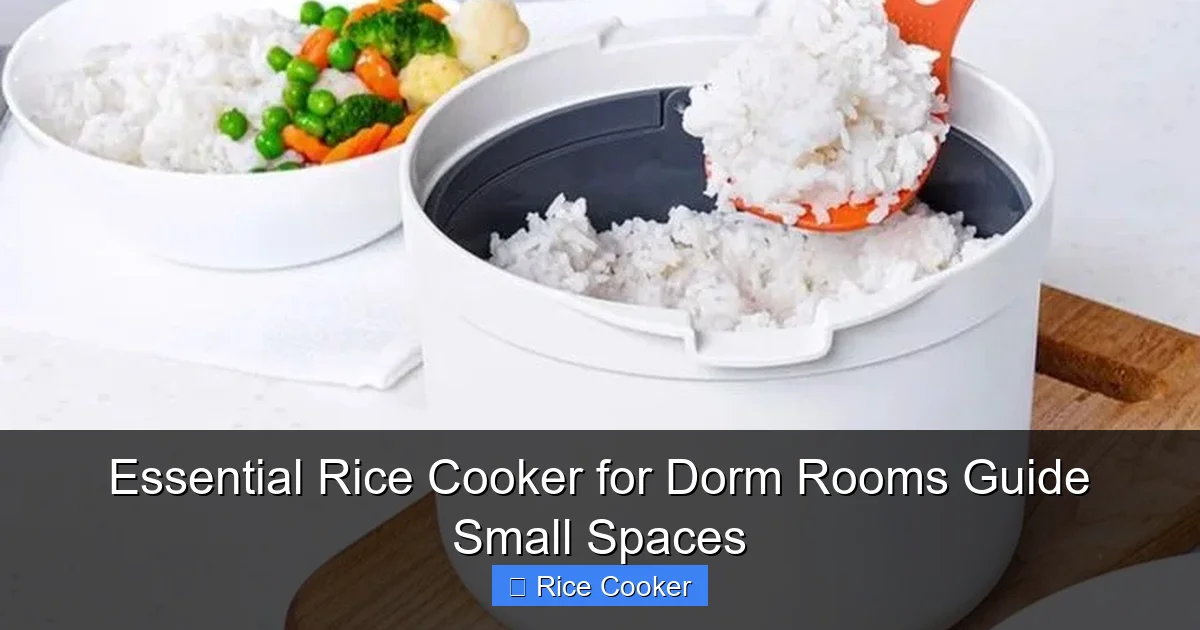
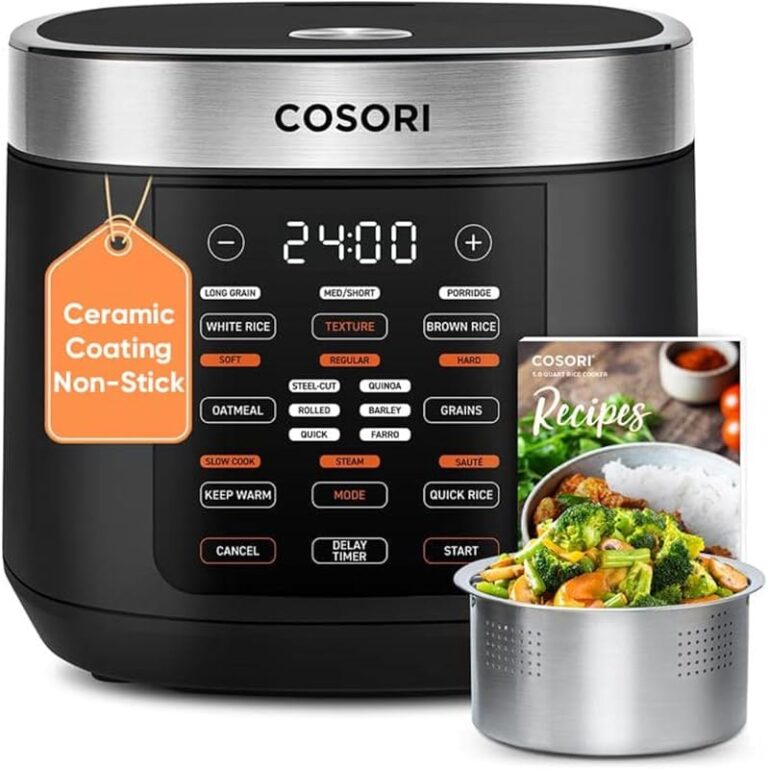
Visual guide about Essential Rice Cooker for Dorm Rooms Guide Small Spaces
Image source: i.pinimg.com
These devices aren’t just for rice anymore. Modern compact rice cookers steam vegetables, cook oatmeal, and even prepare simple proteins. For under $30, you gain access to hot, homemade meals without leaving your room.
Choosing the Perfect Rice Cooker for Your Dorm Space
Size Matters: Compact vs. Multi-Functional
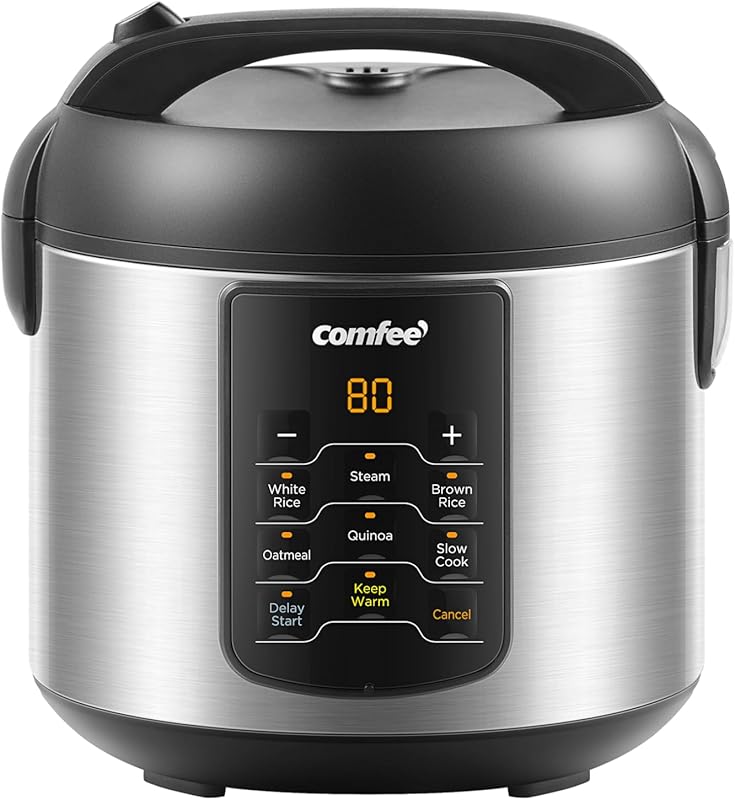
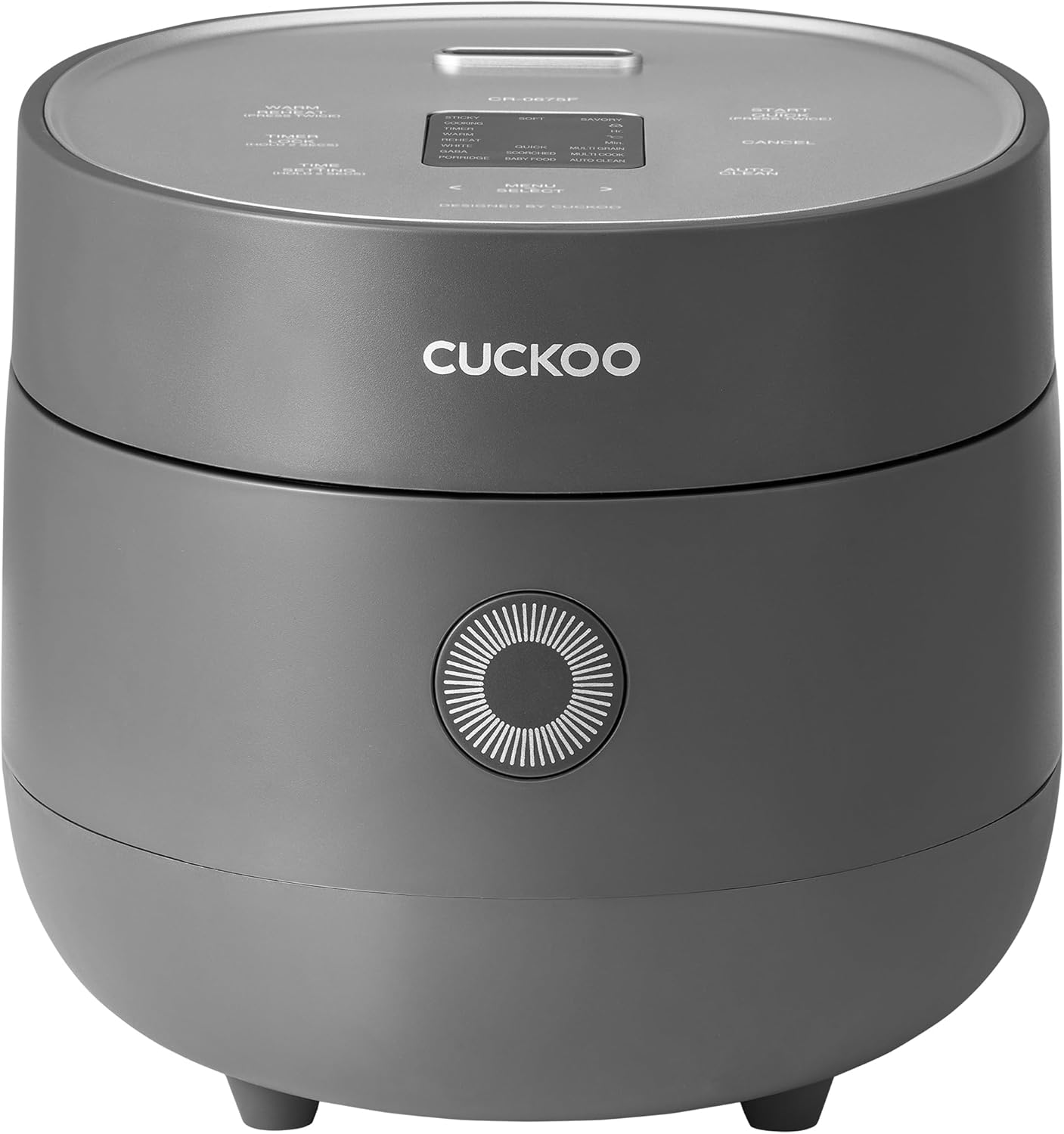
For dorm rooms, smaller is almost always better. Look for models with 1-2 cup uncooked rice capacity. This serves 2-4 meals for one person. A 1-cup model stands about the size of a coffee maker, fitting easily on a desk or shelf.
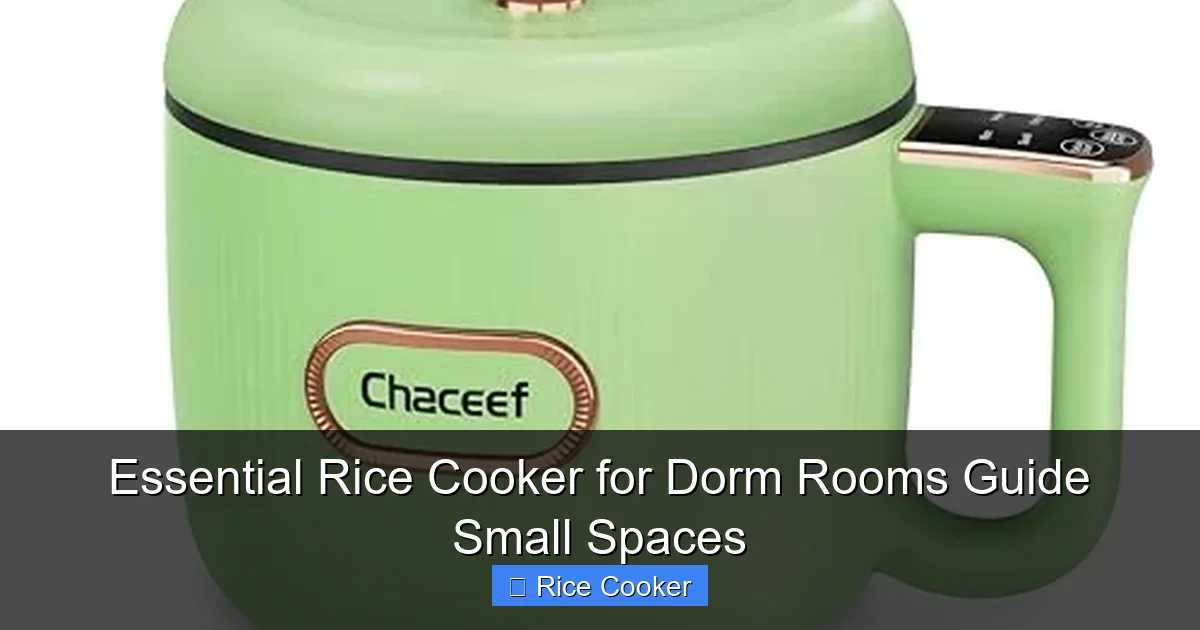
Visual guide about Essential Rice Cooker for Dorm Rooms Guide Small Spaces
Image source: m.media-amazon.com
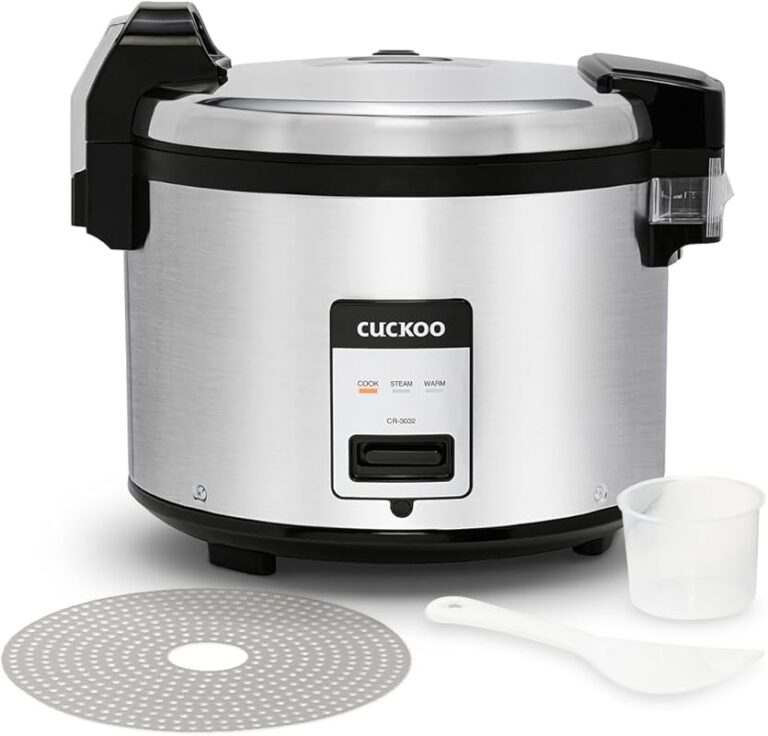
Avoid large 6-10 cup cookers. They take up precious counter space and waste energy cooking small portions. Compact models use less power and heat up faster, perfect for dorm electrical systems.
Power Consumption and Dorm Safety
Most dorms restrict high-wattage appliances. Standard rice cookers use 200-400 watts, well below typical 1500-watt limits. Check your dorm’s specific rules before purchasing.
Look for these safety features:
- Auto-shutoff when cooking completes
- Cool-touch exterior surfaces
- Built-in steam vents that prevent overflow
- UL certification for electrical safety
Never buy a used rice cooker with a frayed cord or damaged lid. Dorm fires can start from faulty appliances.
Key Features to Look For
Essential features for dorm use include:
- Non-stick inner pot: Cleans easily with just water and a sponge
- Keep-warm function: Keeps rice ready to eat when you return from class
- Measuring cup and scoop: Helps perfect portions without dirtying extra dishes
- Removable cord: Stores compactly in small spaces
Skip fancy features like fuzzy logic or multiple menu settings. They increase cost without adding dorm-friendly benefits.
Setting Up Your Rice Cooker in a Small Space
Finding the Right Spot
Place your rice cooker on a stable, heat-resistant surface. Countertops work best. If you lack counter space, use a sturdy desk or table away from walls. Keep at least 6 inches of clearance on all sides for steam ventilation.
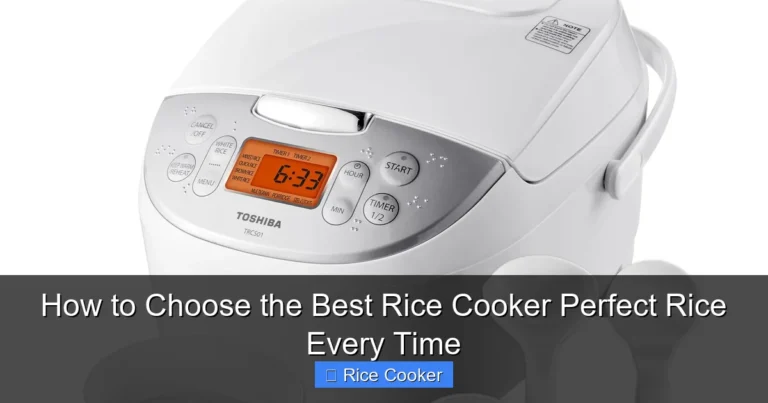
Visual guide about Essential Rice Cooker for Dorm Rooms Guide Small Spaces
Image source: pixelfy.me
Never place your rice cooker near curtains, bedding, or paper. Steam can damage these materials and create fire hazards. Avoid positioning it above electronics or your laptop.
Organizing Your Cooking Area
Create a simple cooking station with these items:
- A small cutting board for basic food prep
- One or two containers for rice and water
- A sponge and dish soap for quick cleaning
- A towel to handle hot surfaces
Store your rice cooker on a shelf when not in use. The removable cord makes this easy. Keep rice and seasonings in a nearby drawer for grab-and-go cooking.
Basic Rice Cooking: Your First Batch
Measuring Rice and Water
Perfect rice starts with proper measuring. Use the cup that comes with your rice cooker—never a standard kitchen cup. The ratio varies by rice type:
- White rice: 1 cup rice to 1.5 cups water
- Brown rice: 1 cup rice to 2 cups water
- Quick rice: 1 cup rice to 1.25 cups water
Rinse rice in a fine-mesh strainer before cooking. This removes excess starch and prevents gummy texture. For more details on rice varieties, check out our Types of Rice and Best Uses Guide.
Step-by-Step Cooking Process
Follow these simple steps for perfect rice every time:
- Add rinsed rice to the inner pot
- Pour in the correct amount of water
- Place the pot back into the cooker
- Close the lid securely
- Press the cook button
- Wait 20-30 minutes for the auto-shutoff
- Let it sit for 5 minutes before opening
- Fluff with the included scoop
The How to Cook Rice Perfectly Every Time guide provides additional tips for different rice types.
Beyond Rice: Other Dorm-Friendly Recipes
Steamed Vegetables
Most rice cookers include a steaming basket. Use it to cook frozen vegetables without boiling water or dirtying pots. Add 1-2 tablespoons of water to the pot, place veggies in the basket, and steam for 5-10 minutes.
Try broccoli, carrots, or green beans. Season with salt, pepper, and a dash of soy sauce for flavor. This makes a perfect side dish for your rice.
One-Pot Meals
Create complete meals by adding ingredients directly to the rice. Try this simple formula:
- Rice + water + protein (canned chicken, tofu cubes)
- Rice + water + vegetables (frozen mixed veggies)
- Rice + water + seasoning (soy sauce, curry powder)
For a hearty meal, try our Easy Rice and Beans Recipe. It requires just three ingredients and cooks in one pot.
Quick Oatmeal
Cook instant oatmeal in your rice cooker for hot breakfasts. Use a 1:2 ratio of oats to water or milk. Add toppings like banana slices, cinnamon, or peanut butter after cooking.
This method frees up your microwave for other tasks and keeps breakfast warm until you’re ready to eat.
Cleaning and Maintenance Tips
Daily Cleaning Routine
Clean your rice cooker after every use. Remove the inner pot and wash it with warm, soapy water. Wipe the inside of the cooker with a damp cloth—never immerse the base in water.
For stuck-on rice, soak the pot in warm water for 10 minutes. Use a non-abrasive sponge to avoid scratching the non-stick coating. Dry everything completely before reassembling.
Deep Cleaning Monthly
Once a month, deep clean your rice cooker to remove mineral deposits and odors. Fill the pot with equal parts water and white vinegar. Run a full cooking cycle. Then rinse thoroughly with clean water and run another cycle.
Clean the steam vent with a toothpick or small brush to prevent clogs. Check the cord for any damage before each use.
Troubleshooting Common Issues
Rice is too sticky: You likely used too much water or skipped the rinsing step. Reduce water by 2 tablespoons next time and always rinse rice thoroughly.
Rice is too hard: Add 2-3 extra tablespoons of water. Brown rice and wild rice need more liquid and longer cooking times.
Rice cooker won’t turn on: Check that the cord is fully inserted. Try a different outlet. If it still fails, stop using it—there may be an electrical problem.
Steam is leaking from the lid: Ensure the lid is closed properly. Check that the steam vent isn’t blocked. Don’t overfill the pot beyond the max line.
Food smells burnt: Clean the heating plate with a dry cloth. Burnt bits from previous cooking can stick to the element and burn new food.
Safety Tips for Dorm Cooking
Follow these safety rules to protect yourself and your dorm mates:
- Never leave your rice cooker unattended while cooking
- Unplug the unit immediately after use
- Keep the area around the cooker clear of books, papers, and clothing
- Don’t place the cooker near the edge of tables where it could fall
- Report any electrical issues to dorm maintenance immediately
Review our Kitchen Safety Tips for Home Cooks for more detailed safety advice that applies to dorm cooking.
Conclusion: Transform Your Dorm Life
A rice cooker for dorm rooms is one of the smartest investments you can make. It provides hot, healthy meals without requiring kitchen access or culinary skills. The compact size fits any dorm layout, and the simple operation means you can cook while studying or sleeping.
Start with basic rice dishes, then experiment with one-pot meals and steamed vegetables. Clean your cooker regularly to extend its life. Before you know it, you’ll save money, eat better, and enjoy college life more.
Your dorm room isn’t just a place to sleep—it’s your home. Make it work for you with a simple, reliable rice cooker.