Fresh vs Frozen Vegetables – Which Is Healthier, Tastier & Cheaper? Backed by Science

You want a clear answer: frozen and fresh vegetables can both be healthy choices, and which is better depends on what matters most to you — nutrition, cost, taste, or convenience. I’ll help you pick the best option for your meals and budget, drawing on facts about how vegetables are harvested, stored, and cooked.
I’m Emma Reed, and I write practical food guides so you can shop smarter and waste less. I’ll show how frozen veggies often lock in nutrients at peak ripeness, while fresh produce can shine when it’s local and eaten quickly. Choose frozen for reliable nutrition and convenience, and choose fresh when flavor and texture matter most.
Key Takeaways
- Frozen vegetables often keep nutrients well because they’re processed at peak ripeness.
- Fresh vegetables offer better texture and flavor when sourced locally and eaten soon.
- Pick vegetables based on cost, convenience, and how you plan to cook them.
Nutritional Value Comparison
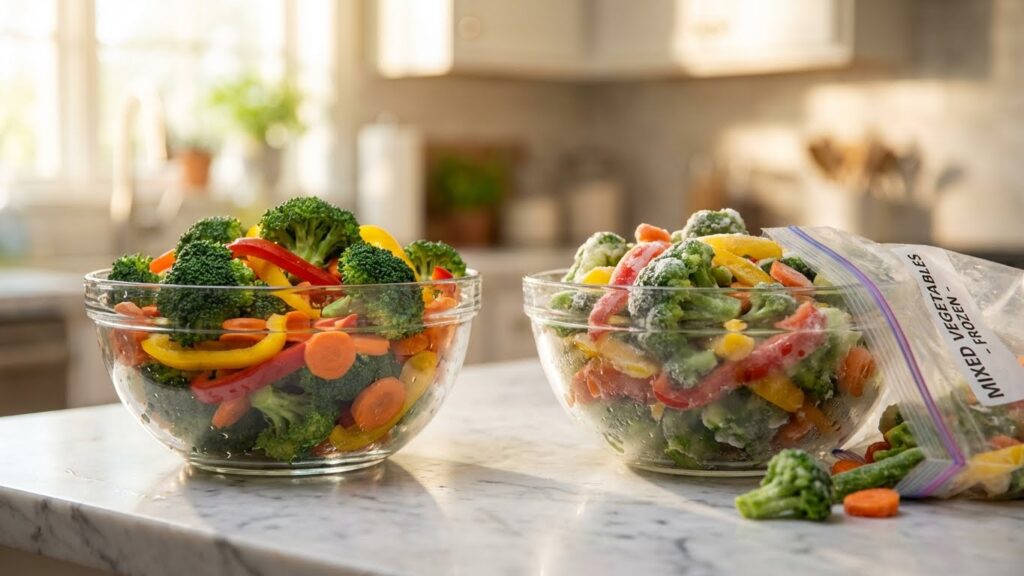
I lay out how nutrients change when vegetables are fresh or frozen, and which vitamins or minerals may differ most. I focus on what affects nutrient levels: time from harvest, how you store them, and how you cook them.
Nutrient Retention in Fresh Vegetables
Fresh vegetables keep the most nutrients when you eat them soon after harvest. I note that vitamins like C and some B vitamins start to decline within days after picking, especially if produce sits at room temperature.
How you store fresh veg matters. I recommend refrigerating leafy greens and storing root vegetables in a cool, dark place to slow nutrient loss. Washing just before use also helps preserve water-soluble vitamins.
Cooking reduces some nutrients. Steaming or microwaving for short times keeps more vitamins than boiling. I also point out that local, seasonal produce picked ripe often has higher nutrient levels than supermarket items that traveled long distances.
Nutrient Retention in Frozen Vegetables
Frozen vegetables are usually blanched then frozen within hours of harvest, which preserves many nutrients. I explain that blanching inactivates enzymes that cause nutrient loss, and quick-freezing locks nutrients in place.
Some heat-sensitive vitamins, like vitamin C, may drop slightly during blanching. But long storage at home in the freezer causes little additional vitamin loss for months. Frozen vegetables often retain equal or better levels of certain nutrients compared with fresh produce that has been stored for several days.
Frozen veg also reduces waste and ensures you have ready-to-cook portions. I recommend checking ingredient lists for added salt, sugar, or sauces that can change the nutrition profile.
Vitamin and Mineral Differences
Vitamin C and folate are the most likely to vary between fresh and frozen forms. I find that freshly picked, very recently eaten produce has the highest vitamin C and folate. However, if fresh vegetables sit several days before eating, frozen versions can have equal or higher levels.
Minerals like potassium, magnesium, iron, and calcium stay stable through freezing and blanching. I note that fiber content also remains largely unchanged by freezing. If a frozen product includes sauces, added sodium or sugars can alter mineral balance and calorie counts.
For best nutrient intake, I suggest choosing fresh vegetables eaten quickly or plain frozen vegetables without additives, then using short cooking methods to preserve sensitive vitamins.
Processing and Preservation Methods
I explain how vegetables move from field to plate, how freezing works, and what additives you might find. These steps affect taste, safety, and nutrients.
Harvesting and Transportation
I look for peak ripeness at harvest to lock in flavor and nutrients. For fresh produce, that often means picking just before full ripeness so items survive transport. Produce grown nearby and sold quickly usually keeps more vitamin C and fragile compounds than items shipped long distances.
Transportation matters a lot. Refrigerated trucks and fast delivery cut down on time at warm temperatures, which slows spoilage and nutrient loss. For farmers’ markets, the time from harvest to sale can be hours; for supermarket supply chains, it can be days or weeks.
Handling practices also affect quality. Bruising, rough packing, or long storage at room temperature speeds up decay. I check dates and look for firm texture and bright color when choosing fresh vegetables.
Freezing Techniques
I blanch most vegetables before freezing to stop enzymes that cause loss of color, flavor, and nutrients. Blanching is brief hot-water or steam treatment followed by rapid cooling. Done correctly, it preserves texture and slows vitamin breakdown.
After blanching, manufacturers freeze rapidly using methods like individual quick freezing (IQF). IQF forms small ice crystals, which reduce cell damage and help vegetables keep a firmer texture when cooked later. Slower freezing creates larger crystals and mushier vegetables.
Storage temperature and packaging matter too. Continuous storage at 0°F (-18°C) or colder keeps reactions slow. Vacuum-sealed or airtight packaging prevents freezer burn and moisture loss. I recommend checking labels for “IQF” or similar terms when buying frozen vegetables.
Additives and Preservatives
I read ingredient lists because some frozen vegetables contain salt, sugar, or sauces. Plain frozen vegetables often list only the vegetable and maybe salt. Added sauces, butter, or seasonings raise calories and sodium.
Canned and some frozen vegetables may use ascorbic acid (vitamin C) or citric acid to preserve color. These additives are generally safe and used in small amounts. I avoid items with long ingredient lists or added sugars if I want a healthier choice.
Preservatives for fresh produce include wash treatments and modified-atmosphere packaging. These are designed to extend shelf life by slowing microbial growth and oxidation. I prefer minimal processing when I want the simplest product.
Taste and Texture Differences
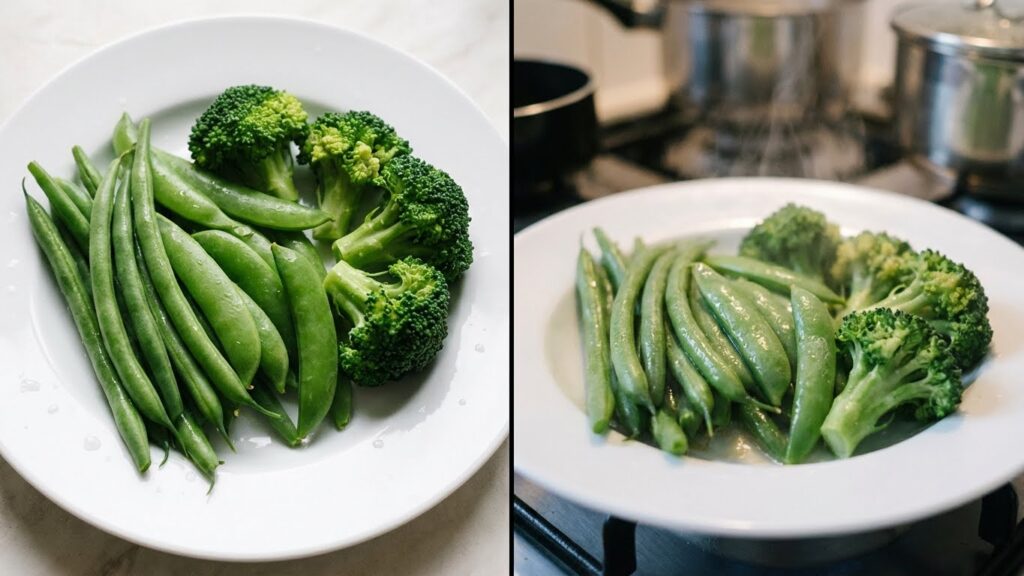
I compare how freezing changes flavor and how storage affects bite and mouthfeel. Below I focus on practical differences you will notice when cooking or eating fresh versus frozen vegetables.
Impact of Freezing on Flavor
I find that freezing mostly preserves flavor by locking in compounds soon after harvest. Vegetables like peas, corn, and green beans are usually blanched and flash-frozen within hours, which keeps sugars and savory notes close to peak levels. That means frozen peas can taste sweeter than supermarket fresh peas that sat for days.
Some vegetables lose volatile aromatics during blanching or thawing. Leafy greens and herbs often taste blander after freezing because the delicate oils dissipate. For more on nutrient and flavor retention linked to processing times, I refer readers to guidance from USDA and academic food science sites like the USDA Food Safety and Inspection Service.
When you cook frozen vegetables directly from the freezer, you often get stronger, consistent flavors than tired fresh produce that has softened or lost sugars.
Changes in Texture During Storage
Ice crystals form during freezing and can rupture cell walls. I notice this as softer, sometimes mushy texture in thawed cucumbers, lettuce, and tomatoes. Root vegetables and brassicas typically hold up better because their cells are firmer and lose less structure.
Storage time matters. Frozen vegetables stored properly at a constant -18°C (0°F) keep firmer texture than those that undergo thaw-refreeze cycles. Fresh vegetables stored too long lose turgor and crispness; a carrot left in the crisper drawer can become limp even though it hasn’t been frozen.
Cooking method also changes texture. Quick sauté or roasting of frozen broccoli yields a firmer bite than boiling, which can make both fresh and frozen versions soft. For practical tips on preserving texture and choosing cooking methods, I use resources from extension services like the National Center for Home Food Preservation.
Cost and Availability
I compare prices, seasonal shifts, and how easy it is to buy fresh or frozen vegetables so you can plan meals and budgets with less waste.
Price Variability by Season
I find fresh vegetables often cost less when they are in season locally. For example, tomatoes and zucchini can drop by 30–50% during summer at local markets. Supermarkets sometimes match those prices, but not always.
When vegetables are out of season, prices rise because of import, storage, or greenhouse costs. Spinach and berries can double in price in winter. Frozen vegetables usually stay steady because they were processed at peak ripeness and stored frozen, which avoids seasonal spikes.
I watch for sales and buy in bulk when fresh produce is cheap. Freezing extra fresh produce at home can cut costs but adds work and uses freezer space.
Year-Round Access
I rely on frozen vegetables for steady access to a wide variety any time of year. Peas, corn, mixed vegetables, and spinach are common frozen staples and cost less per serving than many off-season fresh items.
Fresh produce availability varies by region and store size. Large supermarkets and specialty stores stock imported or greenhouse-grown items year-round, but small shops may not. Frozen options require no special sourcing and have longer shelf life, which reduces food waste and repeated shopping trips.
I compare unit prices (per pound or per cup) and check labels for added salt, sugar, or sauces when choosing frozen. That keeps costs predictable and nutrition clear.
Environmental Impact
Carbon Footprint of Fresh vs Frozen
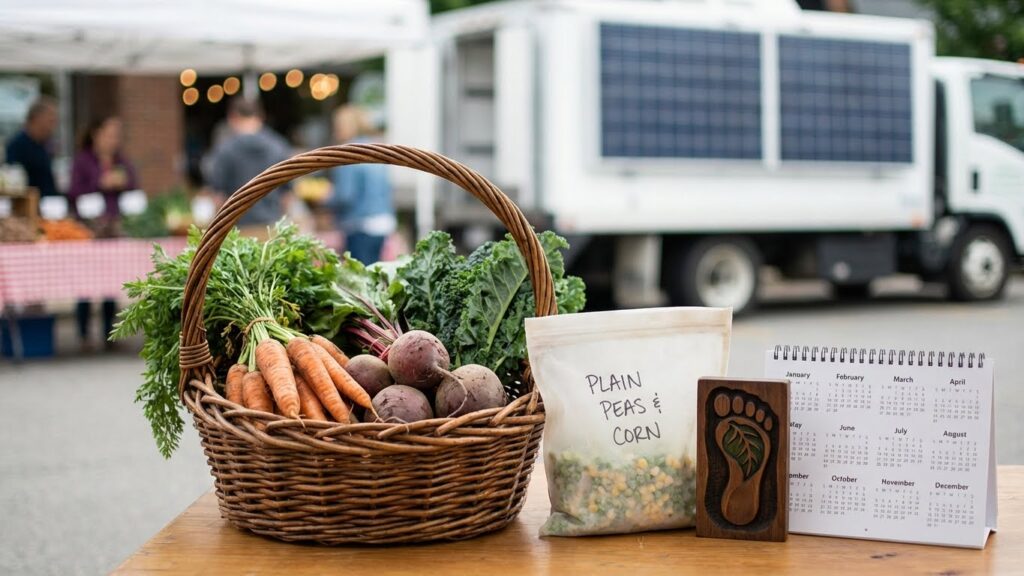
I compare carbon emissions, energy use, and food waste to help you choose the greener option. I look at how travel, storage, and waste change the footprint of both fresh and frozen vegetables.
Fresh vegetables grown locally often have the lowest carbon emissions because they avoid long-distance transport. I note that vegetables moved by air or truck from distant farms can add large transport emissions, especially out of season.
Frozen vegetables use energy to flash-freeze and store cold during transport and retail. I point out that freezing at peak ripeness can cut losses in field and may lock in nutrients, but the cold chain raises electricity use. For some crops, the extra storage energy is smaller than emissions from flying fresh produce long distances.
Key factors I weigh:
- Distance and mode of transport (air > truck > local truck)
- Energy source for freezing and storage (renewable vs fossil)
- Seasonality and local availability
Food Waste Considerations
Frozen vegetables usually reduce household waste because they last months instead of days. I find this can lower the overall environmental impact if consumers throw away fewer vegetables.
Fresh produce often spoils faster, especially leafy greens and berries. I note that spoilage at retail and home can be high for some items, which increases the effective carbon footprint per eaten portion.
Practical points I emphasize:
- Buy fresh only in season or locally to cut waste.
- Use small portions or store-cooked meals to avoid throwing food away.
- Choose frozen for items you use infrequently to reduce spoilage.
Convenience and Storage
I focus on how long vegetables last and how much work they take to cook or prep so you can pick what fits your routine and fridge space.
Shelf Life
Fresh vegetables last only days to a couple of weeks in the fridge. Leafy greens like spinach or lettuce usually go bad in 3–7 days. Hardier items such as carrots, cabbage, and potatoes can keep for 2–4 weeks if stored in crisper drawers or cool, dark places.
Frozen vegetables last months in the freezer. Most bags stay good for 8–12 months at 0°F (-18°C). I label bags with the date and use older items first. Freezing stops most spoilage but can change texture, so thawed vegetables are best for cooked dishes rather than salads.
Storage tips I use: keep fresh produce dry and wrapped loosely in paper towels, and keep frozen vegetables sealed and at a constant temperature. For more food-safety guidance, I follow USDA storage recommendations.
Preparation Time
Frozen vegetables cut prep time a lot. Many come blanched and chopped, so they go straight from bag to pan or microwave. That saves washing, trimming, and chopping. I often sauté frozen peas or mixed vegetables in 5–7 minutes for a quick side.
Fresh vegetables can take more time but give better texture in raw or lightly cooked dishes. Washing, peeling, and chopping can add 5–15 minutes per item. I plan extra time for root vegetables or for recipes where crispness matters.
Time-saving techniques I use: batch-chop fresh vegetables on one day, steam frozen veggies in the microwave, or roast fresh vegetables on a sheet pan for 20–30 minutes. For cooking tips and timing, I check trusted sources like the Academy of Nutrition and Dietetics.
Safety and Food Quality
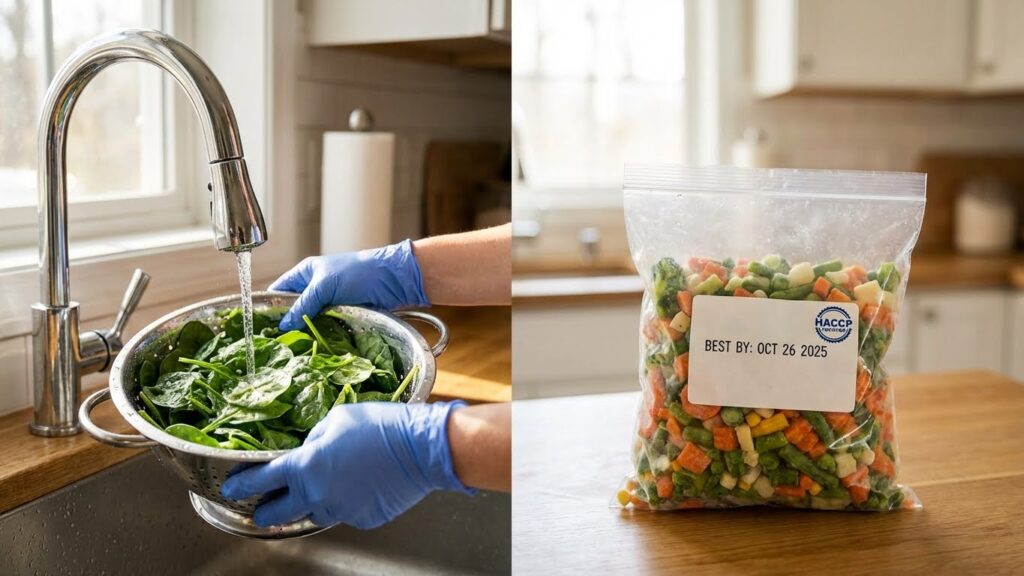
I focus on the main safety concerns and quality checks you should expect when choosing fresh or frozen vegetables. You will learn where contamination can occur and what standards control processing and storage.
Contamination Risks
I watch for three main contamination points: field, processing, and home handling. In the field, soil, irrigation water, or animal contact can introduce bacteria like E. coli or Salmonella. Growers use Good Agricultural Practices (GAPs) to lower this risk, but outbreaks still occur if practices slip.
At processing, frozen vegetables are usually blanched and flash-frozen, which reduces microbial load but does not sterilize produce. Cross-contamination can happen on equipment or via staff if sanitation lapses. I recommend checking product recalls and brand safety records before buying.
At home, storage and thawing matter. Keep fresh produce refrigerated at 40°F (4°C) and frozen items at 0°F (-18°C). Wash fresh veggies when ready to eat, and when using frozen vegetables, follow package cooking instructions to ensure heat kills remaining pathogens. For current recall information, I check the USDA and FDA recall pages.
Quality Assurance Standards
I look for certifications and testing data to judge quality. Frozen vegetable plants typically follow Hazard Analysis and Critical Control Points (HACCP) plans and must meet FDA and USDA standards for processing and labeling. These rules cover temperature control, equipment sanitation, and traceability.
Third-party audits and certifications — such as GlobalG.A.P. for farms or SQF/BRC for processors — offer extra assurance. Labels that state “flash-frozen at peak ripeness” often mean the product was frozen soon after harvest, preserving nutrients and texture. For fresh produce, local suppliers with documented cold-chain practices usually deliver better quality than long-shipped items.
When I shop, I read package dates, audit marks, and storage instructions. This helps me choose produce that meets safety standards and keeps quality from farm to plate.
FAQs
Is frozen or fresh better for cost and waste?
I find frozen usually costs less and lasts longer in the freezer. That helps reduce food waste and stretch your food budget.
Should I worry about added salt or sauces?
Yes — check labels. I avoid packages with added salt, sugar, or creamy sauces if I want plain vegetables. Plain frozen veggies give you control over flavor and sodium.
Can frozen replace fresh in recipes?
Often yes. I use frozen peas, corn, and spinach in soups, stews, and casseroles without problems. For raw salads or dishes where texture matters, fresh usually works better.
Do frozen vegetables affect environmental impact?
They can. I note that frozen produce may travel less and spoil less, which can lower waste. But packaging and energy for freezing matter too.
How should I store and cook them?
Keep frozen vegetables at a steady freezer temperature and use them before they show freezer burn. I cook most frozen vegetables straight from frozen; steaming, sautéing, or roasting work well.
Conclusion
I weigh both fresh and frozen vegetables as solid choices for a healthy diet. I find that frozen vegetables often match fresh ones in vitamins and minerals because they are picked at peak ripeness and frozen quickly.
I choose fresh when texture and flavor matter, like in salads or quick sautés. I pick frozen for soups, stews, and when I need convenience or lower cost.
I watch for added salt, sauces, or sugar in frozen options and for wilting or spoilage in fresh produce. I store both properly to keep nutrients and reduce waste.
I use a simple rule: pick what fits my meal, budget, and schedule. Mixing fresh and frozen helps me eat more vegetables with less stress.
I recommend checking labels and buying seasonal fresh produce when possible. I also suggest keeping a few frozen staples for busy days.