
Herbs vs Spices Explained – Uses, Flavor Differences, and Storage Tips Backed by Cooking Science

You might think herbs and spices are the same, but they come from different parts of plants and change how food tastes and smells. I’ll show you the simple difference and how to use each so your dishes get bolder, fresher, or more complex depending on what you pick. Herbs are the leafy green parts, while spices come from roots, seeds, bark, flowers, or fruit — and that difference shapes flavor, storage, and how you cook with them.
I’m Emma Reed, and I use both herbs and spices in my kitchen to get the exact flavor I want. We’ll walk through examples, storage tips, and quick ways to boost meals so you can spot what to add and when.
Key Takeaways
- Herbs come from the leafy parts of plants and give fresh, green flavors.
- Spices come from non-leafy parts and add strong, concentrated flavors.
- Proper use and storage make both last longer and taste better.
Defining Herbs and Spices
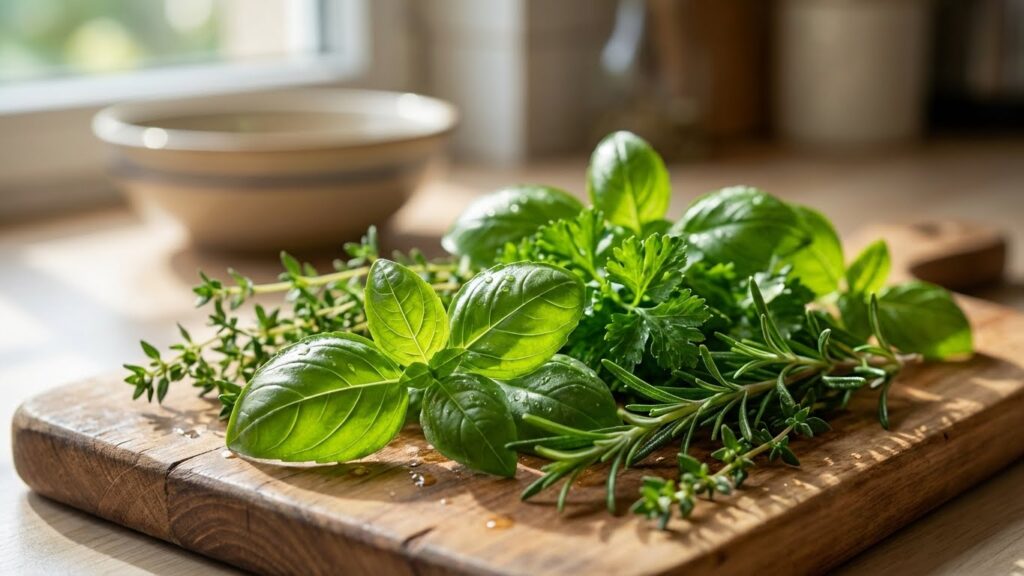
I’ll explain what herbs and spices are, how they differ, and which plant parts they come from. This helps you pick and use them correctly in cooking and seasoning.
What Are Herbs?
I define herbs as the leafy, soft parts of plants that chefs and cooks use for flavor, aroma, and garnish. Common examples I use often include basil, parsley, cilantro, rosemary, thyme, and oregano. I use fresh herbs to add brightness and subtle aroma near the end of cooking, or chopped raw as a finishing touch.
Herbs can be used fresh or dried. Fresh herbs give a green, mild taste; drying concentrates their flavor but can change the aroma. I note that some plants provide both herb and spice (for example, coriander leaves versus seeds).
What Are Spices?
I define spices as seasonings made from non-leafy parts of plants: seeds, roots, bark, berries, flowers, or fruit. Examples I use often include cinnamon (bark), turmeric and ginger (roots), cumin and coriander (seeds), and black pepper (berries). Spices usually come dried and ground or whole.
Spices provide stronger, more concentrated flavors than most herbs. I add spices early in cooking to bloom their oils and deepen the dish’s taste. They also store longer and can bring heat, warmth, or bitterness depending on the type.
Core Differences Between Herbs and Spices
- Source:
- Herbs = leafy green parts (basil, parsley).
- Spices = other plant parts (seeds, roots, bark, flowers).
- Flavor and use:
- Herbs = milder, fresh or finishing flavors.
- Spices = intense, often used early to develop flavor.
- Form and storage:
- Herbs = commonly fresh or dried; shorter shelf life when fresh.
- Spices = usually dried or ground; longer shelf life.
I pay attention to timing in recipes: add spices early to release oils, and add delicate herbs late to keep their aroma. I also watch quantities: spices need less by weight than herbs because they are more concentrated.
Botanical Origins
I explain how herbs and spices come from different parts of plants and why those parts shape flavor, aroma, and use. This matters when you pick, store, or cook with them.
Plant Parts Used for Herbs
Herbs come mainly from the green, leafy parts of plants. I focus on leaves and soft stems because they hold volatile oils that give fresh herbs like basil, cilantro, and parsley their bright flavors. Leaves are usually harvested at or just before flowering for best taste.
I also note that some plants used as “herbs” include flowers—like chamomile—and sometimes tender shoots. Fresh herbs wilt fast, so I recommend quick use or gentle drying to preserve aroma. For more on herb cultivation and uses, I often refer readers to resources like the USDA plant profiles and gardening guides.
Plant Parts Used for Spices
Spices originate from non-leafy parts: seeds, roots, bark, berries, and dried fruits. I point to examples: black pepper is a berry, cinnamon comes from bark, turmeric and ginger are roots, and cumin and coriander are seeds. These parts tend to contain denser, longer-lasting compounds, which is why spices keep flavor longer than fresh herbs.
Processing matters: drying, roasting, or grinding releases oils and changes taste. Whole spices stay fresher than ground, so I advise storing whole seeds and bark in airtight containers away from light. For technical details on spice oils and preservation, I often link to scientific or culinary sources such as the National Center for Complementary and Integrative Health.
Culinary Uses and Flavor Profiles
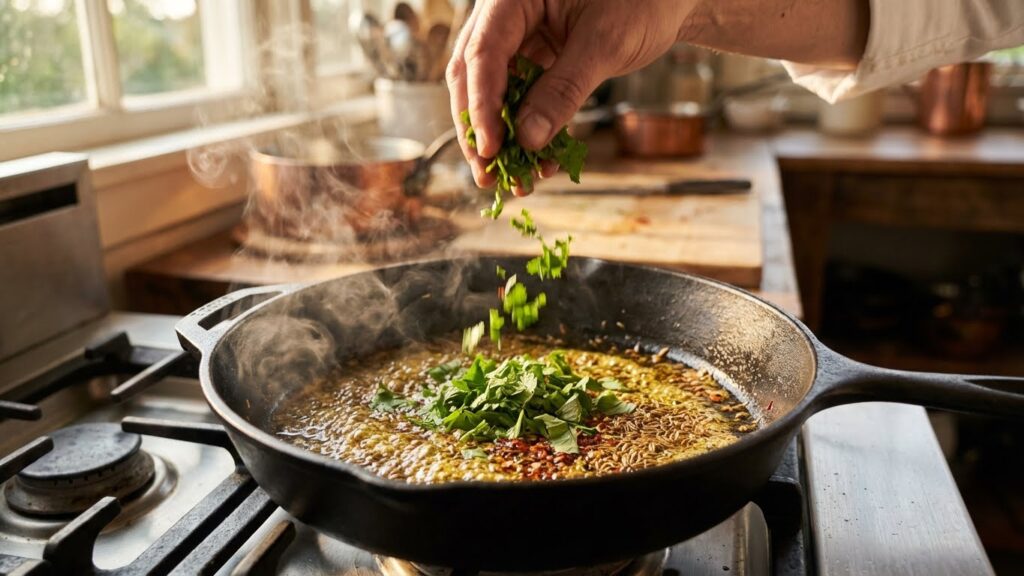
I focus on how herbs and spices shape dishes by flavor, timing, and technique. I explain when to add them, how they change during cooking, and what tastes they bring.
Using Herbs in Cooking
I use herbs mostly for fresh, bright flavor. I add basil, parsley, cilantro, or mint near the end of cooking or as a garnish to keep their volatile oils and green notes intact.
Fresh herbs pair well with salads, sauces, light soups, and finishing vegetables. Dried herbs like oregano, thyme, and rosemary work when simmered longer because they release flavor slowly and stand up to heat.
I balance herb amounts carefully: a tablespoon of fresh basil equals about a teaspoon dried. I chop tender herbs finely and bruise hardy sprigs to release aroma. I avoid cooking fresh herbs for long periods; the flavor will fade and turn dull.
Using Spices in Cooking
I rely on spices for concentrated, long-lasting heat and aroma. Whole spices such as cumin seeds, cardamom pods, and cinnamon sticks release oils when toasted briefly in a dry pan or heated in oil. Ground spices like turmeric, paprika, and chili powder add immediate, even color and flavor.
I add spices early in stews, braises, and curries so their flavors bloom into the fat and liquids. I temper spices in hot oil for a minute to unlock deeper aroma. For blends, I measure carefully—spices can overpower a dish quickly if added in excess.
Comparing Flavor Contributions
Herbs give fresh, green, and often slightly floral or citrusy notes. They brighten and lift a dish without adding strong heat. I use herbs to highlight main ingredients or provide a final aromatic lift.
Spices provide warmth, earthiness, heat, and sweetness. They form the backbone of complex profiles like garam masala or chili rubs. I mix herbs and spices to layer flavor: herbs on top for freshness, spices cooked in for depth.
- Herbs: best added late, subtle, volume by weight.
- Spices: best added early or toasted, intense, measured sparingly.
Processing and Preparation Methods
I focus on the careful steps that lock in flavor and keep herbs and spices safe to use. Small choices—when to pick, how to dry, and how to store—change taste a lot.
Harvesting and Drying Herbs
I harvest herbs like basil, parsley, and thyme when the leaves are fully formed but before the plant flowers for best flavor. I cut stems in the morning after the dew dries to avoid extra moisture.
For drying, I use a warm, well-ventilated spot out of direct sunlight. I tie small bundles and hang them upside down or lay single leaves on a mesh rack. Drying times vary: delicate herbs (cilantro, basil) take 1–3 days with a dehydrator at 95–115°F; sturdier herbs (rosemary, thyme) may take 3–7 days air-drying.
I store dried herbs in airtight glass jars, labeled with the date. I keep jars in a cool, dark place and use within 6–12 months for best aroma. I also freeze chopped herbs in oil or water in ice-cube trays to preserve fresh flavor.
Harvesting and Processing Spices
I harvest spices from seeds, roots, bark, and fruits—examples include black pepper (berries), cinnamon (bark), turmeric (root), and coriander (seeds). Timing matters: I pick pepper when berries reach the right ripeness, and I dig turmeric when the leaves yellow.
Processing steps depend on the spice. I clean and sun-dry or oven-dry roots and bark, then grind when fully dry. For seeds like cumin or coriander, I dry them, then often toast briefly to boost oils before grinding. Some spices, like vanilla, require months-long curing after harvesting.
I grind spices in small batches to keep oils fresh and store them in airtight, opaque containers. I label with the grind date and prefer whole spices when possible because they last 2–4 years versus 6–12 months for ground forms.
Common Examples and Applications
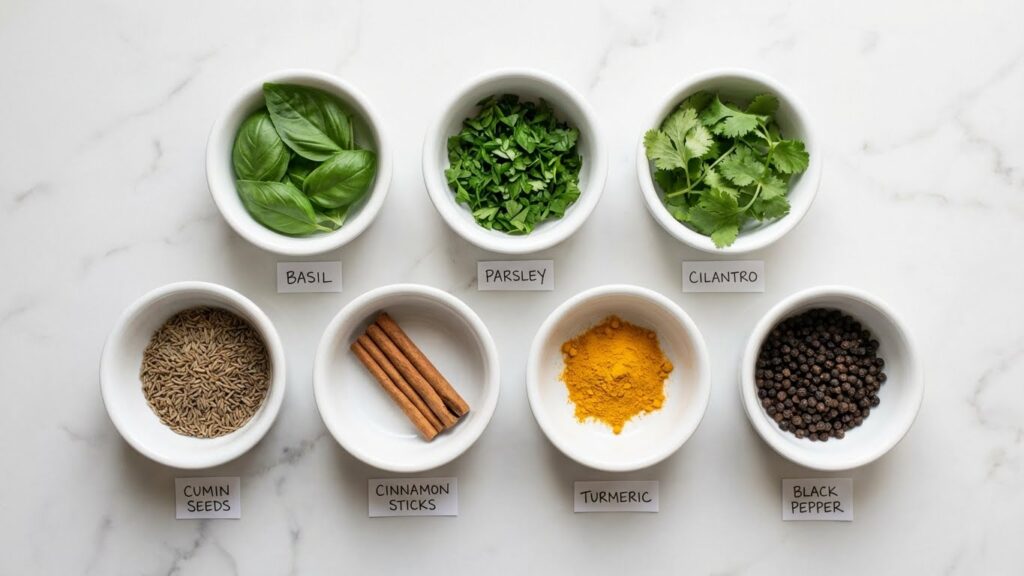
I list familiar herbs and spices and show how cooks use them. You will see which parts of the plant they come from and how they change dishes by flavor, texture, and timing.
Popular Culinary Herbs
I use basil, parsley, cilantro, rosemary, thyme, and mint most often. Basil’s sweet, slightly peppery leaves shine in pesto and caprese salads. Parsley works as a fresh finish on soups and roasted vegetables. Cilantro adds bright citrus notes to salsas and curries, but I avoid it when guests dislike its soap-like taste.
Rosemary and thyme stand up to long cooking times. I add rosemary to roast lamb and potatoes, and thyme to stews and braises. Mint is great in drinks and desserts or chopped into tabbouleh. For storage, I keep fresh herbs in the fridge wrapped in damp paper or in a jar of water, and dry herbs in airtight containers away from light.
Widely Used Spices
I reach for black pepper, cinnamon, cumin, turmeric, ginger, and cloves for bold, concentrated flavor. Black pepper brightens almost any savory dish and is ground fresh for best aroma. Cinnamon and cloves provide warm sweetness in baking and slow-cooked savory dishes.
Cumin and turmeric are staples in many spice blends; cumin adds an earthy, nutty depth, while turmeric gives color and a mild bitter note. Fresh ginger gives sharp heat and a citrusy bite; I use it grated in stir-fries and marinades. For guidance on spice health and sourcing, I often consult resources like the USDA or trusted food science sites.
Typical Dishes for Each
I match herbs with fresh or light dishes and spices with cooked, intense dishes. Fresh basil, parsley, and cilantro finish salads, vinaigrettes, and grilled fish. I add delicate herbs at the end of cooking to keep their aroma intact.
For spices, I add whole spices early to oil to bloom their flavor, like cumin in chili or cinnamon sticks in braised beef. Turmeric goes into rice and curries, ginger into stir-fries and soups, and black pepper into most savory recipes. When I build a dish, I think about timing: herbs late; spices early.
Nutritional and Health Aspects
I focus on how herbs and spices add nutrients and bioactive compounds to food. They can boost vitamins, minerals, antioxidants, and specific plant chemicals that affect inflammation, digestion, and metabolism.
Health Benefits of Herbs
I use fresh herbs like basil, parsley, cilantro, and thyme to add vitamin C, vitamin K, and small amounts of iron and calcium to meals. A tablespoon of chopped parsley gives a useful dose of vitamin K for blood clotting and bone health. Fresh herbs also supply flavonoids and other antioxidants that help reduce cell damage from everyday oxidative stress.
I recommend refrigerating herb-rich dishes for a few hours when seasoning cold foods so flavors meld and bioactives infuse. Herbs tend to be milder than spices, so you can add larger amounts without overpowering a dish, which raises your intake of their vitamins and minerals.
Health Benefits of Spices
I treat spices like turmeric, ginger, cinnamon, cumin, and black pepper as concentrated sources of bioactive compounds. For example, turmeric contains curcumin, which studies link to reduced inflammation. Cinnamon can help moderate post-meal blood sugar spikes when used in small amounts.
Because spices are used in smaller quantities, their nutrients are less about vitamins and more about potent phytochemicals. I often combine spices (for example, black pepper with turmeric) to increase absorption of key compounds. I store dried spices in airtight containers away from heat and light to protect their volatile oils and healthful compounds.
Storage and Shelf Life
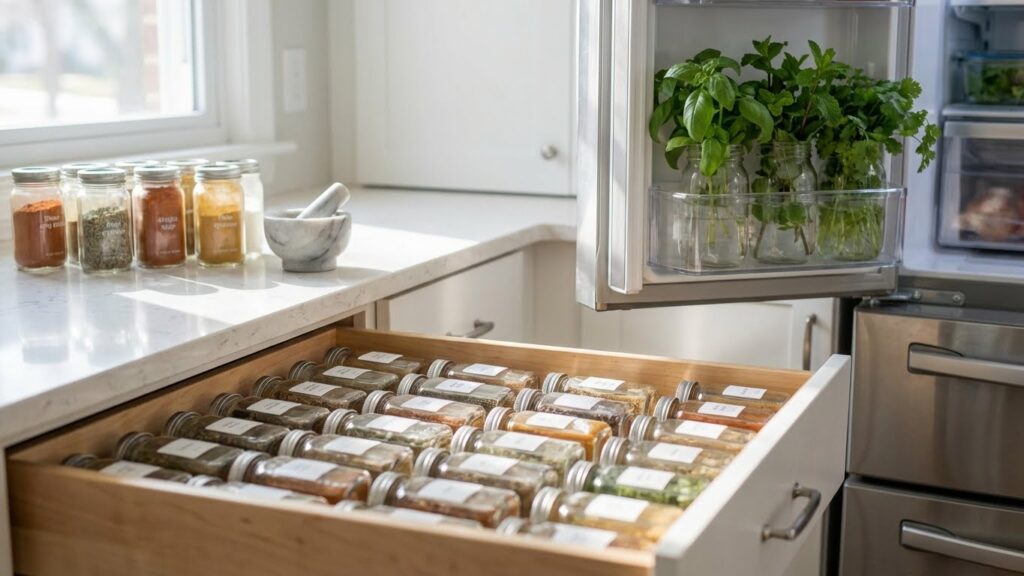
I focus on keeping herbs and spices flavorful by controlling light, heat, moisture, and air. Small changes—like using the right container or fridge routine—can double the useful life of what you buy.
Proper Storage for Herbs
I treat fresh herbs like delicate produce. I trim stems, place them upright in a jar with an inch of water, and cover loosely with a plastic bag in the fridge. This works well for parsley, cilantro, and basil (except basil prefers room temperature). I change the water every 1–2 days and remove leaves that go slimy.
For dried herbs, I use airtight jars in a cool, dark cupboard away from the stove and oven. I avoid plastic bags that let air in. Label jars with purchase dates and check scent every 6–12 months; if the aroma fades, the herb has lost most flavor. For guidance on fridge care and food safety, I consult USDA resources.
Proper Storage for Spices
I store whole spices longer than ground ones because whole seeds and pods keep oils locked in. I grind whole spices only when needed. I keep all spices in small, airtight glass jars with tight lids. I place them on a shelf or in a drawer away from heat sources and direct sunlight.
If I buy in bulk, I portion into smaller jars so I open them less often. Ground spices I replace every 6–12 months; whole spices can last 2–4 years if stored well. To test freshness, I crush a bit between fingers—strong scent means usable. For more on shelf life and storage best practices, I refer to resources like the National Center for Home Food Preservation.
Economic and Cultural Importance
I highlight how herbs shape daily meals, local markets, and health practices, while spices drove long-distance trade, wealth, and cultural exchange.
Herbs in Global Cuisines
I see herbs as local flavor staples that boost fresh taste and nutrition. Basil, cilantro, and parsley appear in neighborhood markets from Southeast Asia to the Mediterranean. They support small farmers and urban vendors who sell leaves with short shelf life, creating steady local income.
I also note herbs in medicine and ritual. Mint and rosemary appear in teas, remedies, and ceremonies, linking food to health and tradition. Culinary schools and restaurants use herbs to define regional dishes, which helps food tourism and preserves recipes.
Economic impact shows up in value chains: seed suppliers, nursery growers, and street sellers all share revenue. Herb demand rises with trends for fresh, plant-based cooking, which prompts investment in greenhouse production and local supply chains.
Spices in Historical Trade
I trace spices like pepper, cinnamon, cloves, and nutmeg as engines of global commerce. Merchants carried them across the Indian Ocean and Silk Road, creating trade routes that formed ports and trading cities. States and companies—such as those in Europe—built fleets and colonies around spice access.
I point out the high prices spices fetched historically. That value financed wars, exploration, and mixed economies of extraction and plantation. Spices also spread crops and culinary ideas: Indonesian nutmeg reached Europe, and chili peppers from the Americas transformed Asian and African cuisines.
Today, spice trade remains important in commodity markets and exports for countries like India, Indonesia, and Vietnam. Processing, grading, and branding add value, while origin and quality influence international pricing and demand.
FAQs
Can I use fresh herbs instead of dried ones?
Yes, but not in equal amounts. I usually use three times more fresh herbs by volume than dried because drying concentrates the flavor. Add fresh herbs near the end of cooking for a brighter taste.
Are spices stronger than herbs?
Often they are. Spices tend to be more intense and can stand up to long cooking times. I add whole spices early and ground spices later, depending on how bold I want the dish.
How should I store them?
Keep both in cool, dark, dry places. I store dried spices in airtight jars and fresh herbs in the fridge or frozen for longer life. Proper storage keeps flavor and aroma longer.
Which pairs work well together?
Some classic pairings help: basil with tomato, rosemary with roast meats, cinnamon with apples, and cumin with beans. I match flavors by thinking about intensity and cuisine type.
Can they be used for health benefits?
Many herbs and spices contain vitamins and antioxidants. I use them mainly for flavor, but they can add small nutritional benefits without extra calories.
Conclusion
I have shown that the main difference between herbs and spices is the plant part they come from. Herbs are usually leafy and mild, while spices come from seeds, roots, bark, or other parts and taste stronger.
I use herbs for freshness and finishing dishes. I turn to spices for deep flavor and heat during cooking. Both can improve taste and offer health benefits when used properly.
For storage, I keep fresh herbs refrigerated or frozen and dried herbs and spices in airtight containers away from light. This keeps flavor longer and helps me use them more effectively.
I recommend experimenting with pairings. Try a simple list to start:
- Basil + black pepper for tomatoes.
- Cilantro + cumin for Mexican dishes.
- Rosemary + cinnamon for savory roasts.
I focus on balance rather than exact measurements. A pinch of spice can change a dish, and a few herb leaves can brighten it. My goal is tasty food that feels right for the recipe.