
Benefits of Home-Cooked Meals – Eat Healthier, Spend Less, Proven Results

You gain more control over your health, budget, and time when you cook at home, and that payoff starts with small, simple choices. I’m Emma Reed, and I’ll show you how home-cooked meals can cut calories and costs, boost mood, and make everyday eating easier without needing fancy skills.
Home cooking helps you eat smarter, spend less, and feel better—often with less time and stress than you expect. I’ll walk you through practical tips, clear benefits, and easy swaps you can use right away to make cooking at home both doable and rewarding.
You don’t need to be a chef to get big wins from cooking more meals yourself; we’ll keep recipes simple, habits steady, and progress real.
Key Takeaways
- Home-cooked meals improve nutrition and support healthier habits.
- Cooking at home saves money and reduces stress around food.
- Simple routines build lasting benefits for health and wellbeing.
Benefits of Home-Cooked Meals – Eat Healthier, Spend Less, Proven Results
Nutritional Advantages
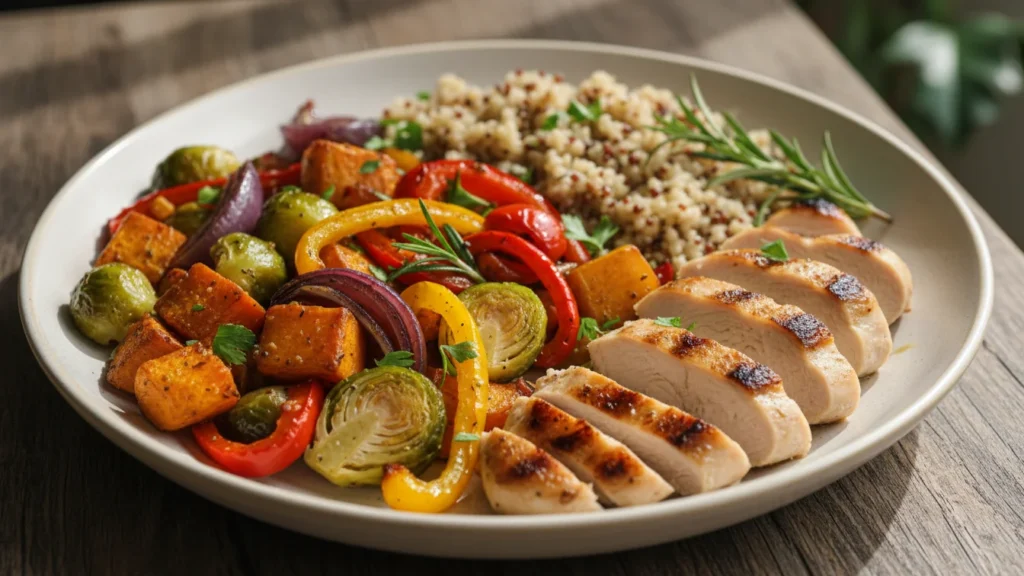
I focus on practical ways home cooking improves meals: you pick every ingredient, cut back on processed items, and tune dishes to specific health needs. These steps make meals more nutrient-rich, lower in unwanted additives, and safer for people with allergies or medical diets.
Control Over Ingredients
I choose ingredients, not manufacturers. That means I pick fresh vegetables, lean proteins, and whole grains instead of pre-made mixes with hidden sugars or excess salt. Buying simple items lets me read labels and compare sodium, added sugar, and fat content before I cook.
I also control portion size and cooking methods. I can roast or steam instead of frying, and I decide when to add oil, salt, or butter. Small swaps—like Greek yogurt for sour cream or herbs for salt—cut calories and boost vitamins without losing flavor.
Reduced Processed Foods
When I cook at home, I avoid many ultra-processed products that often contain preservatives, flavor enhancers, and high levels of sugar or sodium. These ingredients can increase calorie intake and reduce overall nutrient density.
I plan meals with whole foods—fruits, vegetables, beans, nuts, and whole grains—which tend to have more fiber, vitamins, and minerals. Making sauces, dressings, and snacks from scratch drops the amount of hidden sugars and additives that packaged foods usually add.
Customization for Dietary Needs
I tailor meals to specific health goals or medical needs. For example, I can make low-sodium versions for blood pressure control, increase fiber for digestion, or create higher-protein plates for muscle repair. This level of customization cuts out guesswork and supports measurable health targets.
I also manage allergies and intolerances directly. Removing common triggers—dairy, gluten, nuts—is simple when I prepare food myself. That reduces risk and often improves digestion and energy for people with sensitivities.
- Bold choices: use extra veggies, swap refined grains for whole, and pick leaner proteins.
- Simple swaps: olive oil instead of butter; herbs instead of salt; fruit for dessert.
Health Benefits
I focus on concrete ways cooking at home helps your body and mind. You will learn how it affects weight, long-term disease risk, and food safety with clear, practical points.
Weight Management
I control portions and ingredients when I cook, which helps manage calories. Home meals let me choose lean proteins, whole grains, and more vegetables while avoiding oversized restaurant portions and hidden fats. Studies show people who cook more often eat fewer calories and gain better control over portion size.
I also reduce added sugars and processed ingredients easily. For example, swapping store-bought sauces for homemade ones cuts sugar and sodium. If you track meals, you can spot patterns and adjust—fewer high-calorie snacks, more fiber—so weight loss or maintenance becomes realistic.
Practical habits like measuring oil, using nonstick pans, and plating food instead of eating from packages make a big difference. I recommend simple swaps—brown rice for white, baked instead of fried—to lower calorie density without losing flavor.
Lower Risk of Chronic Diseases
I can lower my risk of heart disease, type 2 diabetes, and some cancers by choosing whole foods at home. Cooking lets me limit salt, added sugars, and unhealthy fats—factors linked to high blood pressure, insulin resistance, and elevated cholesterol. Eating more vegetables, fruits, legumes, and whole grains supports better blood glucose and lipid levels.
A 2020 review linked regular home cooking with better mental well-being and healthier eating patterns, which also supports long-term health. For reliable guidance on diet and chronic disease prevention, I consult resources like the American Heart Association and the CDC for evidence-based recommendations.
Small changes add up: replace processed meats with fish or beans twice a week, use herbs instead of salt, and include a vegetable at every meal. These steps reduce daily risk factors and make sustained health improvements more likely.
Enhanced Food Safety
I reduce foodborne illness risk by handling and storing food properly in my own kitchen. At home I control cooking temperatures, refrigeration timing, and cross-contamination, which cuts the chance of pathogens that cause food poisoning. Simple rules—cook poultry to 165°F, refrigerate leftovers within two hours, and wash hands—prevent many common problems.
I also inspect ingredients and avoid questionable pre-made items. Preparing food myself means I can avoid high-risk practices like undercooking ground meats or leaving perishable foods out. For clear safe-handling tips, I rely on the USDA Food Safety resources to guide temperatures and storage times.
Maintaining clean surfaces, using separate cutting boards for raw meat and produce, and following expiry dates further protect health. These habits keep meals safer and give me confidence in what I serve.
Financial Impact
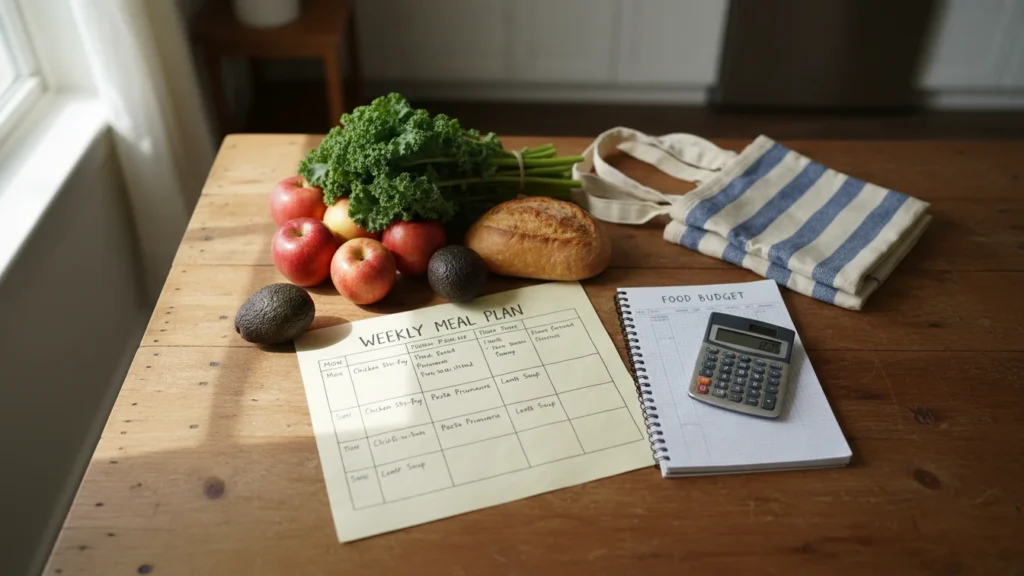
I break down how home cooking changes your budget and what charges you stop paying when you choose meals made at home. Expect clear numbers, typical examples, and practical steps to lower your food costs.
Cost Savings Over Time
I track food cost differences using simple examples. Buying staples like rice, pasta, chicken, and frozen vegetables can cut per-meal costs. For instance, a $12 restaurant meal often breaks down to $3–$4 in raw ingredients when cooked at home. That adds up: cooking five nights a week can save $200–$300 monthly compared with dining out.
I recommend bulk buys and meal planning to lock in savings. Buying a 10 lb bag of rice or a family-size chicken reduces unit cost. Leftovers turn one dinner into two meals, stretching each grocery dollar further. Small investments in basic tools—like a slow cooker or sharp knife—reduce prep time and food waste, which also saves money over months.
Elimination of Hidden Restaurant Charges
I point out common extra costs restaurants add that you avoid at home. These include tips (15–20%), service fees, delivery charges, and markups on drinks and sides. A $20 takeout order can climb to $26–$30 after tip and delivery, while the same meal at home might cost $6–$8.
I also note taxes and automatic gratuities on large orders. At home, you control portion sizes and avoid upsells like appetizers and desserts. Preparing beverages at home—coffee, soda, or water—cuts costs further. Tracking these avoided fees for a month makes the savings obvious and helps you decide where to cut back on restaurant meals.
Emotional and Social Rewards
I find that cooking and eating at home strengthens relationships and teaches useful skills. The time spent planning, preparing, and sharing meals creates moments that matter and habits that last.
Family Bonding and Togetherness
I notice that shared meals give families a regular chance to talk and connect. Sitting down together—even just three times a week—lets family members share highs and lows and reduces feelings of isolation. Cooking tasks like chopping vegetables or setting the table create small team roles that boost cooperation and respect.
Those routines also build traditions. Simple rituals—Friday pizza night, Sunday soup—give children and adults the same predictable time to reconnect. Research shows communal eating improves mood and social trust; for more on mealtime benefits see resources from the Harvard School of Public Health. Small changes, like turning off screens and assigning one person to lead conversation, make these meals more meaningful.
Teaching Cooking Skills to Children
I teach children basic kitchen skills early to build confidence and healthy habits. Starting with safe tasks—washing produce, stirring, measuring—helps them master techniques and learn about ingredients. These hands-on moments also teach planning, math, and responsibility in a real-world setting.
I focus on age-appropriate steps so tasks stay successful and fun. For example:
- Ages 3–5: washing fruit, tearing lettuce.
- Ages 6–9: using a vegetable peeler, measuring.
- Ages 10+: chopping with guidance, following recipes.
This gradual approach reduces frustration and raises the chance kids will keep cooking as adults. For practical guides and kid-friendly recipes, I often refer readers to credible sources like NHS cooking skills advice.
Environmental Contributions
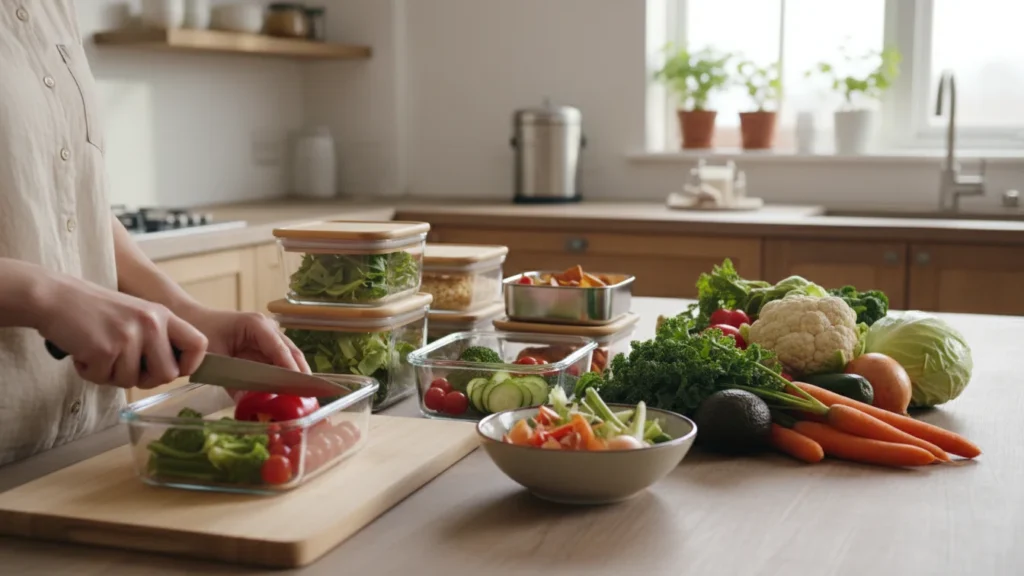
I focus on practical ways home cooking cuts waste and lowers emissions. These choices let me control portions, packaging, and energy use in clear, measurable ways.
Reduced Food Waste
I plan meals and use leftovers to reduce what I throw away. When I cook at home, I can match portions to what my household actually eats, which cuts plate waste. I also save scraps—vegetable peels and bones—for stocks or compost, turning potential trash into useful food or soil.
I shop with a list and store food properly to extend life. That means checking use-by dates, freezing surplus, and using clear containers so food gets eaten before it spoils. Small habits like these can lower household food waste by sizable amounts over a month.
Lower Carbon Footprint
I choose ingredients and cooking methods that reduce greenhouse gases. Cooking at home typically uses smaller appliances and less energy per meal than many restaurants. I pick plant-forward meals, local produce, and seasonal items to cut emissions linked to meat production and long-distance transport.
I also reduce packaging waste by buying bulk or unpackaged items when possible. Simple swaps—using a pressure cooker, batch-cooking, or turning off heat early to use residual warmth—let me save energy and shrink my meal’s carbon footprint.
Convenience and Flexibility
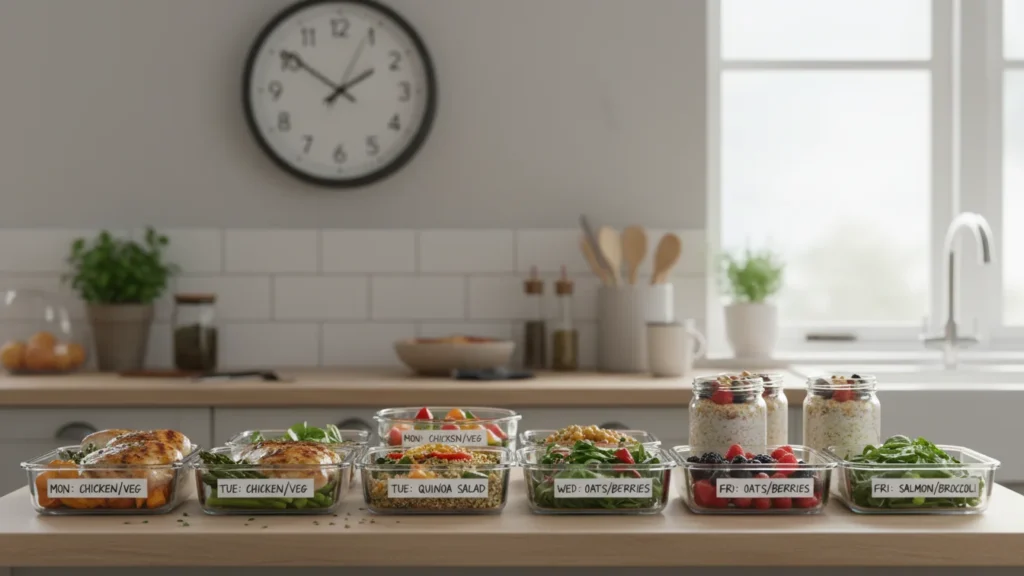
I find home cooking lets me save time, control servings, and fit meals into a busy day without losing quality or nutrition.
Meal Planning and Portion Control
I plan meals on Sundays to avoid last-minute choices. I make a simple list of proteins, vegetables, and starches for the week and buy ingredients in measured amounts. This prevents food waste and keeps grocery costs down.
I use containers to portion meals into single servings. That helps me track calories and avoid overeating. For family meals, I prepare a bulk dish and plate individual portions so everyone gets the right amount.
Quick tools make planning easier. I follow guidance from the USDA’s MyPlate for balanced portions and use a kitchen scale or measuring cups to be exact. These small steps save time and make meals consistent.
Adapting to Personal Schedules
I fit cooking into different daily rhythms by using a few reliable strategies. On busy mornings, I cook overnight oats or batch-cook proteins in advance. When I have 30 minutes, I use one-pan recipes or a pressure cooker to speed things up.
I also keep a short list of 10-minute meals for late nights. Stir-fries, omelets, and salads with canned beans let me eat well without long prep. For unpredictable days, I prepare freezer-friendly meals and reheat them when needed.
I rely on timers and meal-prep sessions so cooking does not interfere with work or family time. For tips on efficient meal prep, I refer to resources from Harvard T.H. Chan School of Public Health to choose quick, healthy recipes that match my schedule.
Encouragement of Healthy Eating Habits
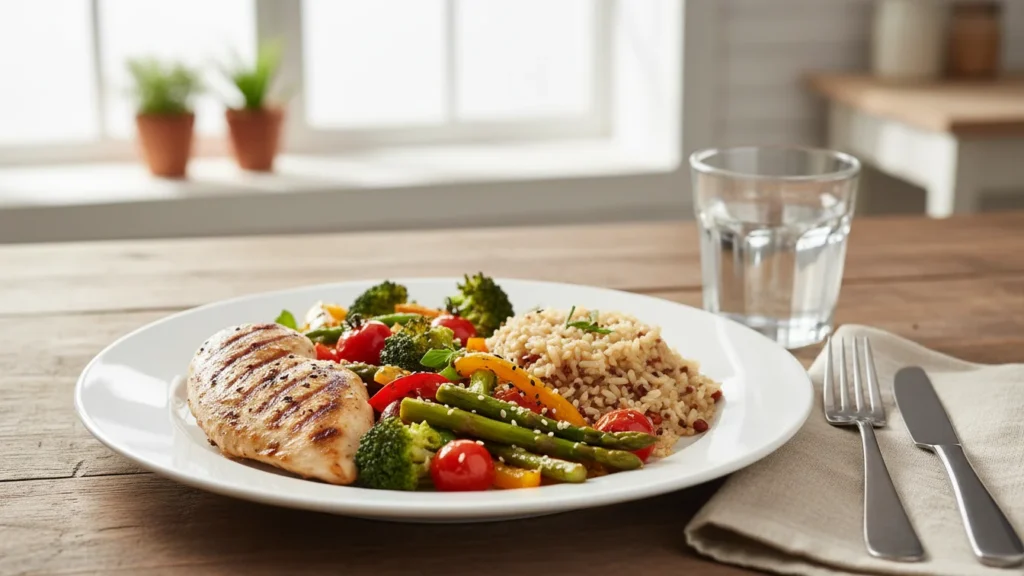
I find home cooking makes healthy choices easier because I control ingredients.
When I cook, I can cut back on added salt, sugar, and unhealthy fats.
That control helps me choose whole foods like vegetables, beans, and whole grains.
I also notice portion sizes stay more reasonable at home.
Plating meals myself lets me balance vegetables, protein, and starch without oversized restaurant portions.
Smaller plates and mindful serving help me avoid overeating.
Cooking at home lets me try simple swaps that add nutrition.
I might use leaner cuts of meat, swap mayonnaise for yogurt, or bake instead of fry.
Those small changes add up over time.
Families benefit, too, when I cook and eat together.
Shared meals give me a chance to model healthy choices for kids and set routines.
Regular family meals often mean fewer processed foods and more consistent meal times.
Quick tips I use to keep meals healthy:
- Plan a few meals each week to avoid last-minute fast food.
- Prep ingredients in advance to save time on busy nights.
- Mix more vegetables into soups, grains, and sauces.
These habits make healthy eating practical, not perfect.
I focus on steady changes I can keep up week after week.
Culinary Skill Development
I learn new techniques and build habits that make cooking faster, healthier, and more fun. I focus on practical skills like measuring, timing, and flavor balancing so I can repeat good results.
Experimentation With New Recipes
I try recipes from different cuisines to expand my palate and technique. For example, I might test a Thai curry to learn spice layering, then a French omelette to practice heat control. Each recipe teaches a specific skill: sauces show reduction, baking teaches precise measurements, and stir-fries sharpen quick, high-heat timing.
I use small experiments to reduce risk. I change one ingredient or method at a time so I can see what affects texture or taste. I also keep notes—temperature, time, and substitutions—so I can repeat successes and avoid past mistakes.
Practical tools help me explore safely. I rely on a simple kitchen scale, a reliable timer, and basic knives. These tools let me focus on techniques rather than guesswork.
Building Confidence in the Kitchen
I gain confidence by repeating core techniques until they become routine. I practice chopping, sautéing, and seasoning in short, focused sessions. Repetition turns uncertain steps into automatic moves, which reduces stress during busy meal times.
I set small, clear goals to track progress. For example, I aim to roast a chicken without burning it, or to make a weeknight dinner in under 30 minutes. Meeting these goals builds trust in my judgment and timing.
I also learn to troubleshoot. If a sauce is too thin, I know to simmer; if a dish is bland, I add acid or salt. These problem-solving steps make me less afraid of mistakes and more willing to try new dishes.
Mindful Eating Practices
I slow down when I eat home-cooked meals to notice taste, texture, and smell. This helps me enjoy food more and prevents overeating.
I focus on portion size and ingredients before I serve myself. Choosing whole foods and simple recipes makes it easier to keep meals balanced.
I put away screens and eat at a table whenever possible. Fewer distractions let me listen to hunger and fullness cues.
I use a simple checklist to guide mindful meals:
- Look: Notice colors and ingredients.
- Smell: Take a breath before the first bite.
- Taste: Chew slowly and name flavors.
- Feel: Pause to judge fullness.
I practice gratitude for the time spent cooking and the effort behind each dish. That small habit makes meals feel more satisfying.
I also plan leftovers and portioning in advance. This reduces waste and keeps my eating routine calm and predictable.
I recommend taking three deep breaths before you start. It resets your pace and connects you to the meal.
I keep a small notebook to record what makes me feel energized or sluggish after meals. That helps me learn what foods work best for my body.
Long-Term Lifestyle Improvements

I cook at home because it helps me build steady habits that last. Making meals regularly leads to healthier eating choices over time, like more vegetables and less processed food.
I save money by planning and batch-cooking. That lets me avoid expensive takeout and reduces food waste, which adds up month after month.
I control portions and ingredients, so managing weight and health conditions feels easier. Small, consistent changes—like swapping salt for herbs—become routine and sustainable.
I find cooking reduces stress for me when I plan ahead. A simple weekly menu or prepping ingredients cuts decision fatigue and keeps evenings calmer.
I notice stronger family and social ties when I share home meals. Eating together supports routines, conversation, and even passing on cooking skills to others.
Key long-term gains I track:
- Better diet quality (more whole foods, fewer additives)
- Lower food costs and less waste
- Easier portion and health control
- Reduced daily stress through planning
- Stronger social and family connections
I treat home cooking as an investment in daily life. Small, repeatable choices compound into clear benefits for health, finances, and relationships.
FAQs
I get asked common questions about home-cooked meals all the time. Below I answer the ones I hear most often.
- Are home-cooked meals healthier than eating out?
Yes. I find that cooking at home lets you control ingredients, portion sizes, and cooking methods. That usually means less salt, sugar, and unhealthy fats. - How can I save time cooking at home?
I batch-cook and use leftovers for quick lunches. Simple meal plans and one-pot recipes also cut prep and cleanup time. - Does cooking at home save money?
Generally yes. I compare ingredient costs to restaurant prices and see clear savings, especially when I cook staples like grains, beans, and vegetables. - What if I’m a beginner?
Start with a few easy recipes and build skills slowly. I recommend 10–20 minute meals and basic knife skills as first steps. - Can home-cooked meals help with weight and health?
They can. I control portions and choose nutrient-dense foods, which helps with weight management and better blood sugar and cholesterol levels. - How do I make meals more family-friendly?
I involve family in planning and let kids pick one meal each week. Simple flavors and build-your-own bowls work well.
Quick reference table
| Question | Short answer |
|---|---|
| Healthier than takeout? | Usually, yes |
| Time-saving tip | Batch cook, plan meals |
| Budget-friendly? | Often, yes |
| Good for beginners? | Start simple |
Conclusion
I see home-cooked meals as a practical tool for better health, clearer finances, and stronger social ties. Cooking at home gives me control over ingredients, portion sizes, and meal timing.
I notice small changes make a big difference. More fruits, vegetables, and whole foods show up on my plate when I cook. I also spend less on food overall and waste fewer ingredients.
I value the routine and skill-building that come with regular cooking. Planning meals and learning simple techniques saves time and stress later. Sharing a homemade meal helps me connect with family and friends.
I recommend starting small and realistic. Try one new recipe a week or batch-cook a few meals for busy days. Track what works and adjust as you learn.
Key benefits at a glance:
- Better nutrition and portion control
- Lower food costs and less waste
- Improved cooking skills and meal planning
- Stronger social and emotional connections
I find home cooking worth the effort because the gains are steady and lasting.