
Benefits of Vegetables – Daily Nutrition Made Simple

You already know vegetables look good on a plate, but they do a lot more for your body and day-to-day life than you might expect. I’ll show simple reasons to add more veggies to meals, how they boost energy and protect your health, and small changes you can make right now. Eating a variety of vegetables each day gives you vitamins, fiber, and disease-fighting benefits that help you feel better and stay healthier.
I write this as Emma Reed, and I’ll walk you through clear, practical tips that fit real life. We’ll cover what vegetables do for nutrition, mood, and long-term health, plus easy ways to eat more of them without major effort.
Key Takeaways
- Vegetables provide essential nutrients and fiber for everyday health.
- Regular vegetable intake helps lower disease risk and supports mood.
- Small, practical swaps make it easy to eat more vegetables daily.
Benefits of Vegetables – Daily Nutrition Made Simple
Nutritional Value of Vegetables
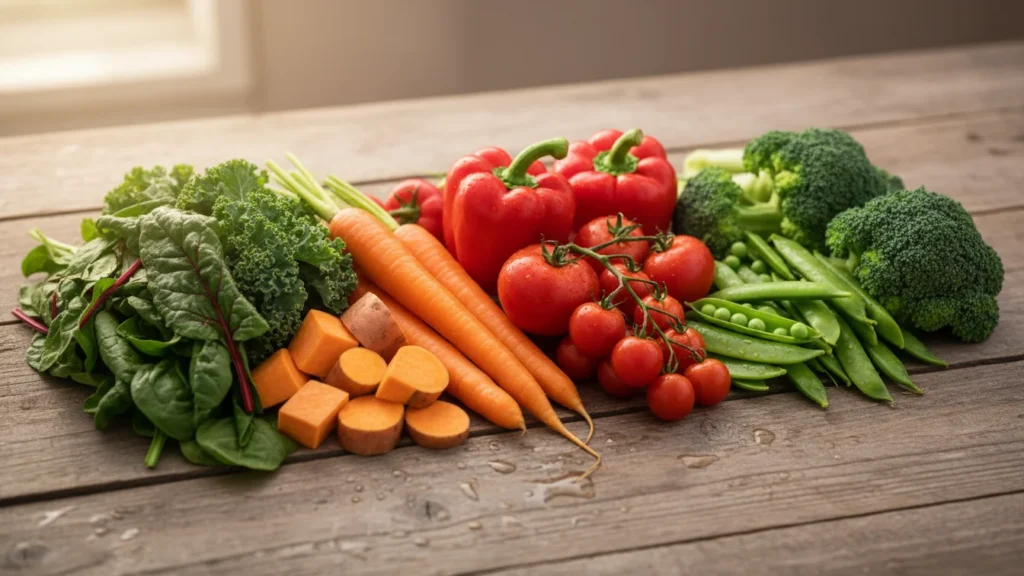
I focus on the specific nutrients vegetables supply and how they support daily health. You will see key vitamins, minerals, fiber amounts, and plant compounds that matter most for energy, digestion, and disease prevention.
Essential Vitamins and Minerals
I get most of my vitamin C from bell peppers and broccoli, which support wound healing and iron absorption. Leafy greens like spinach and kale give me vitamin K for blood clotting and vitamin A (as beta-carotene) for vision. Carrots and sweet potatoes are especially high in beta-carotene.
Many vegetables also supply important minerals. I count on potatoes and peas for potassium to help regulate blood pressure. Beans and lentils provide iron and magnesium, which I need for energy and muscle function. Cruciferous veggies and legumes add folate, important for cell growth and pregnancy.
For reliable intake, I vary colors and types. The USDA and Harvard School of Public Health offer nutrient guides that help me plan portions and choices.
Dietary Fiber Content
I aim for both soluble and insoluble fiber from vegetables each day. Soluble fiber from carrots, Brussels sprouts, and peas helps slow digestion and control blood sugar. Insoluble fiber from broccoli stalks, leafy greens, and corn adds bulk and speeds waste movement through my gut.
A typical cup of cooked vegetables often provides 3–5 grams of fiber. That helps me meet the recommended 25–38 grams daily for adults when combined with other plant foods. Regular fiber also feeds healthy gut bacteria and lowers cholesterol over time.
To boost fiber without large meals, I add raw veggies to snacks, stir vegetables into soups, or swap fries for roasted root vegetables.
Phytonutrients and Antioxidants
I rely on phytonutrients—like flavonoids, carotenoids, and glucosinolates—for extra protection beyond basic vitamins. Carotenoids in carrots and sweet potatoes act as antioxidants that reduce cell damage. Flavonoids in onions and leafy greens support heart health by lowering inflammation.
Cruciferous vegetables (broccoli, cauliflower, cabbage) contain glucosinolates, which the body converts into compounds that assist detox pathways. Dark leafy greens and red peppers supply lutein and zeaxanthin, which concentrate in the eyes and help maintain vision.
For evidence-based info on antioxidants and plant compounds, I consult resources like the National Institutes of Health Office of Dietary Supplements.
Health Benefits of Including Vegetables

I focus on how vegetables boost key areas of health you can measure: immune response, digestion, long-term disease risk, and body weight. The next paragraphs explain which nutrients do the work and how you can get them from everyday vegetables.
Supports Immune System
I eat a variety of vegetables to give my immune system the nutrients it needs. Vegetables like bell peppers, spinach, and broccoli supply vitamin C, which helps white blood cells work better and supports skin and mucous barriers. Leafy greens and legumes add folate and zinc, which I rely on for cell growth and repair.
Vegetables also provide antioxidants such as beta-carotene and vitamin E. These compounds lower oxidative stress that can weaken immune cells. I aim for colorful plates—red, orange, green—to cover those antioxidants every day.
Promotes Healthy Digestion
I include fiber-rich vegetables to keep digestion regular. Foods like carrots, Brussels sprouts, and kale add both soluble and insoluble fiber. Soluble fiber feeds healthy gut bacteria and forms a gel that slows digestion, helping steady blood sugar. Insoluble fiber adds bulk and speeds stool passage to prevent constipation.
Vegetables also contain water and plant compounds that reduce inflammation in the gut. I find that eating them raw or lightly cooked preserves these benefits. Small, frequent servings across meals help maintain steady digestion rather than one large serving.
Reduces Risk of Chronic Diseases
I choose vegetables to lower my long-term risk for heart disease, stroke, and some cancers. Dark leafy greens and cruciferous vegetables offer vitamins, minerals, and phytochemicals that improve blood pressure and lower LDL cholesterol. Potassium-rich choices like sweet potatoes and tomatoes help regulate blood pressure.
Fiber in vegetables slows cholesterol absorption and helps control blood sugar, reducing diabetes risk. Regular intake of diverse vegetables also supplies anti-inflammatory compounds that may lower cancer risk. I focus on whole vegetables instead of juices to keep fiber and reduce calorie density.
Aids in Weight Management
I use vegetables to control calories while staying full. Most vegetables are low in calories but high in volume and fiber, so they fill my plate without adding many calories. Adding a large salad or steamed veggies before a main course helps me eat less overall.
Vegetables also stabilize hunger hormones through fiber and steady blood sugar. I replace high-calorie sides with vegetables—zucchini noodles, roasted cauliflower, or a bean salad—to cut calories while keeping meals satisfying. Regular, varied servings make this approach sustainable for me.
Vegetables and Disease Prevention

I focus on specific ways vegetables lower risks for major diseases by improving blood pressure, cholesterol, inflammation, and blood sugar. The next parts explain how particular vegetables and nutrients affect heart disease, cancer, and type 2 diabetes.
Heart Health Improvement
I eat leafy greens, beets, and cruciferous vegetables because they help lower blood pressure and improve circulation. Leafy greens like spinach and kale are high in nitrates and potassium, which relax blood vessels and reduce systolic blood pressure by a few mm Hg when eaten regularly. Fiber from vegetables also lowers LDL cholesterol by binding bile acids in the gut.
I recommend aiming for several servings of vegetables daily, including one high-nitrate option (beetroot or arugula) and one high-fiber option (broccoli or carrots). For trusted guidance on heart-healthy diets, I consult the American Heart Association resources.
Cancer Risk Reduction
I include a variety of colorful vegetables—broccoli, Brussels sprouts, tomatoes, and carrots—because they supply antioxidants and phytochemicals that protect cells. Cruciferous vegetables provide sulforaphane, which supports DNA repair and helps remove potentially harmful compounds before they damage cells. Tomatoes supply lycopene, linked to lower prostate cancer risk in some studies.
I eat raw and cooked vegetables to get different protective compounds. I also keep portion sizes steady: two to three servings of cruciferous or carotenoid-rich vegetables per week can be part of a diet that lowers certain cancer risks. For more research-backed details, I refer to cancer research organization guidance.
Type 2 Diabetes Management
I use non-starchy vegetables—leafy greens, peppers, cucumbers, and zucchini—to control blood sugar and reduce insulin spikes. These vegetables add volume and fiber without many calories or digestible carbs, which helps lower post-meal glucose levels. Soluble fiber from vegetables slows carbohydrate absorption and improves insulin sensitivity over time.
I pair vegetables with lean protein or healthy fats to blunt glucose rises even more. Practical steps I follow include filling half my plate with non-starchy vegetables at meals and swapping starchy sides with a vegetable-based alternative. For clinical targets and meal planning tips, I check guidance from diabetes organizations.
Impact of Vegetables on Mental Well-Being
I focus on two clear ways vegetables help the mind: they supply specific brain nutrients and they support stable mood through steady blood sugar and inflammation control.
Cognitive Function Enhancement
I see vegetables as reliable sources of nutrients that support memory and thinking. Leafy greens like spinach and kale provide folate and vitamin K, which help with brain cell function and may slow age-related decline. Cruciferous vegetables such as broccoli supply sulforaphane, which supports cellular protection and may reduce oxidative stress in neural tissue.
I pay attention to the role of B vitamins and magnesium found in many vegetables. These nutrients help with neurotransmitter synthesis and energy production in brain cells. I recommend regular servings—about 2–3 cups daily of varied vegetables—to ensure a steady supply of these compounds.
Practical tip:
- Aim for a mix of dark leafy greens, cruciferous veggies, and colorful options to cover key micronutrients.
Mood Regulation
I rely on vegetables to help stabilize mood through several measurable pathways. Vegetables with fiber slow glucose absorption, preventing sharp blood sugar swings that can trigger irritability or low mood. High-fiber vegetables also feed gut bacteria that produce short-chain fatty acids linked to reduced inflammation and better emotional regulation.
I also note that vegetables supply antioxidants (vitamin C, carotenoids) that lower oxidative stress tied to depression risk. Nitric oxide–supporting vegetables like beets can improve blood flow, which supports brain function and energy. Small, regular servings—spread through the day—work better than a single large meal for mood stability.
Quick suggestions:
- Include a vegetable with each meal.
- Prioritize raw or lightly cooked options to preserve nutrients when possible.
Practical Tips for Increasing Vegetable Intake

I focus on simple, concrete steps you can use daily: add vegetables to every meal, pick fresh seasonal choices, and plan meals so veggies are easy to cook and eat.
Incorporating Vegetables Into Meals
I add vegetables to the meals I already eat instead of making new dishes. For breakfast, I mix spinach or bell peppers into scrambled eggs or blend kale into a fruit smoothie. For lunch, I layer salad greens, shredded carrots, and cucumber into sandwiches or wraps.
At dinner, I roast a mix of broccoli, cauliflower, and carrots on a sheet pan while the main dish cooks. I also blend cooked squash or cauliflower into soups and sauces to up the veggie content without changing flavor. Keep ready-to-eat options in the fridge: cut bell peppers, cherry tomatoes, and snap peas. A short list to try:
- Add 1–2 cups of raw or cooked veg to each meal.
- Blend spinach into pasta sauce or soup.
- Swap noodles for spiralized zucchini once per week.
Seasonal and Fresh Vegetable Selection
I choose vegetables based on season and texture to get better taste and value. In spring, I buy asparagus and peas; summer brings tomatoes and zucchini; fall favors squash and Brussels sprouts; winter offers root vegetables like carrots and beets. Local farmers’ markets and the USDA seasonal guides help me find what’s fresh.
Look for firm, brightly colored produce without soft spots or mold. For leafy greens, check stems for crispness. If fresh isn’t available, I pick frozen vegetables with no added salt or sauces; they keep nutrients and are easy to store. For more storage and selection tips, the USDA’s food safety pages and a guide from a major health site can help.
Meal Planning Strategies
I plan meals around vegetables first, then add protein and grains. Each week I make a simple plan: choose two roasted veg combos, one big salad, and one soup or stew. I batch-cook roasted vegetables and a pot of vegetable soup on Sunday so I have ready sides and bases for bowls, wraps, and quick dinners.
I use a shopping list that groups vegetables by storage: fridge, root cellar, and freezer. This prevents waste and makes prep faster. I also keep a jar of mixed roasted vegetables and a tub of chopped raw veggies for grab-and-go snacks. Small habits I follow:
- Prep veggies for 20–30 minutes after shopping.
- Cook one large vegetable batch to use in 3–4 meals.
- Freeze portions of cooked vegetables for later use.
Environmental and Economic Aspects
I explain how eating more vegetables can lower greenhouse gases, save water and land, and often cut household food costs. I also show where savings come from and when vegetables might cost more.
Sustainability of Vegetable-Based Diets
I focus on resource use and emissions. Growing vegetables generally uses less water and land than raising cattle or pigs. This means fewer greenhouse gas emissions per calorie and less pressure on forests and habitats. For specific figures, I rely on studies showing plant-based foods typically emit lower CO2-equivalents than most meats.
I pay attention to local production and seasonality. Vegetables grown nearby or in season need less transport, refrigeration, and storage, which further cuts emissions. For guidance on sustainable choices and dietary recommendations, I reference the World Health Organization and the EAT-Lancet Commission for trusted targets and methods.
I note trade-offs. Some vegetables grown in heated greenhouses or flown long distances can have higher impacts than locally grown legumes or roots. Choosing diverse, minimally processed vegetables reduces overall environmental cost.
Cost-Effectiveness of Vegetables
I look at price per calorie and price per nutrient. Many vegetables—potatoes, carrots, cabbage, beans—offer a low cost per calorie and deliver vitamins, fiber, and minerals. This makes them efficient for feeding families on a budget.
I compare short-term and long-term savings. Buying whole vegetables and cooking at home usually costs less than processed or animal-based meals. Over time, diets higher in vegetables can lower health-related expenses by reducing risk factors for chronic disease.
I suggest practical tips to save money: buy seasonal produce, use frozen vegetables, shop at farmers’ markets, and plan meals to cut waste. For economic programs and policy ideas that support vegetable access, I point readers to FAO resources on fruit and vegetable production and distribution.
FAQs
I get asked a lot about how vegetables fit into daily life. Below are short answers to common questions based on nutrition guidelines and practical experience.
- How many vegetables should I eat each day?
I aim for at least 2–3 cups of vegetables daily for most adults, using a mix of colors and types to cover different nutrients. - Can I eat the same vegetable every day?
You can, but variety boosts nutrient intake. I rotate leafy greens, cruciferous vegetables, and colorful veggies across the week. - Do cooked vegetables count the same as raw?
Yes. Cooking can increase some nutrients’ availability (like lycopene in tomatoes) and reduce others (like vitamin C). I use both raw and cooked forms. - Are frozen vegetables as good as fresh?
Often yes. I find frozen veggies retain nutrients well because they are frozen soon after harvest. They’re a convenient, low-waste option. - Will vegetables help with weight control?
Vegetables are low in calories and high in fiber, so they help me feel full. Including them with meals supports healthy weight management. - How can I get picky eaters to eat more vegetables?
I mix vegetables into dishes, use simple seasonings, and offer dips. Small changes and repeated exposure work best. - Any safety tips?
I wash produce, store it properly, and cook vegetables when needed to reduce food-borne risk.
Conclusion
I recommend making vegetables a regular part of my daily meals because they give essential nutrients my body needs. They help with digestion, support heart and eye health, and lower the risk of chronic disease when eaten consistently.
I find variety works best. Eating different colors and types—leafy greens, cruciferous veggies, and colorful roots—keeps meals interesting and boosts the range of vitamins and minerals I get.
Small changes add up. I can add vegetables to soups, sandwiches, and snacks, or swap sides to double my intake without big effort. These simple swaps help with weight control and keep me full longer.
I keep preparation simple to make eating vegetables easier. Steaming, roasting, or raw slices with a dip preserve nutrients and flavor. Planning a few meals ahead also makes it less likely I skip them.
I track progress in small steps and set realistic goals. Aiming for a plate partly filled with vegetables at each meal is practical. Over time, these habits become natural and benefit my long-term health.