What Is a Garlic Press Used For Quick Easy Guide

A garlic press is a kitchen tool designed to crush or mince garlic cloves quickly and with minimal effort. Whether you’re making sauces, soups, or stir-fries, this handy gadget saves time and ensures a smooth, even garlic paste. It’s ideal for home cooks who want flavor without the hassle of peeling and chopping raw garlic.
Key Takeaways
- What a garlic press is used for: It crushes whole garlic cloves into a smooth paste, making cooking faster and easier.
- Time-saving tool: A garlic press eliminates the need to peel, chop, and mince garlic by hand—perfect for busy weeknights.
- Even distribution: It ensures garlic is finely minced, helping flavors blend smoothly into dishes like pasta, marinades, and dressings.
- Easy to clean: Most garlic presses are dishwasher-safe and have removable parts for quick cleanup.
- Reduces garlic breath: Using a press can minimize direct contact with garlic, potentially reducing the intensity of garlic breath.
- Works with fresh garlic: Ideal for fresh garlic cloves, though some models can handle small amounts of garlic powder as a backup.
- Compact and portable: Small enough to store in any kitchen drawer, making it a must-have in every home cook’s arsenal.
What Is a Garlic Press Used For? A Quick, Easy Guide
Have you ever stood over a cutting board, peeling and chopping garlic cloves only to realize you’re short on time? Or maybe you’ve tasted a dish that was either too mild or too overpowering—often because the garlic wasn’t evenly distributed? Enter the garlic press: a small, ingenious kitchen tool designed to crush garlic instantly with minimal effort. But what exactly is a garlic press used for, and why should every home cook have one?
In this comprehensive guide, we’ll walk you through everything you need to know about garlic presses—from their primary function to creative uses, cleaning tips, and troubleshooting common issues. Whether you’re a beginner in the kitchen or a seasoned cook looking to simplify your prep work, this guide will show you how a garlic press can transform your cooking experience.
Why Use a Garlic Press?
Garlic is one of the most versatile and flavorful ingredients in cooking. It adds depth to soups, enhances marinades, and brings out the best in sauces and stir-fries. However, preparing fresh garlic can be time-consuming and messy. Peeling individual cloves, chopping them finely, and then mixing them into a dish often leads to uneven distribution or wasted effort.

Visual guide about What Is a Garlic Press Used For Quick Easy Guide
Image source: allrecipes.com
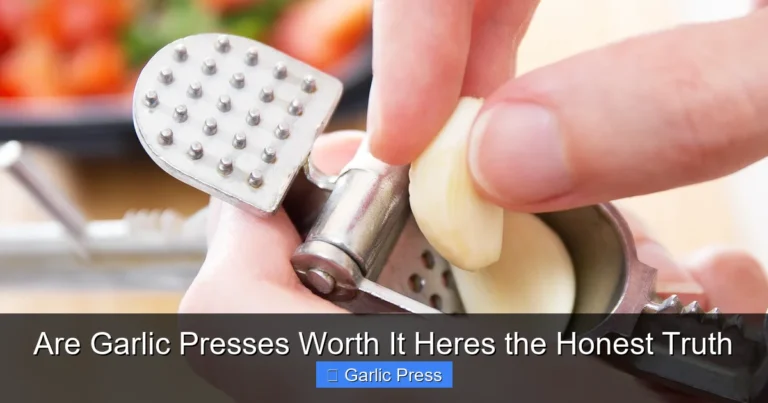
A garlic press solves these problems by turning a whole clove into a smooth paste in seconds. Instead of using a knife and cutting board, you simply place a peeled clove into the press, squeeze the handles, and—voilà—you have finely minced garlic ready to use. This not only saves time but also reduces the risk of cuts and messes in the kitchen.
Moreover, using a garlic press can help control the intensity of garlic in your dish. Too much raw garlic can be overpowering, while too little won’t deliver the desired flavor. With a press, you can add just the right amount with precision.
Step-by-Step: How to Use a Garlic Press
Step 1: Choose Fresh Garlic Cloves
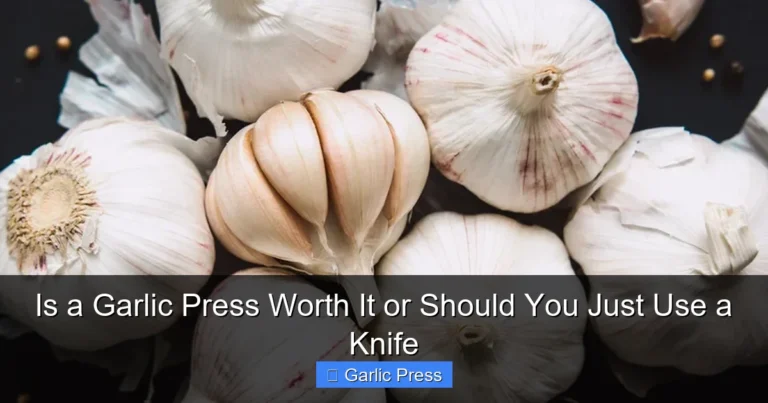
Start with fresh garlic cloves. Avoid using garlic that’s too soft or has sprouted, as it may not press well. For best results, use cloves that are firm and plump.

Visual guide about What Is a Garlic Press Used For Quick Easy Guide
Image source: cdn.dc5.ro
Step 2: Peel the Garlic Cloves
Peeling garlic is the first step. You can do this by gently pressing the clove with the flat side of a knife or using a garlic peeler. While some presses come with built-in peeling features, most require you to peel the clove first.
Step 3: Insert the Cloves into the Press
Open the garlic press by pulling the two handles apart. Place one peeled clove into the chamber (the hollow part where the garlic goes). For larger recipes, you can press multiple cloves one at a time.
Step 4: Close and Squeeze
Close the handles firmly and squeeze. The pressure will crush the garlic into a fine paste that drops through the small holes at the bottom. Some models have a release button or lever to eject the paste more easily.
Step 5: Clean the Press
After use, disassemble the press and rinse the parts under running water. A small brush or toothbrush works well for cleaning the holes where the garlic comes out. Most presses are dishwasher-safe, but hand-washing is often gentler on the mechanism.
Types of Garlic Presses and Their Uses
Not all garlic presses are created equal. There are several types, each with its own advantages and ideal uses.

Visual guide about What Is a Garlic Press Used For Quick Easy Guide
Image source: image.chukouplus.com
Manual Garlic Presses
The most common type, manual presses require you to squeeze the handles to crush garlic. They’re affordable, compact, and perfect for everyday cooking. Look for models with easy-to-clean, removable chambers and rust-resistant stainless steel construction.
Electric Garlic Presses
For those who want maximum speed and minimal effort, electric presses are a great option. Simply insert a peeled clove, press a button, and the garlic is pulverized instantly. These are ideal for large batches or commercial use but can be overkill for small households.
Garlic Presses with Built-in Peeling Tools
Some modern presses come with a small roller or grater at the top that helps peel garlic as you press. These are convenient but may not peel as efficiently as a dedicated garlic peeler.
Garlic Crushers vs. Garlic Presses
While often used interchangeably, a garlic crusher typically refers to a tool that grinds garlic between two plates, while a press crushes it by squeezing. Both achieve similar results, but presses are generally more efficient for small quantities.
Creative Uses for Your Garlic Press
While the primary use of a garlic press is obvious—mincing garlic—it can also be used in clever ways to enhance your cooking.
1. Crush Garlic for Marinades
Instead of chopping garlic by hand, use the press to create a smooth paste for marinades. The even texture helps garlic blend better into oils and spices, ensuring every bite is flavorful.
2. Add Garlic to Salad Dressings
Mix pressed garlic with olive oil, lemon juice, and a pinch of salt to make a quick vinaigrette. The fine texture prevents large chunks from ruining the dressing’s consistency.
3. Enhance Pasta Sauces
For garlic sauces like aglio e olio, press fresh garlic directly into the hot oil before adding pasta. This method releases more aroma and flavor compared to adding chopped garlic.
4. Infuse Oils and Butters
Crush garlic and mix it into softened butter or olive oil. Use this infused mixture on bread, grilled meats, or vegetables for an instant flavor boost.
5. Make Garlic Powder (Optional)
While not the most efficient method, you can use a garlic press to help reduce small amounts of fresh garlic into a paste, which can then be dried and ground into homemade garlic powder. This is more of a novelty than a practical use.
Tips for Using a Garlic Press Like a Pro
To get the most out of your garlic press, follow these practical tips:
- Use fresh garlic: Older or soft garlic won’t press well and may clog the mechanism.
- Clean immediately: Garlic residue can dry and harden, making cleaning harder later.
- Press one clove at a time: Overloading the press can lead to uneven results or mechanical strain.
- Store garlic properly: Keep your garlic in a cool, dry place to maintain freshness and ease of use.
- Consider garlic breath: Using a press reduces skin contact, which may help minimize garlic breath compared to chopping with your hands.
Troubleshooting Common Garlic Press Issues
Even the best tools can run into problems. Here’s how to fix common garlic press issues:
Problem: Garlic Sticks to the Press
Solution: After pressing, tap the press over a bowl to eject any leftover paste. If garlic is sticking, clean the chamber thoroughly and ensure the press is dry before storing.
Problem: Clogged Holes
Solution: Use a small brush or toothpick to clear the tiny holes where the garlic exits. For stubborn buildup, soak the part in warm, soapy water before scrubbing.
Problem: Rust on Stainless Steel
Solution: Avoid leaving the press wet after cleaning. Dry it immediately and store in a dry place. If rust appears, gently scrub with a baking soda paste and rinse thoroughly.
Problem: Handles Won’t Close Properly
Solution: This may be due to misalignment or debris in the mechanism. Disassemble the press and check for obstructions. If the issue persists, consider replacing the press.
Cleaning and Maintaining Your Garlic Press
Proper maintenance extends the life of your garlic press and ensures it works efficiently every time.
Daily Cleaning
After each use, disassemble the press and rinse all parts under warm water. Use a soft brush to clean the holes and chamber. Avoid using abrasive scrubbers that could damage the surface.
Deep Cleaning
Once a week, soak the press in a mixture of warm water and mild dish soap for 10–15 minutes. This helps loosen any dried-on garlic. Rinse and dry completely before reassembling.
Storage Tips
Store your garlic press in a dry place, preferably in a kitchen drawer with other small tools. Avoid humid areas like under the sink to prevent rust.
Garlic Press vs. Other Garlic Prep Methods
How does a garlic press compare to chopping garlic with a knife or using a garlic crusher?
Garlic Press vs. Knife and Cutting Board
Chopping garlic by hand is traditional but time-consuming. A garlic press is faster and produces a more uniform texture. It also reduces mess and the risk of cuts.
Garlic Press vs. Garlic Crusher
Both tools crush garlic, but a press typically offers better control and efficiency for small batches. Crushers may be better for larger quantities or when you need a coarser texture.
Garlic Press vs. Garlic Roaster
Roasting garlic mellows its flavor and makes it spreadable, but it takes longer. A press is best for sharp, pungent garlic used in raw applications like dressings or sauces.
Can You Use a Garlic Press for Other Ingredients?
While designed for garlic, a garlic press can be used for other soft ingredients:
- Fresh ginger: Crush small amounts for stir-fries or marinades.
- Onion (small amounts): Not ideal for large quantities, but a few finely minced onions can be pressed.
- Fresh herbs: Try pressing small amounts of basil or parsley for pesto or garnishes.
- Hard cheeses: Grate hard cheeses like Parmesan or cheddar for sprinkling on pasta.
However, avoid using the press for fibrous or hard ingredients like carrots or nuts, as this can damage the mechanism.
Choosing the Right Garlic Press for Your Kitchen
With so many options available, how do you choose the best garlic press?
Consider Your Cooking Style
If you cook garlic frequently, invest in a high-quality, durable model. For occasional use, a basic press will suffice.
Look for Easy Cleaning
Choose a press with removable parts and dishwasher-safe components. This makes cleanup a breeze.
Check the Material
Stainless steel presses are rust-resistant and easy to clean. Avoid plastic models that may warp or degrade over time.
Size Matters
Compact presses save space but may require more effort for larger cloves. Some models are designed to handle multiple cloves at once.
User Reviews
Read customer reviews to learn about long-term performance and common issues. A well-reviewed press is more likely to last and work efficiently.
Garlic Press Safety Tips
Using a garlic press is generally safe, but a few precautions can prevent accidents:
- Keep fingers away from the chamber: When pressing, make sure your fingers aren’t in the way of the handles.
- Use steady pressure: Avoid slamming the handles, which can cause garlic to shoot out or damage the press.
- Supervise children: Keep the press out of reach of young children who may not understand how to use it safely.
- Avoid overloading: Press one clove at a time to prevent jams and ensure even crushing.
Frequently Asked Questions About Garlic Presses
Can a garlic press be used with garlic powder?
No, a garlic press is designed for whole fresh garlic cloves. Garlic powder is already ground and doesn’t need pressing. Using it in a press could damage the tool.
How do I peel garlic quickly?
Place a clove between two sheets of paper towel, roll it with a rolling pin, or smash it with the flat side of a knife. The peel should come off easily.
Can I use a garlic press for ginger?
Yes, but only small amounts. Fresh ginger can be pressed to make a paste for marinades or stir-fries. Avoid using it for large quantities or hard roots.
Is it worth buying a garlic press?
If you use garlic often, a garlic press is a worthwhile investment. It saves time, reduces mess, and ensures consistent results every time.
How do I clean a garlic press with clogged holes?
Soak the part with the holes in warm, soapy water for 10 minutes. Use a toothpick or small brush to gently clear each hole. Rinse and dry thoroughly.
Can I use a garlic press for onions?
It’s possible for small amounts, but onions are fibrous and may clog the press. A food processor or knife is better for mincing onions.
Conclusion: Why Every Kitchen Needs a Garlic Press
A garlic press is more than just a convenience—it’s a game-changer for anyone who loves cooking with fresh garlic. From speeding up prep time to ensuring even flavor distribution, this simple tool makes cooking more enjoyable and efficient. Whether you’re making a quick pasta sauce, a hearty soup, or a flavorful marinade, a garlic press delivers consistent results with minimal effort.
By choosing the right model, learning proper usage techniques, and maintaining it well, you can enjoy the benefits of fresh garlic in every dish—without the hassle. So next time you reach for that head of garlic, consider grabbing your press instead. Your taste buds—and your time—will thank you.
Ready to simplify your cooking? Explore our Essential Kitchen Tools for Home Cooking guide to discover more must-have gadgets that make meal prep a breeze.
🎥 Related Video: How To Use A Garlic Press – Homebody Eats
📺 Homebody Eats
Have you ever wondered – “Do I remove the skin of garlic when I’m using a garlic press?” Well, today’s kitchen hack #shorts …