Exactly what is a garlic press used for and do you need one

A garlic press is a specialized kitchen tool designed to crush individual garlic cloves through a grid of small holes. It allows you to create a fine, uniform paste in seconds without the need for complex knife skills or getting garlic oils on your hands. While it is an efficient time-saver for busy home cooks, professional chefs often debate its impact on the flavor profile of a dish.
If you enjoy cooking at home, you know that garlic is the backbone of flavor for countless dishes. From spicy pasta sauces to savory roasted meats, garlic adds a depth that is hard to replace. However, preparing garlic can be a slow and messy chore. This is where the garlic press comes into the picture. But exactly what is a garlic press used for and do you need one in your drawer? In this guide, we will explore everything you need to know about this handy gadget.
In the following sections, you will learn the mechanics of the garlic press, the science behind why it changes the flavor of your food, and a step-by-step guide on how to use it properly. We will also help you decide if this tool deserves a permanent spot in your kitchen or if you are better off sticking to a traditional chef’s knife.
Key Takeaways
- Efficiency: A garlic press allows you to process multiple cloves quickly compared to hand-mincing.
- Flavor Intensity: Using a press releases more allicin, which results in a stronger, more pungent garlic flavor in your meals.
- Convenience: Most modern presses can handle unpeeled cloves, saving you the hassle of removing the papery skin by hand.
- Consistency: The tool produces uniform pieces of garlic, ensuring they cook evenly and melt into sauces perfectly.
- Versatility: Beyond garlic, you can use the tool for ginger, shallots, and even small amounts of nuts or seeds.
- Cleanliness: It minimizes direct contact between your fingers and the garlic, preventing the lingering scent of garlic on your skin.
What Exactly Is a Garlic Press?
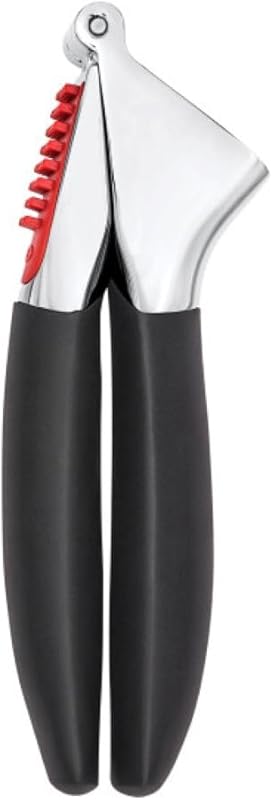
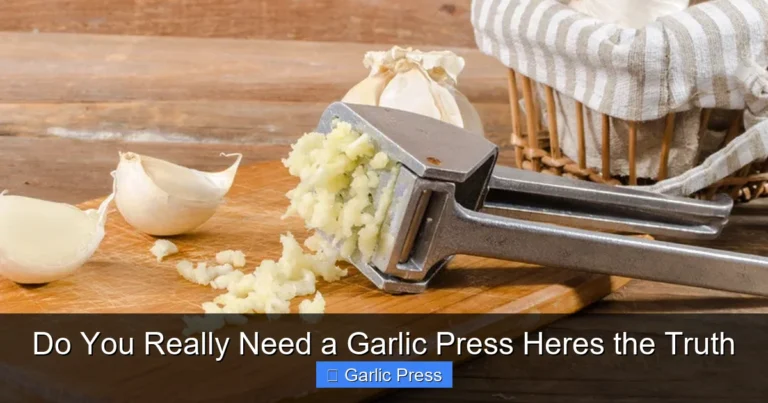
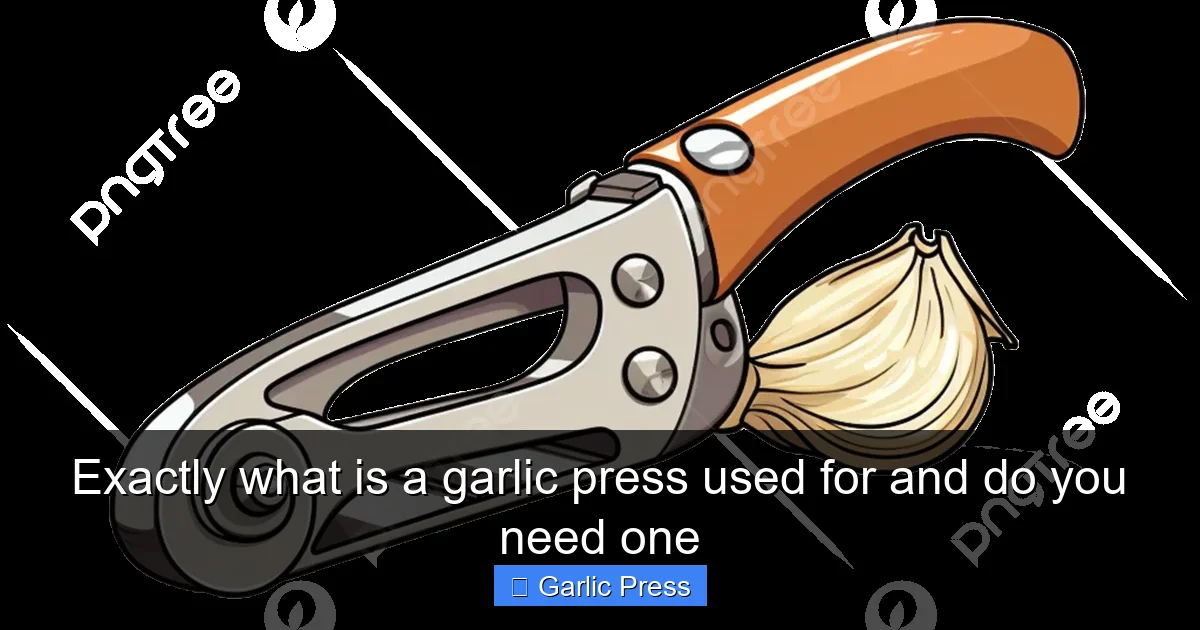
A garlic press is a mechanical kitchen tool that uses a lever system to crush garlic cloves. It typically consists of a small hopper or basket with a perforated bottom and a matching plunger. When you place a garlic clove in the basket and squeeze the handles together, the plunger forces the garlic through the tiny holes. The result is a fine, moist paste that is ready for the pan.
The garlic press was invented in the mid-20th century to simplify a task that many people find tedious. While there are several designs on the market today, including rocker-style presses and twist presses, the most common version looks like a heavy-duty pair of nutcrackers. Most are made from stainless steel, aluminum, or durable plastic.
The Science of Using a Garlic Press
To understand why a garlic press is different from a knife, we have to look at the chemistry of garlic. Garlic contains a compound called alliin and an enzyme called allinase. When the cell walls of the garlic are broken, these two substances combine to create allicin. Allicin is what gives garlic its characteristic pungent smell and sharp flavor.

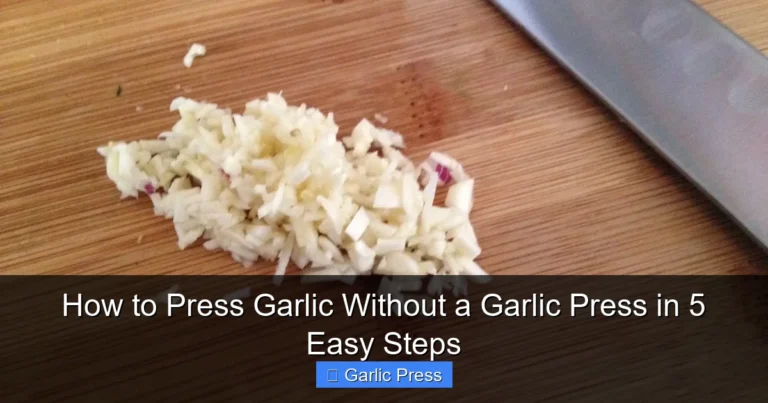
Visual guide about Exactly what is a garlic press used for and do you need one
Image source: muvi.com
When you use a garlic press, you are crushing almost every cell in the clove simultaneously. This releases a massive amount of allicin all at once. If you mince garlic with a knife, you are only slicing through a portion of the cells. Therefore, garlic that has been through a press is significantly more potent and intense than garlic that has been chopped. This can be a huge benefit if you want a bold flavor, but it can be overwhelming if you are looking for a subtle hint of garlic.
Step-by-Step: How to Use a Garlic Press
Using a garlic press might seem self-explanatory, but there are a few tricks to getting the best results and making cleanup easier. Follow these steps to master your garlic press.

Visual guide about Exactly what is a garlic press used for and do you need one
Image source: m.media-amazon.com
Step 1: Select and Prepare Your Garlic
Start with fresh, firm garlic cloves. Avoid cloves that have started to sprout green shoots, as these can taste bitter. You do not actually need to peel the garlic before using most modern presses. The pressure of the plunger will squeeze the garlic through the holes while leaving the papery skin behind in the basket. This is one of the biggest time-saving features of the tool.
Step 2: Load the Press
Open the handles of your garlic press to reveal the hopper. Place one or two cloves inside. If your cloves are very large, it is best to do one at a time to ensure you can apply enough leverage to crush them completely. If you are using a smaller press, do not overfill it, or the garlic might squeeze out of the sides instead of through the holes.
Step 3: Squeeze the Handles
Position the press over your bowl or pan. Grip the handles firmly and squeeze them together. You will feel some resistance at first as the cell walls of the garlic begin to break. Continue squeezing until the handles meet or until no more garlic emerges from the holes. You will see a fine paste extruding from the bottom of the device.
Step 4: Scrape the Extracted Garlic
Once you have finished squeezing, use a small knife or a spoon to scrape the garlic paste off the exterior of the garlic press. Do not let this garlic sit on the metal for too long, as it can start to dry and stick, making it harder to clean later. Ensure all that flavorful paste ends up in your recipe.
Step 5: Remove the Remaining Skin
Open the handles and pull out the flattened remains of the garlic. If you left the skin on, it will be a flat, dry disc at the bottom of the hopper. You can easily flick this into the trash. If you find small bits of garlic stuck in the holes, you can use a toothpick or a cleaning tool (which often comes with the press) to clear them out.
What Else Can You Use a Garlic Press For?
One common complaint about kitchen gadgets is that they are “unitaskers,” meaning they only do one thing. However, a garlic press is surprisingly versatile if you are willing to experiment. Here are a few alternative uses for your press:
Visual guide about Exactly what is a garlic press used for and do you need one
Image source: png.pngtree.com
- Ginger: Fresh ginger can be very fibrous and difficult to mince finely. You can cut a small piece of peeled ginger and put it through your garlic press to get fresh ginger juice and paste.
- Shallots: If you need a tiny amount of very fine shallot for a vinaigrette, a press works perfectly.
- Olives: You can crush pitted olives to make a quick tapenade or to add intense olive flavor to a sauce.
- Small Nuts: If you need a garnish of crushed walnuts or pecans, a quick squeeze in the press will do the job.
- Herbs: While not ideal for all herbs, you can sometimes press soft herbs like cilantro or parsley to release their oils into a marinade.
Garlic Press vs. Knife: Which Is Better?
This is the ultimate debate in the culinary world. Professional chefs often prefer a knife because it offers more control. When you mince garlic with a knife, you can choose the exact size of the pieces. Sliced garlic provides a mellow flavor, while minced garlic is stronger. Pressed garlic, as we discussed, is the strongest of all.
However, for the average home cook, the garlic press offers consistency. It is very difficult to mince garlic by hand as finely and uniformly as a press can. If the pieces are uneven, the smaller bits will burn while the larger bits remain raw. A press eliminates this problem entirely, ensuring every bit of garlic cooks at the same rate.
Another factor is speed. If a recipe calls for six cloves of garlic, mincing them by hand can take several minutes. With a garlic press, you can have them all processed in under sixty seconds. For busy weeknight dinners, this efficiency is often more important than the subtle flavor differences a knife provides.
Do You Really Need a Garlic Press?
Whether or not you need a garlic press depends on your cooking style and your priorities. Let’s break down who should buy one and who might want to skip it.
Buy a garlic press if:
- You cook with garlic frequently: If garlic is in almost every meal you make, the time saved will add up quickly.
- You dislike the smell of garlic on your hands: Using a press means you rarely have to touch the raw cloves directly.
- You struggle with knife skills: If you find mincing small items difficult or unsafe, a press is a much safer alternative.
- You want intense flavor: If you love the punchy, spicy bite of raw or lightly cooked garlic, the press is your best friend.
Skip the garlic press if:
- You prefer a minimalist kitchen: If you want to keep your drawers clutter-free, a high-quality chef’s knife can do everything a press can.
- You enjoy the process of prep work: Many people find chopping and mincing to be a meditative part of cooking.
- You mostly use sliced or whole garlic: If your favorite recipes call for “garlic chips” or whole roasted cloves, a press won’t help you much.
- You hate cleaning small gadgets: Some presses can be a bit of a nightmare to clean if you don’t do it immediately.
Choosing the Best Garlic Press
If you have decided that a garlic press is right for you, don’t just grab the cheapest one on the shelf. A poor-quality press will be difficult to squeeze and hard to clean, eventually leading you to tuck it away in the back of a drawer and never use it again. Look for these features when shopping:
Material Matters
Stainless steel is generally the best choice. It is durable, rust-resistant, and won’t react with the acids in the garlic. Aluminum is lighter and often cheaper, but it can sometimes discolor over time. Avoid cheap plastic versions, as they can snap under the pressure required to crush a firm clove.
Ergonomics and Grip
The handles should be comfortable in your hand. Look for a garlic press with slightly padded or non-slip grips. The lever action should feel smooth. If the handles are too short, you won’t have enough leverage, making the task much harder on your wrists.
Large Capacity
A larger basket allows you to press bigger cloves or even multiple cloves at once. This increases the efficiency of the tool. Make sure the plunger fits tightly into the basket; if there is too much of a gap, the garlic will just squeeze up and over the plunger instead of through the holes.
Ease of Cleaning
Look for a model that opens wide or has a removable basket. Some models are “self-cleaning,” meaning they have a set of built-in plastic studs that push any remaining garlic bits back out of the holes when you flip the handle around. Most importantly, check if the garlic press is dishwasher safe.
Cleaning and Maintenance Tips
The biggest downside to using a garlic press is cleaning it. If you let the garlic residue dry inside the tiny holes, it becomes like cement. However, if you follow these simple tips, cleaning is a breeze.
First, always rinse your garlic press immediately after use. Run it under hot water to wash away the majority of the fibers. If you can’t wash it right away, let it soak in a bowl of water until you are ready to do the dishes. This prevents the garlic from hardening.
Second, use a dedicated cleaning tool or a stiff-bristled brush. Many presses come with a small plastic comb designed to fit perfectly into the holes. If yours didn’t come with one, a clean toothbrush works perfectly. Simply brush the interior and exterior of the basket to dislodge any stuck pieces.
Finally, check the manufacturer’s instructions regarding the dishwasher. While many stainless steel presses are fine in the dishwasher, some finishes can be damaged by harsh detergents. If you want your garlic press to last for decades, a quick hand wash is usually the safest bet. The oils in garlic can also be removed more effectively with a little bit of dish soap and a sponge than by a dishwasher cycle alone.
Common Mistakes When Using a Garlic Press
Even with a simple tool like this, it is easy to make mistakes. One common error is trying to press too much at once. This can bend the handles or cause the garlic to spray out of the sides. Another mistake is not cleaning the tool thoroughly. Old, dried garlic left in the holes can harbor bacteria and impart a stale, bitter flavor to your next meal.
Many people also forget that pressed garlic burns much faster than chopped garlic. Because the pieces are so small, they only need a few seconds in a hot pan. Always add your pressed garlic toward the end of the sautéing process to ensure it stays sweet and savory rather than burnt and acrid. If you are making a soup or stew, adding the garlic at the very end can preserve that fresh, sharp bite that the garlic press is famous for.
Troubleshooting Your Garlic Press
If you find that your garlic press isn’t working as well as it used to, there are a few things to check. First, look at the holes. Are they clogged with old residue? A deep soak in warm, soapy water and a thorough scrubbing with a brush can often restore its performance.
If the handles feel loose or wobbly, the hinge pin may be wearing out. On some high-end models, you can tighten this pin, but on cheaper models, it may be a sign that you need a replacement. If the garlic is leaking out of the top, ensure you aren’t using cloves that are too large for the basket. Cutting a large clove in half before putting it in the press can solve this issue instantly.
Finally, if you find that the garlic is coming out as a mushy liquid rather than a paste, your garlic might be too old. Fresh garlic has more structure and will extrude perfectly. Older garlic tends to lose its moisture and structure, leading to less-than-ideal results when using a garlic press.
Conclusion
So, exactly what is a garlic press used for? It is a specialized tool designed to make your life in the kitchen easier, faster, and more flavorful. While it might not be a “requirement” for every single person, it is a valuable asset for anyone who values their time and loves the bold taste of garlic.
By using a garlic press, you can achieve a level of consistency and intensity that is hard to replicate with a knife. Whether you are whipping up a quick weeknight pasta or a complex marinade, this tool ensures that your garlic is perfectly processed every single time. As long as you choose a high-quality model and remember to rinse it immediately after use, you will likely find that it becomes one of the most-used gadgets in your kitchen drawer.
In the end, cooking is about finding the tools that work for you. If a garlic press helps you get a healthy, delicious meal on the table with less stress, then it is absolutely worth the investment. Happy cooking!
🎥 Related Video: Testing a Garlic Press vs Crusher from Amazon!
📺 Hey It’s Honeysuckle