Does a Garlic Press Waste Garlic The Shocking Truth Revealed

A garlic press might seem like a time-saving tool, but it can actually waste garlic due to clumping, uneven crushing, and leftover residue. While convenient, using a press often results in less flavorful and more inconsistent minced garlic compared to manual chopping.
Key Takeaways
- Garlic press efficiency varies: Not all presses are created equal—cheap models often clog or crush unevenly, leading to more waste.
- Flavor impact: Pressing garlic releases more allicin, which can enhance flavor—but only if done correctly and without burning.
- Waste occurs at multiple stages: Garlic stuck in the press, unpressable cloves, and inconsistent texture all contribute to waste.
- Manual chopping can be better: Chopping garlic finely by hand often produces fresher, more consistent results with less waste.
- Proper cleaning prevents waste: Failing to clean your press after use leads to buildup, which reduces efficiency and increases waste over time.
- Garlic size matters: Using whole cloves instead of peeled ones saves time and reduces the chance of losing small bits inside the press.
- Alternatives exist: Consider using a microplane or knife for better control and less waste, especially for small batches.
Does a Garlic Press Waste Garlic? The Shocking Truth Revealed
Have you ever reached for your garlic press, only to find it jammed, leaking garlic paste, or leaving behind stubborn bits of clove? You’re not alone. The garlic press is a kitchen gadget beloved by home cooks and professional chefs alike—but is it really worth the garlic it might waste? In this comprehensive guide, we’ll explore the truth behind garlic press efficiency, whether they actually waste garlic, and how to use them (or avoid them) for the best results.
By the end of this article, you’ll understand the pros and cons of using a garlic press, learn how to minimize waste, and discover when it might be better to skip the press altogether. Whether you’re a garlic lover or just trying to save time in the kitchen, this guide will help you make smarter decisions about one of the most common—and controversial—kitchen tools.
What Is a Garlic Press and How Does It Work?
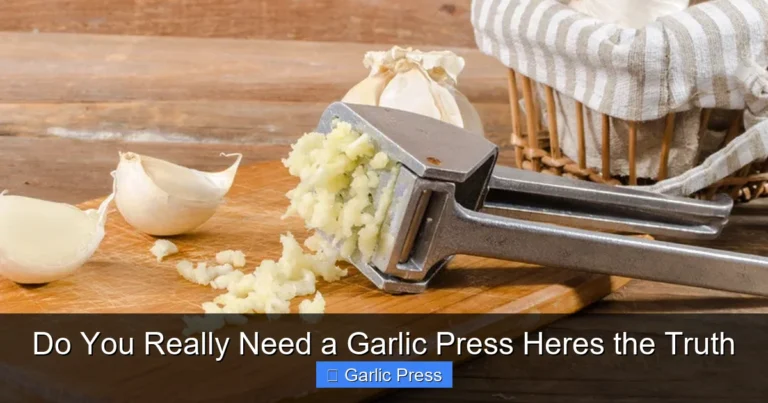
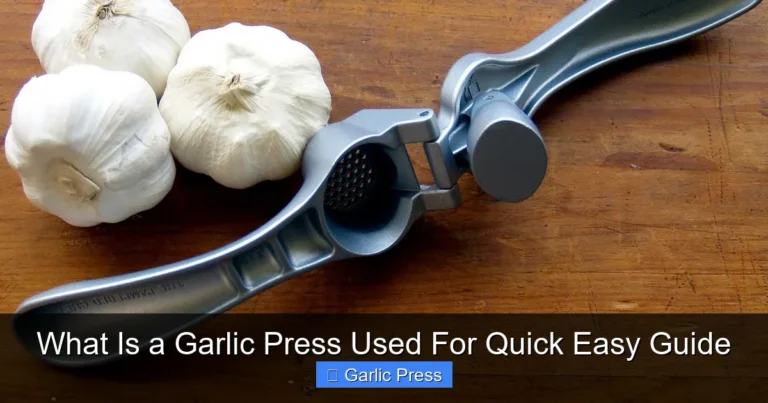
A garlic press is a small, handheld kitchen tool designed to crush and mince garlic cloves into a fine paste. Most presses consist of two metal or silicone plates with holes or blades that squeeze together when force is applied. As the user squeezes the handles, garlic cloves are forced through the holes, emerging as finely minced pieces ready to be used in cooking.

Visual guide about Does a Garlic Press Waste Garlic The Shocking Truth Revealed
Image source: images-na.ssl-images-amazon.com
Garlic presses come in various styles—manual, electric, and even ones with built-in cleaning brushes. Some are made of stainless steel, others of plastic or silicone. While they promise convenience, their effectiveness depends heavily on the design, quality, and proper use.
Types of Garlic Presses
- Manual Presses: The most common type, requiring hand pressure to crush garlic.
- Electric Presses: Plug-in devices that automatically crush garlic with a motor—rare but growing in popularity.
- Silicone or Rubber Presses: Softer materials that are easier to clean but may wear out faster.
- Presses with Cleaning Brushes: Some models include small brushes to help remove garlic residue.
Does a Garlic Press Really Waste Garlic?
Yes—and the answer isn’t simple. A garlic press can waste garlic in several ways: garlic gets stuck in the press, unpressable bits remain, and inconsistent crushing leads to uneven distribution. But the extent of waste depends on the model, how you prepare the garlic, and how well you maintain the tool.

Visual guide about Does a Garlic Press Waste Garlic The Shocking Truth Revealed
Image source: light-in-the-attic.s3.amazonaws.com
Let’s break down where waste actually occurs and why it matters.
Where Garlic Waste Happens
Waste doesn’t just mean garlic you can’t use. It includes:
- Garlic trapped inside the press: Small bits get stuck in the holes or behind the plates, especially with cheap or poorly designed models.
- Unpressed cloves: If the clove isn’t flat or small enough, it won’t go through the holes.
- Inconsistent texture: Over-pressing can turn garlic into a paste, which clogs the press and makes cleaning harder.
- Cross-contamination: Garlic stuck between uses can spoil or develop odors, making the press unsafe to use.
How Much Garlic Is Actually Wasted?
Experiments by kitchen gadget reviewers suggest that a typical garlic press may waste anywhere from 10% to 30% of the garlic used, depending on the model and user technique. That means for every three cloves you press, you might end up with one that’s stuck or unusable.
For example, if a recipe calls for three cloves, you might need to press four or even five to get enough usable garlic—especially if you’re using a low-quality press.
Step-by-Step: How to Use a Garlic Press Without Wasting Garlic
If you’re determined to use a garlic press, doing so correctly can minimize waste and improve results. Follow these steps for best practices.

Visual guide about Does a Garlic Press Waste Garlic The Shocking Truth Revealed
Image source: thefappeningblog.com
Step 1: Choose the Right Garlic
- Use fresh, room-temperature cloves—cold garlic is harder to press and more likely to break unevenly.
- Select medium-sized cloves that fit comfortably in the press’s chamber.
- Avoid cloves that are too small, as they may fall through the holes and get lost.
Step 2: Prepare the Garlic Properly
- Peel the cloves completely—peeling is essential to avoid skin fragments in your food.
- Flatten the cloves slightly by pressing them once with a knife’s flat edge. This helps them fit through the press.
- Use whole cloves, not chopped pieces—chopping increases surface area and can lead to uneven pressing.
Step 3: Load the Press Correctly
- Open the press and place 1 to 2 cloves per press—overloading causes clumping and waste.
- Ensure the cloves are flat-side down to maximize contact with the pressing mechanism.
- Close the press gently but firmly—don’t force it, or you’ll risk damaging the mechanism.
Step 4: Press Smoothly and Consistently
- Apply steady pressure until the garlic exits as a fine paste.
- If the press resists, open and check for blockages—never force it.
- For multiple cloves, press one at a time to avoid clogging.
Step 5: Clean Immediately After Use
- Rinse the press under hot water while it’s still warm to loosen residue.
- Use a toothpick or small brush to remove stuck bits from the holes.
- Disassemble the press if possible—this makes cleaning easier and prevents buildup.
- Never use soap inside the holes, as it can trap moisture and cause rust or odor.
Step 6: Store Properly
- After cleaning, dry the press completely before storing.
- Store in a dry, ventilated area to prevent rust or mold.
- Consider replacing the press every few years—cheap models wear out quickly.
Garlic Press vs. Manual Chopping: Which Is Better?
Many home cooks wonder whether a garlic press is worth the trouble compared to simply chopping garlic with a knife. Let’s compare the two methods.
Garlic Press Advantages
- Speed: Pressing is faster than chopping for large batches.
- Consistency: Produces uniform pieces, ideal for recipes requiring even distribution.
- Less hand fatigue: No need to repeatedly chop with a knife.
- Flavor boost: Crushing releases more allicin, the compound responsible for garlic’s pungent flavor.
Garlic Press Disadvantages
- Waste: As discussed, 10–30% of garlic can be lost.
- Maintenance: Requires frequent cleaning to function properly.
- Clogging: Cheap models often jam, especially with older or over-pressed garlic.
- Limited control: You can’t adjust the texture—too much pressure = paste.
Manual Chopping Advantages
- No waste: Every bit of garlic is used.
- Better control: You can chop finely or coarsely as needed.
- No cleaning required: Just rinse the knife and cutting board.
- Fresher flavor: Chopping allows you to let garlic sit before cooking, enhancing allicin development.
Manual Chopping Disadvantages
- Slower: Takes more time, especially for large quantities.
- Less consistent: Pieces may vary in size.
- More hand strain: Repeated chopping can tire the hands.
When to Use Each Method
- Use a garlic press when:
- You’re making a large batch (e.g., marinades, sauces).
- You prefer a paste texture.
- You’re using a high-quality, easy-clean model.
- Use a knife when:
- You’re cooking small amounts.
- You want to minimize waste.
- You’re making dishes where garlic flavor needs to mellow (e.g., roasted garlic).
Tips to Minimize Garlic Waste When Using a Press
Even with the best technique, some waste is inevitable. But you can reduce it significantly with these practical tips.
Tip 1: Use a High-Quality Press
Invest in a stainless steel, dishwasher-safe press with large, easy-to-clean holes. Avoid flimsy plastic models—they wear out fast and trap garlic.
Tip 2: Press One Clove at a Time
Overloading the press leads to clumping and blockages. Stick to one clove per press for best results.
Tip 3: Let the Press Cool Between Uses
If you’re pressing many cloves, let the press cool slightly between uses. Hot presses can melt silicone parts and cause clumping.
Tip 4: Use a Garlic Peeler
Save time and reduce waste by using a garlic peeler—it removes the skin quickly and evenly, so you don’t lose tiny bits during peeling.
Tip 5: Keep a Small Bowl for Residue
After cleaning, collect any leftover garlic bits in a small bowl. You can use them in soups, sauces, or pesto to avoid throwing them away.
Tip 6: Upgrade to a Garlic Grater
A microplane or garlic grater (like a rasp grater) can crush garlic quickly with minimal waste. Simply rub a peeled clove over the small holes.
Troubleshooting Common Garlic Press Problems
Even with proper use, garlic presses can develop issues. Here’s how to fix them.
Problem: Garlic Sticks to the Press
Cause: Poor design, lack of cleaning, or using too much force.
Solution: Clean immediately after use. Soak in warm water if necessary. Use a toothpick to clear holes. Consider switching to a press with a silicone or rubber base—they’re less likely to stick.
Problem: Press Won’t Crush Garlic
Cause: Clogged holes or overloading.
Solution: Disassemble and clean thoroughly. Avoid pressing more than one clove at a time. Use flattened cloves for better fit.
Problem: Garlic Comes Out as a Paste Instead of Small Pieces
Cause: Too much pressure or too many cloves.
Solution: Press gently and one clove at a time. Stop as soon as garlic exits—don’t squeeze further.
Problem: Rust or Odor Develops
Cause: Not drying after cleaning or using soap inside the mechanism.
Solution: Always dry completely. Avoid soap in the pressing chamber. Store in a dry place. Replace if rust is severe.
Alternative Tools to Reduce Garlic Waste
If you’re still concerned about waste, consider these alternatives.
Garlic Chopper
A small, handheld chopper with a blade and chamber works like a press but is easier to clean and less likely to clog. Some models have replaceable blades for different textures.
Microplane Grater
Rub a peeled clove over the fine side of a microplane to create a paste with minimal waste. It’s fast, easy to clean, and works well for small batches.
Knife and Cutting Board
For most home cooks, chopping garlic with a sharp knife is the simplest, most waste-free method. Just mince finely and let it sit for 10 minutes before cooking to maximize flavor.
Garlic Rocker
A rocking motion with a small tool crushes garlic gently without pressing it through holes—less likely to clog and more forgiving for beginners.
Conclusion: Is a Garlic Press Worth It Despite the Waste?
So, does a garlic press waste garlic? The answer is yes—but not necessarily more than other methods. While a garlic press can lose 10–30% of garlic due to clumping, stuck bits, and poor design, manual chopping has its own inefficiencies, like uneven texture and time spent.
The real question isn’t whether a garlic press wastes garlic—it’s whether that trade-off is worth it for you. If you value speed and consistency in large batches and use a high-quality press, the press may still be your best tool. But if you’re cooking small amounts or want to minimize waste and maximize flavor, a knife or microplane might be better.
Ultimately, the best tool is the one you’ll use consistently and enjoy. Whether you choose a garlic press, a chopper, or a simple knife, the goal is to get delicious, fresh garlic into your meals—waste or no waste.
For more tips on kitchen efficiency and ingredient use, check out our guides on fresh garlic vs. garlic powder and cooking efficiently for small families.
🎥 Related Video: Do you have healthy arteries? #arteries #bloodvessels #medicalvideo #doctorexplains
📺 Dr. Max, MD
Do you have healthy arteries? #arteries #bloodvessels #medicalvideo #doctorexplains.