Can Garlic Press Go in Dishwasher Yes or No

Discover whether your garlic press can safely go in the dishwasher. This guide explains the risks, benefits, and best practices for cleaning your tool, helping you keep it rust-free and ready for every recipe. Learn when to hand-wash instead and how to maintain peak performance.
Key Takeaways
- Material matters: Stainless steel and high-quality plastic presses are generally dishwasher-safe, but aluminum and low-grade plastic may warp or corrode.
- Rust is a major concern: Even if your press is dishwasher-safe, repeated exposure to moisture and heat can lead to rust over time, especially in the pressing chamber.
- Hand-washing is safest: To extend the life of your garlic press, clean it by hand with warm, soapy water and a brush after each use.
- Proper drying prevents damage: Always dry your garlic press thoroughly with a towel or air-dry it completely before storing to avoid moisture buildup.
- Check the manufacturer’s instructions: When in doubt, consult the user manual or product label—some brands explicitly warn against dishwasher use.
- Use a protective mat: Place a silicone mat in the dishwasher to cushion your garlic press and prevent scratching or damage during the cycle.
Can Garlic Press Go in Dishwasher Yes or No
Introduction: Why It Matters How You Clean Your Garlic Press
You love garlic—its bold flavor enhances everything from pasta to stir-fries. But if your garlic press starts to rust or lose efficiency, it’s time to ask: can a garlic press go in the dishwasher? This simple question leads to a bigger concern: how you clean your kitchen tools affects their lifespan, hygiene, and performance.
In this complete how-to guide, you’ll learn everything you need to know about cleaning your garlic press. We’ll cover materials, risks, safe methods, and maintenance tips. By the end, you’ll know exactly how to keep your garlic press in perfect working order—whether you’re tossing it in the dishwasher or scrubbing it by hand.
Understanding Garlic Press Materials
Not all garlic presses are created equal. The material your press is made from plays a huge role in whether it’s dishwasher-safe. Let’s break down the most common types.
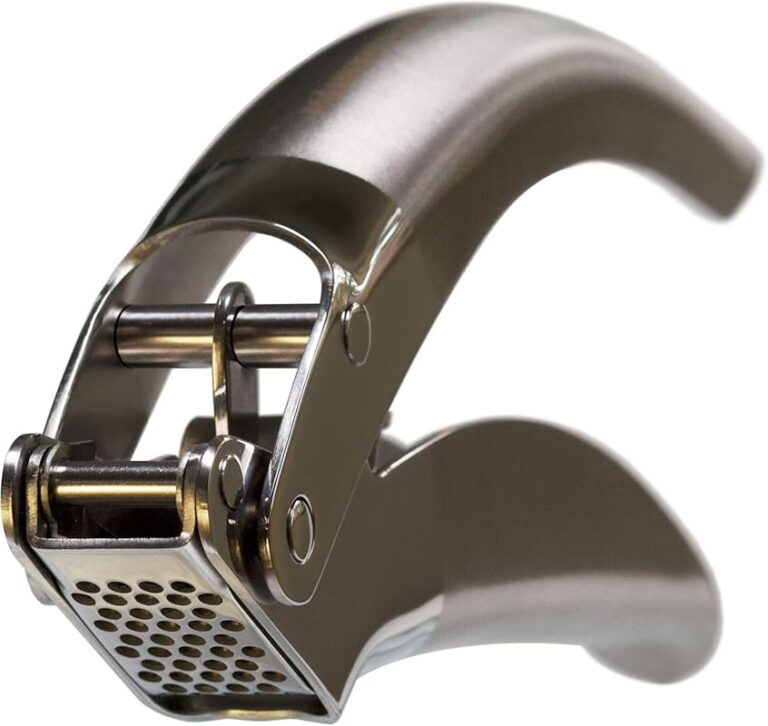
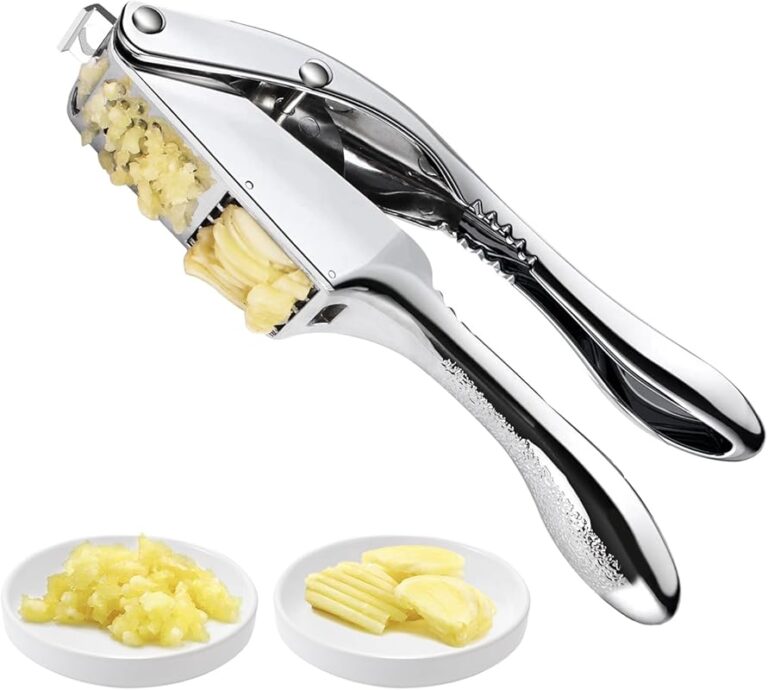
Stainless Steel Garlic Presses
Stainless steel is the gold standard for kitchen tools. It’s durable, non-reactive, and resists rust when cared for properly. High-quality stainless steel presses can typically handle the dishwasher cycle, especially on the top rack. However, even stainless steel can develop surface spots or discoloration if exposed to harsh detergents or high heat for too long.
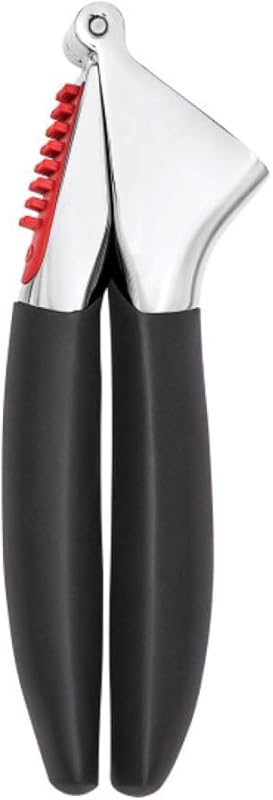
Plastic Garlic Presses
Most plastic garlic presses are made from polycarbonate or ABS plastic. These are lightweight and affordable, but they can warp or melt under high dishwasher temperatures. Cheaper models may also leach chemicals when exposed to hot water and detergent. If your press has a plastic handle or body, avoid the dishwasher unless the label says it’s safe.
Aluminum Garlic Presses
Aluminum presses are common and often less expensive. However, aluminum is prone to oxidation and can rust when exposed to moisture and detergent. The dishwasher’s hot water and steam can accelerate this process, leading to pitting or discoloration. It’s best to hand-wash aluminum presses and dry them immediately.
Mixed-Material Presses
Some garlic presses combine metal and plastic parts. These are tricky—metal parts may handle the dishwasher, but plastic components might not. Always inspect the product details or manual before washing.
Can You Put a Garlic Press in the Dishwasher? The Short Answer
Yes, but only if it’s made of high-quality stainless steel and labeled dishwasher-safe. For all other materials—especially aluminum or plastic—hand-washing is the safer choice.
The dishwasher may seem like a time-saver, but it’s not always kind to kitchen tools. The heat, moisture, and strong detergents can damage seals, warp plastic, and cause rust. Even if your press looks fine after one cycle, repeated use can shorten its life.
Step-by-Step: How to Clean Your Garlic Press
Whether you choose the dishwasher or sink, proper cleaning keeps your press hygienic and long-lasting. Follow these steps after every use.
Step 1: Disassemble the Press
Most garlic presses have two main parts: the pressing chamber and the handle. Remove any loose garlic bits. Some models come apart completely; others are one-piece. Check your manual if you’re unsure.
Step 2: Rinse Off Residue
Rinse the press under warm water to remove loose garlic pulp. This prevents gunk from drying and hardening inside the mechanism.
Step 3: Use Soap and a Brush
Apply a drop of dish soap to a soft brush or sponge. Scrub the pressing chamber, handle, and any crevices where garlic can hide. Pay special attention to the tiny holes—they clog easily.
Step 4: Rinse Thoroughly
Make sure all soap is washed away. Leftover detergent can affect taste and may cause skin irritation if not rinsed well.
Step 5: Dry Completely
Use a clean towel to dry every part. Then, let it air-dry for at least 10 minutes. Moisture is the enemy of rust—especially in metal presses.
Step 6: Reassemble and Store
Once dry, reassemble the press and store it in a dry place. A kitchen drawer with good airflow is ideal.
When to Use the Dishwasher (And When to Skip It)
Let’s be clear: the dishwasher isn’t always the best option. Here’s when it’s okay—and when to avoid it.
Safe to Use in Dishwasher:
- Stainless steel presses labeled “dishwasher-safe”
- Top-rack only (bottom rack gets hotter)
- Short cycle with mild detergent
- No pre-rinse (modern dishwashers are efficient without it)
Not Safe for Dishwasher:
- Aluminum presses
- Plastic handles or bodies
- Presses with wooden parts
- Any model without a dishwasher-safe label
Tips for Extending Your Garlic Press’s Life
Even if your press can go in the dishwasher, a little extra care goes a long way. Here are expert tips to keep it working like new.
1. Clean Immediately After Use
Don’t let garlic sit in the press. The longer it stays, the harder it is to clean. Make it a habit to rinse and scrub right after cooking.
2. Use a Soft Brush
Hard bristles can scratch the surface and trap bacteria. A silicone or nylon brush is gentle yet effective.
3. Avoid Harsh Cleaners
Bleach, abrasive powders, or steel wool can damage metal and plastic. Stick to mild dish soap.
4. Oil the Pivot Point (If Applicable)
Some presses have a small hinge or pivot. Lightly oil it once a month with food-safe mineral oil to prevent sticking.
5. Store Properly
Keep your press in a dry spot. Avoid damp cabinets or near the sink. A magnetic strip or utensil holder works well.
Troubleshooting Common Garlic Press Problems
Even with proper care, issues can arise. Here’s how to fix them.
Problem: Garlic Sticks to the Chamber
This usually means the press isn’t clean or is worn. Deep-clean with warm, soapy water and a toothbrush. If it persists, the mechanism may be damaged—consider replacing the press.
Problem: Rust Spots Appear
Moisture buildup causes rust. Dry the press thoroughly after each use. For existing rust, gently scrub with baking soda and water, then rinse and dry immediately.
Problem: Handle or Lever Feels Loose
This indicates wear or misalignment. Tighten screws if possible. If it’s loose beyond repair, the press may need replacement.
Problem: Plastic Part Warps
Heat from the dishwasher or hot water can deform plastic. Replace the press if the handle or body is misshapen.
Why Hand-Washing Is Often the Best Option
Despite the convenience of the dishwasher, hand-washing offers several advantages for your garlic press.
First, you control the temperature. Hot water can warp plastic or loosen seals. Second, you can inspect the press closely for damage. Third, gentle scrubbing removes stubborn residue without harsh chemicals. Finally, it’s better for the environment—less energy used per item.
For daily use, hand-washing takes just 2–3 minutes. That’s a small price to pay for a longer-lasting tool.
Can You Put a Garlic Press in the Dishwasher on the Top Rack?
Yes, if it’s stainless steel and dishwasher-safe. Place it on the top rack to avoid direct contact with the heating element. Use a protective mat or utensil basket to prevent movement during the cycle. Avoid placing it near sharp knives or other metal items that could scratch it.
Still, even top-rack cycles expose your press to steam and detergent. Over time, this can cause discoloration or weaken seals. For best results, hand-wash whenever possible.
Signs It’s Time to Replace Your Garlic Press
No tool lasts forever. Here’s when to say goodbye.
- Rust covers more than half the surface
- Plastic parts are cracked or warped
- Garlic won’t press through cleanly
- Screws are stripped or missing
- Odor or residue remains after deep cleaning
Investing in a high-quality press from the start can save you money and frustration in the long run.
Conclusion: Keep Your Garlic Press in Great Shape
So, can a garlic press go in the dishwasher? The answer isn’t black and white. Yes, if it’s made of durable, dishwasher-safe materials. But for most presses—especially those with plastic or aluminum parts—hand-washing is the safest and smartest choice.
By cleaning your garlic press properly, you ensure it stays rust-free, hygienic, and ready for every recipe. Whether you’re making garlic butter for steaks or adding flavor to a stir-fry, a well-maintained press makes cooking easier and tastier.
Remember: a little care goes a long way. Clean it right after use, dry it completely, and store it in a dry place. With these simple steps, your garlic press will stay in top condition for years.
And when you’re ready to explore more kitchen tips, check out our guide on fresh garlic vs. garlic powder to learn when to use each in your cooking. You might be surprised how much flavor you’re missing!
🎥 Related Video: STEEL GARLIC PRESS WITH HANDLE #garlic #kitchen #kitchengadgets #trending #smartgadgets #shortvideo
📺 starfun
ERGONOMIC HANDLE- The garlic tools of kitchen features an ergonomic, soft, easy-squeeze handle specially designed to put …