What Does Pressed Garlic Mean and Why It Matters in Cooking

Pressed garlic is fresh garlic that has been mechanically crushed or mashed into a smooth paste using a garlic press. It’s faster than mincing by hand and delivers consistent texture and bold flavor. Whether you’re sautéing, roasting, or making sauces, using pressed garlic can elevate your dishes with less effort.
Key Takeaways
- Pressed garlic is made by crushing whole garlic cloves into a paste using a garlic press. This method saves time and ensures even distribution of flavor in recipes.
- It offers a more intense garlic flavor compared to whole or sliced cloves. The fine texture also blends better into sauces, dressings, and marinades.
- Cleaning your garlic press regularly prevents garlic residue buildup. Garlic sticks to the small holes, so soaking or scrubbing is essential.
- Pressed garlic can be stored in the refrigerator for up to 7 days. For longer storage, freeze in an airtight container for up to 3 months.
- Some chefs prefer hand-minced garlic for subtlety, but pressed garlic is ideal for bold dishes. Choose based on your recipe’s flavor profile.
- Using a garlic press reduces the risk of cuts from knife work. It’s a safer, ergonomic option for busy kitchens.
- Not all garlic presses are equal—invest in a sturdy, easy-to-clean model. Look for durable materials and dishwasher-safe parts.
What Does Pressed Garlic Mean and Why It Matters in Cooking
Have you ever stood over a cutting board, knife in hand, trying to finely mince garlic for a stir-fry, soup, or marinade? If so, you know how time-consuming and repetitive it can be. Enter pressed garlic—a simple yet game-changing technique that transforms whole garlic cloves into a smooth, flavorful paste in seconds. But what exactly does “pressed garlic” mean, and why should it matter to every home and professional cook?
This guide will walk you through everything you need to know about pressed garlic: how it’s made, why it’s better than other forms of garlic preparation, how to use it in recipes, and how to maintain your garlic press for long-term success. Whether you’re a beginner or a seasoned chef, mastering the art of pressed garlic will elevate your cooking with less effort and more flavor.
What Is Pressed Garlic?
Visual guide about What Does Pressed Garlic Mean and Why It Matters in Cooking
Image source: thewateringmouth.com
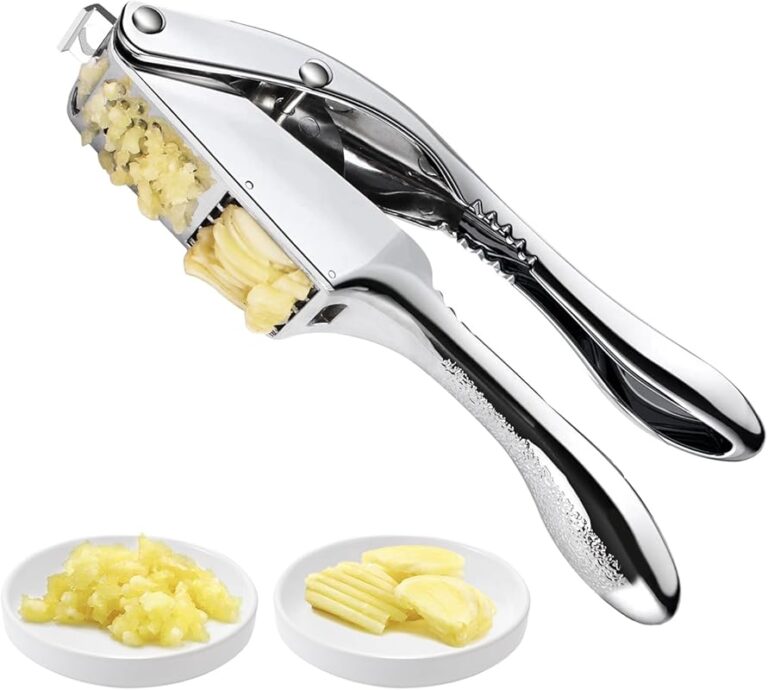
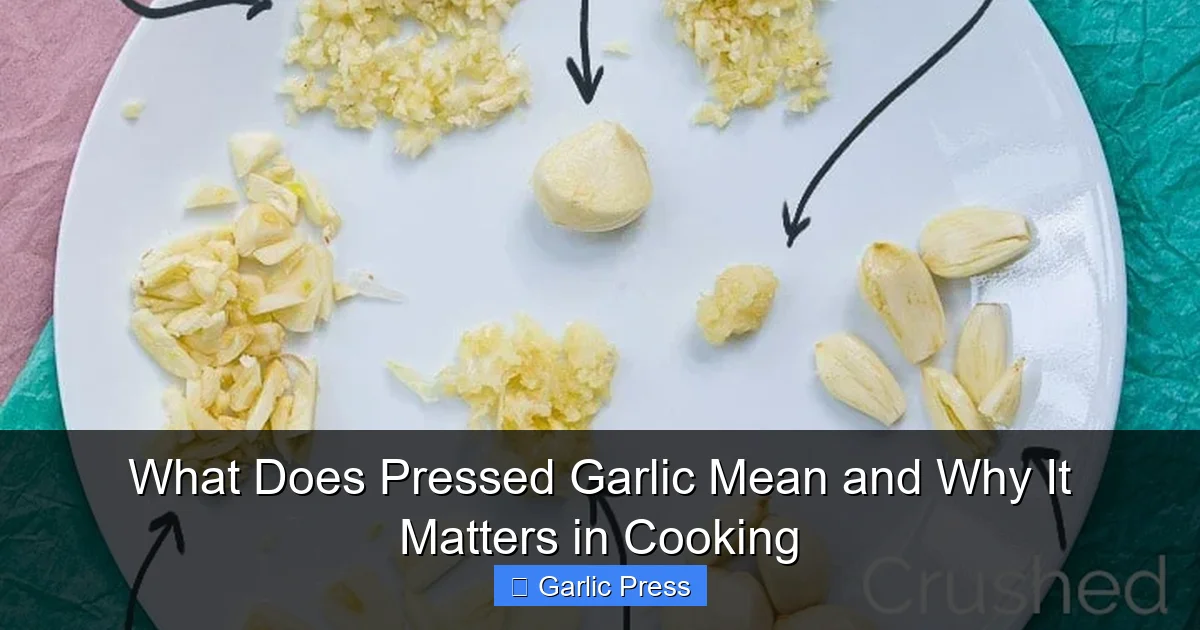
Pressed garlic refers to fresh garlic cloves that have been mechanically crushed or mashed into a fine paste using a garlic press—a kitchen tool designed specifically for this purpose. Unlike mincing (which involves chopping garlic into tiny pieces with a knife), pressing forces the garlic through small holes, resulting in a smooth, uniform consistency.
This method is especially popular in fast-paced kitchens, meal prep routines, and recipes where consistent texture and maximum flavor release are key. When garlic is pressed, the cell walls break down rapidly, releasing more allicin—the compound responsible for garlic’s pungent, health-boosting properties.
How Is Pressed Garlic Different From Mincing or Chopping?
While mincing and chopping garlic also break down the cloves, the texture and flavor release differ significantly:
– Mincing yields small, uneven pieces that can be too sharp or bitter if overdone.
– Chopping results in larger chunks, which may not blend well in liquids.
– Pressing creates a smooth, paste-like texture that dissolves easily and distributes flavor evenly.
Pressed garlic is ideal for recipes like salad dressings, marinades, sauces (like aioli or pesto), and sautéed vegetables where you want maximum flavor without texture.
Why Use a Garlic Press?
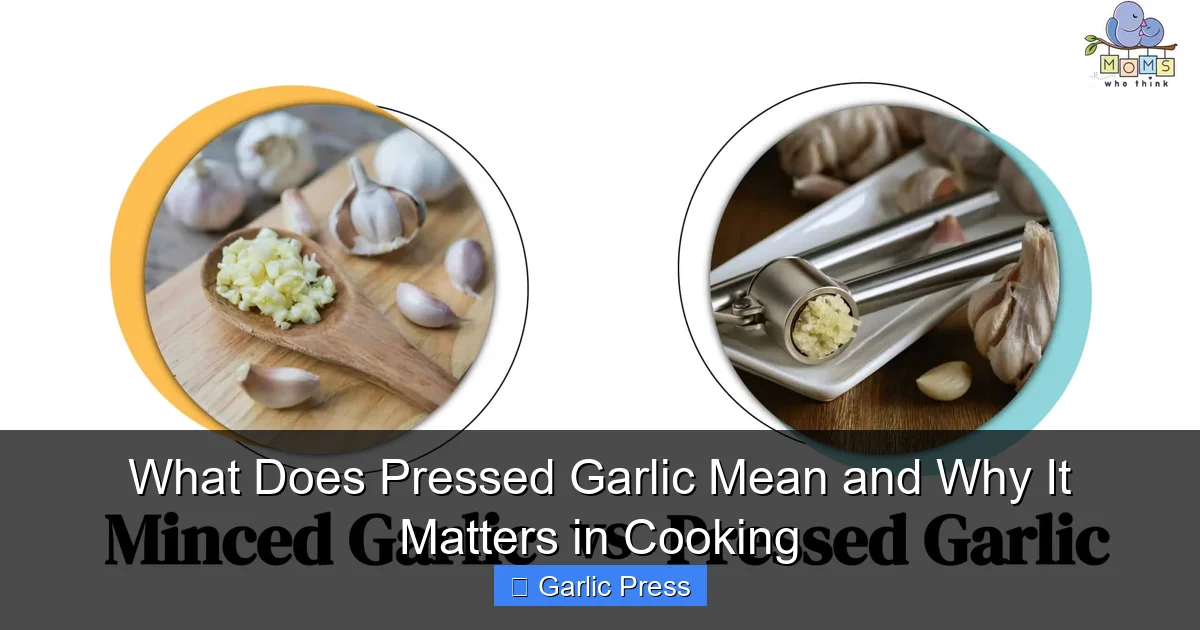
Visual guide about What Does Pressed Garlic Mean and Why It Matters in Cooking
Image source: momswhothink.com
Using a garlic press offers several advantages over traditional knife work:
– Speed: A whole head of garlic can be pressed in under a minute.
– Consistency: Every clove comes out the same size and texture.
– Safety: No sharp knife required—great for kids or those with limited dexterity.
– Hygiene: Reduces cross-contamination since no knife touches the garlic.
– Efficiency: Perfect for meal prep and large-batch cooking.
Many professional chefs and home cooks swear by garlic presses for their reliability and clean results. Plus, they’re compact and easy to store—ideal for small kitchens.
How to Use a Garlic Press: Step-by-Step Guide
Visual guide about What Does Pressed Garlic Mean and Why It Matters in Cooking
Image source: garlicdelight.com
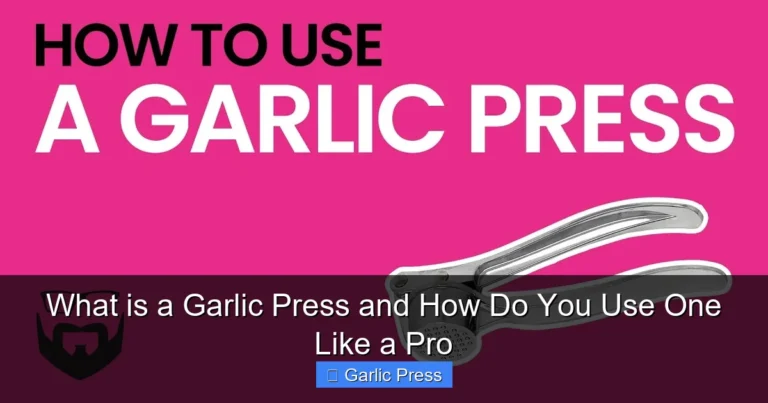
Using a garlic press is simple, but doing it correctly ensures the best flavor and easiest cleanup. Follow these steps:
Step 1: Select Fresh Garlic Cloves
Choose firm, plump garlic bulbs with papery but intact skin. Avoid cloves that are soft, sprouting, or discolored. Fresh garlic yields the best flavor and is easier to press.
Step 2: Peel the Garlic Cloves
Peeling is the most time-consuming part—but there are tricks to speed it up:
– Microwave method: Place a clove in a bowl with a splash of water, cover, and microwave for 10–15 seconds. The skin should slip off.
– Knock method: Tap the clove firmly on a cutting board to loosen the skin.
– Peel press: Some garlic presses come with peelers—use them for extra convenience.
Step 3: Load the Garlic Press
Open the press and insert 1–2 peeled cloves at a time. Avoid overloading—too many cloves can clog the holes or make pressing difficult.
Step 4: Press Firmly
Squeeze the handles together firmly but steadily. You should hear a soft “squish” as the garlic passes through the holes. Repeat until all cloves are processed.
Step 5: Clean the Press Immediately
Garlic sticks to the press, especially the small holes. Rinse under warm water immediately after use, or soak in soapy water to loosen residue. Use a brush or toothpick to clear any stuck bits.
Tips for Perfect Pressed Garlic
– Use room-temperature garlic: Cold cloves are harder to press and may clog the press.
– Don’t press too many cloves at once: This reduces efficiency and increases cleanup time.
– Store pressed garlic properly: Transfer to a small bowl, cover with a bit of olive oil (optional), and refrigerate for up to 7 days.
– Freeze for long-term use: Portion into ice cube trays, cover with oil, and freeze. Use cubes as needed in cooking.
– Experiment with flavor: Add a pinch of salt or a splash of lemon juice to pressed garlic to brighten the flavor.
What Can You Cook With Pressed Garlic?
Pressed garlic is incredibly versatile. Here are some popular uses:
– Marinades: Combine pressed garlic with olive oil, soy sauce, and herbs for meat, tofu, or chicken.
– Sauces and dressings: Stir into aioli, ranch, or vinaigrettes for instant depth.
– Soups and stews: Add a spoonful to broths for rich, aromatic flavor.
– Roasted vegetables: Toss with olive oil and pressed garlic before roasting.
– Garlic butter: Mix with softened butter and use on bread, steak, or seafood.
For example, try adding pressed garlic to what is olive oil and how to use it—a classic pairing that enhances both ingredients.
Troubleshooting Common Garlic Press Problems
Even the best tools can have hiccups. Here’s how to fix common issues:
Garlic Press Clogs
Cause: Too many cloves loaded at once or garlic paste stuck in holes.
Solution: Clean immediately after use. Soak in warm, soapy water and use a small brush or toothpick to clear holes.
Garlic Sticks to the Press
Cause: Inadequate cleaning or dry garlic.
Solution: Rinse right after pressing. A light coating of oil on the pressing chamber can also help (but avoid oil buildup).
Garlic Paste Is Too Dry
Cause: Over-pressing or using old garlic.
Solution: Use fresh, plump cloves and press only until smooth—don’t squeeze excessively.
Garlic Press Is Hard to Squeeze
Cause: Rust, corrosion, or worn-out springs.
Solution: Invest in a high-quality, stainless steel press. Replace if parts are damaged.
Pressed Garlic vs. Garlic Powder: What’s the Difference?
Many people wonder if pressed garlic is better than garlic powder. While both add flavor, they differ significantly:
| Feature | Pressed Garlic | Garlic Powder |
|——————–|——————————|—————————–|
| Flavor | Fresh, bold, pungent | Dried, milder, slightly sweet |
| Texture | Smooth paste | Fine powder |
| Shelf Life | 7 days (refrigerated) | 2–3 years (pantry) |
| Best Use | Fresh dishes, sauces | Baking, dry rubs, soups |
For maximum flavor and nutrition, fresh garlic (whether pressed or minced) is superior to garlic powder. That’s why recipes calling for “garlic” typically mean fresh.
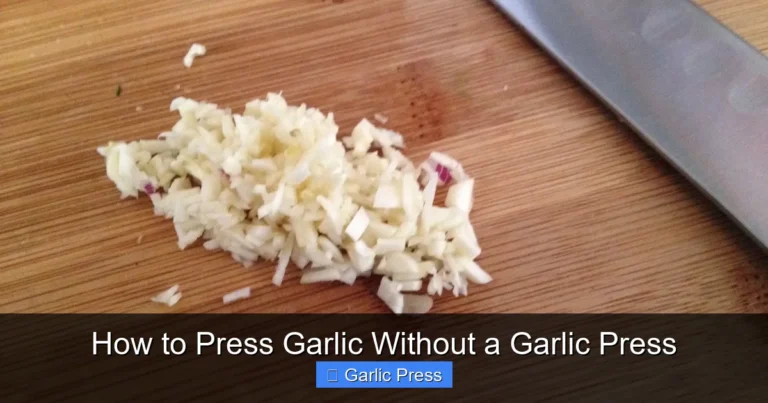
Can You Make Pressed Garlic Without a Press?
Yes! If you don’t have a garlic press, you can use a fork, mortar and pestle, or even a knife:
– Fork method: Smash cloves on a cutting board with a fork until pulverized.
– Mortar and pestle: Crush slowly for a coarse paste.
– Knife + cutting board: Mince finely and mash slightly.
However, these methods are less efficient and may not yield the same smooth texture. A garlic press remains the gold standard.
Storing Pressed Garlic: How Long Does It Last?
Freshness matters. Pressed garlic should be used within 7 days for optimal flavor. Store it in an airtight container in the refrigerator. For longer storage, freeze in portioned cubes covered with oil or broth. Frozen pressed garlic lasts up to 3 months and can be added directly to hot dishes without thawing.
Is Pressed Garlic Healthier?
Yes! When garlic is pressed or crushed, enzymes convert alliin to allicin—the compound with potent antioxidant and immune-boosting properties. This process enhances garlic’s health benefits, including heart health and anti-inflammatory effects. However, overcooking or prolonged heat can reduce allicin levels, so use pressed garlic in cold or lightly cooked dishes when possible.
Choosing the Right Garlic Press
Not all garlic presses are created equal. Look for these features:
– Durable materials: Stainless steel or high-quality plastic.
– Easy-to-clean design: Dishwasher-safe parts are a plus.
– Ergonomic handles: Comfortable grip reduces hand fatigue.
– Removable parts: Makes cleaning easier.
– Garlic peeler included: Saves time on prep.
Avoid flimsy, spring-loaded models that break easily. A good garlic press is a long-term investment in your kitchen efficiency.
Conclusion: Why Pressed Garlic Belongs in Every Kitchen
Pressed garlic isn’t just a convenience—it’s a flavor upgrade. By breaking down garlic cells quickly and evenly, it releases more aroma and taste than traditional chopping. Whether you’re making a quick pasta sauce, marinating chicken, or spicing up a salad, pressed garlic delivers bold results with minimal effort.
With the right technique and a quality garlic press, you’ll spend less time prepping and more time enjoying delicious, restaurant-quality meals. Plus, it’s safer, cleaner, and perfect for meal prep.
So next time you reach for garlic, grab your press—and transform your cooking one clove at a time.
Related Topics You Might Enjoy
– Fresh Garlic vs. Garlic Powder: Which Is Better?
– What Is Olive Oil and How to Use It
– What Is Cornstarch and How to Use It
🎥 Related Video: THE WAY YOU USE GARLIC… DOES IT MATTER?
📺 Michael Tchao
Absolutely. Intensity changes when you cut the garlic because of how much is exposed. Meaning that different cuts have different …