
Not all frying pans are non stick. While many frying pans have non stick coatings, traditional pans come in various materials like stainless steel and cast iron, which require different care and cooking techniques. Understanding the types of frying pans helps you pick the right one for your kitchen and cooking style.
Contents
- 1 Key Takeaways
- 2 Quick Answers to Common Questions
- 3 📑 Table of Contents
- 4 Are All Frying Pans Non Stick? Discover What You Need to Know
- 5 What Is a Non Stick Frying Pan?
- 6 Types of Frying Pans Without Non Stick Coatings
- 7 How to Choose the Right Frying Pan for You
- 8 Care Tips for Non Stick and Traditional Frying Pans
- 9 Practical Examples: Matching Your Pan to Your Dish
- 10 Conclusion: Are All Frying Pans Non Stick?
- 11 Frequently Asked Questions
Key Takeaways
- Not all frying pans have a non stick surface: Many pans are made from stainless steel, cast iron, or aluminum without non stick coatings.
- Non stick pans use special coatings: These coatings prevent food from sticking but need gentle care.
- Different materials suit different cooking tasks: Cast iron is great for searing, while non stick pans excel in cooking delicate foods.
- Non stick pans require more careful maintenance: Avoid metal utensils and high heat to preserve the coating.
- Choosing the right pan depends on your cooking style: Knowing pros and cons helps make the best choice.
- Durability varies widely: Cast iron pans can last decades, while non stick coatings may wear out sooner.
- Price and care influence your decision: Non stick pans are usually affordable but less durable, stainless steel and cast iron require seasoning or polishing but are long-lasting.
Quick Answers to Common Questions
Are all frying pans coated with non stick material?
No, many frying pans are made from materials like stainless steel, cast iron, or carbon steel without non stick coatings.
What are the advantages of non stick frying pans?
Non stick pans allow easy food release, require less oil, and are typically easier to clean.
Can you use metal utensils on non stick pans?
It’s best to avoid metal utensils on non stick pans to prevent scratching the coating.
How often should you replace a non stick frying pan?
When the coating starts peeling or food sticks more often, it’s time to replace the pan, usually after 3-5 years.
Do cast iron pans have a non stick surface?
Cast iron pans develop a natural non stick seasoning over time but don’t have synthetic coatings.
📑 Table of Contents
- Are All Frying Pans Non Stick? Discover What You Need to Know
- What Is a Non Stick Frying Pan?
- Types of Frying Pans Without Non Stick Coatings
- How to Choose the Right Frying Pan for You
- Care Tips for Non Stick and Traditional Frying Pans
- Practical Examples: Matching Your Pan to Your Dish
- Conclusion: Are All Frying Pans Non Stick?
Are All Frying Pans Non Stick? Discover What You Need to Know
If you’re shopping for a frying pan or just curious about cooking tools, you might wonder: are all frying pans non stick? The short answer is no. While many frying pans today come with non stick coatings designed to make cooking and cleanup easier, a wide variety of frying pans without non stick surfaces are still popular and useful in kitchens everywhere.
In this article, we’ll explore the different types of frying pans available, the pros and cons of non stick versus traditional pans, and tips on choosing the right frying pan for your cooking needs. Whether you’re a beginner or a seasoned cook, understanding these differences will help you make smarter choices in the kitchen.
What Is a Non Stick Frying Pan?
The Non Stick Coating Explained
Non stick frying pans are coated with materials like polytetrafluoroethylene (PTFE), commonly known by the brand name Teflon, or ceramic-based coatings. These coatings create a smooth, slick surface that prevents food from sticking during cooking.
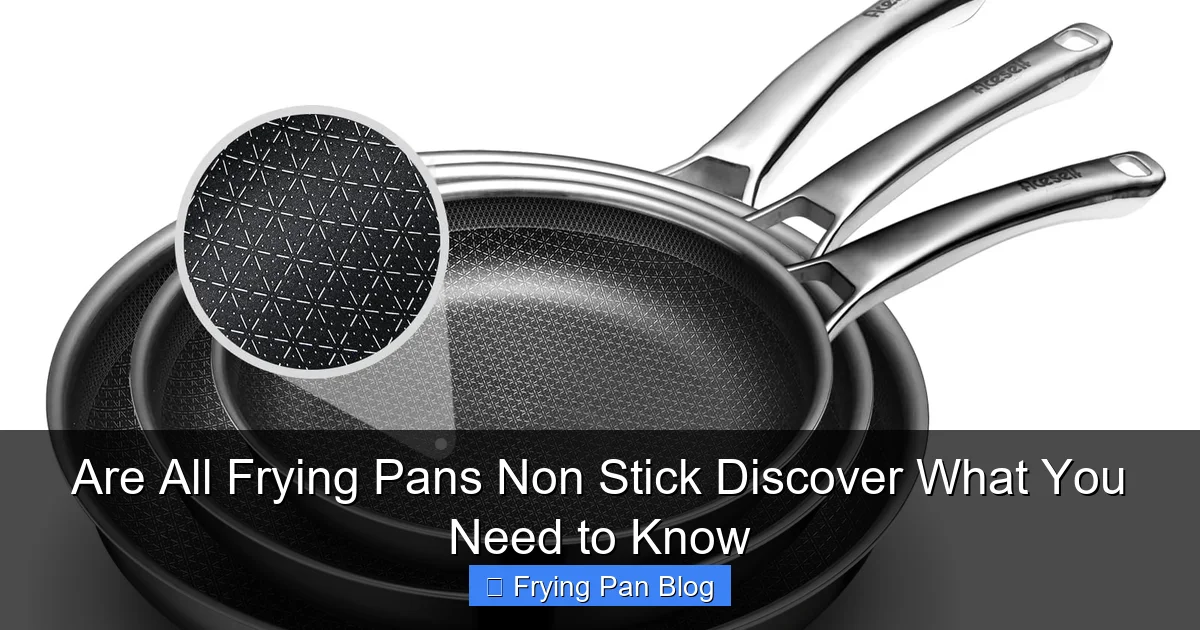
Visual guide about Are All Frying Pans Non Stick Discover What You Need to Know
Image source: images-na.ssl-images-amazon.com
Benefits of Non Stick Pans
- Easy food release – eggs, pancakes, and delicate fish cook smoothly.
- Less oil or fat needed, making meals healthier.
- Simple to clean – usually just a quick wipe or soak.
Limitations
Non stick coatings can wear down over time and are sensitive to high heat and metal utensils, which can cause scratches or peeling.
Types of Frying Pans Without Non Stick Coatings
Stainless Steel Frying Pans
Stainless steel pans are durable and resistant to rust and corrosion. They don’t have a non stick coating but develop a natural “seasoning” with use. These pans are great for browning, searing, and deglazing.
Cast Iron Frying Pans
Cast iron pans are heavy, retain heat exceptionally well, and when properly seasoned, develop a natural non stick surface. They require regular maintenance like seasoning and careful cleaning but can last generations.
Carbon Steel Frying Pans
Similar to cast iron but lighter, carbon steel pans also need seasoning. They heat quickly and are popular in professional kitchens for their versatility.
Aluminum Pans Without Coatings
Aluminum pans conduct heat well but often come with non stick coatings. Uncoated aluminum is less common for frying pans due to its reactive nature with acidic foods.
How to Choose the Right Frying Pan for You
Consider Your Cooking Habits
If you often cook eggs, pancakes, or delicate fish, a non stick pan can make life easier. For high-heat searing or browning, a stainless steel or cast iron pan might be better.
Think About Maintenance
Non stick pans require gentle care to last. Cast iron and carbon steel need seasoning and careful cleaning but can last longer if maintained.
Budget and Longevity
Non stick pans are usually affordable but may need replacement every few years. Cast iron pans are an investment but can last a lifetime.
Care Tips for Non Stick and Traditional Frying Pans
Maintaining Your Non Stick Pan
- Avoid metal utensils; use wooden or silicone tools instead.
- Cook on low to medium heat to protect the coating.
- Hand wash with mild detergent; avoid abrasive sponges.
- Replace pans when the coating peels or scratches heavily.
Maintaining Cast Iron and Carbon Steel
- Season your pan regularly with oil to build up a natural non stick layer.
- Avoid soap or abrasive scrubbers; wipe clean or use hot water and a brush.
- Dry thoroughly and apply a light coat of oil after each use to prevent rust.
Stainless Steel Care
- Use proper heat to avoid food sticking unnecessarily.
- Deglaze the pan with liquid after searing to loosen stuck bits.
- Clean with a stainless steel cleaner to maintain shine.
Practical Examples: Matching Your Pan to Your Dish
Cooking Eggs
Non stick pans are ideal for eggs and omelets because they slide out easily. If using stainless steel, preheat well and add enough fat to prevent sticking.
Searing Steaks
Cast iron and stainless steel pans excel at searing steaks because they retain and distribute heat evenly, creating a perfect crust.
Stir Frying
Carbon steel pans are popular for stir frying due to their quick heating and natural non stick surface when seasoned.
Conclusion: Are All Frying Pans Non Stick?
To sum it up, not all frying pans are non stick. Many traditional frying pans made from stainless steel, cast iron, or carbon steel do not have synthetic non stick coatings but still perform wonderfully when used and cared for correctly. Non stick frying pans make cooking and cleaning easier but require gentle handling and have a limited lifespan. Choosing the right frying pan depends entirely on your cooking style, preferences, and maintenance willingness.
Next time you shop for a frying pan, remember that “non stick” is just one feature among many. Consider the material, durability, and what dishes you plan to cook. With the right pan in hand, you’ll enjoy cooking even more!
🎥 Related Video: Safest alternatives to non stick cookware #nonstickcookware #safehome #kitchengadgets #kitchentools
📺 Pots and Pans India
Frequently Asked Questions
What is the difference between non stick and stainless steel frying pans?
Non stick pans have a special coating that prevents food from sticking, while stainless steel pans rely on heat and oil, often requiring more careful cooking techniques.
Are ceramic frying pans non stick?
Ceramic pans have a natural non stick surface without PTFE but their non stick properties may wear faster than traditional non stick coatings.
Can I use cast iron pans on induction cooktops?
Yes, cast iron pans work very well on induction cooktops due to their magnetic properties.
How do I season a cast iron frying pan?
To season, coat the pan with a thin layer of oil and bake it upside down in the oven at around 375°F (190°C) for an hour, then let it cool. Repeat as needed.
Is it safe to cook on a scratched non stick pan?
Cooking on a heavily scratched non stick pan is not recommended as the coating can flake off and potentially release harmful substances.
What frying pan is best for high heat cooking?
Cast iron and stainless steel frying pans are best for high heat cooking because they can withstand high temperatures without damage.
