
Aluminium frying pans are popular for their excellent heat conduction and lightweight design. They offer quick cooking and easy handling, but concerns about durability and reactivity exist. Overall, aluminium pans can be great for everyday cooking when chosen wisely and cared for properly.
Contents
- 1 Key Takeaways
- 2 📑 Table of Contents
- 3 Are Aluminium Frying Pans Good for Cooking? Find Out Now
- 4 Why Aluminium is Popular for Frying Pans
- 5 Types of Aluminium Frying Pans
- 6 Benefits of Cooking with Aluminium Frying Pans
- 7 Drawbacks to Consider
- 8 Practical Tips for Using Aluminium Frying Pans
- 9 Conclusion: Are Aluminium Frying Pans Good for Cooking?
- 10 Frequently Asked Questions
Key Takeaways
- Excellent Heat Conduction: Aluminium pans heat up quickly and distribute heat evenly for better cooking results.
- Lightweight and Easy to Handle: They are lighter than many other pans, making them user-friendly, especially for frequent cooks.
- Reactivity Concerns: Uncoated aluminium can react with acidic foods, affecting taste and durability.
- Non-Stick Options Available: Many aluminium pans come with non-stick coatings, improving cooking ease and cleaning.
- Durability Varies: Pure aluminium is soft and prone to dents, but anodized or coated versions are more durable.
- Cost-Effective Choice: Aluminium frying pans are usually affordable compared to other materials like stainless steel or cast iron.
- Maintenance Tips: Proper care extends the lifespan of aluminium frying pans and keeps them cooking great.
📑 Table of Contents
- Are Aluminium Frying Pans Good for Cooking? Find Out Now
- Why Aluminium is Popular for Frying Pans
- Types of Aluminium Frying Pans
- Benefits of Cooking with Aluminium Frying Pans
- Drawbacks to Consider
- Practical Tips for Using Aluminium Frying Pans
- Conclusion: Are Aluminium Frying Pans Good for Cooking?
Are Aluminium Frying Pans Good for Cooking? Find Out Now
When you’re in the market for a frying pan, you might wonder if aluminium frying pans are good for cooking. After all, you want a pan that heats evenly, lasts long, and makes your cooking experience smooth. Aluminium pans are often praised for their heat conduction and lightweight design, but there are some things you should know before making a purchase. Let’s dive into the world of aluminium frying pans and see if they’re the right fit for your kitchen.
In this article, we’ll explore the pros and cons of aluminium frying pans, explain how their different types affect cooking, and offer practical tips on using and maintaining them. By the end, you’ll have a clear idea of whether aluminium frying pans are good for your cooking needs.
Why Aluminium is Popular for Frying Pans
Fast and Even Heat Distribution
One of the biggest reasons aluminium frying pans are popular is because aluminium is an excellent heat conductor. It heats up quickly and distributes heat evenly across the pan’s surface. This means your food cooks more uniformly without hot spots, reducing the chance of burning or uneven cooking.
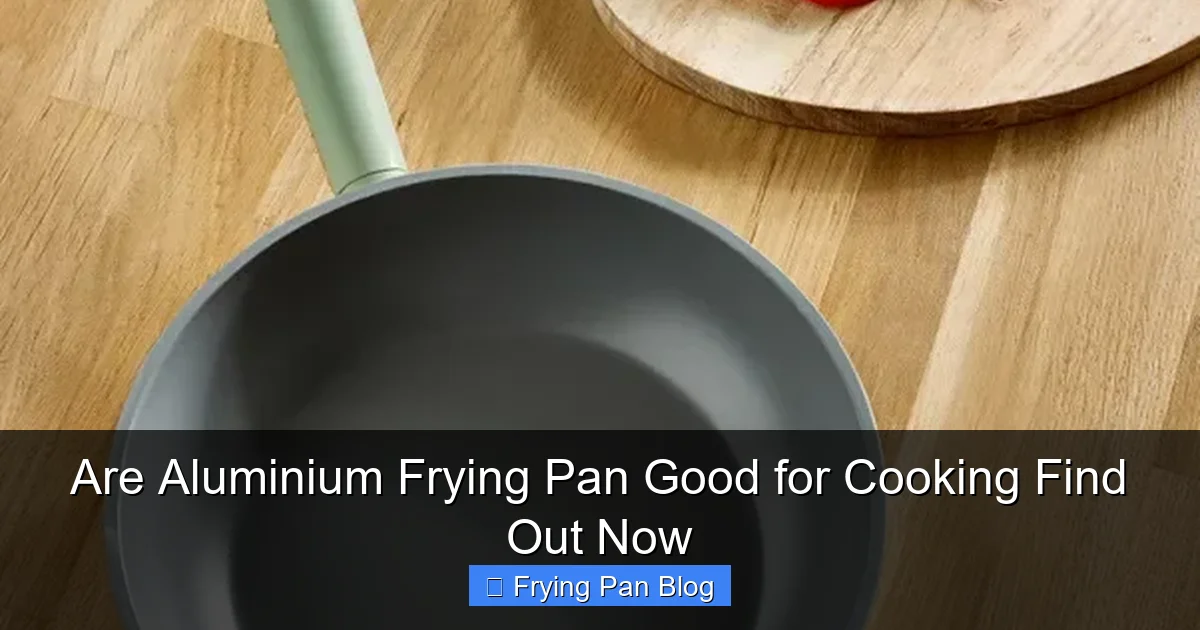
Visual guide about Are Aluminium Frying Pan Good for Cooking Find Out Now
Image source: images.dunelm.com
Lightweight and Easy to Maneuver
Aluminium is much lighter compared to cast iron or stainless steel pans. If you find heavy pans hard to handle, an aluminium frying pan can make cooking less tiring. This is especially helpful for people who cook frequently or need to flip and toss food often.
Cost-Effective Option
Aluminium pans are typically more affordable than other materials with similar heat properties. This makes them a great choice if you want good performance without breaking the bank. Plus, you can find a wide range of aluminium frying pans in different price ranges and styles.
Types of Aluminium Frying Pans
Uncoated Aluminium Pans
These pans are made from pure aluminium and have no additional coatings. They excel in heat conduction but can react with acidic or alkaline foods, sometimes causing a metallic taste or discoloration. They also tend to scratch and dent easily, so they require careful handling.
Anodized Aluminium Pans
Anodizing is a process that hardens the aluminium surface and creates a non-reactive layer. Anodized aluminium pans are more durable, resist corrosion, and don’t react with acidic foods. They also polish up nicely and look sleek, making them a popular choice among home cooks.
Non-Stick Coated Aluminium Pans
Many aluminium frying pans come with a non-stick coating, such as PTFE or ceramic. This coating greatly improves food release and makes cleaning easier. Non-stick aluminium pans are excellent for cooking delicate foods like eggs and fish, but the coatings can wear out over time and require gentle care.
Benefits of Cooking with Aluminium Frying Pans
Quick Cooking Times
Because aluminium heats up so fast, you can start cooking immediately after turning on the stove. This saves time and energy, especially when you need to prepare meals quickly.
Even Cooking for Better Results
Aluminium’s even heat distribution helps avoid hotspots that can burn food. This makes it easier to achieve perfectly cooked meals, whether you’re sautéing vegetables or pan-frying meat.
Lightweight for Comfort
If you cook often, a lighter pan reduces strain on your wrists and arms. Aluminium frying pans are easy to lift, flip, and carry, improving your overall cooking experience.
Affordable and Accessible
Aluminium pans provide great value for money. You get good heat conduction and cooking performance at a lower price compared to other materials. Plus, they’re widely available in various stores and online.
Drawbacks to Consider
Reactivity with Certain Foods
Uncoated aluminium can react with acidic foods like tomatoes, vinegar, or citrus. This can cause a metallic taste and sometimes discolor the food. If you cook a lot of acidic dishes, you might want to choose an anodized or coated aluminium pan.
Durability Issues
Pure aluminium is soft and prone to dents, scratches, and warping at high heat. This can shorten the life of your pan. However, anodized and high-quality non-stick coatings can improve durability significantly.
Non-Stick Coating Wear
If you opt for a non-stick aluminium frying pan, remember that the coating can wear off over time. Avoid using metal utensils and harsh cleaning methods to extend the coating’s life.
Not Ideal for High-Heat Searing
Aluminium pans can warp or degrade under very high heat used for searing steaks or stir-frying. For such cooking styles, heavier pans like cast iron or stainless steel might be better.
Practical Tips for Using Aluminium Frying Pans
Choose the Right Type for Your Needs
If you often cook acidic foods, go for anodized or coated aluminium pans. For everyday frying and sautéing, non-stick coated aluminium pans are convenient and easy to maintain.
Use Medium or Low Heat
Aluminium heats quickly, so you usually don’t need high heat. Medium or low heat settings help prevent warping and prolong the pan’s life.
Avoid Metal Utensils
To protect the surface and coatings, use wooden, silicone, or plastic utensils. This simple step helps prevent scratches and extends the pan’s usability.
Hand Wash and Dry Immediately
Wash your aluminium frying pan by hand with mild detergent. Avoid the dishwasher as it can dull the finish and damage coatings. Dry the pan right after washing to prevent water spots or corrosion.
Season if Uncoated
For uncoated aluminium pans, seasoning with a light layer of oil can create a natural non-stick layer and reduce reactivity with food.
Conclusion: Are Aluminium Frying Pans Good for Cooking?
Aluminium frying pans offer excellent heat conduction, lightweight convenience, and affordability, making them a solid choice for many cooks. While pure aluminium pans have some drawbacks like reactivity and softness, anodized and non-stick coated aluminium pans address these issues well.
If you want a pan that heats quickly and cooks evenly, an aluminium frying pan is good for cooking most dishes. Just be sure to select the right type and care for it properly to enjoy its benefits for years. Whether you’re a beginner or an experienced home chef, aluminium pans can be a reliable and versatile addition to your kitchen.
So next time you’re wondering, “Are aluminium frying pans good?” remember their great heat properties and lightweight design. With a little attention, they can help you cook delicious meals easily and efficiently.
🎥 Related Video: Stainless Steel vs Aluminum Cookware: Which Is Better For You?
📺 I Want To Cook
Two very popular types of cookware material are stainless steel and aluminum. Each has its pros and cons. Chef Matt Degen …
Frequently Asked Questions
Are aluminium frying pans safe to use?
Yes, aluminium frying pans are generally safe to use, especially if they are anodized or have a non-stick coating. Uncoated aluminium may react with acidic foods, but this is not harmful in small amounts.
Can I use metal utensils on aluminium frying pans?
It’s best to avoid metal utensils, especially on non-stick coated aluminium pans, as they can scratch or damage the surface. Use wooden, silicone, or plastic utensils instead.
Do aluminium frying pans work on induction cooktops?
Pure aluminium pans are not compatible with induction cooktops unless they have a magnetic base. Check if the pan specifies induction compatibility before buying.
How do I clean aluminium frying pans?
Hand wash aluminium frying pans with mild detergent and a soft sponge. Avoid abrasive cleaners and the dishwasher to maintain the pan’s finish and coating.
Can aluminium frying pans be used in the oven?
Many aluminium frying pans are oven-safe up to certain temperatures, especially if they don’t have plastic handles. Always check the manufacturer’s guidelines before using them in the oven.
Why do aluminium pans discolor with use?
Aluminium can develop discoloration or dark spots over time due to heat exposure and reactions with food. This is normal and doesn’t usually affect cooking performance.
