
Are aluminum frying pans bad for you? Many wonder about the safety of cooking with aluminum cookware. This article uncovers the facts about aluminum pans, their health impact, and tips for safe use so you can cook confidently.
Contents
- 1 Key Takeaways
- 2 📑 Table of Contents
- 3 Are Aluminum Frying Pans Bad For You? Discover The Truth Today
- 4 What Are Aluminum Frying Pans Made Of?
- 5 How Does Aluminum Interact With Food?
- 6 Are Aluminum Frying Pans Linked to Health Problems?
- 7 Tips for Using Aluminum Frying Pans Safely
- 8 Alternatives to Aluminum Frying Pans
- 9 Conclusion: Should You Use Aluminum Frying Pans?
- 10 Frequently Asked Questions
Key Takeaways
- Aluminum is a common cookware material: Lightweight and affordable, aluminum pans are popular in many kitchens.
- Aluminum exposure through cookware is minimal: Only small amounts may leach into food, mostly under acidic or high-heat conditions.
- Uncoated vs. coated pans: Anodized or non-stick coatings reduce aluminum leaching, making pans safer to use.
- Health risks are generally low: Current research shows no strong link between aluminum pans and serious health problems when used correctly.
- Proper care extends pan safety: Avoid cooking highly acidic foods in bare aluminum pans to limit aluminum exposure.
- Alternatives exist: Stainless steel, cast iron, and ceramic pans offer different benefits if you prefer to avoid aluminum.
- Informed choices matter: Understanding how aluminum pans work helps you make the best decision for your kitchen and health.
📑 Table of Contents
- Are Aluminum Frying Pans Bad For You? Discover The Truth Today
- What Are Aluminum Frying Pans Made Of?
- How Does Aluminum Interact With Food?
- Are Aluminum Frying Pans Linked to Health Problems?
- Tips for Using Aluminum Frying Pans Safely
- Alternatives to Aluminum Frying Pans
- Conclusion: Should You Use Aluminum Frying Pans?
Are Aluminum Frying Pans Bad For You? Discover The Truth Today
If you’ve ever shopped for frying pans, you’ve probably seen aluminum options everywhere. They are lightweight, heat up fast, and usually cost less than other materials. But with so much talk about metals and health, it’s natural to ask: are aluminum frying pans bad for you? This question worries many home cooks who want to keep their meals healthy and safe.
In this article, we’ll take a friendly deep dive into aluminum cookware. You’ll learn what aluminum pans are made of, how they interact with your food, and what science says about any health risks. Plus, we’ll share practical tips on using and choosing aluminum frying pans so you can cook confidently without fear.
Let’s clear up the confusion and get to the truth about aluminum frying pans—starting right now.
What Are Aluminum Frying Pans Made Of?
The Basics of Aluminum Cookware
Aluminum frying pans are made primarily from aluminum metal. Aluminum is a lightweight, silver-colored metal that conducts heat very well. This makes it excellent for cookware because your pan heats up quickly and cooks food evenly.
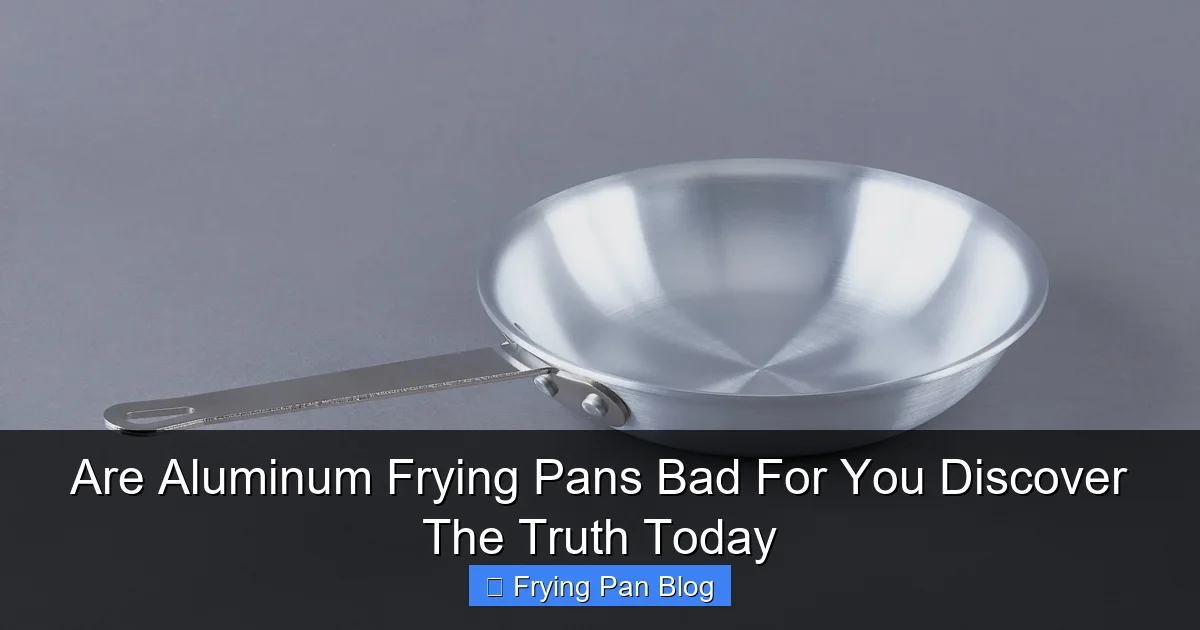
Visual guide about Are Aluminum Frying Pans Bad For You Discover The Truth Today
Image source: images.squarespace-cdn.com
Because aluminum is abundant and affordable, it’s one of the most common materials used in kitchen pans worldwide. However, pure aluminum is soft and can scratch or warp easily. To improve durability, manufacturers often:
- Anodize the aluminum (a process that hardens the surface)
- Add non-stick coatings like Teflon
- Use aluminum as a core layer sandwiched between other metals
Types of Aluminum Frying Pans
- Raw Aluminum Pans: Uncoated and untreated, these pans have exposed aluminum surfaces.
- Anodized Aluminum Pans: Treated with an electrochemical process to create a hard, non-reactive surface.
- Non-Stick Aluminum Pans: Aluminum base with a non-stick coating, typically PTFE-based, to prevent food from sticking.
How Does Aluminum Interact With Food?
Aluminum Leaching Explained
One concern about aluminum pans is that aluminum can leach, or transfer, into food during cooking. But how much aluminum actually gets into your meal?
Studies show that small amounts of aluminum can leach into food, especially if you’re cooking acidic foods like tomato sauce or lemon-based dishes. High heat and long cooking times can increase this leaching.
Is the Amount of Aluminum Dangerous?
The good news is that the amount of aluminum that gets into your food from cookware is generally very low. Your body is also efficient at eliminating aluminum, and normal dietary exposure is considered safe by most health organizations.
The World Health Organization (WHO) and other agencies have set limits on safe aluminum intake. Typical use of aluminum cookware usually results in exposure well below these safety thresholds.
When to Be Careful
- Avoid cooking very acidic dishes in uncoated aluminum pans for long periods.
- Do not use scratched or damaged aluminum pans, as this can increase leaching.
- Consider using anodized or coated aluminum pans to reduce aluminum exposure.
Are Aluminum Frying Pans Linked to Health Problems?
Myths vs. Facts
There are many myths about aluminum causing serious health issues like Alzheimer’s disease or cancer. These claims often stem from outdated or misinterpreted studies.
Current scientific evidence does not support a direct link between aluminum cookware and these diseases. The aluminum exposure from cooking is much lower than other sources like food additives, medications, and environmental exposure.
What Research Says
- Alzheimer’s Disease: Early studies suggested a possible link, but extensive reviews have found no conclusive evidence that aluminum causes Alzheimer’s.
- Cancer: No credible studies have shown that aluminum pans increase cancer risk.
- Kidney Health: People with kidney problems should be cautious, as their bodies may not eliminate aluminum efficiently.
Tips for Using Aluminum Frying Pans Safely
Choose the Right Pan
Opt for anodized aluminum pans or those with a good non-stick coating. These options reduce the chance of aluminum leaching into your food.
Avoid Cooking Acidic Foods in Bare Aluminum
If you have a raw aluminum pan, try to avoid cooking tomato sauce, citrus dishes, or vinegar-based recipes in it. Use stainless steel or enamel-coated pans instead for these dishes.
Proper Cleaning and Maintenance
- Don’t use harsh abrasives or metal scrubbers that can damage the surface.
- Hand wash aluminum pans with mild detergent and soft sponges.
- Replace pans if they become scratched, warped, or excessively worn.
Use Moderate Heat
Cooking on medium heat rather than maximum heat can limit aluminum exposure and prolong your pan’s life.
Alternatives to Aluminum Frying Pans
Stainless Steel
Durable and non-reactive, stainless steel pans are a great alternative. They don’t leach metals and are safe for all types of cooking.
Cast Iron
Cast iron pans are heavy but last forever. They add iron to your food, which can be beneficial, but require seasoning and maintenance.
Ceramic and Non-Toxic Non-Stick
Ceramic-coated pans are free from PTFE and PFOA, offering a non-stick surface without chemicals or aluminum exposure.
Conclusion: Should You Use Aluminum Frying Pans?
So, are aluminum frying pans bad for you? The reality is that aluminum pans are generally safe when used properly. Minimal amounts of aluminum may get into your food, but this is unlikely to cause harm for most people. Choosing anodized or coated aluminum pans, avoiding acidic recipes in raw aluminum, and caring for your cookware can keep your cooking healthy and worry-free.
If you love the lightweight feel and heat performance of aluminum pans, there’s no need to ditch them. Just be mindful of how you use them. And if you prefer extra peace of mind, plenty of excellent alternatives exist that fit your cooking style and budget.
At the end of the day, the best frying pan is the one that fits your kitchen, cooking habits, and comfort. Now you know the facts about aluminum frying pans, so you can make a confident choice for your next meal!
🎥 Related Video: Aluminium Cookware: Toxic or Not?
📺 krishashok
Aluminium is the most common metal on the earth’s crust. In fact, 8% of the earth’s surface is Aluminium. It’s everywhere – in the …
Frequently Asked Questions
Are aluminum frying pans toxic?
Aluminum frying pans are not toxic when used properly. Small amounts of aluminum may leach into food, but this is generally considered safe by health experts.
Does cooking acidic food in aluminum pans harm your health?
Cooking acidic foods in bare aluminum pans can increase aluminum leaching. While the amounts are small, it’s better to use coated pans or other cookware for acidic dishes.
Is anodized aluminum safer than regular aluminum?
Yes, anodized aluminum pans have a hard, non-reactive surface that reduces aluminum leaching and makes them safer for everyday cooking.
Can aluminum cookware cause Alzheimer’s disease?
Current research does not support a direct link between aluminum cookware and Alzheimer’s disease. Aluminum exposure from cooking is very low compared to other sources.
How can I clean aluminum frying pans without damaging them?
Use mild detergent and a soft sponge to clean aluminum pans. Avoid abrasive scrubbers or harsh chemicals that can scratch or damage the surface.
What are good alternatives to aluminum frying pans?
Stainless steel, cast iron, and ceramic-coated pans are excellent alternatives that offer durability and safety without aluminum exposure.
