
Cast iron frying pans can be non-stick, but only when properly seasoned and maintained. Unlike modern non-stick pans, cast iron develops a natural, durable coating that improves with use. Understanding how to care for your cast iron is key to unlocking its non-stick potential.
Contents
- 1 Key Takeaways
- 2 📑 Table of Contents
- 3 Are Cast Iron Frying Pans Non Stick? Discover The Truth Today
- 4 The Fundamentals: What Is Seasoning and Why Does It Matter?
- 5 Why Raw Cast Iron Pans Are Not Non-Stick
- 6 Maintenance: How to Keep Your Cast Iron Non Stick
- 7 Cooking Techniques That Enhance Non-Stick Performance
- 8 Advantages and Disadvantages of Cast Iron Non-Stick Pans
- 9 Conclusion: Are Cast Iron Frying Pans Really Non Stick?
- 10 Frequently Asked Questions
Key Takeaways
- Seasoning is crucial: Proper seasoning creates a natural non-stick surface on cast iron pans.
- Not instantly non-stick: Raw cast iron pans are not non-stick until they are seasoned.
- Maintenance matters: Regular cleaning and re-seasoning keep the non-stick layer effective.
- Cooking techniques help: Using the right oil and temperature improves non-stick performance.
- Durability advantage: Cast iron pans can last decades with proper care, unlike synthetic non-stick coatings.
- Versatility: They can be used on various heat sources, including induction and open flame.
- Patience pays off: The more you use and season your pan, the better the non-stick surface becomes.
📑 Table of Contents
- Are Cast Iron Frying Pans Non Stick? Discover The Truth Today
- The Fundamentals: What Is Seasoning and Why Does It Matter?
- Why Raw Cast Iron Pans Are Not Non-Stick
- Maintenance: How to Keep Your Cast Iron Non Stick
- Cooking Techniques That Enhance Non-Stick Performance
- Advantages and Disadvantages of Cast Iron Non-Stick Pans
- Conclusion: Are Cast Iron Frying Pans Really Non Stick?
Are Cast Iron Frying Pans Non Stick? Discover The Truth Today
If you’ve ever wondered whether cast iron frying pans are truly non-stick, you’re not alone. Many people love cast iron for its durability and heat retention, but the non-stick question often sparks confusion. Unlike Teflon or ceramic-coated pans, cast iron is a classic cookware choice that requires a bit of know-how to perform well. So, are cast iron frying pans non stick? Let’s dive deep and uncover the truth.
Cast iron pans start off as rough, bare metal. But through seasoning—a process that builds up layers of polymerized oil—they develop a slick, almost magical surface that food doesn’t cling to. However, this non-stick quality isn’t automatic, and it won’t work the same way as modern non-stick pans right out of the box. Understanding how seasoning, cleaning, and cooking techniques influence cast iron’s performance can help you enjoy the benefits of this versatile pan every day.
The Fundamentals: What Is Seasoning and Why Does It Matter?
What Does Seasoning Mean?
Seasoning is the process of coating your cast iron pan with oil and heating it to create a hard, plastic-like layer on the surface. This layer fills the tiny pores and rough spots in the metal, making it smoother and less prone to food sticking. It’s not a chemical coating but a natural build-up of polymerized fats that bond with the iron.
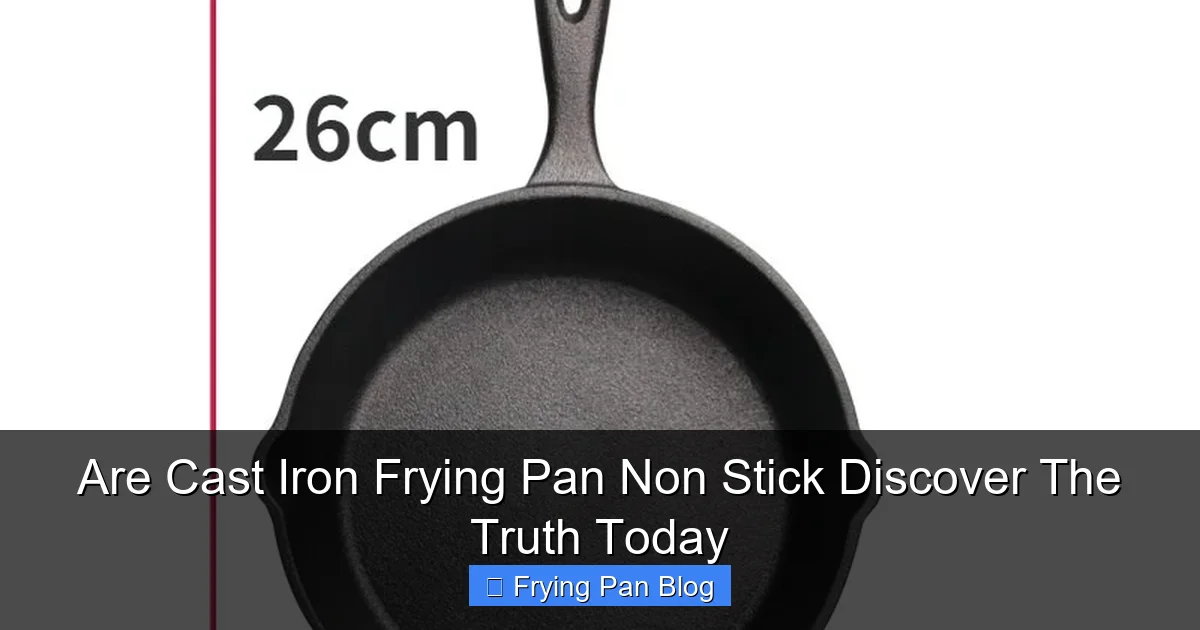
Visual guide about Are Cast Iron Frying Pan Non Stick Discover The Truth Today
Image source: images.nexusapp.co
How Seasoning Creates Non-Stick Properties
When oils are heated past their smoke point, they break down and form a durable, blackened layer that resists sticking. The more you cook with your cast iron and maintain the seasoning, the better this layer becomes. Think of it as a protective shield that improves with every use.
Practical Tips for Seasoning Your Cast Iron Pan
- Use oils with high smoke points like flaxseed, grapeseed, or canola oil.
- Apply a thin, even coat of oil to the entire pan, inside and out.
- Heat the pan in the oven at around 450°F (230°C) for an hour, then let it cool.
- Repeat this process several times for a stronger seasoning layer.
Why Raw Cast Iron Pans Are Not Non-Stick
The Rough Surface of New Cast Iron
When you first buy a cast iron frying pan, its surface is rough and porous. Raw cast iron has no slick coating and will cause food to stick, especially delicate items like eggs or fish. This is why many people mistakenly think cast iron isn’t non-stick at all.
The Need for Breaking In Your Pan
“Breaking in” your cast iron refers to the seasoning process and regular use that builds the non-stick layer. Skipping this step means you’ll face sticky cooking and frustration. But don’t worry—it’s easy and rewarding to develop your pan’s seasoning.
Example: Cooking Eggs on a New Cast Iron Pan
If you try frying eggs on a bare cast iron pan, you’ll likely end up with stuck and torn eggs. However, after a few rounds of seasoning and cooking with the right oil, eggs will slide off effortlessly, showing the pan’s non-stick progress.
Maintenance: How to Keep Your Cast Iron Non Stick
Cleaning Without Stripping Seasoning
After cooking, avoid harsh soaps or scrubbing that removes the seasoning. Instead, rinse with hot water and use a soft brush or sponge. If food is stuck, scrub gently with coarse salt and oil as a natural abrasive.
Drying and Oiling After Use
To prevent rust and maintain the non-stick layer, dry your pan thoroughly and apply a light coat of oil before storing. This simple step keeps the seasoning healthy and ready for your next meal.
When to Re-Season
If you notice dull spots or food starts sticking again, it’s time to re-season. Repeat the seasoning process to rebuild the protective coating. Frequent use and minor touch-ups keep your pan performing at its best.
Cooking Techniques That Enhance Non-Stick Performance
Preheating Your Pan
Always preheat your cast iron pan before adding oil or food. A hot pan helps seal the surface and prevents sticking. Test by flicking a few drops of water on the surface—if the drops dance, the pan is ready.
Using Enough Fat
Cast iron pans need a small amount of oil or butter to create a barrier between the food and the pan’s surface. Don’t skimp on fat, especially for sticky foods like pancakes or eggs.
Cooking at the Right Temperature
Avoid cooking on very low heat, which can cause sticking. Medium to medium-high heat is best for most foods. Cast iron heats evenly and retains heat well, so once hot, it cooks efficiently without burning.
Advantages and Disadvantages of Cast Iron Non-Stick Pans
Advantages
- Durability: Cast iron pans last for decades and can be passed down generations.
- Natural non-stick: No synthetic chemicals or coatings needed.
- Versatility: Use on stovetops, ovens, grills, and even campfires.
- Improves with use: The seasoning layer strengthens the more you cook.
Disadvantages
- Requires maintenance: Needs regular seasoning and careful cleaning.
- Heavy: Cast iron is heavier than other pans, which can be a challenge for some users.
- Slow to heat: Takes time to preheat compared to lighter pans.
- Initial sticking: Raw or poorly seasoned pans will stick.
Conclusion: Are Cast Iron Frying Pans Really Non Stick?
So, are cast iron frying pans non stick? The honest answer is yes—but only if you treat them right. With proper seasoning, regular maintenance, and smart cooking techniques, your cast iron pan can develop a natural, durable non-stick surface that rivals modern non-stick pans. It takes a little patience and care, but the results are worth it. Plus, cast iron brings unmatched heat retention, versatility, and long-term value to your kitchen.
Next time you hear someone say cast iron isn’t non-stick, you’ll know the secret lies in seasoning and love for your cookware. Give your pan time, keep it oiled, and enjoy meals that slide right off. Cast iron is truly a kitchen classic that rewards those who care for it.
🎥 Related Video: Throw Away your Cast Iron Pan?! | Dr. Gundry Podcast
📺 Gundry MD
Follow the Dr. Gundry Podcast: youtube.com/@DrGundry Discover the hidden downsides of cooking with a cast iron pan in this …
Frequently Asked Questions
Are cast iron frying pans non stick right out of the box?
No, raw cast iron pans are not non-stick initially. They require seasoning to build a natural non-stick surface.
How do I season my cast iron pan to make it non stick?
Apply a thin coat of oil to the pan and heat it in the oven at around 450°F for an hour. Repeat this process several times to build a strong seasoning layer.
Can I use soap to clean my cast iron pan?
It’s best to avoid harsh soaps as they can strip the seasoning. Instead, rinse with hot water and use a brush or coarse salt for stubborn bits.
Why does food stick to my cast iron pan sometimes?
Food can stick if the pan isn’t properly seasoned, not preheated, or if there isn’t enough oil used during cooking.
Is cast iron better than modern non-stick pans?
Cast iron offers durability and natural non-stick qualities with proper care, while modern non-stick pans provide convenience but may wear out faster.
How do I maintain the non-stick surface on my cast iron pan?
Regularly oil your pan after cleaning, avoid soaking it in water, and re-season when you notice dull spots or sticking issues.
