
You often reach for a leavening agent and wonder which one will make your cake light and your cookies chewy. I’ll tell you straight: baking soda is pure sodium bicarbonate and needs an acid to activate, while baking powder already contains acid and works on its own. Choose baking soda when the recipe has an acidic ingredient; choose baking powder when it doesn’t.
I write this with input from Emma Reed, who tests recipes and notes how small swaps change texture and taste. I’ll walk you through when to use each, how to substitute one for the other, and simple tips to avoid common baking mistakes so your next batch turns out right.
Key Takeways
- Baking soda needs an acid to create rise.
- Baking powder contains its own acid and acts alone.
- Small measurement changes affect texture and flavor.
Contents
What Is Baking Soda?
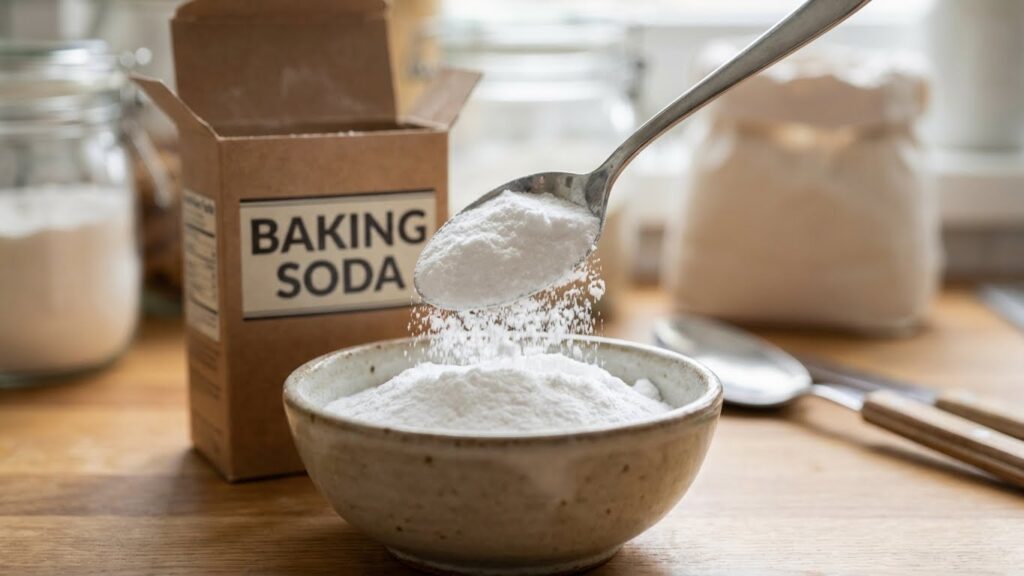
I explain what baking soda is, how it works in recipes, and the kinds of tasks I use it for in the kitchen.
Chemical Composition of Baking Soda
Baking soda is sodium bicarbonate (NaHCO3).
It is a white, crystalline powder that dissolves in water and has a mildly alkaline taste.
In pure form, each molecule contains sodium, hydrogen, carbon, and oxygen.
When heated or mixed with acid, it breaks down into carbon dioxide gas, water, and sodium carbonate.
I keep baking soda in a cool, dry place to avoid moisture and loss of potency.
One common impurity in commercial baking soda is sodium carbonate from partial decomposition; this usually does not affect most recipes.
Common Uses for Baking Soda
I use baking soda mostly as a leavener in quick breads, cakes, muffins, and cookies.
Recipes that include buttermilk, yogurt, lemon juice, or brown sugar often call for baking soda to react with those acids.
Besides baking, I use baking soda to neutralize odors in the fridge, clean stains on countertops, and soften hard water in laundry.
A paste of baking soda and water removes surface grime without harsh chemicals.
In cooking beyond baked goods, I sometimes add a pinch to tomato sauce to reduce acidity.
I avoid using too much in food because excess can leave a soapy or metallic taste.
How Baking Soda Works in Baking
Baking soda reacts chemically when it meets an acid and moisture.
The acid donates a proton, and sodium bicarbonate produces carbon dioxide bubbles.
Those bubbles expand in the batter or dough during mixing and early baking.
This lift creates a lighter, more open crumb in quick breads and cakes.
Timing matters: I mix and bake recipes with baking soda quickly after combining ingredients.
If the batter sits, much of the gas escapes and the final product can be dense.
I balance the amount of baking soda with the recipe’s acid to avoid off flavors.
Too little gives weak rise; too much can taste salty or metallic.
What Is Baking Powder?
I use baking powder when a recipe needs a reliable, ready-made leavening agent that does not depend on added acid. It contains both the base and the acid components, so it can make batters and doughs rise without extra acidic ingredients.
Chemical Composition of Baking Powder
Baking powder is a mixture of three main parts: sodium bicarbonate (the base), one or more acid salts, and a drying agent like cornstarch. Sodium bicarbonate produces carbon dioxide gas when it reacts with acid and moisture. The acid salts—commonly cream of tartar (potassium bitartrate) or monocalcium phosphate—provide the acid needed for the reaction.
Cornstarch or similar starch keeps the active chemicals dry and stable on the shelf. The exact acid salts determine how fast and when the gas forms. For more on sodium bicarbonate and how it works, I often refer to reliable sources like the USDA or chemistry texts.
Types of Baking Powder
There are two main types: single-acting and double-acting.
- Single-acting uses an acid that reacts at room temperature once moistened. You must bake immediately after mixing.
- Double-acting contains two acids: one that reacts when wet and another that reacts with heat during baking. This gives an initial rise and a second lift in the oven.
Most store-bought baking powders are double-acting, which offers more forgiving timing. Some brands also make “aluminum-free” versions that use different acid salts to avoid metallic taste.
How Baking Powder Reacts in Recipes
When I mix baking powder into a batter, moisture starts the first chemical reaction. Carbon dioxide forms and creates tiny bubbles that expand the batter. If the powder is double-acting, the second reaction happens as the batter heats, producing more gas and a stronger rise.
Acid–base balance matters: because baking powder already includes an acid, it won’t alter the recipe’s flavor like adding baking soda to an acidic batter might. Too much baking powder makes a bitter or metallic taste and causes cakes to rise too fast and then collapse. I check freshness by mixing a teaspoon with hot water; it should fizz strongly if still active. For technical guidance on leavening reactions, I recommend resources like the King Arthur Baking site.
Key Differences Between Baking Soda and Baking Powder
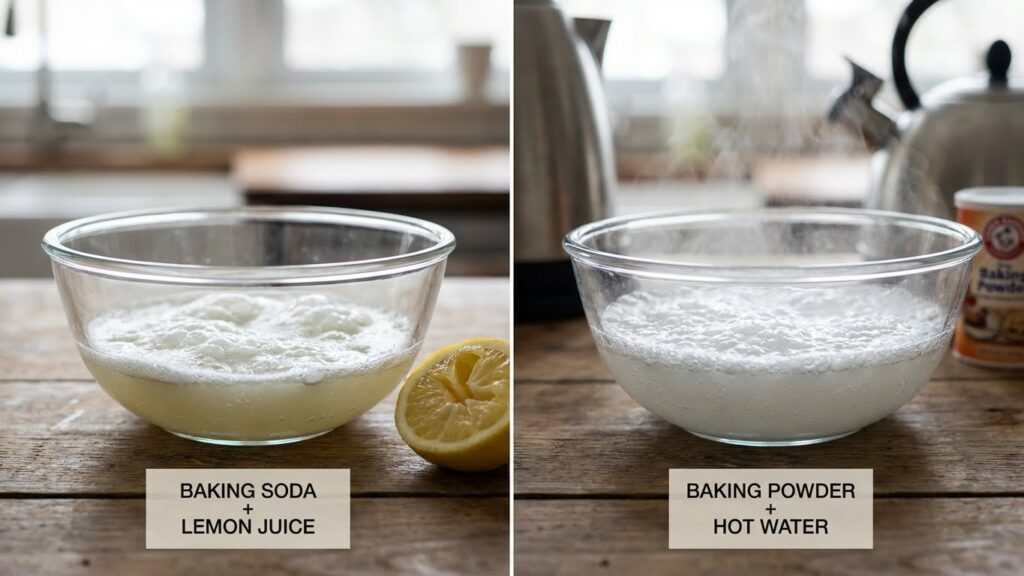
I explain how each reacts, what acids they need, and how they change taste and texture in baked goods. Read the short comparisons to pick the right leavening agent for a recipe.
Leavening Mechanism Comparison
I use baking soda (sodium bicarbonate) as a single-ingredient leavener that needs an acid and moisture to produce carbon dioxide gas. The reaction starts as soon as the acid and liquid meet, so batter must be baked quickly for full rise. Baking soda also browns baked goods faster because it raises pH and speeds the Maillard reaction.
Baking powder contains baking soda plus one or two acid salts and a dry starch. Single-acting powders react with liquid only. Most commercial powders are double-acting: they give a small rise when mixed, and a larger rise when heated. That delayed second rise makes baking powder more forgiving for batters that sit before baking.
Use baking soda when a recipe includes natural acids (yogurt, buttermilk, lemon). Use baking powder when no acid exists or when you need a staged rise.
Acidity Requirements
I consider the acid balance of the whole recipe before choosing a leavener. Baking soda requires an acid in the batter to neutralize it and produce gas. If you add too much baking soda without enough acid, the result tastes soapy or metallic and the color may darken.
Baking powder already contains acids in measured amounts, so it works in neutral batters like plain cake and biscuits. Double-acting powders contain both fast and heat-activated acids, which helps supply gas without separate acidic ingredients. Too much baking powder can leave a bitter, metallic aftertaste, so follow the recipe amounts closely.
If a recipe calls for both, baking soda can balance acid and encourage browning, while baking powder supplies extra lift.
Flavor Impact on Baked Goods
I watch flavor closely because leavening affects taste and aroma. Baking soda can reduce acidity and soften tart notes from ingredients like buttermilk or cocoa. That change can be desirable, but excess soda creates a bitter or soapy flavor.
Baking powder tends to be neutral when used correctly. It adds little direct flavor, so it preserves delicate tastes like vanilla, butter, or fruit. However, excess powder can leave a faint bitter or chemical note.
I adjust leavening to match flavor goals: use baking soda to mellow sourness and enhance browning; use baking powder when I want a clean, neutral lift without changing taste.
- Quick reference:
- Baking soda: needs acid, speeds browning, can alter flavor.
- Baking powder: self-contained acids, neutral flavor when used correctly.
When to Use Baking Soda vs Baking Powder
I focus on the acid in your recipe, the flavor you want, and how quickly you need the batter to rise. These three things decide whether I reach for baking soda or baking powder.
Choosing the Right Leavening Agent
I use baking soda when the recipe includes an acidic ingredient like buttermilk, yogurt, lemon juice, brown sugar, or cocoa. Baking soda (sodium bicarbonate) reacts immediately with acid to release carbon dioxide, so I mix and bake quickly to capture the lift.
I pick baking powder when there’s little or no acid in the batter. Baking powder contains both an acid and a base, so it works alone. For recipes such as plain cakes, pancakes, or quick breads without sour ingredients, baking powder gives a reliable rise.
Quick reference:
- Use baking soda: recipes with acid (buttermilk, yogurt, brown sugar, chocolate).
- Use baking powder: neutral recipes or when no acid is present.
Recipe Considerations
I read the ingredient list and method before measuring leaveners. If a recipe calls for both, it usually needs baking soda to neutralize acid and baking powder to add extra lift.
I adjust amounts with care. Substituting is possible: 1 teaspoon baking powder ≈ 1/4 teaspoon baking soda plus an acid. But I watch flavor—too much baking soda can leave a metallic or soapy taste.
I also consider texture and timing. Baking soda creates coarser bubbles and faster rise. Baking powder gives a slower, steadier rise and finer crumb, especially if it’s double-acting.
Mistakes to Avoid
I never omit acid when a recipe needs baking soda. If I do, the batter won’t rise properly and may taste bitter. I also avoid overmixing; that can deflate bubbles and make baked goods dense.
I don’t assume older baking powder or soda still works. I test baking soda by adding vinegar (it should fizz) and baking powder by mixing with hot water (it should bubble). I measure precisely—too much leavener causes collapse, off-flavors, or holes in the crumb.
Substitution Guidelines and Tips
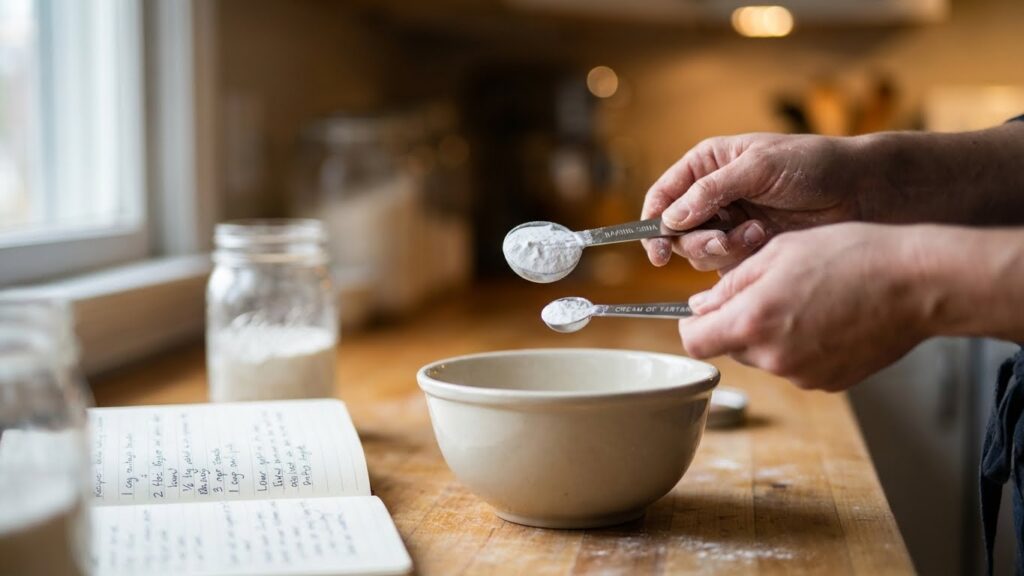
I explain practical swaps, exact ratios, and timing so your recipe still rises and tastes right. Read the notes and follow the measurements closely to avoid flat or metallic-tasting baked goods.
How to Substitute Baking Soda for Baking Powder
When a recipe calls for 1 teaspoon baking powder, I use 1/4 teaspoon baking soda plus an acid to match the lost acidity. Good acids include 1/2 teaspoon cream of tartar, 1 teaspoon lemon juice, or 1 teaspoon white vinegar. Add the acid into the wet ingredients so it reacts quickly.
Baking soda is about four times stronger than baking powder, so measure carefully. If the recipe already has an acid (yogurt, buttermilk, or brown sugar), I may only need the baking soda and skip extra acid. For precise guidance on using cream of tartar, see the FDA’s ingredient info and baking resources like King Arthur Flour for tested ratios.
Mix dry ingredients first. Combine the wet acid with the liquid right before baking to capture the rising gas.
How to Substitute Baking Powder for Baking Soda
Baking powder contains both base and acid, so it’s weaker per teaspoon. To replace 1 teaspoon baking soda, I use about 4 teaspoons (1 tablespoon plus 1 teaspoon) baking powder. Reduce other acids in the recipe to avoid a sour taste.
Because this much baking powder adds salt and aluminum-free leaveners can affect flavor, I taste and cut added salt by a small amount if needed. Excess baking powder can make a bitter or metallic flavor and produce a coarser crumb. For background on leavening strength and tested substitutions, I consult resources like Cook’s Illustrated and trusted baking guides.
When using more baking powder, watch baking time and color; you might need slightly lower oven heat to prevent over-browning.
Storage and Shelf Life
I store baking soda and baking powder differently because they need different conditions to stay active. I also test them before baking to avoid flat cakes or failed recipes.
Proper Storage Methods
I keep baking soda in a tightly sealed container in a cool, dry place away from heat and sunlight. I avoid the original cardboard box if the lid won’t seal; moisture and odors can pass through. A glass or plastic airtight jar works best.
I store baking powder in its original container when the lid seals well, or I transfer it to an airtight jar. I keep it in the same cool, dry spot as the soda and away from humidity from the stove or dishwasher. I write the open date on the container.
Tip: label both containers with the purchase or open date. That helps me decide when to test or replace them.
How to Test for Potency
I test baking soda by stirring 1/2 teaspoon of it into 1/4 cup (60 ml) of vinegar or lemon juice. If it fizzes vigorously, it’s still active. Weak or slow fizz means replace it.
I test baking powder by mixing 1 teaspoon of powder into 1/2 cup (120 ml) of hot water. Strong bubbling shows it’s good. Little or no bubbling means it’s past its prime.
If a test fails, I replace the product. For safety, I don’t try to boost old leaveners with extra amounts; recipes will not rise correctly.
Health and Safety Aspects
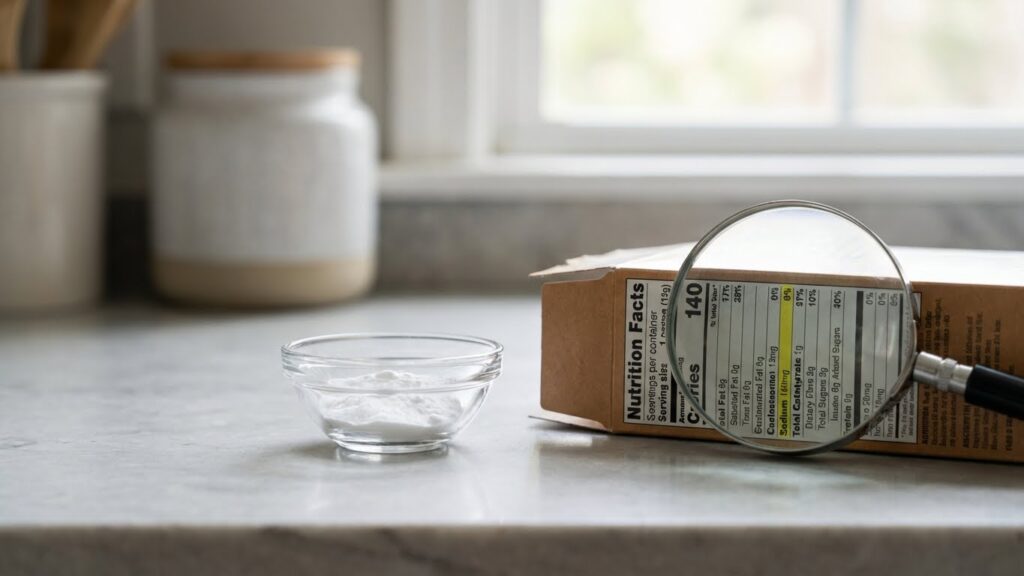
I note important diet limits and side effects when using baking soda or baking powder. Both can impact sodium intake, interact with medications, and cause digestive upset if used in large amounts.
Dietary Considerations
I check labels for sodium content because baking soda is nearly pure sodium bicarbonate. One teaspoon of baking soda contains about 1,259 mg of sodium — more than half of the recommended daily limit for many people. Baking powder has less sodium per teaspoon but often still adds a meaningful amount, especially in low-sodium diets.
I avoid high use when cooking for people with hypertension, heart disease, or kidney issues. I also watch for hidden sodium in baked goods made from multiple recipes. For low-sodium cooking, I recommend reduced amounts, using aluminum-free baking powder, or choosing recipes that rely more on mechanical leavening (whisking or beaten egg whites).
Potential Side Effects
I warn that ingesting large amounts of baking soda can cause nausea, stomach pain, gas, and electrolyte imbalance. Very high intake can raise blood pressure or cause hypokalemia in vulnerable people.
I note that people on certain medications — like some diuretics, lithium, or drugs that affect acid-base balance — should avoid excess bicarbonate without medical advice. I also mention that baking powder contains acids and starch; it rarely causes allergic reactions, but people with sensitivity to additives should read ingredient lists.
Historical Background and Development
I trace baking soda back to simple chemistry used in the 1800s. Bakers recognized that sodium bicarbonate released gas when heated or mixed with acid, so it became a fast leavener for quick breads and cakes.
I note that baking powder arrived later as a ready-made mix. Chemists combined baking soda with a mild acid and a filler like starch so the leavening worked without extra acidic ingredients in a recipe.
I point out that early baking powders varied widely in quality. Over time, manufacturers standardized formulations and added double-acting acids that react once with liquid and again with heat for more reliable rise.
I include a short timeline to clarify key steps:
- 1800s: Use of sodium bicarbonate begins in home baking.
- Late 1800s–early 1900s: Commercial baking powders appear.
- 20th century: Double-acting powders and standardized blends become common.
I emphasize the practical result: these developments made baking more predictable and accessible. Bakers no longer had to balance separate acids and bases, which simplified recipes and broadened the kinds of baked goods people could make at home.
FAQs
Can I swap one for the other in a recipe?
I recommend against a straight swap. If you only have baking soda, you must add an acid (like lemon juice or vinegar) and use much less powder. If you only have baking powder, use about three times the amount to replace baking soda.
How do I tell if my leavening is still good?
I test it. For baking soda, drop a little in vinegar—it should fizz strongly. For baking powder, stir a teaspoon into hot water—bubbles show it’s active.
Will too much leavening ruin my recipe?
Yes. Too much can make batter taste metallic or soapy, and it can cause cakes to rise fast and then collapse. I follow recipes or measure carefully to avoid that.
Which should I keep on hand?
I keep both. Baking powder covers most recipes; baking soda helps when recipes include natural acids and when I want browning and spread control.
Any storage tips?
I store both in airtight containers, away from heat and moisture. They last longer that way and stay ready for baking.
Conclusion
I find that baking soda and baking powder each play a clear role in baking. Baking soda needs acid and gives quick lift, while baking powder contains its own acid and works on its own.
Use baking soda when a recipe includes yogurt, lemon, or buttermilk. Use baking powder when no acid is present or when a gentler rise is needed.
If you must swap one for the other, adjust amounts and add acid if you use baking soda. Remember that too much leavening can leave a bitter taste or collapse the bake.
Quick reference:
- Baking soda: 1 part, needs acid, strong immediate rise.
- Baking powder: 2–3 parts of baking soda by weight, works without extra acid, often double-acting.
I recommend testing substitutions in small batches before serving guests. That way you avoid texture or flavor problems and learn how your oven and ingredients respond.
