
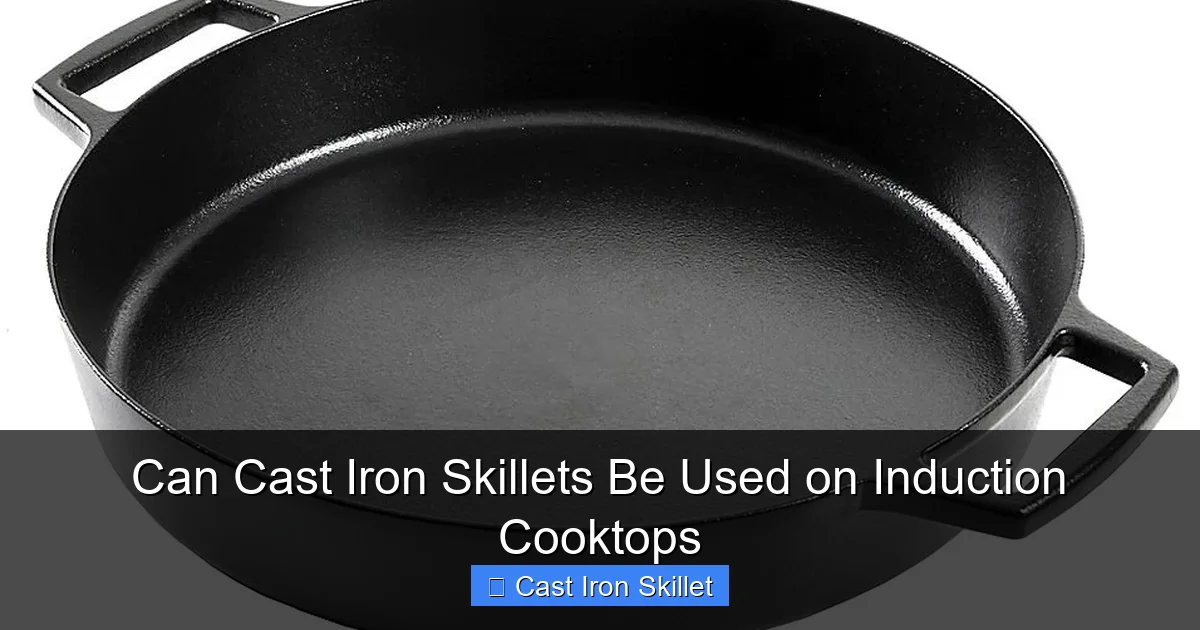
Can Cast Iron Skillets Be Used on Induction Cooktops
Yes, cast iron skillets work perfectly on induction cooktops because they contain magnetic iron. This guide teaches you how to use them safely and effectively. You’ll discover the simple magnet test, proper preheating techniques, and how to avoid common mistakes. With the right approach, your cast iron will perform beautifully on induction, giving you even heating and excellent cooking results.
Contents
- 1 Key Takeaways
- 2 Introduction: Your Cast Iron Meets Modern Cooking
- 3 Understanding Why Cast Iron Works on Induction Cooktops
- 4 Preparing Your Cast Iron Skillet for Induction Cooking
- 5 Using Your Cast Iron Skillet on Induction: Step-by-Step
- 6 Tips for Optimal Performance on Induction
- 7 Troubleshooting Common Issues
- 8 Care and Maintenance After Induction Cooking
- 9 Advantages and Disadvantages of Cast Iron on Induction
- 10 Conclusion: A Perfect Match for Modern Cooks
- 11 Frequently Asked Questions
- 12 Additional Resources
Key Takeaways
- Cast iron is naturally induction-compatible: The iron content creates a magnetic field that induction cooktops require for heating.
- Always perform the magnet test: If a magnet sticks to the bottom, your skillet will work on induction.
- Preheating is crucial: Cast iron needs 5-7 minutes to heat evenly on induction before adding food.
- Use lower heat settings: Induction transfers heat faster to cast iron than gas or electric stoves.
- Avoid sliding the pan: This can scratch both your cooktop and skillet bottom.
- Clean while warm: Proper cleaning and immediate drying prevents rust and maintains seasoning.
- Re-season regularly: Induction cooking may require more frequent seasoning to maintain the non-stick surface.
Introduction: Your Cast Iron Meets Modern Cooking
You’ve probably heard that cast iron skillets are kitchen workhorses that last generations. You might also own a sleek new induction cooktop. The question is simple: do they work together? The answer is a resounding yes. Cast iron and induction are a perfect match, but success requires understanding a few key principles.
This guide walks you through everything you need to know. We’ll start with the science behind why cast iron works on induction. Then we’ll move to practical steps for daily use. You’ll learn how to test your skillet, cook effectively, troubleshoot problems, and maintain your pan. By the end, you’ll be confident using your favorite cast iron on your modern cooktop.
Think of this as your complete reference. Whether you’re searing a steak, baking cornbread, or frying eggs, these tips ensure perfect results every time. Let’s get started.
Understanding Why Cast Iron Works on Induction Cooktops
Before diving into usage, let’s understand the technology. This knowledge helps you use your cookware better and avoid mistakes.

Visual guide about Can Cast Iron Skillets Be Used on Induction Cooktops
Image source: skingroom.com
How Induction Cooking Actually Works
Induction cooktops don’t create heat like traditional stoves. Instead, they use electromagnetic energy. Under the glass surface, a copper coil creates a magnetic field. When a compatible pan sits on the cooktop, this field induces heat directly in the metal. The cooktop itself stays cool. Only the pan gets hot.
This method is incredibly efficient. It heats faster than gas or electric. It also offers precise temperature control. But it only works with magnetic cookware. That’s where cast iron shines.
The Magnetic Properties of Cast Iron
Cast iron contains pure iron, which is naturally magnetic. This is why it responds so well to induction. The magnetic field penetrates the metal, causing its molecules to vibrate and create heat. This happens evenly throughout the pan.
Unlike aluminum or copper pans, cast iron doesn’t need special cladding or inserts. It’s naturally compatible. Even vintage cast iron works perfectly. This makes it one of the most induction-friendly materials available.
The Simple Magnet Test for Compatibility
Not sure if your skillet works? Grab a refrigerator magnet. Place it against the bottom of your cold skillet. If it sticks firmly, you’re good to go. If it slides off or barely clings, your pan won’t work on induction.
This test works for all cookware. Most cast iron pans pass easily. Enameled cast iron also works if the enamel doesn’t block the magnetism. Some stainless steel pans have an aluminum core with magnetic stainless bottoms. These work too, but pure aluminum or copper won’t.
Preparing Your Cast Iron Skillet for Induction Cooking
Preparation ensures your first cooking experience goes smoothly. Don’t skip these steps.
Visual guide about Can Cast Iron Skillets Be Used on Induction Cooktops
Image source: i.ytimg.com
Checking Your Skillet’s Base
Place your skillet on a flat surface. Look at the bottom. It should be smooth and even. Any major warping or severe scratches can cause issues. A slightly rough surface is normal for cast iron and actually helps with heat transfer.
If you have a glass or ceramic induction cooktop, avoid pans with extremely rough bottoms. These can scratch the surface. You can smooth minor imperfections with fine steel wool if needed. But most cast iron is ready as-is.
Cleaning Before First Use
New cast iron often comes pre-seasoned. But you should still wash it. Use warm water and a stiff brush. Avoid soap if possible, but a little is okay. Dry immediately and thoroughly with a towel.
For older pans, you might need to strip old seasoning. Use oven cleaner or a lye bath. Scrub off rust with steel wool. Once clean, dry completely. This creates a fresh start for seasoning.
Seasoning Your Skillet Properly
Seasoning creates a natural non-stick surface. It protects against rust. Here’s how to do it right:
- Preheat your oven to 375°F (190°C).
- Apply a thin layer of vegetable oil or shortening to the entire skillet, inside and out.
- Wipe off excess oil with a paper towel. The surface should look dry, not greasy.
- Place the skillet upside down on the oven’s middle rack. Put a baking sheet below to catch drips.
- Bake for one hour. Turn off the oven. Let the pan cool completely inside.
For best results, repeat this process 2-3 times. This builds up a durable seasoning layer. Once seasoned, your skillet is ready for induction cooking.
Using Your Cast Iron Skillet on Induction: Step-by-Step
Now for the main event. Follow these steps for perfect results every time.
Visual guide about Can Cast Iron Skillets Be Used on Induction Cooktops
Image source: cultofcastiron.com
Step 1: Placing the Skillet on the Cooktop
Set your induction cooktop to the desired setting. Place the skillet gently in the center of the cooking zone. Don’t slide it across the glass. Lift it into position. This prevents scratches on your cooktop.
Make sure the pan is centered. Induction cooktops have specific zones. If the pan is too small or off-center, the cooktop might not detect it properly. Most induction units require the pan to cover at least 70% of the zone.
Step 2: Preheating the Skillet
Turn on the induction burner to medium heat. Let the skillet preheat for 5-7 minutes. You’ll know it’s ready when a drop of water dances on the surface instead of evaporating immediately.
Preheating is critical with cast iron. It ensures even heat distribution. Without preheating, food may stick or cook unevenly. Induction heats cast iron faster than other methods, so watch carefully. Don’t let it get smoking hot unless you’re searing.
Step 3: Adding Fat and Cooking
Add oil or butter to the hot skillet. Swirl to coat the bottom. The fat should shimmer but not smoke. Add your food carefully. It should sizzle immediately.
Cast iron retains heat well. Once hot, you can often reduce the induction setting. This prevents burning. For delicate foods like eggs, use low to medium heat. For searing, use medium-high. Induction responds instantly, so adjust as needed.
Step 4: Monitoring and Adjusting Heat
Watch your food closely. Induction transfers heat quickly to cast iron. What takes 10 minutes on gas might take 7 on induction. Adjust the setting as cooking progresses.
If food starts to stick, the pan might be too hot. Reduce the heat slightly. If cooking seems slow, increase it a notch. The beauty of induction is its responsiveness. You can fine-tune the temperature instantly.
Step 5: Removing and Resting
When cooking finishes, turn off the induction burner. Lift the skillet off the cooktop. Place it on a heat-resistant surface. Let it cool slightly before cleaning.
Never plunge a hot cast iron skillet into cold water. This can cause warping or cracking. Let it cool to warm before cleaning. This also makes cleaning easier.
Tips for Optimal Performance on Induction
These expert tips help you get the most from your cast iron on induction.
Master the Preheating Process
Preheating isn’t optional. It’s essential. Think of it as priming your canvas. A properly preheated skillet prevents sticking and ensures even cooking.
Try the water drop test. Sprinkle a few drops of water into the pan. If they skitter around and evaporate slowly, the pan is ready. If they evaporate instantly, it’s too hot. If they just sit there, it’s not hot enough.
Avoid Scratching Your Cooktop
Always lift your skillet. Never drag it across the glass. Even though cast iron is durable, it can leave marks on induction surfaces. Small particles on the pan bottom can act like sandpaper.
Check the skillet bottom before each use. Remove any food debris or dust. Wipe it clean with a dry cloth. This protects both your cooktop and your pan.
Manage Heat Distribution
Cast iron heats evenly, but induction can create hot spots if the pan is too small for the zone. Use the right size pan for your burner. A 10-inch skillet works well on a 7-inch induction zone.
If you notice uneven cooking, rotate the pan 180 degrees halfway through cooking. This compensates for any minor inconsistencies in the induction field or pan thickness.
Use Appropriate Utensils
Wood, silicone, or heat-resistant plastic utensils are best. Metal utensils can scratch the seasoning. They can also scratch the cooktop if they slip.
For stirring or flipping, use a wooden spatula or tongs. These tools won’t damage your pan’s surface. They also won’t conduct heat like metal, keeping them cooler to touch.
Troubleshooting Common Issues
Sometimes things don’t go as planned. Here’s how to solve the most common problems.
The Cooktop Won’t Detect My Skillet
If your induction cooktop doesn’t recognize the pan, first check the magnet test. If the magnet sticks, the issue might be elsewhere.
Ensure the pan is centered on the cooking zone. Make sure the zone is activated. Some cooktops have a minimum pan size requirement. Try a larger skillet if available. Also, check that the cooktop surface is clean. Grease or debris can interfere with detection.
Food Sticks to the Pan
Sticking usually means the pan wasn’t hot enough or not enough fat was used. Next time, preheat longer. Add more oil or butter. Let it shimmer before adding food.
If sticking persists, your seasoning might be damaged. Strip the pan and re-season it. Use the oven method described earlier. A well-seasoned pan should release food easily when properly heated.
The Skillet Makes a Buzzing or Humming Noise
This is normal. The electromagnetic field causes vibrations in the metal. It’s more noticeable with high heat settings. Lower the heat slightly to reduce noise.
If the noise is loud or accompanied by error codes, the pan might be warped. Check for flatness. A severely warped pan won’t make good contact with the cooktop. This can cause uneven heating and noise.
Uneven Heating or Hot Spots
Cast iron is known for even heating, but induction can sometimes create hot spots. Use the right size pan for your burner. Rotate the pan during cooking.
If one side consistently cooks faster, your induction zone might be misaligned with the pan. Reposition the skillet. You can also try a different burner to see if the problem persists.
Rapid Seasoning Breakdown
Induction’s intense, direct heat can wear down seasoning faster than other methods. Re-season your pan monthly if you use it daily on induction.
After each use, clean gently. Avoid harsh scrubbing. Apply a thin layer of oil after drying. This maintains the non-stick surface. Think of it as maintenance, not a chore.
Care and Maintenance After Induction Cooking
Proper care extends your skillet’s life and keeps it performing well on induction.
Cleaning While Warm
Clean your skillet while it’s still warm. This makes food removal easier. Use hot water and a stiff brush. For stuck-on food, sprinkle coarse salt and scrub with a paper towel. The salt acts as a gentle abrasive.
Avoid dish soap when possible. But if needed, use a small amount. Modern soaps won’t ruin seasoning like lye-based soaps did in the past. Just don’t soak the pan. Never put cast iron in the dishwasher. This is crucial for longevity.
Drying Thoroughly
After washing, dry immediately with a towel. Don’t let water sit. Even a few drops can cause rust. Pay special attention to the handle and any crevices.
For extra safety, place the dry skillet back on the induction cooktop for 1-2 minutes on low heat. This evaporates any remaining moisture. Let it cool completely before storing.
Re-seasoning After Cleaning
After drying, apply a thin layer of oil. Use a paper towel to wipe off excess. Store the pan with a paper towel inside to absorb moisture.
If you notice any dull spots or rust, address them immediately. Scrub with steel wool, dry, and re-season. Small maintenance prevents big problems.
Proper Storage
Store cast iron in a dry place. Stack with a paper towel between pans to prevent moisture buildup. If stacking isn’t possible, hang the skillet.
Never store cast iron with the lid on tightly. Air needs to circulate. Trapped moisture causes rust. A light coat of oil before storage helps protect the seasoning.
Advantages and Disadvantages of Cast Iron on Induction
Understanding the pros and cons helps you decide when to use cast iron on induction.
Benefits of This Combination
Induction heats cast iron faster than any other method. It’s incredibly energy-efficient. The precise temperature control prevents burning. Cast iron’s heat retention means food stays hot after cooking.
This combination works great for searing, frying, sautéing, and even baking. You can move the pan from cooktop to oven seamlessly. It’s versatile and durable. Your great-grandchildren might use the same pan.
Potential Drawbacks
Cast iron is heavy. Maneuvering a large skillet requires strength. It also heats slowly compared to other induction-compatible pans like stainless steel. Preheating takes time.
Induction can wear seasoning faster. You’ll need to maintain it more often. The initial cost of quality cast iron is higher than some alternatives. But it pays off over decades of use.
Conclusion: A Perfect Match for Modern Cooks
Cast iron skillets and induction cooktops are a match made in kitchen heaven. The technology works perfectly with the material. You get fast, efficient heating with incredible heat retention.
Remember the key points: test with a magnet, preheat properly, use the right heat setting, and maintain your seasoning. Avoid sliding the pan and clean while warm. These simple steps ensure years of reliable service.
Your cast iron skillet is no longer just a relic from grandma’s kitchen. It’s a modern cooking tool that takes full advantage of today’s technology. Whether you’re a beginner or a seasoned chef, this combination will improve your cooking. Embrace it and enjoy the results.
Frequently Asked Questions
Can any cast iron skillet work on induction?
Almost all cast iron skillets work on induction. The magnet test confirms compatibility. Enameled cast iron also works if the enamel doesn’t block magnetism. The key is magnetic iron content.
Does cast iron scratch induction cooktops?
Cast iron can scratch if you slide it. Always lift the pan. Check the bottom for debris before placing it on the cooktop. A smooth bottom reduces scratching risk. Minor scratches are cosmetic, but avoid them.
Why does my cast iron hum on induction?
Humming is normal. The electromagnetic field vibrates the metal. It’s louder at high heat settings. Reduce the heat slightly if the noise bothers you. It doesn’t affect cooking performance.
How long should I preheat cast iron on induction?
Preheat for 5-7 minutes on medium heat. Use the water drop test to check readiness. Induction heats cast iron faster than other methods, so watch carefully. Don’t overheat.
Can I use my vintage cast iron on induction?
Yes, vintage cast iron works perfectly on induction. It’s often better than new pans because it’s been broken in. Just check for warping and ensure the bottom is smooth enough for your cooktop.
Is enameled cast iron induction-safe?
Most enameled cast iron works on induction. Test with a magnet. If it sticks through the enamel, it’s compatible. The enamel must be intact without chips. Damaged enamel can cause issues.
Additional Resources
For more cooking tips, check out our guide on types of salt used in cooking. Just as the right salt enhances flavor, the right cookware enhances your cooking experience. Understanding your tools makes you a better cook.
When preparing ingredients for your cast iron cooking, having the right tools matters. Learn what a garlic press is used for to make prep work easier. Proper preparation leads to better results in your cast iron skillet.
Cleaning is part of cast iron care. While cast iron should never go in the dishwasher, understanding appliance limitations helps. See our article on whether a garlic press can go in the dishwasher for insights on kitchen tool maintenance.