
Rice cooker basics for beginners start here. This guide teaches you everything from choosing your first rice cooker to cooking perfect rice every single time. You’ll learn simple ratios, step-by-step instructions, and pro tips that guarantee fluffy results without any guesswork.
Contents
- 1 Key Takeaways
- 2 Introduction: Welcome to the World of Rice Cookers
- 3 Before You Start: Know Your Rice Cooker
- 4 The Perfect Rice Formula
- 5 Step-by-Step: Cooking Your First Rice
- 6 Beyond White Rice: Other Grains
- 7 Troubleshooting Common Issues
- 8 Maintenance and Care
- 9 Conclusion: You’re Now a Rice Cooker Pro
Key Takeaways
- Perfect Rice Ratio: Use 1:1.5 rice to water ratio for white rice in most cookers.
- Always Rinse: Rinse rice until water runs clear to remove excess starch and prevent mushiness.
- Rest After Cooking: Let rice sit for 10-15 minutes after cooking for best texture.
- Measure Correctly: Use the measuring cup that comes with your rice cooker for accuracy.
- Clean Promptly: Clean your rice cooker pot after each use to maintain performance.
- Adjust for Brown Rice: Use more water and longer cooking times for brown rice.
Introduction: Welcome to the World of Rice Cookers
You’ve got a rice cooker. Maybe it’s still in the box. Maybe it’s sitting on your counter looking mysterious. Or maybe you’ve tried using it once and ended up with a pot of gluey disappointment. Don’t worry. You’re not alone. Rice cookers are actually incredibly simple machines that take all the guesswork out of cooking rice. This guide will walk you through everything you need to know about rice cooker basics for beginners.
By the end of this article, you’ll be able to cook perfect, fluffy rice every single time. We’ll cover the simple science behind rice cooking, step-by-step instructions, and even how to fix common problems. If you’re new to cooking in general, check out our basic cooking tips for beginners to build your confidence.
Before You Start: Know Your Rice Cooker
Unboxing and First Look
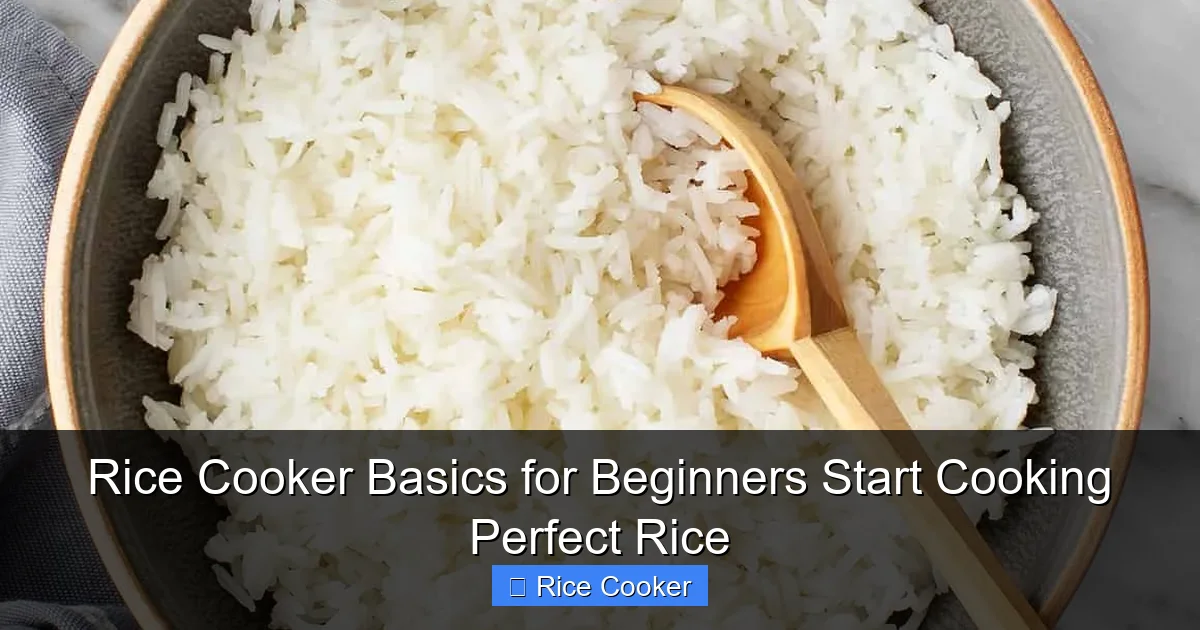
When you first open your rice cooker box, you’ll find several parts. The main unit houses the heating element and controls. The inner cooking pot is removable and usually has a non-stick coating. You’ll also get a measuring cup and a rice spatula or paddle. Some models include a steaming basket for vegetables or fish.
Visual guide about Rice Cooker Basics for Beginners Start Cooking Perfect Rice
Image source: cdn.loveandlemons.com
Place your rice cooker on a flat, heat-resistant surface. Keep it away from walls and cabinets. Make sure there’s at least six inches of space around it for ventilation. Never place it under shelves. The steam needs to escape safely. For more kitchen safety guidelines, see our kitchen safety tips for home cooks.
Understanding the Components
The inner pot is where the magic happens. This is where you put your rice and water. Most pots are non-stick, which makes cleanup easy. Handle it carefully to avoid scratching the coating.
The lid usually has a glass window so you can watch your rice cook. It also has a steam vent to release pressure. Some lids are removable for cleaning. Others hinge open. The control panel is simple. Most basic models have just two buttons: Cook and Keep Warm.
Types of Rice Cookers
There are three main types of rice cookers. The simplest are one-button cookers. You add rice and water, press the button, and that’s it. They’re perfect for beginners and very affordable.
Multi-cooker models offer more functions. They can cook rice, steam vegetables, and even slow cook. These are great if you want versatility. Fuzzy logic cookers are the high-tech option. They adjust cooking time and temperature automatically. They’re ideal for different rice types but cost more.
The Perfect Rice Formula
The Golden Ratio
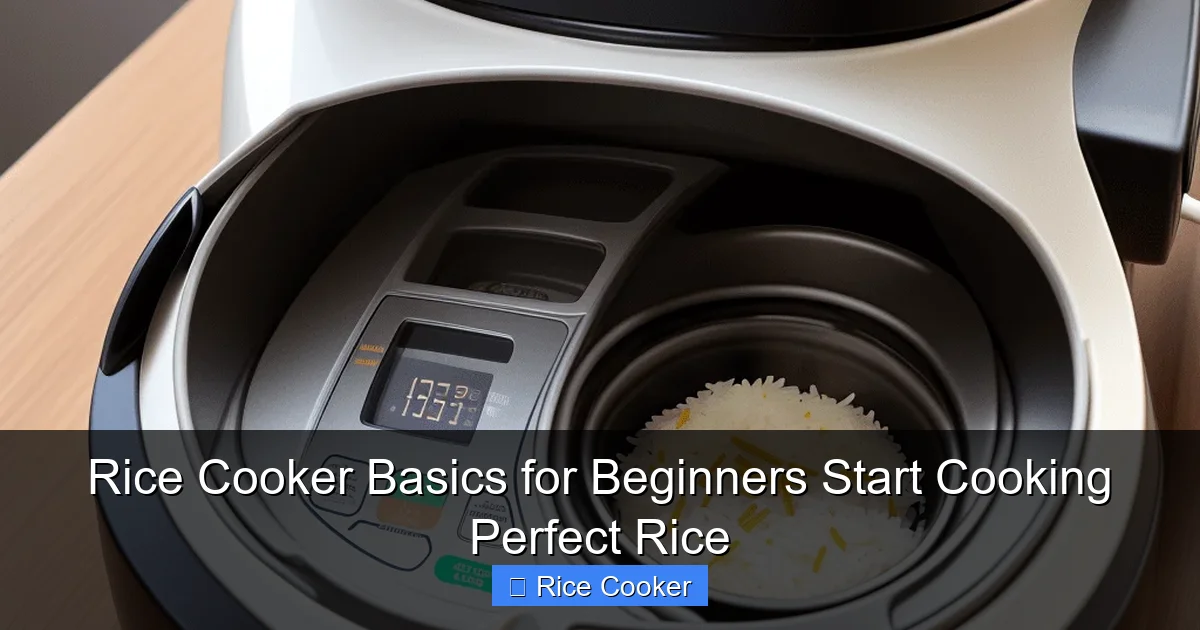
The secret to perfect rice is simple math. For most white rice, use a 1:1.5 ratio. That means one cup of rice to one and a half cups of water. Your rice cooker’s measuring cup is designed specifically for this ratio. Use it, not a regular measuring cup.
Visual guide about Rice Cooker Basics for Beginners Start Cooking Perfect Rice
Image source: ricearray.org
Brown rice needs more water. Use a 1:2 ratio for brown rice. That’s one cup of rice to two cups of water. Different rice types need different amounts. Check out our types of rice and best uses guide for specific ratios.
Why Rinsing Matters
Rinsing rice removes excess starch from the surface. This prevents the grains from sticking together. It also prevents that gummy texture you might have experienced. Place your rice in a fine-mesh strainer. Run cool water over it for about 30 seconds.
Keep rinsing until the water runs clear. Some rice varieties need more rinsing than others. Basmati and jasmine rice definitely need thorough rinsing. Brown rice often needs less rinsing. The goal is to remove surface starch without washing away nutrients.
Water Temperature Tips
Always use cool tap water. Never use hot water from the tap. It can contain more minerals and affect cooking. The temperature of your water should be around room temperature. This helps the rice cook evenly.
Some recipes call for broth instead of water. You can absolutely do this. Just use the same ratios. Broth adds wonderful flavor to plain rice. Try it with chicken, vegetable, or beef broth for a tasty side dish.
Step-by-Step: Cooking Your First Rice
Step 1: Measure Your Rice
Use the measuring cup that came with your rice cooker. Scoop up the rice with the cup. Level it off with a straight edge. Don’t pack it down. Just let it sit naturally in the cup.
Visual guide about Rice Cooker Basics for Beginners Start Cooking Perfect Rice
Image source: eatingwell.com
A rice cooker cup is slightly smaller than a standard US cup. That’s why using the right cup matters. If you use a regular cup, your rice might be too wet or too dry. Measure once for accuracy.
Step 2: Rinse Thoroughly
Place the measured rice in a fine-mesh strainer. Hold it under cool running water. Swirl the rice with your fingers. Let the water run through for about 30-60 seconds.
Keep rinsing until the water runs mostly clear. Some white rice varieties need more rinsing. Brown rice needs less. The clearer the water, the less sticky your rice will be. This step is crucial for fluffy results.
Step 3: Add the Right Water
Pour the rinsed rice into the inner cooking pot. Add water according to your ratio. For white rice, that’s 1.5 cups water per 1 cup rice. Use the lines inside the pot if they exist. These lines show water levels for different rice amounts.
If your pot doesn’t have lines, use the measuring cup. Add water slowly. It’s better to add a little too much than too little. You can always pour out excess water before cooking if needed.
Step 4: Let It Cook
Place the inner pot back into the rice cooker. Make sure it sits flat on the heating plate. Close the lid. Press the Cook button. The red light should come on. Your rice cooker will now do all the work.
Don’t open the lid while it’s cooking. The steam is what cooks the rice. Opening the lid releases steam and can affect cooking time. Just let it do its job. The cooking cycle takes about 20-30 minutes for white rice.
Step 5: The Resting Period
When the rice cooker switches to Keep Warm, don’t rush. Let the rice sit for 10-15 minutes. This allows the steam to finish cooking the rice evenly. It also lets excess moisture evaporate.
After resting, open the lid. Fluff the rice with the included spatula. Use a gentle lifting motion. Don’t stir or mash the rice. Scoop out what you need. Close the lid if there’s leftover rice.
Beyond White Rice: Other Grains
Brown Rice Adjustments
Brown rice has a harder outer shell. It needs more water and more time. Use a 1:2 ratio for brown rice. That’s one cup rice to two cups water. Soak brown rice for 30 minutes before cooking. This softens the grains and reduces cooking time.
If your rice cooker has a specific brown rice setting, use it. If not, the regular setting works fine. Just expect a longer cooking time. Brown rice usually takes 40-50 minutes instead of 20-30.
Quinoa and More
Your rice cooker can cook more than just rice. Quinoa works perfectly. Use a 1:2 ratio for quinoa. That’s one cup quinoa to two cups water. Rinse quinoa well to remove its natural coating.
Other grains like barley, millet, and couscous work too. Each needs slightly different water amounts. Check the package instructions and adjust as needed. Your rice cooker is a versatile grain cooker.
Troubleshooting Common Issues
Mushy or Gummy Rice
This usually means too much water. Next time, reduce water by a quarter cup. It can also mean you didn’t rinse enough. Make sure to rinse until water runs clear. Overcooking causes mushiness too. Don’t press Cook twice.
If your rice is mushy, spread it on a baking sheet. Let it sit for 10 minutes to dry out. You can also use it for fried rice or rice pudding. These recipes work well with stickier rice.
Undercooked or Hard Rice
Hard rice means not enough water or not enough time. Check your water ratio. Make sure you’re using the right amount. If the rice is still hard after cooking, add two tablespoons of water. Close the lid and press Cook again for 5-10 minutes.
Sometimes hard rice means old rice. Old rice loses moisture and needs more water. If your rice is more than a year old, increase water by a quarter cup. Brown rice that’s hard might need longer soaking.
Burnt Bottom Layer
A burnt bottom means too little water. The rice cooker didn’t have enough liquid to create steam. Check your measurements. Make sure the inner pot sits flat on the heating plate. A warped pot can cause uneven heating.
To prevent burning, always measure water carefully. Don’t use cold water straight from the fridge. Room temperature water works best. If you get a burnt layer, don’t scrape it. The rest of the rice should be fine.
Rice Sticking to the Pot
Sticking usually means the non-stick coating is damaged. Handle your pot carefully. Never use metal utensils. Always use the plastic spatula that came with it. Wash the pot by hand. Avoid abrasive scrubbers.
If rice is sticking, try adding a teaspoon of oil to the water. This creates a barrier between the rice and the pot. It also adds flavor. Use neutral oils like canola or vegetable oil.
Maintenance and Care
Daily Cleaning
Clean your rice cooker after every use. Let the inner pot cool completely. Never plunge a hot pot into cold water. This can warp the metal. Wash the pot with warm, soapy water. Use a soft sponge or cloth.
Wipe the main unit with a damp cloth. Never immerse the base in water. The heating element must stay dry. Clean the lid with warm water. Remove any rice stuck to the steam vent. This prevents clogs.
Deep Cleaning
Once a month, give your rice cooker a deep clean. Remove the inner pot and lid. Soak them in warm, soapy water for 15 minutes. This loosens stuck-on rice. Scrub gently with a non-abrasive brush.
Check the steam vent for mineral buildup. Use a toothpick or small brush to clear it. Wipe the heating plate with a dry cloth. Don’t use harsh chemicals. They can damage the non-stick coating.
Storage Tips
Store your rice cooker with the lid open. This prevents musty odors. Keep it in a dry cabinet. Don’t stack heavy items on top. The inner pot is fragile and can warp under pressure.
If you don’t use your rice cooker often, plug it in once a month. Run it empty for 10 minutes. This keeps the electronics working properly. Then let it cool and store it away.
Conclusion: You’re Now a Rice Cooker Pro
That’s it! You now know all the rice cooker basics for beginners. You can cook perfect rice every time. You know how to clean and maintain your cooker. You can even troubleshoot problems when they happen.
Your rice cooker is one of the most useful tools in your kitchen. It frees up stove space. It makes perfect rice without constant attention. It can even steam vegetables and cook other grains. Practice makes perfect. Try cooking rice once a week to build confidence.
Remember, every rice cooker is slightly different. Your model might have special features. Read your manual for specific instructions. And always, always measure your rice and water. That’s the golden rule.
Now go make some rice! Your perfect, fluffy grains are waiting.
🎥 Related Video: How to Cook Rice in a Rice Cooker
📺 Val Cooking Again
It’s pretty straightforward but I know daunting. Wash your rice until the water is nice and clear. Depending on the grain it can take …
