
Choosing between a rice cooker or stovetop method depends on your priorities. This guide breaks down convenience, quality, cost, and versatility to help you decide. Learn step-by-step techniques for perfect rice with either approach and find your perfect match.
Contents
- 1 Key Takeaways
- 2 Introduction: Your Kitchen, Your Rice, Your Choice
- 3 Understanding the Basics: How Each Method Works
- 4 The Great Showdown: Comparing Key Factors
- 5 Step-by-Step: Mastering the Stovetop Method
- 6 Step-by-Step: Mastering the Rice Cooker Method
- 7 Troubleshooting Common Problems
- 8 Making Your Decision: Which is Right for You?
- 9 Conclusion: Your Perfect Rice Awaits
Key Takeaways
- Convenience wins with rice cookers: Set it and forget it while stovetop requires constant attention and timing.
- Stovetop offers more control: You can adjust heat instantly and achieve specific textures that rice cookers might not deliver.
- Cost difference is significant: A good pot costs $20 while quality rice cookers range from $50 to $300+.
- Space matters: Rice cookers need dedicated storage while stovetop uses existing pots you already own.
- Both can produce perfect rice: Success depends more on technique and ratios than the tool itself.
- Versatility varies: Rice cookers can steam veggies and make porridge while stovetop pots handle soups, pasta, and more.
Introduction: Your Kitchen, Your Rice, Your Choice
You stand in your kitchen, bag of rice in hand, facing a simple question that sparks endless debate: rice cooker or stovetop? This decision affects your daily routine, your budget, and the quality of your meals. Whether you’re a college student with a hot plate or a home chef building your dream kitchen, this guide gives you everything you need to choose wisely.
We’ll compare both methods head-to-head, show you exactly how to use each one, troubleshoot common problems, and help you decide which approach fits your lifestyle. By the end, you’ll know not just which tool to use, but how to make perfect rice every single time.
Understanding the Basics: How Each Method Works
Before diving into comparisons, let’s understand what makes each method unique. The science of cooking rice is simple: rice absorbs water, starches gelatinize, and water evaporates. But the tools you use change everything.
Visual guide about Rice Cooker or Stovetop Which is Better Your Ultimate Guide
Image source: howguide.net
How Rice Cookers Work
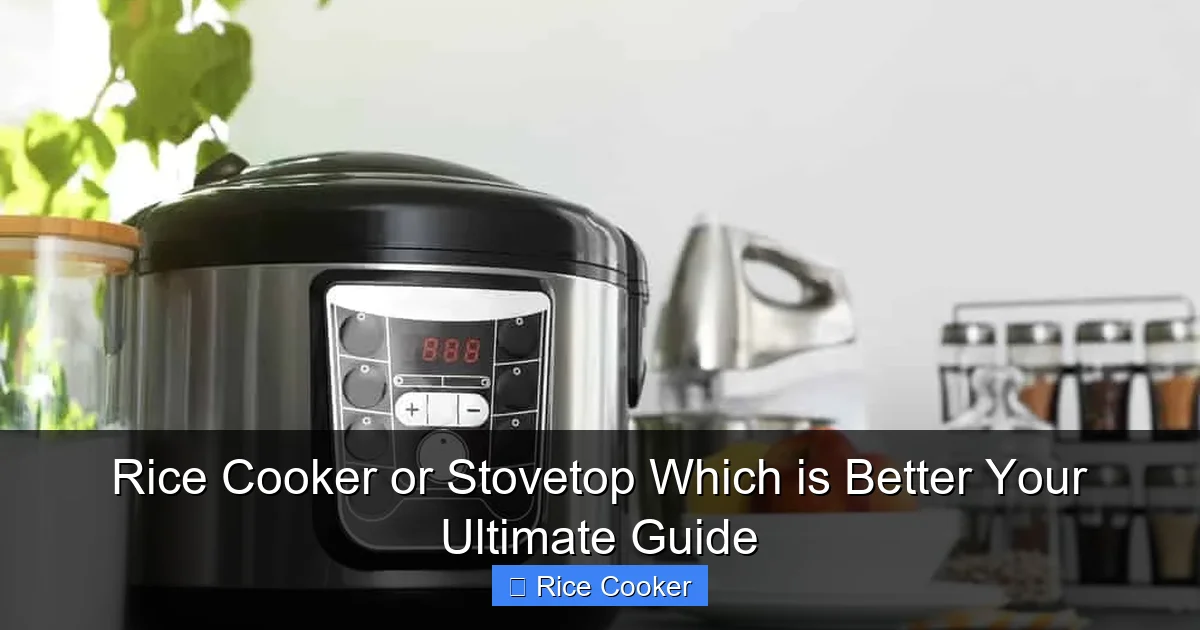
Rice cookers automate the entire process with a clever thermal mechanism. You add rice and water, close the lid, and press start. The heating plate warms the metal bowl from below. As water heats, it boils and steam builds. When all water absorbs and temperature rises above 212°F, a thermostat trips and switches to warm mode. This typically takes 20-40 minutes depending on your rice type and quantity. The machine handles timing, heat adjustment, and shutdown automatically.
How Stovetop Cooking Works
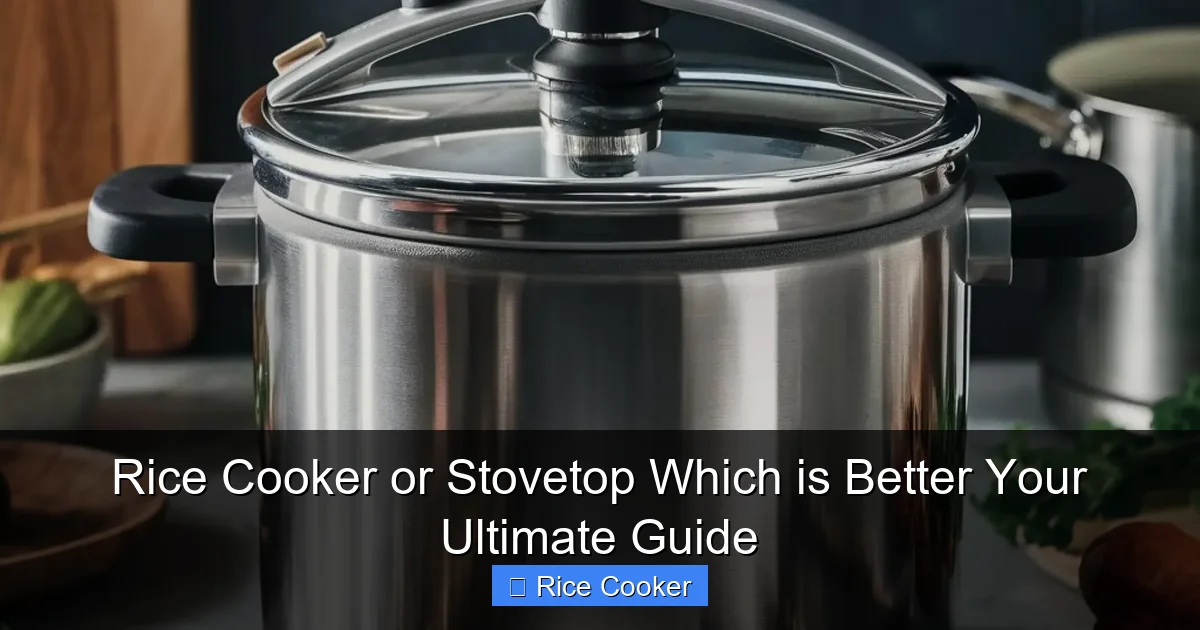
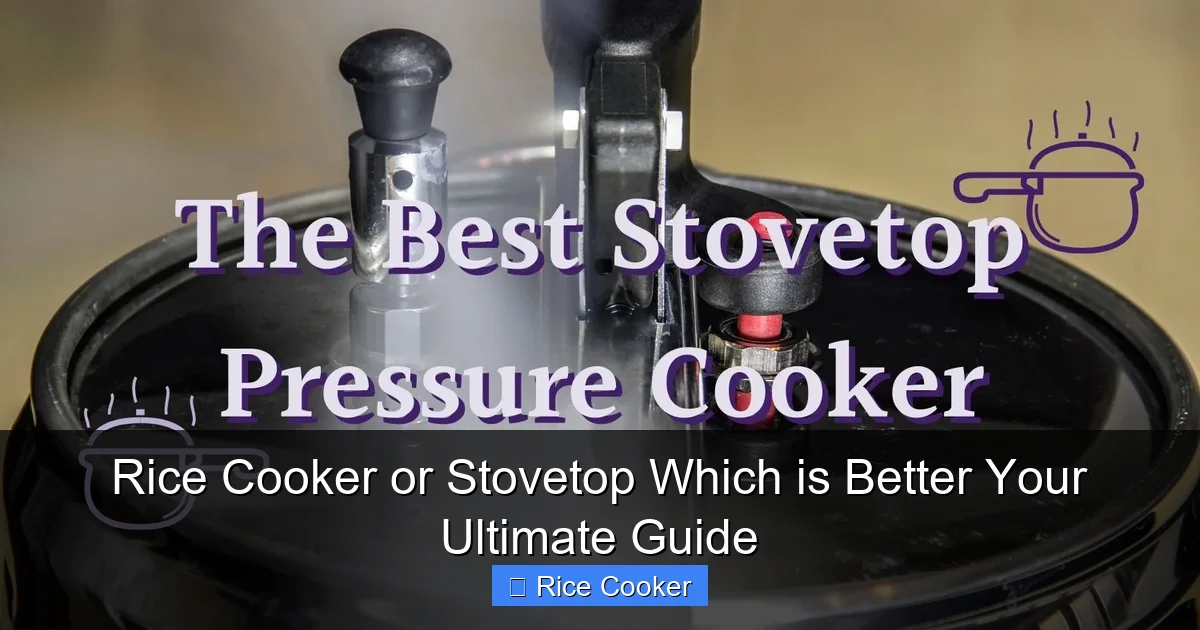
The stovetop method gives you complete manual control. You heat a pot with rice and water over a burner, bring it to a boil, then reduce to a simmer. You decide when to cover, how much heat to apply, and when to remove the pot. This requires watching, adjusting, and timing. The process takes 15-25 minutes but demands your attention throughout. You’re the thermostat, the timer, and the heat controller all in one.
The Great Showdown: Comparing Key Factors
Now let’s examine the five most important factors that separate rice cooker or stovetop approaches. Each one matters differently depending on your situation.
Visual guide about Rice Cooker or Stovetop Which is Better Your Ultimate Guide
Image source: clankitchen.com
Convenience and Ease of Use
This is where the rice cooker shines. Add rice, add water, press a button. You can start it before work and come home to warm rice. You can set it when you wake up for breakfast. No babysitting, no checking, no risk of burning if you get distracted. For busy families, meal preppers, or anyone with a hectic schedule, this is transformative.
The stovetop method demands your presence. You must watch the pot come to a boil, adjust the heat perfectly, set a timer, and remember to check it. If you walk away, you risk overcooking or burning. If your phone rings or a child needs you, your rice might suffer. It’s simple but requires active participation throughout the process.
Cooking Quality and Results
Many chefs swear by stovetop for superior control. You can adjust heat instantly if you notice too much steam escaping. You can peek at the rice and decide if it needs more water. You can create specific textures – slightly firm Japanese style or soft and fluffy Indian basmati. The stovetop lets you react to what you see and smell.
Modern rice cookers, especially fuzzy logic models, produce incredibly consistent results. They adjust timing and temperature automatically for different rice types. The enclosed environment creates perfect steam distribution. Your rice will be uniformly cooked every time, with no effort on your part. Some high-end models even outperform careful stovetop cooking for specific varieties.
Time and Energy Efficiency
Rice cookers use dedicated heating elements designed for efficiency. They capture steam and recycle heat effectively. For small batches, they’re often faster since you don’t wait for a large burner to heat up. They also free you to do other tasks while rice cooks, making your overall meal prep more efficient.
Stovetop cooking uses your existing burners. If you already have a pot on the stove, adding rice is zero additional energy cost. Gas stoves offer instant heat adjustment. Electric coils take time to change temperature. Overall, energy use is similar, but stovetop requires your time investment while rice cooker does not.
Cost and Space Considerations
Stovetop wins this category easily. You need a pot with a lid. A good heavy-bottomed pot costs $20-40 and serves multiple purposes – soups, pasta, boiling, simmering. You already have burners. No extra appliance to store. No extra cord to plug in.
Rice cookers range from basic $30 models to $300+ advanced units. You’re buying a single-purpose appliance that needs counter or cabinet space. For small kitchens, that’s a real consideration. You also need to maintain it – clean the bowl, check the cord, replace if it breaks. The investment is significant for a one-task tool.
Versatility in the Kitchen
The stovetop pot is incredibly versatile. Use it for rice, yes, but also for soups, stews, pasta, blanching vegetables, making sauces, cooking beans, and more. One pot, dozens of uses. This makes it ideal for minimalists or those with limited kitchen space.
Rice cookers have expanded beyond their name. Most models steam vegetables above the rice. Many make porridge, cook quinoa, prepare oatmeal, and even bake cakes. High-end models can handle brown rice, sushi rice, and wild rice with specific programs. But they still can’t sear meat or reduce sauces. They’re specialized tools with some bonus functions.
Step-by-Step: Mastering the Stovetop Method
Let’s walk through the stovetop method in detail. This gives you the foundation to understand what’s happening and how to control it.
Visual guide about Rice Cooker or Stovetop Which is Better Your Ultimate Guide
Image source: simplymumma.com.au
What You’ll Need
- A heavy-bottomed pot with a tight-fitting lid (2-3 quarts works for most needs)
- Measuring cups (one for rice, one for water)
- A fine-mesh strainer for rinsing (optional but recommended)
- A timer
- A fork or rice paddle for fluffing
The Perfect Stovetop Rice Recipe
Start with 1 cup of long-grain white rice. Rinse it under cold water in your strainer until the water runs clear. This removes excess starch and prevents gummy rice. Some prefer not to rinse for authentic texture – try both to see what you like.
Add the rinsed rice to your pot. Measure 1.5 cups of water (the standard 1:1.5 ratio for white rice). Add a pinch of salt if desired. Some cooks add a teaspoon of oil or butter to prevent sticking.
Place the pot on your stove over high heat. Bring it to a full boil uncovered. You’ll see bubbles breaking the surface. This usually takes 3-5 minutes. Stir once to prevent sticking.
Once boiling, immediately reduce heat to low. Cover the pot tightly with the lid. If your lid doesn’t fit perfectly, use foil under the lid for a better seal. Set your timer for 18 minutes.
After 18 minutes, turn off the heat. Do not lift the lid. Let the rice rest for 10 minutes. This allows final moisture distribution and perfect texture. After resting, fluff with a fork and serve.
Pro Tips for Stovetop Success
Always use a heavy-bottomed pot. Thin pots create hot spots and burn rice. A quality stainless steel or enameled pot works best. Avoid non-stick for rice – it doesn’t conduct heat evenly.
Never lift the lid during cooking. Each peek releases steam and lowers temperature, extending cooking time and creating uneven results. Trust your timer and your process.
Adjust water for your altitude. If you live above 3,000 feet, add 2-3 tablespoons extra water per cup of rice. Higher altitude means lower boiling temperature and longer cooking time.
For brown rice, increase water to 2 cups per 1 cup rice and extend cooking time to 35-40 minutes. Brown rice needs more water and more time for the bran to soften.
Step-by-Step: Mastering the Rice Cooker Method
Now let’s explore the rice cooker approach. While simpler overall, there are still techniques for perfect results.
What You’ll Need
- A rice cooker (any model will work)
- Measuring cups (the cup that comes with your cooker is calibrated for its ratios)
- A rice paddle
- A strainer for rinsing (recommended)
The Perfect Rice Cooker Rice Recipe
Start with 1 cup of rice. Rinse thoroughly until water runs clear. This step is even more important in rice cookers because they don’t allow for evaporation adjustments during cooking.
Place rinsed rice in the removable bowl. Add water using the cooker’s measuring cup. For white rice, fill to the “1” line in the bowl. This line accounts for the cooker’s specific water absorption rate. If your cooker didn’t come with a cup, use 1.25 cups water per cup of rice as a starting point.
Place the bowl in the rice cooker. Make sure it’s seated properly on the heating plate. Close the lid. Plug in the cooker.
Press the “Cook” button. Most cookers default to white rice. If you have a specific setting for your rice type, use it. The cooker will begin heating. You’ll hear water bubbling.
The cooker automatically switches to “Keep Warm” when done. This typically happens 20-30 minutes after starting. Let it sit for 10 minutes on warm before serving. Then open the lid, fluff with the paddle, and enjoy.
Pro Tips for Rice Cooker Success
Always use the measuring cup that came with your cooker. These cups are typically 6-7 ounces, not standard 8-ounce cups. They’re calibrated to the cooker’s specific water-to-rice ratios. Using a regular cup throws off the ratio and ruins results.
Don’t open the lid during cooking. Rice cookers rely on trapped steam. Peeking disrupts the precise temperature control that makes them work. Just trust the machine.
Clean the sensor area regularly. Rice cookers have a temperature sensor that can get covered in rice starch. Wipe it with a dry cloth monthly to ensure accurate readings.
For different rice types, adjust water slightly. Brown rice needs about 20% more water. Short-grain rice needs slightly less. Consult your manual or our guide to rice types for specific ratios.
Troubleshooting Common Problems
Both methods can go wrong. Here’s how to fix the most common issues.
Stovetop Issues and Solutions
Rice is mushy and overcooked: You used too much water or cooked too long. Reduce water by 2 tablespoons per cup next time. Check your timer. Also ensure you’re not lifting the lid during cooking, which extends the effective cook time.
Rice is hard and undercooked: Not enough water or not enough time. Add 2-3 tablespoons water, cover, and cook 5 more minutes on low. For future batches, increase water slightly or ensure your lid is tight enough to retain steam.
Rice is stuck to the bottom: Heat was too high or pot was too thin. Always use medium-low heat after boiling. A heavy-bottomed pot prevents this. Soak the pot immediately after serving to loosen stuck rice.
Too much steam escaping: Your lid doesn’t fit properly. Use a piece of foil under the lid or get a better-fitting lid. Some steam escape is normal, but excessive loss means water will evaporate too quickly.
Rice Cooker Issues and Solutions
Rice is too wet and gummy: You probably used a regular measuring cup instead of the cooker’s cup. The ratio was off. Try again with the proper cup. Also check that you didn’t overfill the bowl – maximum fill lines exist for a reason.
Rice is dry and crunchy: Not enough water. Check that you’re using the correct water line in the bowl. Ensure the heating element is clean and making good contact with the bowl. Some older cookers lose efficiency.
Rice cooker won’t turn on: Check that the bowl is properly seated. The cooker won’t activate without proper contact. Also verify the power cord is plugged in and the outlet works. If problems persist, the thermal fuse may have blown.
Rice is burning on the bottom: The keep-warm function is staying on too long. Most cookers switch to warm immediately after cooking, but some models have a delay. Also check that the thermal sensor is clean and not coated with starch.
Making Your Decision: Which is Right for You?
The choice between rice cooker or stovetop isn’t about which is objectively better. It’s about which serves your life better. Ask yourself these questions.
Questions to Ask Yourself
How often do you cook rice? If you make rice 3-4 times per week or more, a rice cooker pays for itself in convenience quickly. For occasional rice, stovetop is fine.
How much space do you have? Small kitchens benefit from multi-use tools. If you have room for dedicated appliances, a rice cooker is wonderful. Apartment dwellers often choose stovetop for simplicity.
What’s your budget? Starting from scratch, stovetop costs $20 for a pot. Rice cooker costs $30-100 for the appliance plus a pot you might still need for other tasks. Factor in your financial situation honestly.
How much time do you have? Busy parents, shift workers, and meal preppers value the hands-off approach of a rice cooker. If you enjoy cooking and have time to watch your pot, stovetop gives you more connection to the process.
What rice varieties do you use? If you only make white rice, both methods work. If you regularly cook brown rice, wild rice, or specialty varieties, a rice cooker with specific programs might be worth the investment. For basic white rice, stovetop is perfectly adequate.
Hybrid Solutions
You don’t have to choose just one. Many households use both. Keep a rice cooker for weeknight convenience and use the stovetop for special occasions or when you want more control. This gives you the best of both worlds but requires more storage space.
Consider a Instant Pot or other multi-cooker. These devices function as rice cookers with additional functions. They’re more versatile than dedicated rice cookers and take up less space than two separate appliances. They’re an excellent compromise for many kitchens.
For the ultimate minimalist approach, master the stovetop method and use the same pot for rice, grains, soups, and more. Add a small rice cooker only if your lifestyle changes dramatically – a new baby, a different job, or increased cooking frequency.
Conclusion: Your Perfect Rice Awaits
The debate between rice cooker or stovetop will continue, but the truth is simple: both can produce perfect rice. The better choice depends entirely on you – your kitchen, your budget, your time, and your preferences.
If convenience, consistency, and hands-off cooking matter most, invest in a quality rice cooker. Look for one with multiple settings and a steaming basket to maximize value. The perfect rice technique becomes almost automatic.
If versatility, cost savings, and kitchen simplicity are your priorities, master the stovetop method. A good heavy pot is one of the most useful tools in any kitchen. You’ll gain control and flexibility that no appliance can match.
Try both methods if you can. Borrow a rice cooker from a friend. Practice your stovetop technique. Taste the difference. Notice how each feels in your routine. Then make an informed decision based on real experience, not just theory.
Remember that perfect rice is about more than the tool. It’s about proper ratios, good water, quality rice, and a little attention to detail. Whether you choose rice cooker or stovetop, you now have the knowledge to succeed with either method. Your perfect bowl of rice is waiting. Choose your tool, follow our steps, and enjoy the results.
