
Contents
Key Takeaways
- Never use metal utensils on Teflon surfaces – they cause scratches that release chemicals
- Hand wash only with soft sponges and mild detergent to preserve the coating
- Replace immediately if you see scratches, peeling, or discoloration
- Avoid high heat – most rice cookers operate at safe, controlled temperatures
- Never cook acidic foods like tomatoes in Teflon-coated pots
- Allow proper cooling before cleaning to prevent thermal shock damage
- Store carefully – nest bowls with protective padding to avoid scratches
Understanding Teflon Coating in Rice Cooker Safety
Most modern rice cookers feature Teflon or similar non-stick coatings. These coatings make cooking and cleaning effortless. They also prevent rice from sticking and burning. However, Teflon requires specific care to remain safe for food preparation.
Teflon is generally safe when used correctly. The coating becomes problematic when damaged or overheated. Scratches can expose aluminum underneath. Overheating can release fumes. This guide will show you how to avoid these risks completely.
Your family’s health depends on proper kitchen tool maintenance. A well-cared-for rice cooker can last for years. A damaged one might need replacing within months. Let’s protect your investment and your loved ones.
Step-by-Step: Safe Usage Guidelines
Using your rice cooker safely starts before you even add water. Follow these steps every single time you cook.
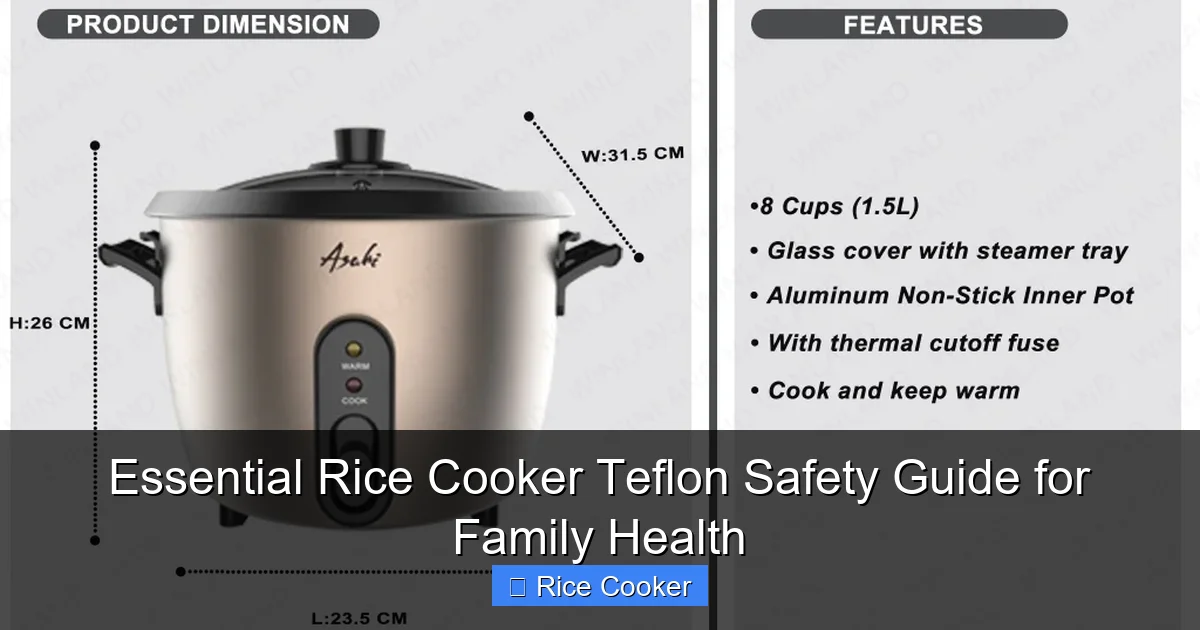
Visual guide about Essential Rice Cooker Teflon Safety Guide for Family Health
Image source: ph-test-11.slatic.net
Pre-Use Inspection
Always inspect your inner pot before cooking. Look for visible scratches, peeling spots, or discoloration. Run your fingers gently across the surface. Feel for any rough areas or raised edges. If you find damage, stop using the pot immediately.
Check the pot’s fit in the cooker base. It should slide in smoothly without forcing. A proper fit ensures even heating and prevents hot spots that can damage the coating.
Wash new pots before first use. Remove any factory residues with warm soapy water. Dry thoroughly before adding ingredients.
Proper Handling During Cooking
Measure your rice carefully. Use the measuring cup that came with your cooker. Different rice types require different water ratios. Check our guide on types of rice and best uses for perfect results every time.
Never use metal utensils in the pot. Wood, silicone, or plastic tools are safe choices. Even a small scratch can compromise the coating. When stirring, do so gently. Avoid hitting the sides or bottom.
Add ingredients before turning on the cooker. Never place rice directly into a hot, empty pot. This causes immediate sticking and potential coating damage.
Don’t cook acidic foods like tomatoes or citrus in Teflon pots. These foods can break down the coating over time. Stick to rice, grains, and neutral ingredients.
Post-Cooking Safety Measures
Let the rice cooker cool naturally. Don’t place a hot pot on cold surfaces. This prevents thermal shock that can crack or warp the coating.
Remove food promptly after cooking. Don’t let rice sit for hours in the pot. Starchy water can seep into tiny scratches and degrade the coating.
Use the keep-warm function sparingly. While convenient, constant heating cycles stress the coating. Turn off the cooker once everyone has been served.
Cleaning and Maintenance Best Practices
Proper cleaning extends your rice cooker’s life dramatically. Most damage happens during cleaning, not cooking. These steps will keep your Teflon pristine.
Visual guide about Essential Rice Cooker Teflon Safety Guide for Family Health
Image source: m.media-amazon.com
Immediate Cleaning Steps
Clean your pot immediately after use. Soak it in warm water while you eat. This softens stuck-on rice without scrubbing.
Never use oven cleaner or harsh chemicals. These strip the Teflon coating completely. Stick to mild dish soap and warm water.
For stubborn rice bits, soak longer. Hot water and time work better than force. A few hours of soaking eliminates the need for scrubbing.
Safe Cleaning Tools and Techniques
Use soft sponges or cloths only. Avoid steel wool, abrasive pads, or harsh brushes. Even “non-scratch” scrubbers can damage Teflon over time.
Wash by hand always. Dishwashers are too harsh for Teflon coatings. The high heat and strong detergents break down the non-stick surface quickly.
Clean the outer base with a damp cloth only. Never immerse the electrical base in water. Wipe spills immediately to prevent them from baking on.
For burnt rice, use a plastic scraper gently. Or boil water in the pot to loosen debris. Never use a knife or metal tool to remove stuck food.
Drying and Storage
Dry the pot completely before storing. Use a soft towel or air dry on a rack. Moisture trapped in scratches can cause rust or coating separation.
Store the inner pot separately from the base. Don’t stack other pots inside it. Place a soft cloth between nested pots to prevent scratching.
Keep your rice cooker in a dry cabinet. Humidity can affect electrical components and coating integrity over time.
Recognizing and Addressing Teflon Damage
Even with perfect care, Teflon eventually wears out. Recognizing damage early prevents health risks. Here’s what to watch for.
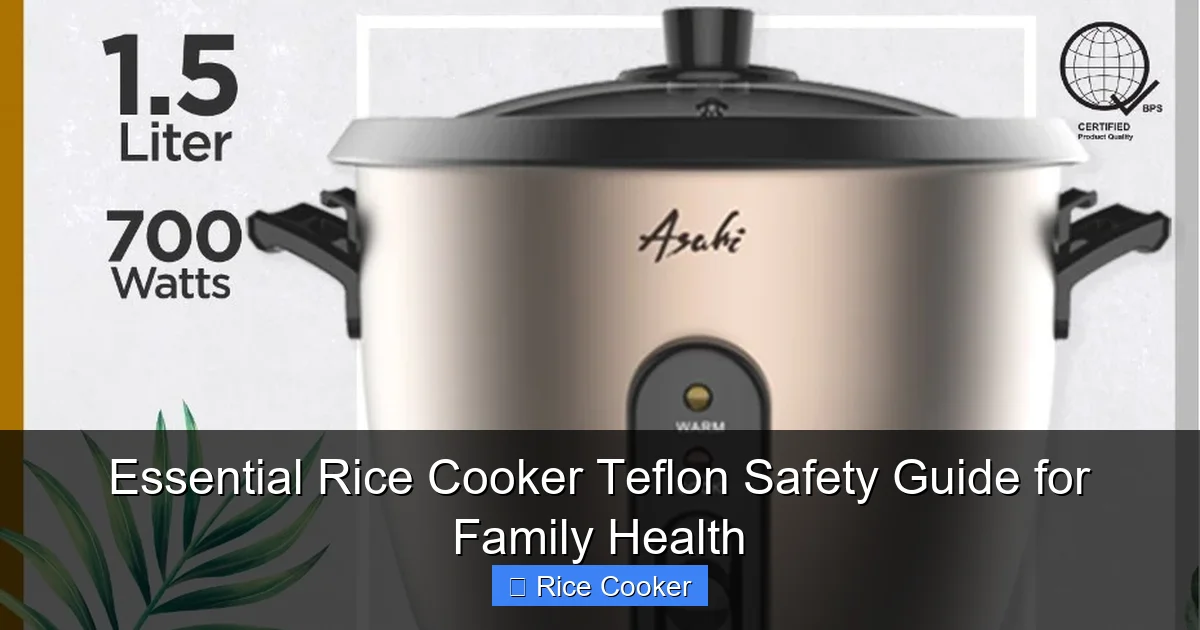
Visual guide about Essential Rice Cooker Teflon Safety Guide for Family Health
Image source: laz-img-sg.alicdn.com
Signs of Wear and Tear
Scratches are the most obvious sign. Any visible line means the coating is compromised. Stop using the pot immediately if you see scratches.
Discoloration indicates coating breakdown. Brown or yellow spots mean the Teflon is degrading. These spots can flake into your food.
Peeling or flaking coating is an emergency. Bits of Teflon in your rice mean it’s time for a new pot. Don’t risk eating these particles.
Increased sticking means the coating is failing. If rice sticks despite proper water ratios, the non-stick surface is gone.
Odd smells during cooking signal overheating or coating breakdown. Never ignore burning smells from your rice cooker.
What to Do If You Find Damage
Stop using the damaged pot right away. Don’t think “just this once.” One meal with compromised coating isn’t worth the risk.
Check if your cooker is still under warranty. Some manufacturers replace damaged pots for free. Contact customer service with photos of the damage.
Replace with manufacturer-approved parts only. Generic pots may not fit properly. This can cause uneven heating and new safety issues.
Consider upgrading to ceramic or stainless steel alternatives. Newer rice cookers offer safer non-stick options. These don’t contain traditional Teflon chemicals.
Troubleshooting Common Teflon-Related Issues
Problems happen even with careful use. Here are solutions to common Teflon issues.
Rice Sticking Despite Proper Water
This usually means your coating is wearing thin. Reduce your cooking temperature if possible. Try adding a teaspoon of oil to the water. This creates a protective layer between rice and coating.
Check our guide on healthy cooking oils compared to choose the best oil for your rice. Olive oil and avocado oil work well.
If sticking continues, replace the pot. Don’t continue using a failing non-stick surface.
White Spots on the Coating
These are mineral deposits from hard water. They don’t affect safety but look unpleasant. Remove them with white vinegar and water. Boil a 1:1 solution in the pot, then wash normally.
Don’t scrub these spots away. Scrubbing damages the coating more than the spots themselves.
Food Tastes Metallic
This means the aluminum base is exposed. The Teflon has worn through completely. Stop using the pot immediately. Eating food cooked in exposed aluminum isn’t safe long-term.
Check for scratches you might have missed. Sometimes damage is underneath the surface.
Coating Coming Off in Flakes
This is the most serious issue. Flaking means the bond between coating and metal has failed. Replace the pot immediately. Don’t risk eating Teflon flakes.
Contact the manufacturer. This might be a defect covered under warranty.
Unusual Noises During Cooking
Cracking or popping sounds can mean the pot is warping. Warping creates uneven contact with the heating element. This concentrates heat in spots and damages the coating.
Turn off the cooker and let it cool. Inspect the pot for visible warping. If the bottom isn’t completely flat, replace it.
Alternative Non-Stick Options
Traditional Teflon isn’t your only choice. Newer technologies offer safer alternatives.
Ceramic coatings are popular. They’re made from natural materials and don’t contain PFOA. These coatings last longer but still require gentle care.
Stainless steel inner pots are becoming common. They don’t have non-stick properties but are completely inert. Use more oil or water to prevent sticking.
Cast iron inserts are available for some models. These need seasoning but become naturally non-stick over time. They’re the safest long-term option.
When buying a new rice cooker, research the coating type. Ask manufacturers about PFOA-free options. Choose brands with good warranties on the inner pot.
Conclusion
Rice cooker Teflon safety is simple with the right habits. Avoid metal tools, hand wash gently, and replace damaged pots promptly. These steps protect your family from potential chemical exposure and ensure years of safe cooking.
Your rice cooker is a valuable kitchen tool. Treat it well, and it will serve your family safely. Neglect it, and you risk health issues and wasted food. The small effort required for proper care pays off every time you serve a perfect pot of rice.
Remember that kitchen safety tips for home cooks apply to all your appliances. Regular maintenance prevents accidents. Keep this guide handy for reference. Share it with family members who use your rice cooker.
Stay safe, cook smart, and enjoy your rice!
🎥 Related Video: The BEST rice cooker 🍚✨
📺 LaTreese Atkins
