
Choosing between a rice cooker vs Instant Pot depends on your cooking needs and kitchen space. A rice cooker excels at perfect rice with minimal effort, while an Instant Pot replaces multiple appliances with pressure cooking, slow cooking, and more. This guide breaks down everything you need to know to make the right choice for your lifestyle.
Contents
- 1 Key Takeaways
- 2 Introduction: Making Sense of Your Kitchen Choices
- 3 Understanding Rice Cookers: Simple and Reliable
- 4 Understanding Instant Pots: The Multi-Tasking Powerhouse
- 5 Key Differences Side by Side
- 6 When to Choose a Rice Cooker
- 7 When to Choose an Instant Pot
- 8 Step-by-Step: How to Use a Rice Cooker
- 9 Step-by-Step: How to Use an Instant Pot for Rice
- 10 Maintenance and Care Tips
- 11 Troubleshooting Common Issues
- 12 Making Your Final Decision
- 13 Conclusion
Key Takeaways
- Rice cookers specialize in perfect rice every time with foolproof simplicity and one-touch operation.
- Instant Pots multitask as pressure cookers, slow cookers, rice cookers, yogurt makers, and more in one device.
- Speed matters – Instant Pots cook rice 3-4 times faster than traditional rice cookers using pressure.
- Counter space counts – Rice cookers take up less room; Instant Pots offer more functions but larger footprint.
- Budget differences – Basic rice cookers start under $30; Instant Pots typically cost $80-$150.
- Learning curve – Rice cookers are easier for beginners; Instant Pots require understanding pressure cooking safety.
- Versatility wins – If you only need rice, choose a rice cooker. For diverse meals, pick an Instant Pot.
Introduction: Making Sense of Your Kitchen Choices
You stand in the kitchen appliance aisle, staring at two shiny devices. Both promise to make your life easier. Both claim to be essential. But which one deserves your counter space and your hard-earned money? The rice cooker vs Instant Pot debate confuses many home cooks. This guide cuts through the marketing noise and gives you real-world facts.
By the end, you will know exactly which appliance fits your cooking style, kitchen space, and meal preferences. We compare features, costs, versatility, and ease of use. No fluff. Just clear answers to help you decide what to buy.
Understanding Rice Cookers: Simple and Reliable
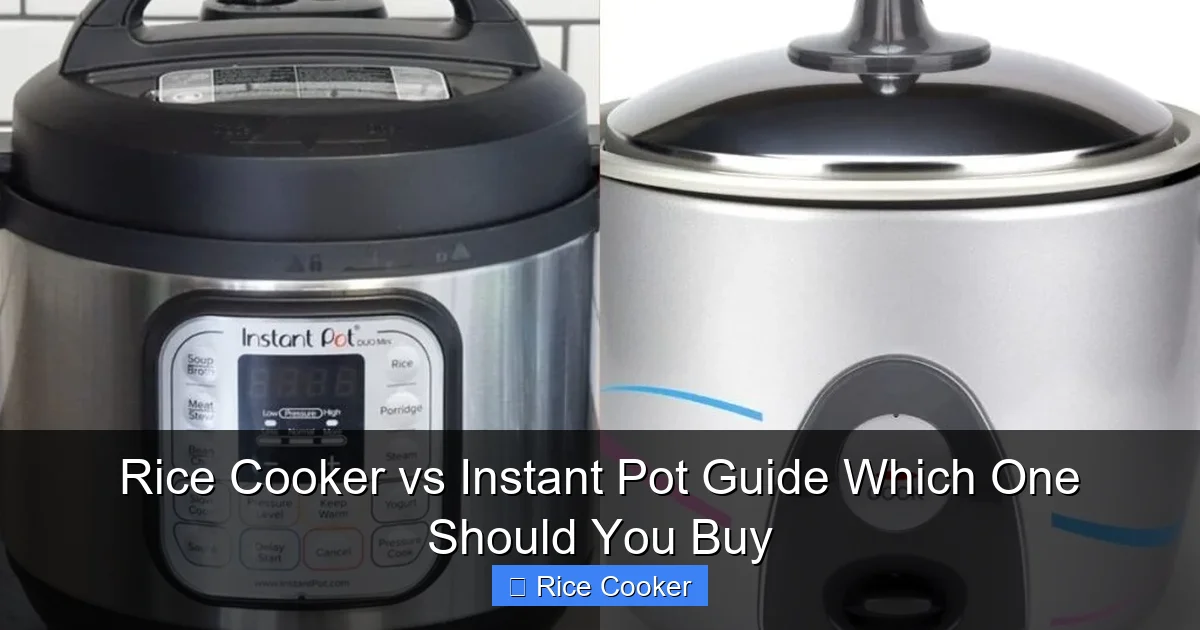
A rice cooker is exactly what it sounds like – a device designed to cook rice perfectly. You add rice and water, press a button, and walk away. The magic happens through simple science.
Visual guide about Rice Cooker vs Instant Pot Guide Which One Should You Buy
Image source: apressurecookerkitchen.com
How Rice Cookers Work
Most rice cookers use a heating element at the bottom and a thermal sensor. As the water heats, it cooks the rice. Once the water absorbs completely, the temperature rises above 212°F. This triggers the sensor to switch from cook to warm mode automatically. No guesswork. No burned rice. Just fluffy grains every single time.
The Pros of Owning a Rice Cooker
- Perfect results guaranteed – Even if you forget about it, the automatic shutoff prevents disasters.
- Keeps rice warm for hours – Most models maintain rice at serving temperature without drying it out.
- Simple to operate – One button, one function. Even children can use it safely.
- Compact design – Takes minimal counter space and stores easily in cabinets.
- Affordable pricing – Quality models start as low as $25 and last for years.
The Limitations to Consider
Rice cookers specialize in one task. They cannot brown meat, sauté vegetables, or cook foods under pressure. If you want to steam veggies, some models include a steaming basket, but that’s about the extent of extra functions. For basic rice cooking, nothing beats them. For everything else, you need additional appliances.
Understanding Instant Pots: The Multi-Tasking Powerhouse
An Instant Pot is a modern electric pressure cooker with multiple functions rolled into one device. It can pressure cook, slow cook, steam, sauté, make yogurt, and yes, cook rice. The brand name became so popular that people say “Instant Pot” for any electric pressure cooker, similar to how we say “Kleenex” for tissues.
Visual guide about Rice Cooker vs Instant Pot Guide Which One Should You Buy
Image source: clankitchen.com
How Instant Pots Work
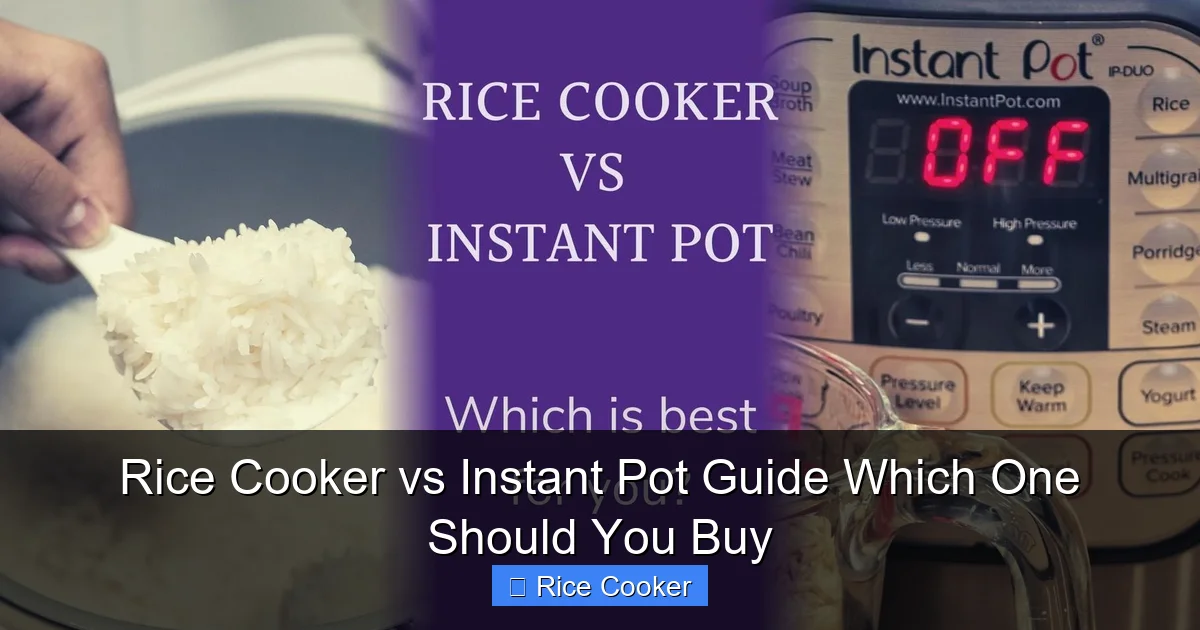
The sealed pot creates steam pressure that raises the boiling point of water above 212°F. This higher temperature cooks food much faster. A pressure cooker can brown meat, tenderize tough cuts, and cook dried beans in a fraction of the traditional time. The Instant Pot adds programmed settings so you don’t have to monitor pressure manually.
The Pros of Owning an Instant Pot
- Multiple appliances in one – Replaces pressure cooker, slow cooker, rice cooker, yogurt maker, and more.
- Speeds up cooking dramatically – Cooks rice in 5-8 minutes under pressure versus 20-30 minutes in a rice cooker.
- Pre-programmed settings – One-touch buttons for soup, chili, porridge, and specific rice types.
- Sauté function built-in – Brown meat and soften vegetables before pressure cooking without using another pan.
- Energy efficient – Uses less electricity than running your stove or oven for long periods.
The Limitations to Consider
Instant Pots require learning safety features and understanding how to release pressure properly. The inner pot needs regular sealing ring replacement. Some users find the buttons confusing at first. And while it cooks rice well, purists argue it doesn’t match the texture of rice from a dedicated rice cooker. The footprint is larger than most rice cookers, and prices start around $80.
Key Differences Side by Side
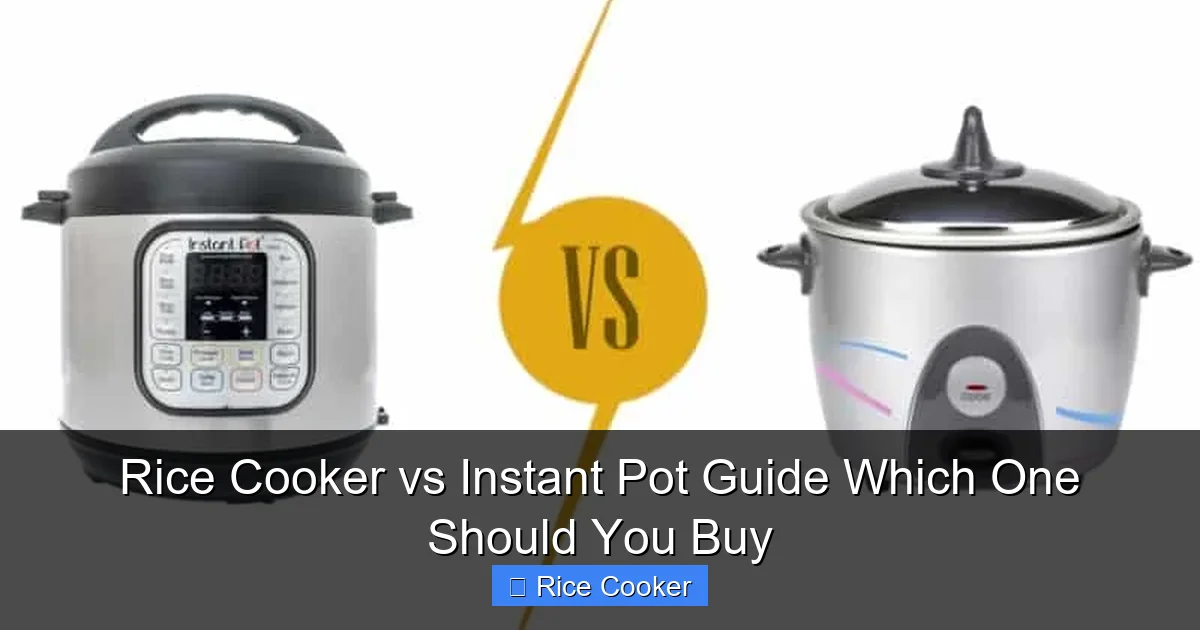
Let’s compare these appliances across important categories to see which comes out ahead for your needs.
Visual guide about Rice Cooker vs Instant Pot Guide Which One Should You Buy
Image source: missvickie.com
Functionality and Versatility
A rice cooker does one thing perfectly. An Instant Pot does many things adequately. If you only need rice, the rice cooker wins. If you want to make soup, stew, yogurt, and rice, the Instant Pot is the clear choice. Consider what you cook most often. Do you need ten appliances or just one?
Cooking Speed
For rice specifically, an Instant Pot is much faster. White rice takes 5-8 minutes under pressure plus 10-15 minutes for pressure to build and release. Brown rice takes 20-25 minutes total. A rice cooker takes 20-30 minutes for white rice and 40-50 minutes for brown rice, but requires zero monitoring. For other foods, the Instant Pot shines by reducing cooking times by up to 70% compared to conventional methods.
Ease of Use
Rice cookers win hands-down for simplicity. Add rice, add water, press go. Instant Pots have multiple buttons and settings that can overwhelm beginners. You must learn natural pressure release versus quick release. You need to know when to use the sauté function versus the pressure cook function. The learning curve is real but manageable with practice.
Cost Comparison
Basic rice cookers cost $20-$40. Mid-range models with fuzzy logic and multiple settings run $60-$120. High-end models exceed $200. Instant Pots start around $80 for basic models and go up to $150-$200 for advanced versions with additional features. When you consider that an Instant Pot replaces a $50 slow cooker and a $100 pressure cooker, the value becomes clear.
Kitchen Space Requirements
Measure your counter space. A typical rice cooker is 8-10 inches wide and 10-12 inches tall. An Instant Pot is usually 11-13 inches wide and 12-14 inches tall, plus needs clearance for the steam release valve. If you have limited space, a rice cooker fits more easily. If you have room for one multi-tasker, an Instant Pot eliminates other bulky appliances.
Rice Quality and Texture
This is where rice cookers shine. Dedicated models use fuzzy logic to adjust heat throughout cooking, creating perfectly separated grains with ideal moisture. Instant Pots cook rice well but can sometimes make it slightly gummier because pressure cooking changes the starch structure. If you eat rice daily and demand perfection, a rice cooker is worth it. If you eat rice occasionally, the Instant Pot does just fine.
When to Choose a Rice Cooker
A rice cooker is your best friend if these statements describe you:
- You eat rice every day or multiple times per week
- You want perfectly fluffy rice with zero effort
- You have limited kitchen counter space
- You prefer simple appliances with one function
- You cook rice for large families regularly
- You want to keep rice warm for extended periods
Consider the types of rice and best uses guide to understand which rice varieties benefit most from dedicated cooking. If you primarily cook white jasmine, basmati, or sushi rice, a rice cooker gives you consistent results that impress guests and family.
When to Choose an Instant Pot
An Instant Pot makes sense if these scenarios fit your cooking life:
- You want to reduce kitchen clutter
- You cook dried beans, tough meats, or soups frequently
- You want meals ready in minutes instead of hours
- You already own a rice cooker but want to expand cooking options
- You make yogurt, bone broth, or preserved foods at home
- You have $100+ to invest in a quality appliance
The versatility of an Instant Pot shines when making easy rice and beans recipes or one-pot meals that start with sautéing aromatics, then pressure cooking everything together. If you’re deciding between a gas vs electric cooking comparison guide, the Instant Pot offers electric convenience without sacrificing flavor.
Step-by-Step: How to Use a Rice Cooker
Using a rice cooker couldn’t be simpler. Follow these steps for perfect rice every time.
Step 1: Measure Your Rice
Use the measuring cup that came with your rice cooker. One cup of uncooked rice typically serves 2-3 people. Level off the cup for accuracy. Different rice types require different water ratios, so check your manual.
Step 2: Rinse the Rice
Place rice in a fine mesh strainer and rinse under cold water for 30-60 seconds. This removes excess starch and prevents gummy rice. Some rice varieties like sushi rice benefit from more thorough rinsing. For how to cook rice perfectly every time, rinsing is a crucial step many beginners skip.
Step 3: Add Water
Pour rinsed rice into the inner pot. Add water using the rice-to-water ratio appropriate for your rice type. Generally, white rice uses 1:1.5 ratio (1 cup rice to 1.5 cups water). Brown rice uses 1:2 ratio. The inner pot usually has measurement lines inside to guide you.
Step 4: Start Cooking
Place the inner pot back into the rice cooker. Close the lid securely. Press the cook button. Most models default to white rice. If you have a specific setting for brown rice, wild rice, or porridge, select it now. The cook light will illuminate.
Step 5: Let It Rest
When the rice cooker switches to warm mode, wait 10-15 minutes before opening the lid. This allows steam to finish cooking the rice and prevents it from being too wet at the bottom. After resting, fluff the rice with a fork and serve.
Step-by-Step: How to Use an Instant Pot for Rice
Cooking rice in an Instant Pot requires a few more steps but saves significant time.
Step 1: Rinse and Measure
Measure your rice and rinse thoroughly under cold water. Place rinsed rice into the Instant Pot inner pot. Add water using a 1:1 ratio for white rice or 1:1.25 for brown rice. The Instant Pot requires less water than traditional methods because pressure cooking retains more moisture.
Step 2: Set the Pressure Cooker
Secure the lid onto the Instant Pot. Ensure the steam release valve is set to “Sealing” position. Press the “Rice” button for automatic rice cooking, or manually select “Pressure Cook” on High for 5 minutes for white rice or 20 minutes for brown rice.
Step 3: Natural Pressure Release
After cooking completes, allow natural pressure release for 10 minutes. This means leaving the valve in sealing position and waiting. After 10 minutes, carefully turn the valve to “Venting” to release any remaining steam. Never put your face or hands over the steam release.
Step 4: Finish and Serve
Open the lid away from your face to avoid steam burns. Fluff the rice with a fork. If the rice seems too wet, press the “Sauté” button for 2-3 minutes to evaporate excess liquid. Taste and adjust seasoning if desired.
Maintenance and Care Tips
Both appliances last longer with proper care. Clean your rice cooker after each use by washing the inner pot with warm soapy water. Never immerse the main unit in water. Wipe the heating plate with a damp cloth. For Instant Pots, remove and wash the sealing ring separately. The ring absorbs food odors and should be replaced every 12-18 months. Clean the steam release valve regularly to prevent clogs.
Descale both appliances monthly if you have hard water. Fill halfway with water and 1-2 tablespoons of white vinegar. Run a cooking cycle, then rinse thoroughly with clean water cycles. Store with lids open to prevent moisture buildup and odors.
Troubleshooting Common Issues
Even perfect appliances sometimes need help. Here are solutions to frequent problems.
Rice Cooker Problems
Rice is too mushy: You likely added too much water. Reduce water by 1/4 cup next time. Also ensure you’re using the correct setting for your rice type.
Rice is undercooked: Not enough water or the lid opened too early. Add more water and let the rice rest in warm mode for 10 more minutes.
Rice sticks to the bottom: The inner pot may need replacement if the non-stick coating is damaged. Always use a rice paddle, never metal utensils.
Instant Pot Problems
Burn notice appears: The Instant Pot detected scorching. Always add enough liquid (minimum 1 cup) and deglaze the pot after sautéing. Use the rack for foods that stick.
Doesn’t come to pressure: Check that the sealing ring is properly seated and not damaged. Ensure the steam release valve is in “Sealing” position. Make sure you have enough liquid.
Food is undercooked: Natural pressure release may be too short. Increase release time to 15-20 minutes for dense foods like potatoes or dried beans.
Making Your Final Decision
Now that you know the differences, which should you buy? Answer these three questions honestly:
1. How often do you cook rice? Daily or multiple times weekly? Get a rice cooker. Once a week or less? An Instant Pot suffices.
2. What else do you want to cook? Soups, stews, yogurt, tough meats? Instant Pot. Just rice? Rice cooker.
3. How much counter space do you have? Limited space favors the rice cooker. Ample space allows for the Instant Pot’s larger footprint.
Many serious home cooks own both appliances. The rice cooker handles daily rice perfectly while the Instant Pot tackles everything else. If budget allows, this is the ideal setup. If you must choose one, let your cooking habits guide you. The rice cooker vs Instant Pot decision isn’t about which is better overall, but which is better for YOU.
Conclusion
The rice cooker vs Instant Pot debate has no universal winner. A rice cooker offers simplicity and rice perfection. An Instant Pot provides versatility and speed for diverse meals. Your choice depends on priorities. If you love rice and want it perfect every time, the rice cooker is your faithful kitchen companion. If you crave convenience and want to consolidate appliances, the Instant Pot revolutionizes your cooking routine. Either way, you win with better meals and less stress in the kitchen.
