
Choosing between a rice cooker and pressure cooker depends on your cooking needs and kitchen space. Rice cookers excel at perfect, hands-off rice and grains while pressure cookers dramatically speed up cooking times for beans, stews, and tough cuts of meat. This guide breaks down every difference to help you decide which appliance deserves a spot on your countertop.
Contents
- 1 Key Takeaways
- 2 Introduction: Making the Right Choice for Your Kitchen
- 3 What Is a Rice Cooker? Understanding the Basics
- 4 What Is a Pressure Cooker? Power and Speed Explained
- 5 Key Differences: Rice Cooker vs Pressure Cooker Side-by-Side
- 6 Performance Comparison: Testing Both Appliances
- 7 Which Should You Choose? Finding Your Perfect Match
- 8 Step-by-Step: How to Use a Rice Cooker
- 9 Step-by-Step: How to Use a Pressure Cooker
- 10 Troubleshooting Common Issues
- 11 Energy Efficiency and Environmental Impact
- 12 Cost Analysis: Long-Term Value
- 13 Conclusion: Your Perfect Kitchen Partner Awaits
Key Takeaways
- Function Focus: Rice cookers specialize in cooking rice and grains perfectly every time. Pressure cookers use steam pressure to cook food faster across many categories.
- Cooking Time: Rice cookers take standard time (15-45 minutes). Pressure cookers reduce cooking time by 70% or more, perfect for dried beans and tough meats.
- Versatility: Modern pressure cookers (Instant Pots) can replace multiple appliances. Rice cookers are specialized tools but perform their single task exceptionally well.
- Learning Curve: Rice cookers are simple – add water and press start. Pressure cookers require understanding pressure release methods and safety features.
- Cost Consideration: Basic rice cookers start around $30. Quality pressure cookers begin at $70 but offer more cooking functions for the investment.
- Space Requirements: Rice cookers are compact and stackable. Pressure cookers are larger and need storage for accessories and venting space.
- Best For You: Choose a rice cooker if rice is a staple. Choose a pressure cooker if you want to save time on weeknight dinners and batch cooking.
Introduction: Making the Right Choice for Your Kitchen
You’re standing in the kitchen appliance aisle, staring at two machines that both promise to make cooking easier. The rice cooker looks simple and affordable. The pressure cooker seems powerful but intimidating. Which one deserves your countertop space and hard-earned money?
This decision matters because the right appliance can transform your daily cooking routine. The wrong choice might collect dust while you order takeout. In this guide, you’ll learn exactly how these machines differ, what each does best, and which one aligns with your cooking lifestyle. We’ll compare performance, cost, safety, and real-world usage so you can decide with confidence.
What Is a Rice Cooker? Understanding the Basics
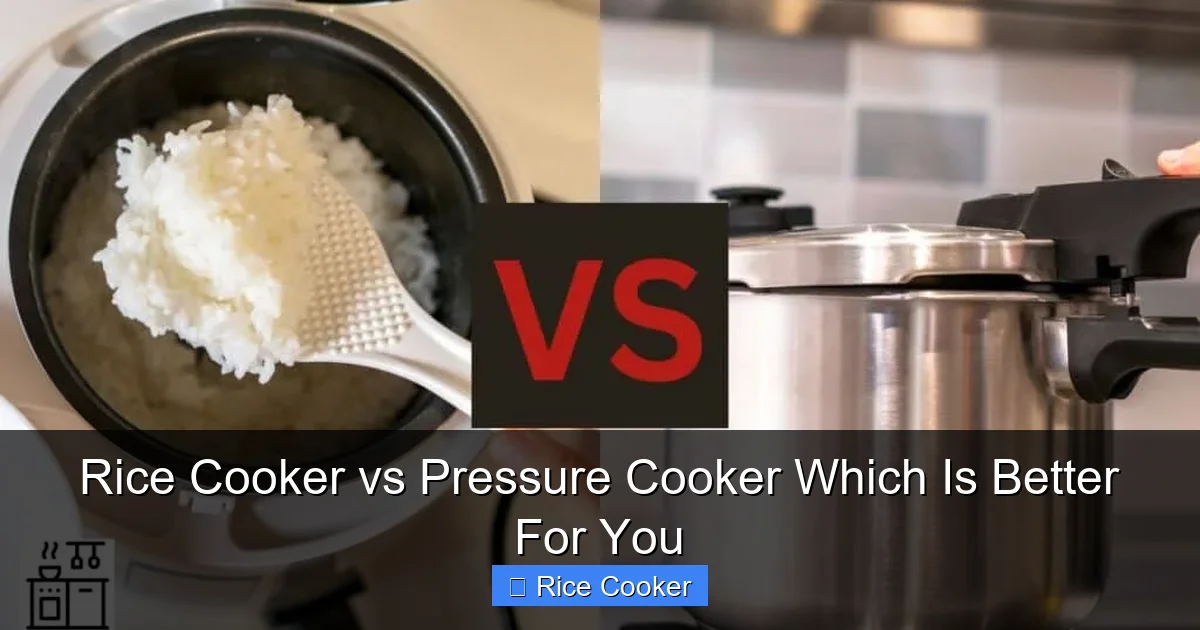
A rice cooker is a specialized countertop appliance designed to cook rice perfectly with minimal effort. You add rice and water, press a button, and the machine handles the rest. It automatically switches to “keep warm” mode when cooking finishes.
Visual guide about Rice Cooker vs Pressure Cooker Which Is Better For You
Image source: kitchencuddle.com
How Rice Cookers Work
Rice cookers use a simple thermal mechanism. A heating plate boils the water, and a thermostat detects when all water has been absorbed. At that point, the temperature rises above 212°F (100°C), triggering the switch to warm mode. This prevents burning and eliminates guesswork.
Common Features
- Multiple settings for white rice, brown rice, and porridge
- Steam baskets for vegetables and proteins
- Delay timers for planning ahead
- Non-stick inner pots for easy cleaning
- Keep-warm function lasting 12+ hours
Best Uses for a Rice Cooker
Rice cookers shine when preparing grains. They produce fluffy, evenly cooked rice without babysitting. Many models also steam vegetables, cook quinoa, and even make oatmeal. For specific techniques, check out our guide on how to cook rice perfectly every time. Some advanced models can bake cakes and cook risotto, but these are secondary functions.
What Is a Pressure Cooker? Power and Speed Explained
A pressure cooker is a sealed pot that builds steam pressure to cook food at higher temperatures than boiling water. This dramatically reduces cooking time while intensifying flavors. Modern electric pressure cookers (like Instant Pots) are programmable and safe.
Visual guide about Rice Cooker vs Pressure Cooker Which Is Better For You
Image source: missvickie.com
The Science Behind Pressure Cooking
When you seal the lid and select a setting, the pot heats liquid to create steam. This steam raises internal pressure, which increases the boiling point of water to 250°F (121°C) or higher. Food cooks faster because the higher temperature transfers heat more efficiently. This method can also preserve nutrients better than boiling.
Essential Features
- Multiple pressure settings (high and low)
- Slow cook, sauté, and steam functions
- Programmable timer and delay start
- Automatic pressure release valves
- Multiple safety mechanisms
Versatile Cooking Applications
Pressure cookers can replace several appliances. They tenderize tough cuts of meat in 30 minutes instead of hours. Dried beans cook in under an hour without soaking. You can make yogurt, sterilize tools, and even cook a whole chicken. The speed makes it ideal for meal prep and weeknight dinners.
Key Differences: Rice Cooker vs Pressure Cooker Side-by-Side
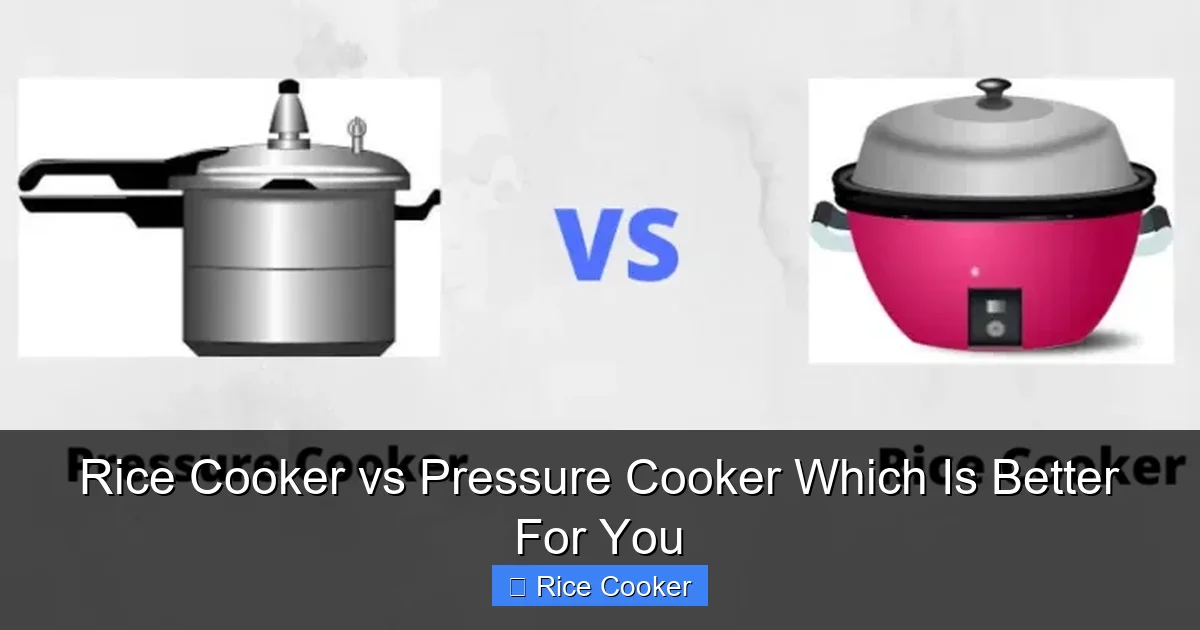
Let’s break down the most important distinctions to help you compare these appliances directly.
Visual guide about Rice Cooker vs Pressure Cooker Which Is Better For You
Image source: cutleryadvisor.com
Cooking Mechanism and Results
Rice Cooker: Uses gentle, consistent heat to absorb water into grains. Results in perfectly separated, fluffy rice. The texture is predictable and never mushy if you follow water ratios.
Pressure Cooker: Forces liquid into grains under pressure. Can cook rice in 5-10 minutes, but requires precise timing. Overcooking can lead to gummy rice. However, it excels at making rice with different textures like sushi rice or risotto-style dishes.
Time Efficiency
For cooking rice alone, a rice cooker takes 15-45 minutes depending on the grain type. A pressure cooker completes the same task in 5-12 minutes of pressure time, plus 10-15 minutes for pressure to build and release. For most rice cooking, the total time difference is minimal.
For other foods, the pressure cooker wins dramatically. A pot roast that takes 3 hours in the oven finishes in 45 minutes. Dried beans that need overnight soaking and 2 hours of simmering cook in 40 minutes straight from dry. This time savings is the pressure cooker’s biggest advantage.
Versatility and Multi-Functionality
A rice cooker is a single-purpose tool that does one thing exceptionally well. Some models add fuzzy logic or induction heating for better results, but the core function remains cooking grains.
Modern pressure cookers are multi-cookers. They include pressure cooking, slow cooking, steaming, sautéing, yogurt making, and rice cooking functions. One appliance can replace your slow cooker, steamer, yogurt maker, and even parts of your oven. This versatility makes it a kitchen workhorse.
Ease of Use and Learning Curve
Rice cookers are beginner-friendly. Add rice and water, close the lid, press start. No special skills required. Cleaning is simple with a non-stick pot.
Pressure cookers require understanding vent positions, pressure release methods (quick vs natural), and liquid requirements. Reading the manual is essential for safety. However, once you learn the basics, the programmable nature makes it nearly hands-off too.
Cost Comparison
Basic rice cookers start at $25-30 for 3-cup models. Quality brands like Aroma or Zojirushi range from $50-100 for 5-6 cup units with additional settings. Commercial-grade models can exceed $200.
Pressure cookers begin around $70 for basic 6-quart models. Popular brands like Instant Pot range from $80-150 for multi-functional models. High-end programmable units with air frying capabilities can cost $200+. While the upfront cost is higher, you’re getting multiple appliances in one.
Counter Space and Storage
Rice cookers are compact. A typical 5-cup model is 10-12 inches wide and 9-10 inches tall. They store easily in cabinets and can be stacked with other appliances.
Pressure cookers are larger. A standard 6-quart model is 12-14 inches wide and 13-15 inches tall. You need space for venting above and behind. The power cord and accessories require additional storage. Consider this if you have a small kitchen.
Safety Considerations
Rice cookers operate at atmospheric pressure. The main risk is steam burns from opening the lid too soon, but this is minimal. They have simple mechanical safety features.
Pressure cookers operate under high pressure (up to 15 PSI). Modern electric models have multiple safety features including lid locks, pressure regulators, and automatic shut-off. However, user error can still cause accidents. Always follow instructions carefully and never force the lid open.
Performance Comparison: Testing Both Appliances
Let’s see how each appliance performs with common kitchen tasks.
Cooking White Rice
Rice Cooker Results: Perfectly fluffy grains with no sticking or burning. The keep-warm function maintains ideal temperature for hours without drying out. Takes 18-20 minutes for jasmine rice.
Pressure Cooker Results: Cooks in 4-6 minutes of pressure time. Texture can be slightly denser. Requires careful measurement and immediate release to prevent overcooking. Total time including pressure build is about 15 minutes. Some users prefer the rice cooker’s consistency.
Preparing Dried Beans
Rice Cooker Results: Cannot cook dried beans from scratch. The temperature never gets high enough to break down tough skins. You can only cook pre-soaked beans, and even then, results are inconsistent.
Pressure Cooker Results: Cooks dried black beans in 35 minutes, chickpeas in 40 minutes, and pinto beans in 30 minutes. No soaking required. Beans come out tender and creamy. This alone saves hours of cooking time per month.
Making Soups and Stews
Rice Cooker Results: Most basic models cannot handle soups. The liquid would overflow during cooking. Some advanced “fuzzy logic” models have soup settings, but they’re slow and limited in volume.
Pressure Cooker Results: Excels at soups and stews. Flavors meld faster under pressure. A beef stew that takes 2 hours traditionally finishes in 30 minutes. The sealed environment prevents liquid evaporation, concentrating flavors naturally.
Steaming Vegetables
Rice Cooker Results: Most models include a steaming basket. Perfect for small batches of broccoli, carrots, or dumplings while rice cooks below. Limited capacity but convenient.
Pressure Cooker Results: Steams vegetables quickly under pressure. Takes 1-3 minutes for most vegetables. Much faster than stovetop steaming. The high heat can make vegetables very tender, which isn’t ideal for those who prefer crisp-tender texture.
Batch Cooking and Meal Prep
Rice Cooker Results: Great for cooking large batches of rice for the week. The keep-warm function lets you serve throughout the day. Limited to grain-based meal prep.
Pressure Cooker Results: Ideal for cooking large cuts of meat, entire batches of beans, or big pots of soup. The large capacity (6-8 quarts) handles family-sized portions. You can cook protein and grains simultaneously using the pot-in-pot method.
Which Should You Choose? Finding Your Perfect Match
Your cooking habits should drive this decision. Let’s match appliance features to different lifestyles.
Choose a Rice Cooker If…
- You eat rice daily and want perfect results every single time
- You have limited kitchen counter space
- You prefer simple appliances with minimal learning curve
- You cook primarily Asian, Latin, or grain-based cuisines
- You want an affordable, reliable tool that does one thing well
- You need to keep rice warm for extended periods during gatherings
If rice is the foundation of most meals in your home, a rice cooker is non-negotiable. The consistency and convenience justify the counter space. For choosing the right rice type, see our types of rice and best uses guide.
Choose a Pressure Cooker If…
- You want to reduce cooking time by 70% or more
- You cook dried beans, legumes, or tough cuts of meat regularly
- You have multiple appliances that could be consolidated
- You enjoy meal prepping for the week
- You want to save money on energy costs (uses less power than oven)
- You don’t mind reading a manual to master the appliance
If dinner needs to happen fast on busy weeknights, a pressure cooker is your ally. The ability to cook from frozen or dried ingredients expands your options dramatically. Try making easy rice and beans recipe in your pressure cooker for a complete meal in minutes.
The Hybrid Solution: Having Both
Many home cooks benefit from owning both appliances. Use the rice cooker for daily rice preparation while the pressure cooker handles proteins, beans, and batch cooking. If budget and space allow, this combination provides maximum flexibility. You can cook rice in the rice cooker and simultaneously prepare a main dish in the pressure cooker, cutting total dinner time significantly.
Step-by-Step: How to Use a Rice Cooker
Master your rice cooker with these simple steps.
Step 1: Measure Ingredients Correctly
Use the measuring cup that comes with your rice cooker. Standard ratio is 1 cup rice to 1.5 cups water for white rice. For brown rice, use 1:2 ratio. Rinse rice in a fine mesh strainer until water runs clear. This removes excess starch and prevents gummy results.
Step 2: Add to the Inner Pot
Place rinsed rice and water in the non-stick inner pot. For flavor, add a pinch of salt or a teaspoon of oil. Do not fill past the maximum fill line. Wipe the outside of the pot dry before placing it in the cooker to prevent steam damage.
Step 3: Select the Right Setting
Choose “White Rice” for most common varieties. Select “Brown Rice” for whole grain types. Use “Porridge” for congee or oatmeal. If your model has “Quick Cook,” use it for white rice only to save 5 minutes. Close the lid securely.
Step 4: Start Cooking and Wait
Press the start button. The indicator light will show cooking mode. Do not open the lid during cooking. The machine will automatically switch to “Keep Warm” when done. Let rice rest for 10 minutes after switching to warm for best texture.
Step 5: Fluff and Serve
Use the included rice paddle to fluff grains gently. Scoop from bottom to top. Keep the keep-warm function on for serving over several hours. Unplug when finished.
Step-by-Step: How to Use a Pressure Cooker
Follow these steps for safe, successful pressure cooking.
Step 1: Prep Ingredients and Add Liquid
Chop vegetables and trim meat as needed. Place ingredients in the pot. Add at least 1 cup of liquid (water, broth, wine) for pressure cooking. Never fill past the half-full line for most foods, or two-thirds full for grains and beans.
Step 2: Seal the Lid Properly
Align the lid handles with the pot handles. Turn clockwise until locked. Check that the sealing ring is properly seated. Ensure the pressure release valve is set to “Sealing” position, not “Venting.” This is a common mistake that prevents pressure from building.
Step 3: Select Cooking Mode and Time
Press the “Manual” or “Pressure Cook” button. Use the +/- buttons to set time. For rice, use 3-5 minutes on high pressure. For beans, 30-40 minutes. For meat, 15-20 minutes per pound. Add 5 minutes for frozen ingredients. The display will show “On” when starting.
Step 4: Allow Pressure to Build
The pot will take 5-15 minutes to reach full pressure. You’ll see steam and hear a hiss as the regulator releases small amounts of air. The float valve will pop up when pressure is reached. Cooking time begins at this point.
Step 5: Choose Pressure Release Method
When cooking finishes, you have two options. Quick Release: Turn valve to “Venting” and wait for float valve to drop (5-10 minutes). Natural Release: Leave valve on “Sealing” and let pressure drop naturally (10-20 minutes). Use natural release for foods with lots of liquid to prevent splattering.
Step 6: Open Lid and Serve
Only open the lid when the float valve has dropped completely and no steam is escaping. Turn the lid counterclockwise to unlock. Open away from your face to avoid steam burns. Stir contents and serve immediately.
Troubleshooting Common Issues
Every appliance has quirks. Here’s how to solve the most frequent problems.
Rice Cooker Problems
Problem: Rice is undercooked or hard.
Solution: Add 2-3 tablespoons of water, close lid, and press cook again for 5-10 minutes. Prevent this by measuring water accurately and rinsing rice properly.
Problem: Rice is mushy or stuck to bottom.
Solution: Reduce water by 1/4 cup next time. Use the correct setting for your rice type. Clean the thermal sensor inside the cooker with a soft cloth to ensure proper temperature detection.
Problem: Rice cooker won’t start.
Solution: Check that the inner pot is seated correctly on the heating plate. Ensure the lid is fully closed. Verify the power cord is plugged in. If problems persist, the thermal fuse may need replacement.
Pressure Cooker Problems
Problem: Lid won’t open after cooking.
Solution: The float valve is likely still up. Wait longer for natural release or carefully quick release remaining pressure. Never force the lid. This is a safety feature preventing opening under pressure.
Problem: Food is undercooked.
Solution: Pressure may not have built properly. Check that the sealing ring is clean and undamaged. Ensure the pressure release valve was set to “Sealing.” Add more cooking time in 2-3 minute increments.
Problem: Too much liquid evaporates.
Solution: You likely have a small leak. Inspect the sealing ring for cracks or food debris. Replace the ring if it’s worn (typically every 12-18 months). Check that the float valve moves freely.
Problem: Burn error message.
Solution: The pot got too hot with insufficient liquid. Always add at least 1 cup liquid for pressure cooking. Clean the bottom of the inner pot and the heating element. Ensure you’re not using the sauté function too long before switching to pressure cooking.
Energy Efficiency and Environmental Impact
Both appliances are more efficient than traditional cooking methods, but in different ways.
Power Consumption
A typical rice cooker uses 300-600 watts during cooking. Most cooking cycles last 20-40 minutes. This equals 0.1-0.4 kWh per use. The keep-warm function uses only 30-50 watts, making it cheap to maintain temperature.
A pressure cooker uses 800-1200 watts to build pressure quickly. However, cooking times are much shorter. A 30-minute pressure cooking cycle uses about 0.4-0.6 kWh. For the same food that would take 2 hours in the oven, the pressure cooker uses 70% less energy.
Environmental Benefits
Pressure cookers reduce cooking time significantly, lowering electricity or gas consumption. They also reduce water usage since less liquid evaporates. The ability to cook dried beans instead of canned reduces packaging waste.
Rice cookers are efficient for their specific purpose. They use less energy than boiling rice on the stovetop for 30+ minutes. The automatic shut-off prevents wasted energy from overcooking.
Cost Analysis: Long-Term Value
Let’s break down the true cost of ownership over 5 years.
Initial Investment
A quality rice cooker costs $50-100. A multi-functional pressure cooker costs $80-150. The pressure cooker has a higher upfront cost but replaces multiple appliances.
Replacement and Maintenance
Rice cookers last 5-10 years with basic care. The non-stick pot may need replacement after 2-3 years if scratched. Total maintenance cost is under $20.
Pressure cookers last 5-7 years. Sealing rings need replacement every 12-18 months ($5-10 each). Float valves and pressure regulators may need cleaning or replacement. Total maintenance cost is $30-50 over 5 years.
Energy Savings
If you cook rice daily, a rice cooker saves $5-10 annually in energy compared to stovetop cooking. A pressure cooker used for beans, stews, and meats 3-4 times per week can save $20-40 annually in energy costs. Over 5 years, that’s $100-200 in savings.
Food Cost Impact
Pressure cookers enable cooking dried beans instead of canned, saving $1-2 per pound. They make tough, inexpensive cuts of meat tender, expanding your protein options. This can save $50-100 annually on groceries. Rice cookers don’t significantly impact food costs beyond convenience.
Conclusion: Your Perfect Kitchen Partner Awaits
The rice cooker vs pressure cooker debate isn’t about finding a winner. It’s about matching the right tool to your cooking life. If perfect rice is your daily goal and simplicity matters most, the rice cooker is your faithful companion. It asks little, delivers consistently, and asks for nothing more than a spot on your counter.
If time is scarce, ingredients are diverse, and you crave versatility, the pressure cooker transforms how you approach cooking. It turns dried beans tender, makes weeknight roasts possible, and consolidates appliances. The learning curve is worth the payoff.
For many home cooks, the ideal solution is both. They complement each other perfectly. The rice cooker handles the grains while the pressure cooker tackles proteins and vegetables. This combination creates complete meals in minimal time with maximum flavor.
Consider your cooking frequency, available space, budget, and patience for learning. Test both in-store if possible. Read reviews from home cooks with similar lifestyles. The right choice will feel obvious once you align features with needs. Your future self will thank you for taking the time to decide wisely.
