
Stop guessing and start cooking perfect rice with confidence. This guide reveals the exact rice cooker water ratio for every type of rice. Learn step-by-step methods, troubleshoot common problems, and discover pro tips that transform your rice from bland to brilliant every single time.
Contents
- 1 Key Takeaways
- 2 The Ultimate Rice Cooker Water Ratio Guide to Perfect Rice
- 3 How Rice Cookers Work Their Magic
- 4 The Basic Rice Cooker Water Ratio Every Beginner Needs
- 5 Water Ratios for Every Rice Type You’ll Cook
- 6 Factors That Change Your Perfect Rice Cooker Water Ratio
- 7 The Foolproof Step-by-Step Method
- 8 Troubleshooting Your Rice Cooker Water Ratio Problems
- 9 Pro Tips for Next-Level Rice
- 10 Conclusion: Your Journey to Rice Mastery
Key Takeaways
- Standard Ratio: Most white rice needs 1:1.5 rice to water ratio, while brown rice requires 1:2.
- Rice Type Matters: Different rices need different water. Basmati needs less, wild rice needs more.
- Rinse First: Always rinse rice to remove starch and prevent mushiness.
- Let it Rest: After cooking, let rice sit 10-15 minutes for perfect texture.
- Adjust for Altitude: High altitude requires more water and longer cooking time.
- Older Rice Needs More Water: Aged rice absorbs more liquid than fresh rice.
- Use the Finger Method: The traditional finger method works reliably in most rice cookers.
The Ultimate Rice Cooker Water Ratio Guide to Perfect Rice
You stand in your kitchen, staring at the rice cooker. You measure the rice. You wonder how much water to add. You guess. The result? Sometimes it’s perfect. Often it’s not. Mushy rice. Hard rice. Burnt rice. We’ve all been there. This guide changes everything. You will learn the exact rice cooker water ratio for perfect rice every single time. No more guessing. No more failures. Just fluffy, delicious rice that tastes like a restaurant made it.
Your rice cooker is a magic box. It knows when to turn off. But it needs you to give it the right amount of water. Too little? Undercooked. Too much? Mushy. The perfect ratio is simple once you know it. This guide covers everything. Different rice types. Different altitudes. Different rice cooker models. You will master them all. Let’s begin your journey to rice perfection.
Before we dive deep, understand this: the rice cooker water ratio is the most important step. Get this right, and everything else falls into place. Get it wrong, and nothing saves your rice. Think of it like baking a cake. The right flour to egg ratio makes or breaks it. Same with rice. Water is your ingredient. Measure it right.
How Rice Cookers Work Their Magic
Your rice cooker is smarter than it looks. It doesn’t just boil water. It controls temperature precisely. Here’s the science made simple. The cooker heats water to boiling (212°F at sea level). The rice absorbs the water. When the water is gone, the temperature jumps above boiling. A thermostat senses this. It shuts off the heat. This is the “magic” moment.
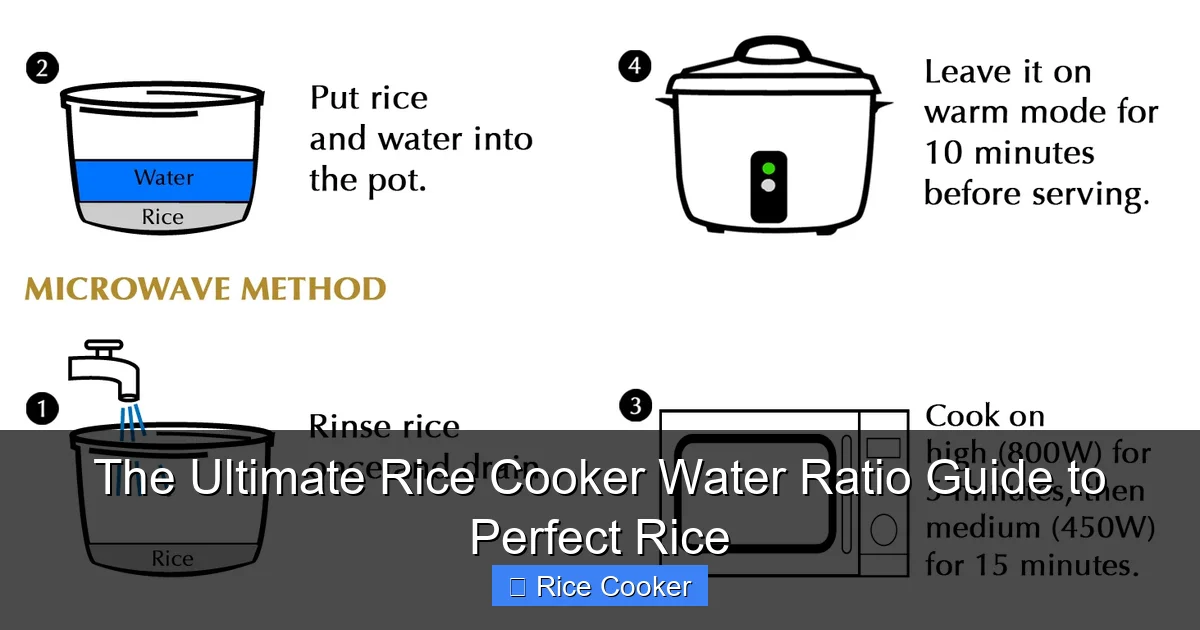
Visual guide about The Ultimate Rice Cooker Water Ratio Guide to Perfect Rice
Image source: familychoice.com.ph
But this magic only works if you add the right water. Too much water means the cooker turns off before all water is absorbed. You get soggy rice. Too little water means the cooker turns off too early. You get hard, crunchy rice. The rice cooker water ratio is your control knob. It tells the cooker exactly how much water to expect. This simple fact changes your cooking life.
Different rices absorb different water amounts. White rice absorbs about 1.5 times its volume. Brown rice absorbs about 2 times. Wild rice absorbs up to 3 times. Your cooker doesn’t know this. You must tell it. That’s why the right ratio matters so much. It’s your communication with the machine.
The Basic Rice Cooker Water Ratio Every Beginner Needs
Let’s start simple. These are your foundation ratios. Memorize them. Practice them. Make them second nature.

Visual guide about The Ultimate Rice Cooker Water Ratio Guide to Perfect Rice
Image source: ricearray.org
White Rice: The 1:1.5 Rule
Most white rice follows a simple rule. Use 1.5 cups of water for every 1 cup of rice. That’s 1:1.5. Measure your rice with the cup that came with your cooker. Not a coffee mug. Not a measuring cup from baking. The included cup is calibrated for that machine. Use it religiously. This ratio works for long grain, short grain, and medium grain white rice. It’s your starting point.
Example: 2 cups rice = 3 cups water. 3 cups rice = 4.5 cups water. See the pattern? Multiply rice amount by 1.5 to get water amount. Simple math. Perfect rice.
Brown Rice: The 1:2 Rule
Brown rice needs more water. It’s that simple. Use 2 cups of water for every 1 cup of brown rice. That’s 1:2. Brown rice has a tough outer bran layer. It needs more water and more time to become tender. Your rice cooker has a brown rice setting for this reason. It cooks longer at lower heat. But the water ratio is still your job.
Example: 2 cups brown rice = 4 cups water. 3 cups brown rice = 6 cups water. Brown rice also needs a 15-minute soak before cooking. This helps it absorb water better. We’ll cover soaking in detail later.
Why These Ratios Are Just the Starting Point
These ratios work 80% of the time. But you are not average. Your kitchen is not average. Many factors change these numbers. Altitude. Humidity. Rice age. Your cooker model. Your desired texture. Chewy or fluffy? All these matter. The rice cooker water ratio is a flexible guide, not a rigid law. Think of it like a recipe. Adjust to taste.
That’s why this guide goes deeper. You will learn to adjust. You will learn to read your rice. You will learn to see what your cooker needs. These basic ratios are your launch pad. Not your final destination.
Water Ratios for Every Rice Type You’ll Cook
Not all rice is created equal. Each type has its own personality. Each needs its own water amount. Let’s explore them all. For a complete guide to rice varieties and their best uses, check out our Types Of Rice And Best Uses Guide.

Visual guide about The Ultimate Rice Cooker Water Ratio Guide to Perfect Rice
Image source: 3.bp.blogspot.com
Long Grain White Rice: Your Everyday Workhorse
Long grain white rice is the most common. Think Carolina, basmati, jasmine. These rices are fluffy and separate when cooked. They need the standard 1:1.5 ratio. But here’s the nuance: American long grain needs 1.5 cups water. Basmati and jasmine need slightly less. Use 1.4 cups water per cup of rice. They are less starchy. They want to stay separate.
Measure precisely. Use the finger method (we’ll cover it soon). Cook. Let rest 10 minutes. Fluff with a fork. You get perfect, separate grains every time.
Short Grain White Rice: The Sticky Sweetheart
Short grain rice is plump and sticky. Sushi rice is short grain. It needs more water to become tender. Use 1.6 cups water per cup of rice. That’s slightly more than long grain. The extra water helps the rice absorb enough moisture to become sticky without becoming mushy.
Short grain rice is forgiving. If you add too much water, it just becomes stickier. If you add too little, it’s still edible. But the perfect ratio gives you that ideal sushi texture. Firm but tender. Sticky but distinct.
Brown Rice: The Nutty Nutrition Powerhouse
Brown rice is the whole grain champion. It needs the 1:2 ratio. But let’s get specific. Long grain brown rice needs 2 cups water. Short grain brown rice needs 2.2 cups water. The shorter grains are starchier. They need more water to cook through properly.
Brown rice also benefits from soaking. Soak for 15-30 minutes before cooking. This softens the bran layer. It reduces cooking time and improves texture. Drain the soak water before adding fresh water. This removes some of the phytic acid. Your rice tastes better and digests easier.
Basmati and Jasmine Rice: The Aromatic Specialists
These fragrant rices are special. They need less water than regular long grain. Use 1.3 to 1.4 cups water per cup of rice. The exact amount depends on age. Older basmati needs more water. Fresh basmati needs less. Rinse these rices well. This removes surface starch and prevents clumping.
Basmati expands three times its length. Jasmine expands two times. Keep this in mind when measuring. A cup of uncooked basmati becomes three cups cooked. That’s important for pot size and water amount.
Wild Rice: The Chewy Wilderness Grain
Wild rice is not true rice. It’s a grass seed. It needs serious water. Use 1:3 ratio. That’s 3 cups water per cup of wild rice. Wild rice takes 45-60 minutes to cook. Your rice cooker’s wild rice setting handles this. If you don’t have one, use the white rice setting and check manually.
Wild rice expands a lot. It can triple in size. Use a large pot. Don’t fill it more than halfway with uncooked rice. The water should cover it by two inches. Wild rice is done when it splits open. Taste it. It should be chewy, not crunchy.
Sushi Rice: The Perfect Balance
Sushi rice is short grain with a specific goal. It must be sticky enough to hold together. But it must also be fluffy enough to eat. Use 1.5 cups water per cup of sushi rice. After cooking, season with rice vinegar, sugar, and salt. The rice cooker water ratio is just the start. The seasoning makes it sushi rice.
Sushi rice needs a 10-minute rest after cooking. Then spread it in a fan. This cools it and gives it the right texture. Don’t skip these steps. They are part of the perfect sushi rice formula.
Arborio Rice: The Creamy Risotto Star
Arborio rice is high-starch. It needs more water than other long grains. Use 1.6 cups water per cup of rice. Arborio releases starch as it cooks. This creates creaminess. For risotto, you add water gradually. But in a rice cooker, you add it all at once. The result is creamy, tender rice perfect for rice pudding or a simplified risotto.
Arborio rice is forgiving. If it’s too firm, add a splash of water and cook 5 more minutes. If it’s too soft, it’s still delicious. The starch makes it versatile.
Other Specialty Rices: Freekeh, Farro, and More
Freekeh and farro are gaining popularity. They need their own ratios. Freekeh needs 1:2.5 ratio. Farro needs 1:2.2 ratio. These ancient grains cook slower. Check your rice cooker manual. Many have specific settings. If not, use the brown rice setting and adjust water as needed.
Always rinse these grains. They often have more debris. Soak them for 30 minutes if they seem dry. This helps them cook evenly.
Factors That Change Your Perfect Rice Cooker Water Ratio
The basic ratios work. But your kitchen is unique. These factors shift the numbers. Learn them. Adjust accordingly.
Altitude: The Invisible Game Changer
Water boils at lower temperatures at high altitude. At 5,000 feet, water boils at 202°F, not 212°F. This changes everything. Your rice needs more water and more time. At high altitude, increase water by 25%. That means 1:2 ratio for white rice becomes 1:2.5. Brown rice becomes 1:2.5 instead of 1:2.
Also increase cooking time. Use the “keep warm” function for an extra 10 minutes. Check the rice. If it’s still hard, add 2 tablespoons water and cook 5 more minutes. High altitude cooking is trial and error. Keep notes. Find your perfect ratio.
Age of Rice: Old vs. New
Old rice needs more water. Rice loses moisture as it ages. A 2-year-old bag of rice is drier than a fresh bag. It absorbs water slower. It needs more liquid to become tender. Increase water by 10-15% for rice older than 1 year.
How to tell rice age? Fresh rice cooks in 15-20 minutes. Old rice takes 25-30 minutes. If your rice consistently takes longer, it’s probably old. Buy smaller bags. Use rice within 6 months for best results.
Humidity: The Moisture in Your Air
Humid air adds moisture to your rice. In humid climates, rice absorbs water from the air. It becomes slightly damp. This means you need less cooking water. Reduce water by 2-3 tablespoons per cup of rice in very humid conditions.
In dry climates, the opposite is true. Rice loses moisture to the air. Add an extra 2-3 tablespoons water per cup. Your eyes and experience will guide you. If rice seems dry, add water. If it seems wet, reduce water next time.
Your Specific Rice Cooker Model
Not all rice cookers are equal. A fuzzy logic cooker is precise. A basic cooker is less so. Your cooker’s age matters too. Old thermostats become less accurate. Use the rice cooker water ratio as a starting point. Then adjust for your machine.
Test your cooker. Cook one cup of rice with 1.5 cups water. Check the result. If it’s perfect, you found your ratio. If it’s hard, add 2 tablespoons water next time. If it’s soft, reduce water. Keep testing until you know your cooker’s personality.
Desired Texture: Chewy, Fluffy, or Mushy
Texture is personal. Some like chewy rice. Some like fluffy. Some like creamy. Your water ratio controls this. For chewy rice, reduce water by 2 tablespoons per cup. For fluffy rice, use the standard ratio. For creamy rice, add 2 tablespoons per cup.
Also control texture with resting time. Let chewy rice rest 5 minutes. Let fluffy rice rest 10 minutes. Let creamy rice rest 15 minutes. The steam continues cooking. It changes the final texture.
The Foolproof Step-by-Step Method
Now let’s put it all together. Follow these steps for perfect rice every time. No exceptions.
Step 1: Measure Your Rice Correctly
Use the cup that came with your rice cooker. It’s the right size for that machine. Scoop rice into the cup. Don’t pack it. Don’t shake it. Just level it off with your finger. One cup of uncooked rice feeds 2-3 people. Plan accordingly. Need more? Double the recipe. Keep the ratio the same.
For precision, weigh your rice. 180 grams of uncooked rice equals one standard cup. Use a kitchen scale for accuracy. This is the pro move. It eliminates guesswork.
Step 2: Rinse Until the Water Runs Clear
Rinsing is non-negotiable. Place rice in a fine mesh strainer. Run cold water over it. Swirl with your hand. Keep rinsing until water runs clear, not cloudy. This removes surface starch. It prevents sticky, clumpy rice. It also removes dust and debris.
For basmati and jasmine, soak for 15 minutes after rinsing. This plumps the grains. It ensures even cooking. Drain well before adding to the cooker. For brown rice, soak 30 minutes. This softens the bran.
Step 3: Add Water Using the Perfect Ratio
Transfer rinsed rice to the cooker pot. Add water according to your rice type. Use the measuring lines inside the pot if they exist. They are calibrated for that cooker. If not, measure with a glass measuring cup. Check at eye level.
Try the finger method for simplicity. Place rice in pot. Add water until it reaches your first knuckle. This works for most white rice. Adjust finger position for brown rice. It’s traditional. It’s reliable. It’s how your grandmother cooked rice.
Step 4: Optional Enhancements
Add flavor while you’re at it. A pinch of salt per cup of rice. A teaspoon of butter or oil per cup. This prevents sticking. It adds richness. For more on cooking oils, see our Healthy Cooking Oils Compared Guide.
Use broth instead of water. Vegetable broth. Chicken broth. Beef broth. This adds depth. Reduce salt if the broth is already seasoned. For a complete guide to seasonings, check out our Types Of Salt Used In Cooking Guide.
Step 5: Start the Cooking Cycle
Place the pot in the rice cooker. Close the lid. Press the button. White rice uses the white rice setting. Brown rice uses the brown rice setting. Wild rice uses the wild rice setting if available. If not, use white rice and check manually.
Don’t peek. The steam is essential. Opening the lid releases steam. It changes the cooking time. Let the cooker do its job. Trust the process.
Step 6: Rest and Fluff
When the cooker switches to “keep warm,” don’t serve immediately. Let it rest 10-15 minutes. This lets the rice finish absorbing water. It evens out moisture. The result is perfect texture throughout.
After resting, open the lid. Fluff with a fork. Don’t stir. Stirring breaks grains. It makes rice mushy. Gently separate the grains. Serve immediately. Leftover rice keeps in the fridge for 3-4 days.
Troubleshooting Your Rice Cooker Water Ratio Problems
Even with the perfect ratio, problems happen. Here’s how to fix them.
Mushy, Overcooked Rice
Too much water. Or cooked too long. Next time, reduce water by 2 tablespoons per cup. Also check your cooker. Is the thermostat accurate? Does it shut off too late? Test with one cup rice and 1.3 cups water. Find the minimum that works.
To fix mushy rice now, spread it on a baking sheet. Let it sit 5 minutes. This evaporates excess moisture. Or use it for fried rice. Mushy rice fries well. Turn a problem into a solution.
Hard, Undercooked Rice
Too little water. Or altitude issue. Or old rice. Add 2-4 tablespoons water. Close the lid. Press cook again for 5-10 minutes. Check. Add more water if needed. Don’t add too much at once. You can always add more, but you can’t take it out.
Prevent hard rice by soaking brown rice. Soak wild rice. Check rice age. Buy fresh. Adjust for altitude. These steps solve 90% of hard rice problems.
Burnt Rice on the Bottom
Your cooker is too hot. Or the heating element is failing. Or you used too little water. First, check water amount. Use the standard ratio. If that doesn’t work, your cooker needs cleaning. Mineral deposits on the heating plate cause hot spots. Clean it with vinegar and water.
Burnt rice also happens with non-stick pots that are scratched. Replace the pot if it’s damaged. The scratches expose metal. It sticks and burns.
Watery, Soupy Rice
Too much water. Or the cooker turned off too early. Check the thermostat. Is it clean? Is it working? If the cooker is fine, reduce water. Use 1:1.4 for white rice instead of 1:1.5. See if that helps.
To fix watery rice now, drain excess water. Return rice to cooker. Press cook for 2-3 minutes. This evaporates the water. Or use the rice for soup. Turn it into a meal.
Rice Sticking to the Bottom
Not enough fat. Or the pot is old. Add 1 teaspoon oil or butter per cup of rice. This creates a non-stick layer. Also rinse rice well. Starch causes sticking.
If the pot is scratched, replace it. There’s no fixing non-stick once it’s gone. Use a new pot for perfect results.
Pro Tips for Next-Level Rice
You know the basics. Now level up. These tips make good rice great.
Toast Your Rice First
Before adding water, toast rice in a dry pan. Swirl for 2-3 minutes until fragrant. Then add to rice cooker with water. This adds a nutty flavor. It’s amazing for pilafs and side dishes.
Use the Right Salt
Not all salt is equal. Kosher salt is less dense than table salt. Use half as much kosher salt. For details, see our Types Of Salt Used In Cooking Guide. A pinch of salt per cup is enough. Too much makes rice bitter.
Add Aromatics
Garlic. Onion. Bay leaf. Star anise. Add these to the water. They infuse flavor. Use sparingly. One clove garlic per cup is enough. One bay leaf per 3 cups. Don’t overpower the rice.
Batch Cook for Meal Prep
Cook a big batch on Sunday. Store in 1-cup portions in the fridge. Reheat in the microwave with a damp paper towel. It steams and refreshes. Perfect for quick meals.
You can also freeze cooked rice. Portion in freezer bags. Thaw overnight in fridge. Reheat. It tastes almost as good as fresh.
Clean Your Rice Cooker Regularly
Wipe the heating plate with a damp cloth. Remove mineral deposits with vinegar. Clean the inner pot after each use. Don’t soak non-stick pots. Wash by hand. Dry thoroughly. A clean cooker works better. It lasts longer.
Check the lid vent. Clear any rice dust. This ensures proper steam flow. It prevents pressure buildup.
Conclusion: Your Journey to Rice Mastery
The rice cooker water ratio is your key to perfect rice. Start with the basics. 1:1.5 for white. 1:2 for brown. Adjust for your rice type. Adjust for your kitchen. Adjust for your taste. Keep notes. Track what works. In a few tries, you will know your perfect ratio by heart.
Rice cooking is both science and art. The science is the ratio. The art is the adjustment. Master both. You will never eat bad rice again. Your family will think you’re a genius. You will save money. You will eat healthier. All because you learned one simple skill: the perfect water ratio.
Now go cook some rice. Use this guide. Practice. Experiment. Share your results. Come back when you need to troubleshoot. We are here to help. Happy cooking.
