
You might not think about oil every time you cook, but the type you pick changes flavor, nutrition, and how well a dish cooks. I’ll show you which oils work best for frying, roasting, dressings, and baking so you spend less time guessing and more time cooking confidently. Choose the right oil for the job and you’ll get better taste, safer cooking, and healthier meals.
I’m Emma Reed and I wrote this guide to help you sort through common oils—like olive, canola, and avocado—and specialty options from nuts and seeds. I’ll explain smoke points, flavor profiles, and basic health differences in plain language so you can make smart choices for everyday meals.
Key Takeaways
- Pick oils by cooking method to match smoke point and flavor.
- Some oils add healthful fats while others boost taste.
- Simple rules make choosing oil fast and practical.
Contents
What Are Cooking Oils?
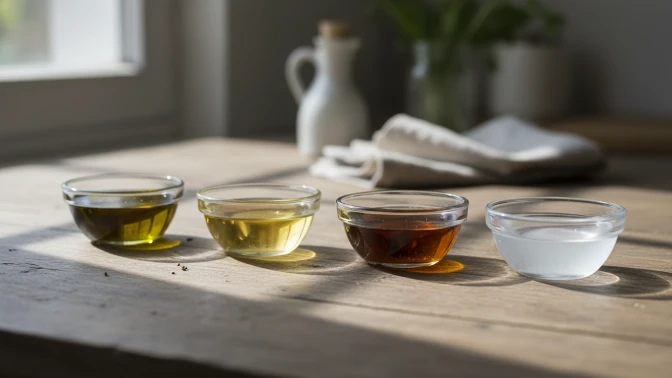
I explain what cooking oils are, how they behave in heat, and what they mean for health so you can pick the right oil for each dish.
Definition and Composition
I define cooking oil as a liquid fat from plants or animals used in food prep.
Most common oils come from seeds (canola, sunflower), fruits (olive, avocado), or animals (butter, lard).
Chemically, oils are mixtures of triglycerides—three fatty acids attached to a glycerol backbone.
Fatty acids vary by chain length and saturation.
- Saturated fats have no double bonds and stay solid or firm at room temperature (e.g., coconut oil, butter).
- Monounsaturated fats (MUFA) have one double bond (e.g., olive, avocado).
- Polyunsaturated fats (PUFA) have multiple double bonds (e.g., sunflower, soybean).
Processing changes composition.
- Cold-pressed/extra-virgin oils keep more flavor and antioxidants.
- Refined oils remove impurities and raise smoke point but reduce some nutrients.
Functions in Cooking
I use oils to transfer heat, add flavor, and change texture.
Oils let pans reach higher temperatures than water, which makes browning and searing possible.
Common cooking roles:
- Frying and sautéing: oil creates even heat and a crisp surface.
- Roasting: oil helps vegetables brown and prevents sticking.
- Dressings and marinades: oil carries fat-soluble flavors like garlic and herbs.
- Baking: oil can make cakes and breads moist.
Smoke point matters for technique.
Use high-smoke-point oils (refined avocado, peanut) for deep frying.
Use low-smoke-point, flavorful oils (extra-virgin olive) for dressings or low-heat cooking.
Health and Nutrition Aspects
I weigh the fats and nutrients so you can choose oils for health goals.
Different oils provide different fatty acid mixes and small amounts of vitamins and antioxidants.
Key points:
- MUFA-rich oils (olive, avocado) support heart health when they replace saturated fats.
- PUFA-rich oils (sunflower, soybean) include omega-6 and some omega-3; balance matters.
- Saturated fats (coconut, palm) can raise LDL cholesterol if eaten in large amounts.
Processing affects health value.
Unrefined oils keep antioxidants like vitamin E and polyphenols.
Refined oils often lack these compounds but may be more stable at high heat.
I recommend using oils in moderation and matching the oil type to cooking method and dietary needs.
Popular Vegetable Oils
I focus on common vegetable oils that most home cooks use. I explain cooking uses, smoke points, flavor, and basic health notes so you can pick the right one for your recipes.
Canola Oil
I use canola oil when I need a neutral flavor and a high smoke point for frying or baking. It has about 7–8 grams of polyunsaturated fat and 8–9 grams of monounsaturated fat per tablespoon, and relatively low saturated fat. That balance makes it a flexible choice for sautéing, roasting, and salad dressings.
Canola’s smoke point sits near 400°F (204°C), so it handles most pan-frying and oven work without smoking. I like it for recipes where I don’t want the oil to change the dish’s taste. For nutrition details and guidance, the USDA food database offers clear values and portion info.
Many brands sell refined canola oil; look for cold-pressed or expeller-pressed labels if you prefer less processing. I avoid flavored or crude varieties when I need neutrality, and I store it in a cool, dark place to keep it fresh.
Soybean Oil
I reach for soybean oil when I want a cheap, high-heat option with a mild flavor. It contains a good amount of polyunsaturated fats, including omega-6 fatty acids, and modest monounsaturated fat. This profile works well for deep-frying and large-batch cooking.
Soybean oil’s smoke point is roughly 450°F (232°C) for refined versions, so it’s safe for fryers and high-temperature ovens. I use it in commercial-style frying and in recipes where oil cost matters. It’s also commonly found in processed foods and restaurants.
If you’re watching omega-6 intake, I recommend balancing soybean oil with oils higher in omega-3s or monounsaturated fats. For more on soybean oil uses and nutrition, the Harvard T.H. Chan School of Public Health provides reliable background on vegetable oils.
Corn Oil
I pick corn oil for high-heat frying and baking because it’s stable and inexpensive. It has a neutral taste and a fatty-acid mix heavy in polyunsaturated fats, with some monounsaturated fat and low saturated fat. That makes it useful where flavor neutrality and heat tolerance matter.
Refined corn oil smokes around 450°F (232°C), so I use it for deep-frying and commercial cooking. I also use it in margarine and for sautéing when I don’t want any added flavor. Corn oil often appears in packaged foods for the same reasons.
When choosing corn oil, I check if it’s non-GMO if that matters to me, since corn crops are commonly modified. I store it away from light and heat to prevent rancidity and replace it more quickly than I would olive oil.
Sunflower Oil
I choose sunflower oil for its light flavor and high vitamin E content. It contains mostly polyunsaturated fats, but high-oleic sunflower varieties have much more monounsaturated fat, which improves stability and heart-health markers. Check the label to know which type you have.
Regular refined sunflower oil has a smoke point near 440°F (227°C); high-oleic types can be even higher. I use sunflower oil for frying, roasting, and salad dressings when I want a subtle taste. It also works well in recipes calling for a light, unobtrusive oil.
I prefer high-oleic sunflower oil for frying because it resists oxidation better. For nutrition comparisons and storage tips, credible sources like the Cleveland Clinic explain differences between sunflower oil types and their best uses.
Nut and Seed Oils
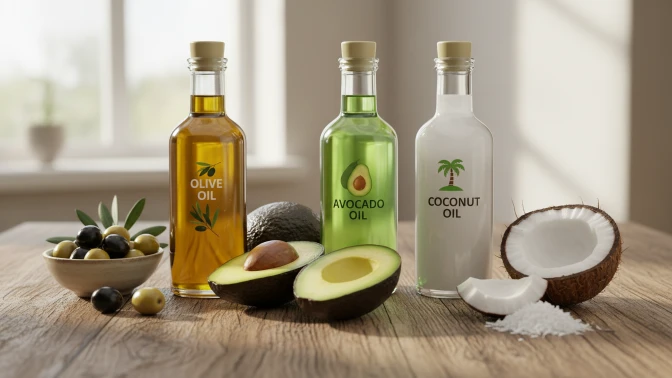
I focus on practical uses, smoke points, and flavor so you can pick the right oil for cooking, finishing, or salads. Each oil below lists taste, best cooking methods, and health or storage tips.
Peanut Oil
Peanut oil has a mild, slightly nutty flavor and a high smoke point (about 440°F/225°C for refined). I use it for deep-frying, stir-frying, and high-heat pan searing because it stays stable and won’t burn quickly.
Unrefined peanut oil has a stronger peanut taste and a lower smoke point, so I reserve it for dressings or low-heat cooking. It contains mostly monounsaturated and polyunsaturated fats, which are better for heart health than saturated fats.
If anyone has peanut allergies, avoid cross-contact; peanut oil can trigger reactions in sensitive people. Store peanut oil in a cool, dark place and use within a year for best flavor.
Sesame Oil
Sesame oil comes in two main types: toasted (dark) and untoasted (light). I use toasted sesame oil as a finishing oil—drizzled on soups, stir-fries, and salads—for its strong, toasty aroma. Light sesame oil has a higher smoke point and works for sautéing.
Toasted sesame oil is potent, so a little goes a long way. Sesame oil adds depth to marinades and Asian dishes. It contains polyunsaturated fats and antioxidants like sesamol.
Keep sesame oil refrigerated if you don’t use it often to prevent rancidity. For more on uses and nutrition, I refer to trusted sources like WebMD for clear guidance.
Walnut Oil
Walnut oil has a rich, buttery, and slightly earthy flavor. I use it mainly for dressings, drizzling over roasted vegetables, or finishing fish because heat can make it bitter. Cold-pressed walnut oil is best enjoyed raw to preserve its nutty taste and omega‑3 fats.
Walnut oil is high in polyunsaturated fats, including alpha-linolenic acid (ALA), an omega‑3. These fats can be delicate, so store walnut oil in the fridge and use within a few months after opening.
Because walnut oil is expensive, I buy small bottles and use it sparingly. For baking or cooking at medium heat, I choose a different oil with a higher smoke point.
Flaxseed Oil
Flaxseed oil (linseed oil for food) has a mild, slightly grassy flavor and is rich in ALA omega‑3 fatty acids. I never heat flaxseed oil; it oxidizes quickly and loses nutritional value when warmed. Instead, I add it to smoothies, salad dressings, or chilled grain bowls.
Flaxseed oil has a short shelf life. I keep it refrigerated and use it within a few weeks of opening to avoid rancidity. Its omega‑3 content supports a balanced diet, but one should not rely on it as the sole source of essential fats.
For precise nutrition facts and storage tips, I check reliable resources like USDA food data to confirm serving sizes and calorie counts.
Fruit-Based Oils
I focus on oils pressed from fruit flesh or pits that give strong flavor and specific cooking benefits. They differ in smoke point, flavor, and best uses.
Olive Oil
I use olive oil for dressings, low-heat sautéing, and finishing dishes. Extra virgin olive oil (EVOO) is cold-pressed, has a fruity, peppery taste, and contains antioxidants. I avoid heating EVOO past medium heat; its smoke point is usually 325–375°F (163–190°C), which varies by quality.
For higher-heat cooking, I choose refined or “light” olive oil because refining raises the smoke point to about 465°F (240°C) but reduces flavor and some nutrients. Olive oil is high in monounsaturated fats, which I note for heart-healthy cooking.
Tips:
- Use EVOO for salads and drizzling.
- Pick refined olive oil for roasting or frying.
- Store in a cool, dark place; use within months after opening.
Avocado Oil
I rely on avocado oil when I need a neutral flavor and a very high smoke point. Refined avocado oil smokes around 480–520°F (249–271°C), making it ideal for searing, frying, and high-heat roasting. Unrefined (extra virgin) avocado oil keeps more of the avocado’s green color and buttery flavor but has a lower smoke point near 375°F (190°C).
Avocado oil is rich in monounsaturated fats and vitamin E. I like it for marinades, dressings, and grill work because it won’t overpower other flavors.
Buying notes:
- Choose cold-pressed extra virgin for raw uses.
- Choose refined for high heat.
- Check for dark glass bottles and recent harvest dates.
Coconut Oil
I use coconut oil when I want a distinct, slightly sweet flavor or stable saturated fat for baking and moderate frying. Unrefined (virgin) coconut oil has a pronounced coconut aroma and smokes around 350°F (177°C). Refined coconut oil has less flavor and a higher smoke point near 400°F (204°C).
Coconut oil is high in saturated fat, mainly medium-chain triglycerides (MCTs). I limit its use if someone needs low-saturated-fat cooking, but I find it useful in recipes that benefit from its texture and flavor, like baking or Asian-style dishes.
Practical tips:
- Use virgin coconut oil for flavor in baked goods or curries.
- Use refined when you want neutral taste and higher heat tolerance.
- Solid at room temperature; melt before measuring for accuracy.
Animal-Based Cooking Fats
I use animal fats when I want rich flavor, high smoke points for searing, or a tender texture in baked goods. These fats come from dairy and different animals, and each behaves differently in heat, storage, and flavor.
Butter
Butter is made by churning cream until it separates into solids and liquid. I rely on it for baking, pan-frying, and finishing sauces because it adds a creamy flavor and helps brown foods. Salted butter contains added salt for taste; unsalted butter gives me precise control over seasoning.
Butter has a low smoke point (around 300–350°F / 150–175°C), so I use it for low-to-medium heat cooking or combine it with oil to raise the smoke point. For baking, butter’s water content helps create steam and tender crumb structure. I store butter in the fridge and freeze excess to extend shelf life.
For details on butter types and uses, I consult resources like the USDA dairy guides and reputable culinary sites such as Serious Eats for technical tips.
Ghee
Ghee is clarified butter cooked until the milk solids brown slightly, giving nutty aroma and longer shelf life. I use ghee when I need butter flavor but want a higher smoke point (about 450°F / 230°C) for sautéing or deep-frying.
Because ghee lacks milk solids, it stays stable at room temperature and lasts weeks unopened. It works well in recipes from Indian and Middle Eastern cuisines and in ketogenic cooking for concentrated fat. I prefer ghee for searing meats and roasting vegetables where buttery flavor and high heat are both needed.
For more on ghee production and storage, I reference culinary science sources and trusted food safety pages.
Lard
Lard is rendered pork fat that gives a neutral yet savory flavor and excellent flaky texture in pastries. I render leaf lard for baking because it’s very clean-tasting and produces tender pie crusts. Regular lard works well for frying and roasting because it crisps foods evenly.
Lard’s smoke point sits near 370°F (188°C), making it versatile for medium-high heat. I strain and cool rendered lard, then store it in the fridge or freezer to keep it fresh. When substituting lard, I match fat ratios carefully: using 1:1 weight for butter may require recipe adjustments because lard contains no water.
Trusted references like cooking fat guides and historical cooking sources show lard’s traditional role in many cuisines.
Duck Fat
Duck fat is prized for a rich, glossy mouthfeel and a subtle gamey flavor that boosts roasted potatoes and vegetables. I use duck fat for confit, pan-roasting, and frying where flavor and crispness matter most. Its smoke point is about 375°F (190°C), suitable for frying and high-heat roasting.
A small amount coats ingredients and delivers strong flavor, so I measure sparingly. I store duck fat refrigerated for weeks or frozen for months after straining out solids. For culinary techniques and recipe ideas, I consult specialty cookbooks and authoritative sites like culinary schools’ guides to rendered fats.
Specialty and Gourmet Oils
I pick oils for their flavor impact and best uses, not just their nutrition. Each oil below has a distinct taste, smoke point, and ideal culinary role you should know.
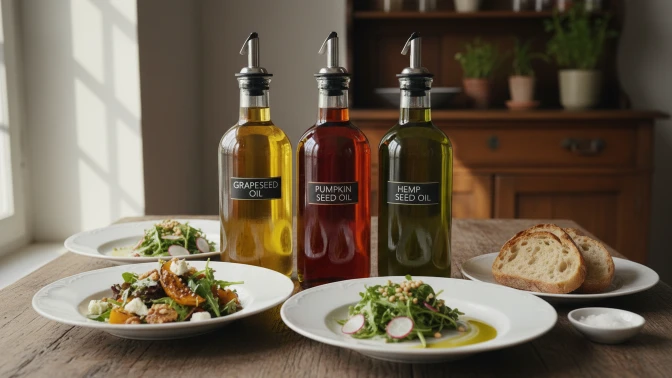
Grapeseed Oil
I like grapeseed oil for its light, neutral flavor and high smoke point. It works well for pan-frying, stir-frying, and making mayonnaise or salad dressings where I want other flavors to shine. The smoke point typically ranges from about 420°F to 485°F (215–252°C), so it’s reliable for medium-high heat cooking.
Grapeseed oil is often made from the seeds left over after winemaking. That gives it a clean finish and a thin texture, so it won’t weigh down delicate foods like sautéed vegetables or fish. I avoid using it for deep-frying at very high temperatures unless I know the exact smoke point on the bottle.
Nutrition-wise, grapeseed oil has mostly polyunsaturated fats and a milder antioxidant profile than some cold-pressed oils. I store it in a cool, dark place to prevent rancidity and use it within a few months after opening for best flavor.
Pumpkin Seed Oil
I reserve pumpkin seed oil for finishing dishes, not for cooking. It has a bold, nutty flavor and deep green to dark brown color that changes the look and taste of salads, soups, and roasted vegetables. A little goes a long way—usually a teaspoon or tablespoon to finish a plate.
Pumpkin seed oil has a low smoke point, so heat destroys its flavor. I drizzle it over warm grains, mashed potatoes, or sliced tomatoes right before serving. It pairs especially well with creamy cheeses, bitter greens, and toasted seeds.
Packed with vitamin E and healthy fats, pumpkin seed oil also offers a rich mouthfeel. I keep it refrigerated after opening to preserve its aroma and color. If it smells off or tastes metallic, I toss it, because that indicates spoilage.
Hemp Seed Oil
I use hemp seed oil primarily as a cold oil for dressings and dips. It has a grassy, slightly nutty flavor and a green color that brightens salads and pesto. The oil is delicate and loses its taste when heated, so I never cook with it.
Hemp seed oil contains a good balance of omega-3 and omega-6 fatty acids. That makes it attractive for people looking to boost healthy fats without strong flavor changes. I often mix it with lemon juice or vinegar, then whisk it into vinaigrettes or swirl it into hummus for extra richness.
Because it oxidizes quickly, I store hemp seed oil in the fridge and use it within a month or two of opening. I check the label for cold-pressed or unrefined on the bottle to ensure I get the freshest flavor.
Cooking Properties of Oils
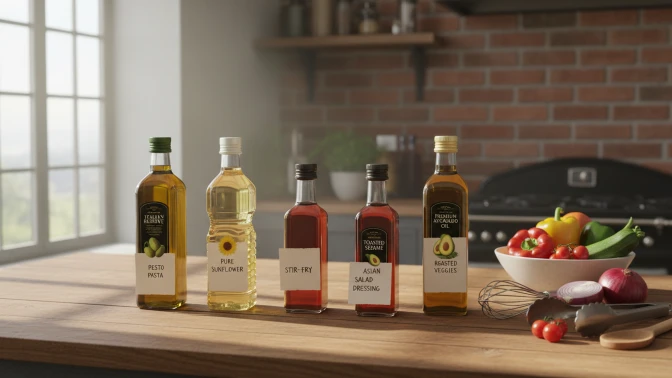
I focus on how oils behave when heated, how they change flavor, and which dishes they suit best. These points help you pick the right oil for frying, dressing, or baking.
Smoke Points
Smoke point tells me the highest temperature an oil can reach before it breaks down and smokes. When oil smokes it can taste bitter and form harmful compounds. Refined oils like avocado and light olive oil often have higher smoke points (around 400–520°F / 204–271°C), while unrefined oils such as extra-virgin olive or flaxseed smoke at lower temperatures (around 320–375°F / 160–190°C).
I choose high-smoke-point oils—like refined avocado, peanut, or grapeseed—for deep-frying and searing. I reserve extra-virgin olive oil and cold-pressed oils for low-heat cooking and finishing. For a quick reference, the USDA and resources at the American Heart Association explain smoke points and health implications well.
Flavor Profiles
Each oil carries distinct flavors that affect the dish. Extra-virgin olive oil brings a grassy or peppery note that pairs well with salads, roasted vegetables, and Mediterranean dishes. Neutral oils like canola, vegetable, or refined grapeseed have little flavor, so they let other ingredients shine.
I use sesame oil for nutty Asian flavors and coconut oil for mild sweetness in baking and Caribbean recipes. Avocado oil tastes buttery and mild, making it versatile. Match the oil’s flavor to the cuisine: don’t use strong sesame oil in delicate sauces, and avoid neutral oils where you want a pronounced taste.
Best Uses in Cuisine
Match oil choice to cooking method and flavor goals. For high-heat methods—stir-fry, deep-fry, and pan-sear—I pick refined avocado, peanut, or grapeseed oil for their stability and neutral taste. For dressings, dips, and finishing, I pick extra-virgin olive oil or walnut oil for their aroma and mouthfeel.
For baking and sautéing, canola and light olive oil work well because they perform steadily without altering sweetness. When making Asian stir-fries or dressings, I add toasted sesame oil at the end for concentrated flavor. For reliable nutrition guidance and practical uses of different oils, I consult sources like WebMD for balanced, evidence-based suggestions.
Choosing the Right Cooking Oil

I focus on health needs, cooking method, and how long the oil will keep. Making the right pick means matching oil traits—like smoke point and fat type—to the dish and to personal diet limits.
Dietary Considerations
I look first at fat type and calorie impact. Oils high in monounsaturated fats, such as olive and avocado oil, help replace saturated fats and fit many heart-healthy plans. I avoid oils high in saturated fat, like coconut oil, when someone needs to limit LDL cholesterol.
I check for omega-3 and omega-6 balance. Flaxseed and walnut oils give omega-3s but are fragile and best used cold. Many vegetable oils have more omega-6; eating too much omega-6 versus omega-3 can affect inflammation.
I also watch for allergies and dietary rules. Peanut oil can trigger allergies, and some people avoid animal-derived oils for ethical or religious reasons. I choose oils that fit calorie goals, cooking style, and any medical advice.
Culinary Applications
I pick oils by smoke point and flavor. For high-heat frying and searing, I use oils with high smoke points like refined avocado, refined safflower, or peanut oil. These handle heat without burning and create crisp textures.
For medium-heat sautéing, I often use light olive oil or canola. They balance mild flavor with decent heat tolerance. For dressings, dips, and finishing, I choose extra virgin olive oil, walnut oil, or sesame oil for their strong, pleasant flavors.
I also match oil flavor to cuisine. Toasted sesame fits Asian dishes. Neutral oils like grapeseed or refined sunflower keep the recipe’s original taste. I avoid using delicate oils for frying since heat ruins their flavor.
Storage and Shelf Life
I store oils in cool, dark places and keep lids tight to slow rancidity. Light, heat, and air speed oxidation and off-flavors. I keep olive oil and nut oils in a cupboard away from the stove; flaxseed oil often belongs in the fridge.
I follow best-by dates and use-by rules. Most refined oils last 9–12 months unopened; once opened they last 6–9 months. Extra virgin and unrefined oils can go rancid faster, often within 3–6 months after opening.
If an oil smells musty, bitter, or like paint, I discard it. Rancid oil harms flavor and can irritate digestion. I label bottles with the open date to track freshness.
Refined vs. Unrefined Oils
I explain the main differences in how the oils are made, what they keep from the plant, and how they behave in cooking so you can pick the right oil for each dish.
Processing Methods
I look at how oils go from seed or fruit to bottle.
Unrefined oils are usually pressed mechanically—cold-pressed or expeller-pressed—without high heat or chemical solvents. This keeps natural flavors, color, and some fragile compounds. Labels like “extra virgin” or “virgin” usually mean minimal processing.
Refined oils go through more steps: neutralizing, bleaching, deodorizing, and sometimes filtering with heat or chemicals. These steps remove impurities, off-flavors, and some pigments. The process raises the oil’s smoke point and extends shelf life.
I check labels for terms like “cold-pressed,” “refined,” or “expeller-pressed” to know what I’m buying. Those words tell me whether the oil will taste strong or be more neutral.
Nutritional Differences
I compare what stays and what’s lost.
Unrefined oils retain more of the plant’s natural compounds: antioxidants, vitamins (like vitamin E), and polyphenols. Those compounds can offer small health benefits and give oil a distinct flavor and color.
Refining removes many of those minor nutrients. The main fats—monounsaturated, polyunsaturated, and saturated fats—remain largely the same in both types. So the calorie and major fat profile do not change much, but antioxidant and micronutrient levels drop in refined oils.
If I want more flavor and some extra nutrients in salads or low-heat dishes, I pick unrefined. If I need stability and a neutral taste, I pick refined.
Impact on Cooking Results
I match oil type to cooking method.
Unrefined oils have lower smoke points and stronger flavors. I use them for dressings, drizzling, finishing, or gentle sautéing so their taste and nutrients shine without burning.
Refined oils handle high heat better. They have higher smoke points, milder taste, and longer shelf life. I use them for frying, deep-frying, and high-heat roasting when I don’t want the oil to smoke or alter the dish’s flavor.
Quick reference:
- Unrefined: strong flavor, lower smoke point, best cold or low heat.
- Refined: neutral flavor, higher smoke point, best high heat and long storage.
I choose based on the recipe, required heat, and whether I want the oil’s flavor to be noticed.
Environmental and Ethical Considerations
I look at cooking oils beyond taste and smoke point and consider how they affect people and the planet. Some oils need lots of land, water, or chemicals to produce, and that raises ethical and environmental questions.
Palm oil often causes the biggest concerns. Large-scale palm farming has driven deforestation and harmed wildlife in places like Borneo and Sumatra. I avoid brands without clear, third-party sustainability claims or traceable sourcing.
Other oils have trade-offs too. Coconut and avocado oils can use significant water and land, while soybean and corn oils may be tied to intensive farming and pesticide use. I check for certifications like RSPO, organic, or fair-trade when they are available.
I use this quick checklist when choosing oils:
- Land use: Does production cause deforestation or habitat loss?
- Water and inputs: Does it require heavy irrigation or chemicals?
- Social impact: Are workers treated fairly and are communities respected?
- Transparency: Can the brand trace where the oil came from?
I also balance environment with diet. For everyday cooking, I favor oils with lower environmental harm and clear sourcing. For occasional use, I may choose other oils but look for responsible labels and ethical practices.
FAQs
What oil should I use for everyday cooking?
I often recommend olive oil for low to medium heat and a neutral oil like canola or avocado for higher-heat cooking. These choices balance flavor and health for most recipes.
How do I pick an oil by smoke point?
I check the recipe’s cooking temperature first. If I’m frying or searing, I choose oils with higher smoke points like avocado, peanut, or refined sunflower oil.
Are some oils healthier than others?
Yes. I favor oils high in monounsaturated and polyunsaturated fats, such as olive and canola oil. I limit oils high in saturated fat, like coconut and palm oil, for daily use.
Can I reuse frying oil?
I reuse frying oil only a few times if it stays clear and smells normal. I strain it, store it in a cool dark place, and discard it if it foams, smells off, or darkens
How should I store cooking oil?
I keep oils in a cool, dark cupboard and seal them tightly. For extra virgin olive oil, I avoid heat and light to keep it fresh longer.
Conclusion
I reviewed the main types of cooking oils and what makes each one useful in the kitchen. Knowing smoke point, flavor, and fat profile helps you pick the right oil for each task.
I recommend keeping a small set of oils for most cooking: a neutral high-smoke-point oil for frying, olive oil for low-heat cooking and dressings, and a flavored oil for finishing. This keeps meals simple and flexible.
I also suggest checking labels for processing methods and trans fats. Cold-pressed or extra-virgin options keep more flavor and nutrients, but cost more and often have lower smoke points.
I use a quick reference table in my kitchen to decide fast:
| Use | Oil examples | Why |
|---|---|---|
| High-heat frying | Avocado, refined sunflower | High smoke point, stable |
| Sautéing & everyday | Light olive, canola | Mild flavor, versatile |
| Dressings & finishing | Extra-virgin olive, sesame | Strong flavor, raw use |
I balance taste and health by rotating oils and limiting highly processed types. Small changes, like swapping oils for specific tasks, make meals tastier and can improve nutrition without extra work.
