
Discover the main reasons your rice cooker bubbles over and simple solutions to keep your kitchen clean. This guide covers proper measurements, cleaning techniques, and rice preparation methods. Master perfect rice with step-by-step instructions and troubleshooting tips.
Contents
- 1 Key Takeaways
- 2 Why Does Your Rice Cooker Bubbles Over? The Complete Guide
- 3 The Science Behind Why Rice Cooker Bubbles Over
- 4 Top 5 Common Causes of Rice Cooker Overflow
- 5 Step-by-Step Guide to Prevent Rice Cooker Bubbles Over
- 6 Troubleshooting Your Rice Cooker When It Bubbles Over
- 7 Expert Tips for Perfect Rice Every Single Time
- 8 Conclusion: Keep Your Kitchen Clean and Your Rice Perfect
Key Takeaways
- Measure accurately: Too much rice or water causes most overflow problems in rice cookers.
- Rinse rice thoroughly: Removing excess starch prevents bubbling foam from spilling over.
- Clean regularly: Built-up gunk around the lid and seal makes your rice cooker bubble over.
- Check the lid: A loose or damaged lid won’t contain the steam and foam properly.
- Adjust for rice types: Brown rice and wild rice need different water ratios than white rice.
- Use the right pot size: Cooking small amounts in a large rice cooker can cause bubbling issues.
- Act quickly: If it bubbles over, unplug immediately and let it cool to avoid damage.
Why Does Your Rice Cooker Bubbles Over? The Complete Guide
You’re making dinner. Your rice cooker starts singing its little song. Then you smell something burning. You lift the lid to find rice water all over your counter. Sound familiar? Understanding why rice cooker bubbles over saves you from messy cleanups and ruined meals. This guide shows you exactly how to fix the problem and cook perfect rice every single time.
We’ll explore the science behind the bubbling. You’ll learn which mistakes cause overflow. Most importantly, you’ll get simple, practical steps to prevent it from happening again. Let’s dive in and keep your kitchen clean.
The Science Behind Why Rice Cooker Bubbles Over
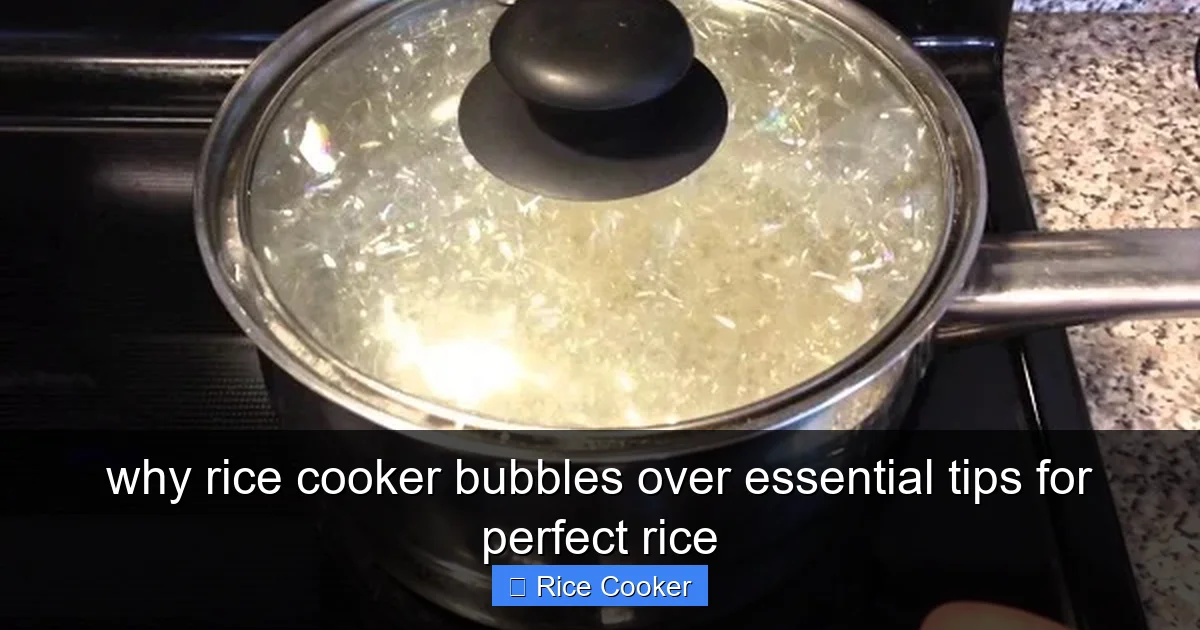
Rice cookers work on a simple principle. They heat water and rice to boiling point. Then a thermostat switches off the heat when all water absorbs into the rice. But sometimes, things go wrong. The bubbling happens when foam created by starchy water boils over the top.
Visual guide about why rice cooker bubbles over essential tips for perfect rice
Image source: tenkaichiban.com
Think of it like boiling pasta. Add too much pasta or too little water, and you get a foam volcano. Rice is worse because it releases more starch. That starch creates thick, sticky foam that traps steam. Pressure builds. The foam expands. Eventually, it pushes past the lid and spills everywhere. This explains why rice cooker bubbles over when you least expect it.
Top 5 Common Causes of Rice Cooker Overflow
1. Using Too Much Water
The number one reason your rice cooker bubbles over is simple. You added too much water. Rice cookers need precise water-to-rice ratios. Most models use 1:2 ratio—one cup rice to two cups water. But this varies by machine and rice type. When you add extra water, you create extra steam. That steam turns into foam that overflows.

Visual guide about why rice cooker bubbles over essential tips for perfect rice
Image source: ricearray.org
Always check your manual for specific ratios. Different brands need different amounts. Even your location matters. High altitude cooking requires less water. Humid climates might need slightly more. The key is precision, not guesswork.
2. Overfilling With Too Much Rice
Your rice cooker has a maximum capacity. Usually marked inside the pot with cup lines. When you fill beyond these lines, you leave no room for expansion. Rice triples in size when cooking. If the pot is too full, the expanding rice pushes foam upward.
Never fill your rice cooker pot more than 2/3 full. Even less for brown rice or wild rice. These varieties expand even more. When cooking for large families, consider cooking in batches. It takes longer but saves you from messy overflows and wasted food.
3. Excess Starch on Unrinsed Rice
White rice comes coated with starch powder. This is normal. But when heated, this starch dissolves into the water. It creates a thick, glue-like foam that bubbles violently. Unrinsed rice is the main culprit behind why rice cooker bubbles over.
Rinsing removes 90% of this excess starch. Place rice in a fine mesh strainer. Run cool water over it for 30 seconds. Gently stir with your fingers. The water will turn milky white. Rinse until it runs mostly clear. This simple step prevents most overflow problems.
4. Dirty or Damaged Lid and Seal
Your rice cooker lid contains the steam and foam. Food particles and mineral deposits build up around the lid edges. This prevents a tight seal. When steam escapes through gaps, it pulls foam with it. A cracked or warped lid makes the problem worse.
Clean your lid after every use. Wipe the rubber seal with a damp cloth. Check for cracks or stiffness. Replace worn seals immediately. Some lids are dishwasher safe. Others need hand washing. Check your manual to be sure.
5. Cooking Certain Rice Varieties
Not all rice is created equal. Brown rice, wild rice, and arborio rice have different cooking needs. They contain more fiber and starch. They also absorb water slower. If you use the same settings as white rice, you get overflow.
Brown rice needs more water but also needs a longer resting time. Wild rice expands more. Arborio rice releases tons of starch. Always adjust your cooking method for each type. Our complete guide to rice types helps you choose the right settings.
Step-by-Step Guide to Prevent Rice Cooker Bubbles Over
Step 1: Measure Your Ingredients Correctly
Grab your rice cooker measuring cup. This cup is smaller than a standard cup. Use it for accuracy. Scoop rice into the cup. Level it off with a knife. Don’t pack it down. For white rice, use a 1:2 ratio. One cup rice needs two cups water. For brown rice, try 1:2.5. One cup rice needs two and a half cups water.
Visual guide about why rice cooker bubbles over essential tips for perfect rice
Image source: ricearray.org
Place the measuring cup on a flat surface. Check at eye level. The meniscus should line up exactly with the measurement line. Using regular glasses or guessing causes problems. This precision is why your rice cooker bubbles over when you skip this step.
Step 2: Rinse Your Rice Thoroughly
Put your measured rice in a fine mesh strainer. Hold it under cool running water. Gently stir with your fingers for 30 seconds. The water will turn cloudy white. That’s the starch washing away. Continue rinsing until the water looks mostly clear. This takes about 1-2 minutes for most rice types.
For extra insurance, let the rinsed rice soak for 10 minutes. Drain completely before adding to your rice cooker. Soaking softens the grains and reduces cooking time. Less cooking time means less chance for foam to build up and overflow.
Step 3: Use the Correct Rice-to-Water Ratio
Different rice cookers have different needs. Check the manual that came with your machine. Look for the “water level” marks inside the pot. These marks show exactly how much water to add for different rice amounts. Fill to the line that matches your rice quantity.
If you lost your manual, search online for your model number. Most brands post PDFs on their websites. When in doubt, use less water rather than more. You can always add a splash more if needed. But you can’t take water out once it’s bubbling over.
Step 4: Clean Your Rice Cooker After Every Use
Unplug your rice cooker and let it cool completely. Remove the inner pot and wash it with warm, soapy water. Don’t use abrasive scrubbers that scratch the surface. Scratches trap food and bacteria. Wipe the heating plate with a damp cloth. Never submerge the base in water.
Pay special attention to the lid and steam vent. Food particles love to hide there. Use a toothpick or soft brush to clear the vent. A clogged vent means steam can’t escape properly. This pressure causes bubbling overflow. Clean these parts weekly, even if you cook rice daily.
Step 5: Inspect and Maintain the Lid Seal
Check the rubber gasket around your lid every month. Look for cracks, stiffness, or sticky residue. A healthy gasket is flexible and clean. If it feels brittle or shows cracks, replace it immediately. Most manufacturers sell replacement seals for under $10.
To clean the gasket, remove it from the lid. Soak in warm vinegar water for 10 minutes. This dissolves mineral deposits. Rinse thoroughly and dry completely before reinserting. A proper seal keeps steam and foam inside where they belong.
Step 6: Adjust Cooking Settings for Different Rice Types
Many modern rice cookers have settings for white, brown, wild, and mixed rice. Use these settings. They adjust cooking time and temperature automatically. If your cooker has only one setting, you need to adapt. For brown rice, add 10-15 minutes to cooking time. Reduce water slightly.
For wild rice, use a 1:3 ratio. One cup rice to three cups water. Wild rice needs more room to expand. Consider cooking it in a separate pot if your rice cooker is small. Our perfect rice guide gives detailed ratios for every variety.
Troubleshooting Your Rice Cooker When It Bubbles Over
What to Do If Your Rice Cooker Is Already Bubbling Over
Don’t panic. First, unplug the rice cooker immediately. This stops the heating element and prevents further overflow. Don’t open the lid right away. Steam is extremely hot and can burn you. Let it sit for 5-10 minutes to cool down slightly.
Once cooled, carefully tilt the lid away from you. Hot steam will escape. Check if the pot is too full. If rice and water are still inside, you might save it. If it’s already spilled into the base, you’re looking at a cleaning job. Remove the inner pot. Wipe the base with a damp cloth. Let everything dry completely before trying again.
When It’s Time to Replace Your Rice Cooker
Older rice cookers lose their temperature control. The thermostat wears out. This causes overheating and violent boiling. If your cooker is more than 5 years old and bubbling over constantly, consider replacing it. New models have better sensors and multiple safety features.
Look for a rice cooker with a “fuzzy logic” chip. These machines adjust heat automatically. They prevent the rolling boil that creates overflow foam. They cost more but save you money in the long run. No more wasted rice. No more messy counters.
Expert Tips for Perfect Rice Every Single Time
Let your rice rest after cooking. Most rice cookers switch to “warm” when done. Leave the lid closed for 10-15 minutes. This lets the steam distribute evenly. The foam settles back into the rice. You get perfect texture without overflow.
Add a teaspoon of oil or butter to the water. This coats each grain of rice. It reduces starch release and prevents sticking. The oil also breaks surface tension. Foam doesn’t form as easily. This is a professional chef trick for why rice cooker bubbles over less often.
Use the right size cooker for your needs. A 3-cup cooker works for 1-4 people. A 5-cup model suits 4-6 people. Cooking 1 cup of rice in a 10-cup cooker causes problems. The rice spreads too thin. It cooks unevenly and creates hot spots that foam up. Match your cooker size to your typical portions.
Try the absorption method for complete control. Bring rice and water to a boil on the stove. Cover and reduce heat to simmer for 15-20 minutes. Then transfer to your rice cooker to finish. This method gives you direct control over the boiling phase. It’s harder to overflow because you’re monitoring it closely.
Keep a kitchen towel handy. Place it under the lid when you open it. This catches any drips or stray foam. It protects your counter and keeps things clean. Make this part of your routine. It takes two seconds and prevents sticky messes.
Consider using a rice cooker with a steam tray. These models cook rice above the water level. The rice steams instead of boils. There’s no foam at all. You get fluffy rice every time. These cookers are great for veggies too. One machine does double duty in your kitchen.
Track your successes in a notebook. Note the rice type, amount, water ratio, and results. Over time, you’ll build a personal recipe book. You’ll know exactly why rice cooker bubbles over in your specific machine. This data helps you adjust for perfect results every time.
Conclusion: Keep Your Kitchen Clean and Your Rice Perfect
Understanding why rice cooker bubbles over is simple. It’s usually too much water, too much rice, or too much starch. Clean your machine regularly. Measure carefully. Rinse your rice. These three steps prevent 95% of overflow problems.
Every rice cooker is different. Take time to learn your machine’s quirks. Read the manual. Experiment with small batches until you get it right. Soon, you’ll cook perfect rice without a single bubble escaping.
Remember, a clean rice cooker is a happy rice cooker. Maintenance prevents most issues. When you follow these tips, you save time, money, and frustration. No more scrubbing burnt rice off your counter. Just perfect, fluffy rice every single time.
Ready to try something new? Our easy rice and beans recipe is perfect for testing your new skills. It’s forgiving and delicious. Happy cooking!
