Rice Cooker Explosion Risks Explained What You Must Know

Rice cooker explosions are extremely rare but can happen due to pressure buildup, electrical faults, or improper use. This guide explains the real risks, common causes, and essential safety steps to prevent accidents. Follow these practical tips to enjoy safe, worry-free rice cooking every time.
Key Takeaways
- Explosions are rare: Modern rice cookers have multiple safety features making serious incidents unlikely with proper use.
- Pressure buildup is the main culprit: Blocked steam vents cause most problems. Always keep vents clear and clean.
- Electrical safety matters: Damaged cords, wrong voltage, or water near outlets can cause dangerous malfunctions.
- Proper placement is critical: Keep cookers away from walls, cabinets, and flammable materials during operation.
- Regular maintenance prevents risks: Clean after every use, check for damage monthly, and replace old units.
- Never force the lid open: Always let pressure release naturally or use the release valve if your model has one.
- Know when to replace: If your cooker shows rust, frayed wires, or inconsistent cooking, it’s time for a new one.
Introduction: What You’ll Learn About Rice Cooker Safety
Rice cookers are among the safest kitchen appliances when used correctly. But like any electrical device that generates heat and steam, they carry some risks. You’ve probably heard scary stories about rice cooker explosions. Let’s separate fact from fiction and learn how to use these appliances safely.
This guide covers everything from understanding real explosion risks to step-by-step safety procedures. You’ll discover common causes, prevention strategies, and what to do if something goes wrong. By the end, you’ll feel confident using your rice cooker without worry.
Remember, knowledge is your best defense. Let’s dive into keeping your kitchen safe while making perfect rice every time.
Understanding Rice Cooker Explosion Risks
First, let’s address the elephant in the room. True rice cooker explosions are extremely rare. Most modern units have multiple built-in safety features. But the risk isn’t zero, and understanding why helps you prevent problems.
Visual guide about Rice Cooker Explosion Risks Explained What You Must Know
Image source: expertreviewsbestricecooker.com
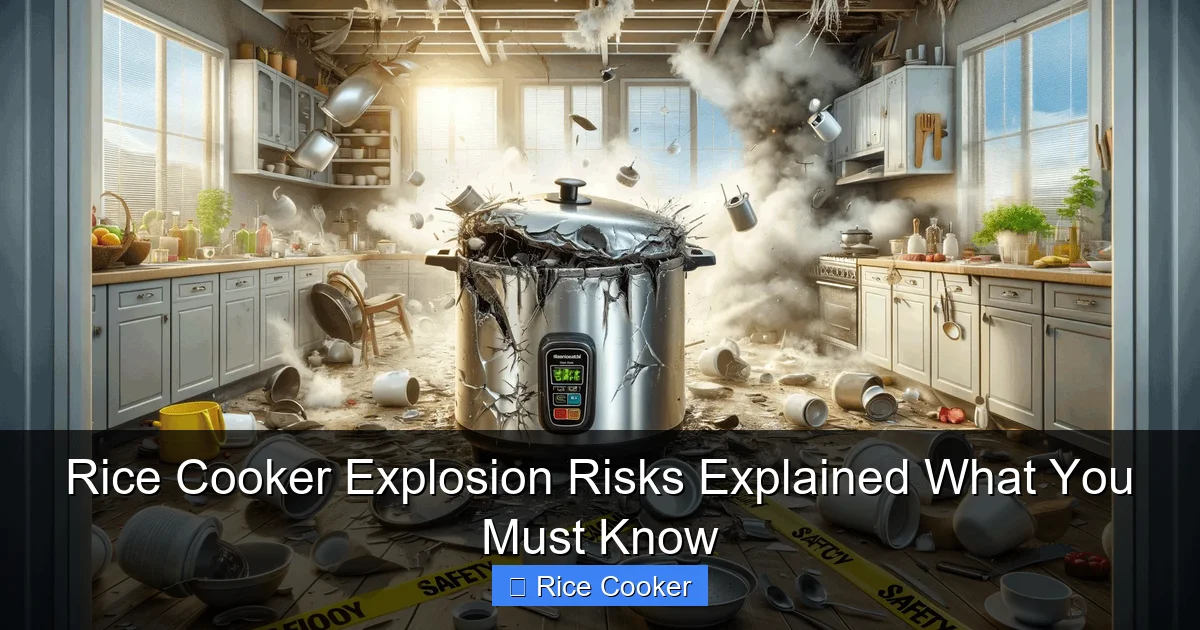
When we say “explosion,” we mean sudden, violent release of pressure or electrical failure. This can send scalding steam, hot rice, and metal parts flying. The results range from minor burns to serious injuries and kitchen damage.
The key is knowing what creates these dangerous conditions. It’s usually a combination of factors, not a single mistake. Let’s break down the science in simple terms.
What Actually Causes a Rice Cooker to Explode?
Three main factors create explosion risks: pressure buildup, electrical failure, and user error. Pressure buildup happens when steam can’t escape properly. Electrical failure occurs from damaged wiring or water contact. User error includes things like blocking vents or using the wrong settings.
Most incidents involve pressure cookers, not standard rice cookers. But even regular rice cookers can become dangerous if misused. The good news? Following basic safety rules prevents nearly all problems.
Pressure Buildup and Vent Blockages
Steam must escape during cooking. If the vent is blocked, pressure builds until something gives way. This is the most common cause of rice cooker explosions.
Food debris, rice starch, and mineral deposits can clog vents over time. Once blocked, steam has nowhere to go. The internal pressure rises past safe limits. Eventually, the lid may blow off or the cooker might rupture.
Signs of vent blockage include:
- Steam leaking from the sides instead of the vent
- Water bubbling out around the lid
- Unusual noises during cooking
- The cooker taking longer than usual to cook
Prevention is simple: clean the vent after every use. Check it before each cooking session. If you see debris, clean it immediately with a soft brush or toothpick.
Electrical Malfunctions and Overheating
Electrical issues cause about 20% of rice cooker incidents. Damaged cords, frayed wires, or water near electrical components create serious hazards.
Overheating happens when the cooker runs too long or cooks at too high a temperature. This can melt internal components, cause short circuits, or even start fires.
Keep your cooker away from water sources. Wipe up spills immediately. Never immerse the base in water. Check cords regularly for damage. If you notice discoloration, melting, or sparking, stop using the cooker immediately.
Essential Safety Precautions to Prevent Explosions
Prevention is easier than dealing with an accident. These simple steps keep you and your kitchen safe.
Visual guide about Rice Cooker Explosion Risks Explained What You Must Know
Image source: zaneslaw.com
Choosing the Right Rice Cooker
Start with a quality appliance from a reputable brand. Cheap, off-brand rice cookers often skip important safety features. Look for models with UL, ETL, or CSA certification marks. These meet strict safety standards.
Modern rice cookers come with multiple safety features:
- Automatic shut-off when cooking completes
- Thermal fuses that cut power if overheating occurs
- Pressure release valves on pressure models
- Cool-touch exteriors to prevent burns
- Locking lids that won’t open until pressure drops
Read reviews before buying. Look for mentions of safety and reliability. A good rice cooker lasts 5-10 years with proper care. For more on selecting the right model, check our guide on types of rice and best uses to understand which cooker suits your needs.
Proper Setup and Placement
Where you place your rice cooker matters as much as how you use it. Set it on a flat, stable surface away from edges. Keep it at least 6 inches from walls, cabinets, and other objects. This prevents heat damage and allows proper ventilation.
Never place your rice cooker near flammable materials. Keep it away from curtains, paper towels, and wooden cabinets. The exterior gets hot during operation.
Use a dedicated outlet. Don’t plug it into an extension cord or power strip. These can overheat and cause electrical fires. If you must use an extension cord, make sure it’s rated for the cooker’s wattage.
Keep the area around the cooker clean and dry. Wipe up spills immediately. Water and electricity don’t mix.
Correct Usage Techniques
Follow the manufacturer’s instructions exactly. Every rice cooker is slightly different. What works for one model might be dangerous for another.
Measure rice and water carefully. Overfilling creates excess steam and can block vents. Most cookers have “max fill” lines inside the pot. Never exceed these lines.
Different types of rice require different settings. Using the wrong setting can cause problems. Our guide on how to cook rice perfectly every time explains the right water-to-rice ratios and cooking times for various grains.
Never force the lid open. If it won’t budge, the cooker is still under pressure. Wait for it to cool and release naturally. For pressure cookers, always use the release valve according to instructions.
Step-by-Step Safe Operation Guide
Let’s walk through the entire process from start to finish. Follow these steps every time you cook rice.
Visual guide about Rice Cooker Explosion Risks Explained What You Must Know
Image source: torhoermanlaw.com
Before You Start Cooking
Step 1: Inspect your rice cooker. Check the cord for fraying or damage. Look at the plug for bent prongs. Examine the pot for cracks or warping. Check the lid for proper fit and clean vents.
Step 2: Clean if needed. Wash the inner pot and lid with warm, soapy water. Dry thoroughly before use. Check the steam vent for blockages. Use a toothpick or soft brush to clear debris.
Step 3: Measure ingredients correctly. Use the measuring cup that came with your cooker. Standard ratio is 1 cup rice to 1.5-2 cups water, depending on rice type. Never fill past the max line.
Step 4: Set up your workspace. Place the cooker on a stable, heat-resistant surface. Ensure proper clearance on all sides. Plug into a dedicated outlet.
During the Cooking Process
Step 5: Start cooking according to instructions. Close the lid properly. Select the correct setting if your model has multiple options. Press start and let the cooker do its job.
Step 6: Watch for warning signs. Listen for unusual noises. Look for steam leaking from unexpected places. If you smell burning or see smoke, unplug immediately.
Step 7: Never leave unattended. Stay in the kitchen while cooking. Most rice cookers finish in 20-40 minutes. Check periodically to ensure normal operation.
Step 8: Respect the steam. When the cooker switches to “keep warm,” steam is still present. Don’t open the lid right away. Wait 5-10 minutes for pressure to normalize.
After Cooking is Complete
Step 9: Let it rest. After cooking finishes, let the rice sit for 10-15 minutes. This allows steam to dissipate and rice to finish steaming.
Step 10: Open the lid carefully. Open away from your face to avoid steam burns. Use oven mitts if the lid is hot.
Step 11: Unplug and cool. Unplug the cooker from the wall. Let it cool completely before cleaning. This prevents burns and electrical hazards.
Step 12: Clean thoroughly. Wash removable parts in warm, soapy water. Wipe the base with a damp cloth. Dry everything completely before storing.
Troubleshooting Common Issues
Even with proper care, problems can occur. Here’s how to handle common issues safely.
Rice Cooker Won’t Turn On
First, check if it’s plugged in properly. Try a different outlet to rule out electrical problems. If the outlet works, the issue might be internal. Unplug the cooker and let it cool for 30 minutes. Plug it back in and try again.
If it still won’t turn on, check for error codes. Many modern cookers display error messages. Consult your manual for what these mean. If you don’t have the manual, look up your model online.
Never open the base to repair electrical components yourself. This is dangerous and voids your warranty. Contact the manufacturer or a qualified repair technician.
Excessive Steam or Leaking
If steam leaks from the sides instead of the vent, the vent is likely blocked. Stop cooking immediately. Unplug the cooker and let it cool. Clean the vent thoroughly before using again.
Water pooling under the cooker means the seal might be damaged. Check the lid gasket for cracks or wear. Replace if necessary. Don’t use the cooker with a damaged seal.
Some steam release is normal, especially with pressure models. But continuous, forceful steam indicates a problem. When in doubt, stop using the cooker and investigate.
Burnt Rice or Uneven Cooking
Burnt rice usually means too little water or the wrong setting. Measure water carefully. Different rice types need different amounts. Brown rice needs more water than white rice.
Uneven cooking can happen if the pot isn’t seated properly in the base. Ensure the pot sits flat and makes good contact with the heating element.
Older cookers may have worn heating elements. If your rice consistently burns or cooks unevenly, it might be time for a replacement. For perfect results every time, see our guide on how to cook rice perfectly.
Unusual Noises or Smells
Popping or crackling sounds can be normal during cooking. But loud bangs or hissing noises are warning signs. Unplug the cooker immediately and investigate.
Burning smells are never normal. They indicate overheating or electrical problems. Stop using the cooker right away. Check for food debris in the heating element. Let it cool completely before checking.
Plastic smells during first use are common. The cooker has protective coatings that burn off. Run it empty with the lid open for 10 minutes. If the smell persists after several uses, stop using it.
When to Replace Your Rice Cooker
Even the best rice cookers wear out. Knowing when to replace yours prevents accidents.
Replace your rice cooker if you notice:
- Frayed or damaged power cords
- Rust on the inner pot or heating element
- Cracks in the lid or pot
- Inconsistent cooking results
- Broken or missing parts
- The cooker is more than 10 years old
Don’t try to repair damaged electrical components. Replacement is safer and often cheaper than professional repairs.
When buying a new cooker, choose one with modern safety features. Look for automatic shut-off, thermal protection, and good warranty coverage. A quality cooker is an investment in kitchen safety.
Conclusion: Stay Safe and Enjoy Perfect Rice
Rice cooker explosions are rare, but the risks are real enough to take seriously. By following these safety guidelines, you reduce the chance of an accident to nearly zero.
Remember the key points: keep vents clean, check for damage regularly, follow instructions carefully, and never force the lid open. These simple habits protect you and your family.
Your rice cooker is a valuable kitchen tool that makes cooking easier and more consistent. Use it with confidence, knowing you understand the risks and how to prevent them. For more delicious ways to use your rice cooker, try our easy rice and beans recipe.
Stay safe, cook smart, and enjoy your perfectly cooked rice every time.
🎥 Related Video: working of rice cooker
📺 bigmix_animation