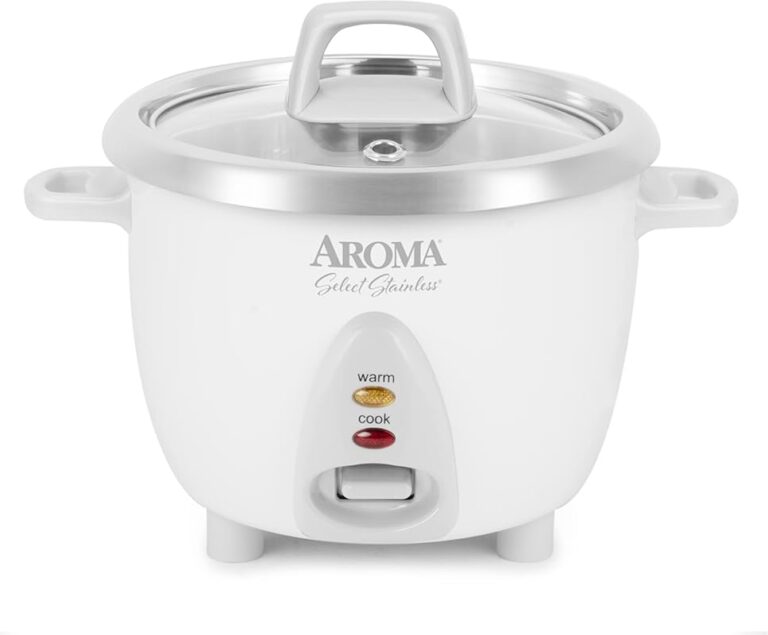
Rice Cooker Fire Safety Tips You Must Know to Avoid Disaster

Rice cooker fire safety is crucial for every home. This guide covers essential tips to prevent disasters, from proper setup to emergency response. Learn how to use your rice cooker safely and protect your family.
Key Takeaways
- Always inspect your rice cooker: Check for damage before each use to prevent fire hazards.
- Place on stable, heat-resistant surfaces: Keep away from flammable materials and water sources.
- Never leave cooking rice unattended: Monitor the cooking process to catch issues early.
- Keep the heating element clean: Regular cleaning prevents overheating and fires.
- Know emergency procedures: Learn how to respond if a fire starts.
- Follow manufacturer instructions: Adhere to all safety guidelines in your manual.
Introduction: Why Rice Cooker Fire Safety Matters
Rice cookers are convenient kitchen appliances that simplify meal preparation. However, they can pose serious fire risks if not used properly. Understanding rice cooker fire safety is essential for protecting your home and loved ones. This comprehensive guide will teach you everything you need to know about preventing rice cooker fires, from basic operation to emergency response. You will learn practical tips that you can implement immediately. Let’s keep your kitchen safe while enjoying perfectly cooked rice every time.
Many people assume rice cookers are completely foolproof. This false sense of security can lead to dangerous situations. By following these rice cooker fire safety guidelines, you can enjoy your appliance with confidence. We will cover prevention, detection, and response strategies. Your safety is our priority.
Understanding Rice Cooker Fire Risks
Common Causes of Rice Cooker Fires
Several factors can cause rice cooker fires. Electrical malfunctions are a primary concern. Old or damaged cords can spark and ignite nearby materials. Overheating is another common culprit. When the heating element gets too hot, it can burn through components. Food debris buildup creates fuel for fires. Spilled rice or water can cause short circuits. Using the wrong type of rice affects cooking times and temperatures. Improper placement near flammable items increases risk significantly.
Visual guide about Rice Cooker Fire Safety Tips You Must Know to Avoid Disaster
Image source: thumbs.dreamstime.com
Understanding these risks is the first step in rice cooker fire safety. Most fires are preventable with proper care. Recognize warning signs like unusual smells or smoke. Never ignore these indicators. They signal that something is wrong. Taking immediate action can prevent a small problem from becoming a disaster.
Why Rice Cookers Can Be Dangerous
Rice cookers operate at high temperatures. They use electricity to heat water and rice. This combination creates potential hazards. The steam produced is extremely hot. If released suddenly, it can cause burns. The appliance remains hot long after cooking finishes. Touching it without caution can result in injuries. Children and pets are especially vulnerable. They may not understand the dangers.
Many rice cookers lack automatic shutoff features. Some models have faulty thermostats. These issues can cause continuous heating. The result is scorched rice and potential fire. Using metal utensils can damage the non-stick coating. This damage creates hot spots. Hot spots can ignite food particles. Always use wooden or plastic utensils instead.
Essential Safety Checks Before Using Your Rice Cooker
Inspecting Your Rice Cooker
Before each use, perform a thorough inspection. Check the power cord for fraying or damage. Look for cracks in the plug. Examine the cooking bowl for dents or warping. Inspect the lid for proper sealing. Make sure the steam vent is clear. Check the heating plate for debris. Look for signs of rust or corrosion. If you find any issues, stop using the appliance immediately.
Visual guide about Rice Cooker Fire Safety Tips You Must Know to Avoid Disaster
Image source: firemaplegear.com
Perform these checks weekly for optimal rice cooker fire safety. Create a checklist to ensure you don’t miss anything. Document any concerns. Contact the manufacturer for replacement parts. Never attempt to repair electrical components yourself. This can void warranties and create additional hazards. When in doubt, replace the appliance.
Proper Placement Guidelines
Place your rice cooker on a stable, heat-resistant surface. Countertops should be level and clear. Keep it at least six inches from walls. Maintain distance from cabinets and curtains. Never place it near the edge of a counter. This prevents accidental knocks. Avoid placing it on flammable materials like wood or plastic. Use a trivet or heat pad for extra protection.
Ensure adequate ventilation around the appliance. The steam vent needs space to release pressure. Don’t cover the vent with towels or cloths. Keep the area behind the cooker clear. This prevents heat buildup. Never store items above the rice cooker. Falling objects can damage the lid or controls. Consider your kitchen layout carefully. Good placement is a cornerstone of rice cooker fire safety.
Power Cord Safety
Always plug your rice cooker directly into a wall outlet. Avoid using extension cords. Extension cords can overheat under high load. If you must use one, choose a heavy-duty option. Check the cord rating matches your cooker’s power needs. Never run cords under rugs or furniture. This traps heat and creates fire risk. Keep cords away from water sources. Water and electricity are a dangerous mix.
Unplug the rice cooker when not in use. This simple habit prevents accidental activation. Teach all family members this practice. Make it part of your kitchen routine. When unplugging, pull the plug, not the cord. This prevents cord damage. Store cords loosely coiled when the appliance is not in use. Tight coils can cause internal wire damage over time.
Step-by-Step Safe Operation Instructions
Preparing Rice Safely
Measure rice accurately using the provided cup. Different rice types require different water ratios. Consult your manual for specific guidance. You can also refer to our guide on types of rice and best uses for detailed information. Rinse rice thoroughly before cooking. This removes excess starch and prevents sticking. Use cool water for rinsing. Hot water can start the cooking process prematurely.
Visual guide about Rice Cooker Fire Safety Tips You Must Know to Avoid Disaster
Image source: firemaplegear.com
Never fill the bowl more than two-thirds full. Overfilling causes boil-over. Boil-over leads to water on the heating element. This can cause short circuits or steam explosions. Use the measuring lines inside the bowl. These lines account for rice expansion. Following these guidelines is crucial for rice cooker fire safety. Proper preparation prevents most common problems.
Adding Water Correctly
Add water slowly and carefully. Spilling water on the exterior can seep into electrical components. Use a measuring cup with a spout. Pour water gently into the center. Avoid splashing against the sides. The correct water-to-rice ratio is critical. Too little water causes scorching. Too much water causes overflow. Both scenarios create fire hazards.
Use room temperature water. Cold water from the tap can cause thermal shock. This may crack the cooking bowl. Hot water can activate the thermostat prematurely. Measure water precisely. Use the lines on the bowl as your guide. If you’re unsure, consult how to cook rice perfectly every time for expert tips. This attention to detail enhances your rice cooker fire safety.
Setting Up for Cooking
Place the inner pot securely in the cooker base. Ensure it sits flat on the heating element. A tilted pot causes uneven heating. This creates hot spots that can ignite food. Close the lid properly. Lock it according to your model’s instructions. Check that the steam vent is positioned correctly. Never block the vent with handles or knobs.
Select the appropriate cooking setting. Use the white rice setting for regular rice. Brown rice requires longer cooking times. Some models have specific programs. Follow the manufacturer’s recommendations. Press start and wait for the cooking cycle to begin. Listen for the click of the thermostat engaging. This confirms proper operation. These steps are fundamental to rice cooker fire safety.
Monitoring During Cooking
Never leave your rice cooker unattended. Stay in the kitchen while it operates. This allows you to respond quickly to problems. Listen for unusual sounds. Popping or crackling indicates electrical issues. Smell for burning odors. A faint burning smell might be normal during initial use. Strong, acrid smells signal danger.
Check the steam vent periodically. Ensure it’s releasing steam properly. Excessive steam can indicate boil-over. If you see water leaking, turn off the cooker. Unplug it and investigate the cause. Let it cool before touching. Never open the lid during cooking. Releasing steam suddenly can cause burns. Wait for the cooker to switch to warm mode. This indicates the cooking cycle is complete.
What to Do If Your Rice Cooker Catches Fire
Immediate Emergency Steps
If your rice cooker catches fire, stay calm. Your first priority is personal safety. Alert others in the home. Get everyone away from the appliance. Close the kitchen door if possible. This contains the fire. Do not attempt to move a burning cooker. It can spread flames or cause burns. Never use water to extinguish an electrical fire. Water conducts electricity and can cause electrocution.
Keep a fire extinguisher nearby. Use a Class C extinguisher for electrical fires. Aim at the base of the flames. Sweep side to side until the fire is out. If you don’t have an extinguisher, use baking soda. Baking soda smothers small fires. Keep a box in your kitchen for this purpose. These actions are critical for rice cooker fire safety.
When to Use Baking Soda
Baking soda is effective for small, contained fires. It works by releasing carbon dioxide. This gas smothers flames. Keep a one-pound box near your cooking area. Make sure everyone knows its location. Use it only on small, incipient-stage fires. Pour it generously over the flames. Do not throw it. A gentle pour covers more area.
Never use flour or other cooking powders. These can explode and worsen the fire. Baking soda is the only safe kitchen fire suppressant. Remember this important rice cooker fire safety rule. After using baking soda, unplug the appliance. Let it cool completely. Clean up thoroughly before attempting repairs. Contact a professional for damage assessment.
When to Call Emergency Services
Call 911 immediately if the fire spreads. Do not wait to see if you can handle it. If flames escape the cooker, evacuate. Close doors behind you to contain the fire. Do not attempt to extinguish large flames. Your life is more important than property. Wait outside for firefighters. Provide them with information about the fire.
Even if you extinguish the fire, call for help. Hidden damage may cause reignition. Electrical fires can smolder inside walls. Smoke detectors should activate. If they don’t, alert firefighters. They have specialized equipment to check for hidden fires. This is the most important rice cooker fire safety step. Never take chances with fire.
Maintenance and Cleaning for Fire Prevention
Regular Cleaning Schedule
Clean your rice cooker after every use. This prevents buildup that can cause fires. Let the appliance cool completely before cleaning. Never submerge the base in water. The base contains electrical components. Wipe it with a damp cloth. Use mild detergent for stubborn stains. Dry thoroughly before reassembly.
Clean the inner pot carefully. Avoid scratching the non-stick surface. Use soft sponges and gentle cleaners. Food stuck to the pot can burn during next use. This creates smoke and fire risk. Clean the lid and steam vent weekly. Remove any rice particles or starch. These can block the vent or fall onto the heating element. Regular cleaning is essential for rice cooker fire safety.
Cleaning the Heating Element
The heating element requires special attention. Turn off and unplug the cooker. Let it cool for at least one hour. Remove the inner pot and inspect the element. Look for food debris or mineral deposits. Use a soft brush to clean gently. Never use metal tools. They can damage the element’s surface. A damaged element can overheat and cause fires.
For stubborn deposits, use a vinegar solution. Dampen a cloth with vinegar. Wipe the element carefully. Avoid getting vinegar in electrical connections. Dry with a clean, lint-free cloth. Ensure the element is completely dry before use. Moisture causes short circuits. This simple maintenance prevents most rice cooker fire safety issues.
Storing Your Rice Cooker Safely
Store your rice cooker in a cool, dry place. Avoid damp areas like under the sink. Moisture can damage electrical components. Keep it away from direct sunlight. UV rays can degrade plastic parts. Store the cord loosely coiled. Tight coils damage internal wires. Use the original box if available. This provides the best protection.
Store the cooker in an upright position. This prevents damage to the lid mechanism. Keep it away from heavy items. Pressure can crack the housing. Store it where children cannot reach it. Consider a high shelf or locked cabinet. Proper storage extends the life of your appliance. It also maintains rice cooker fire safety standards.
Troubleshooting Common Issues
Smoke or Burning Smell
If you notice smoke, act immediately. Unplug the rice cooker. Let it cool in a well-ventilated area. Check for food debris on the heating element. Clean thoroughly as described above. Inspect the power cord for damage. Look for melted insulation. If you find damage, do not use the appliance. Have it repaired by a professional or replace it.
A burning smell during first use is normal. New cookers have protective coatings that burn off. Ventilate the area well. Run the cooker empty for one cycle. If the smell persists after several uses, stop using it. This indicates a serious problem. Continuing to use a faulty cooker risks fire. Trust your senses. They are your best rice cooker fire safety tools.
Rice Cooker Won’t Turn Off
If your rice cooker won’t turn off, unplug it immediately. This is a serious malfunction. The thermostat may be stuck. Continuing to heat can cause fire. Let the cooker cool completely. Check for obstructions in the mechanism. Food debris can jam the thermostat. Clean thoroughly and test again.
If the problem persists, do not use the appliance. Contact the manufacturer for service. Some models have reset buttons. Press this button to restore function. Never force the mechanism. Forcing can cause permanent damage. A malfunctioning thermostat is a major fire hazard. Replace the cooker if repairs are not possible. This is non-negotiable for rice cooker fire safety.
Electrical Problems
Flickering lights when the cooker operates indicate circuit overload. Unplug other appliances on the same circuit. Use a dedicated outlet for the rice cooker. If the circuit breaker trips, investigate the cause. Do not simply reset it repeatedly. This can cause electrical fires. Check for short circuits in the appliance.
Warm plugs or outlets are dangerous. Unplug the cooker immediately. This indicates poor connection. Poor connections can arc and start fires. Have an electrician inspect your outlets. Use outlets with ground fault protection. This is especially important in kitchens. Electrical safety is fundamental to rice cooker fire safety. Never ignore these warning signs.
Conclusion
Rice cooker fire safety is simple when you follow these guidelines. Regular maintenance and proper usage prevent most problems. Stay alert and monitor your cooker during operation. Know what to do in an emergency. Teach all family members these safety tips. Make rice cooker fire safety part of your kitchen routine.
Your rice cooker is a valuable tool. Use it wisely and it will serve you well. Neglect it, and you risk disaster. By following this guide, you protect your home and family. Enjoy perfectly cooked rice without worry. Remember, safety always comes first. For more comprehensive kitchen safety advice, check out our kitchen safety tips for home cooks. Stay safe and happy cooking!
🎥 Related Video: how do you prevent accidents in a pressure cooker 😞? #shortsfeed
📺 Healthy With Ravneet Bhalla
how do you prevent accidents in a pressure cooker ? #shortsfeed #shortsvideo #shortsviral #shorts #short #howto your queries: …