
Are Cast Iron Skillets Toxic Debunking Cookware Health Myths

Cast iron skillets are not toxic when properly seasoned and maintained. The seasoned surface creates a natural non-stick coating that is completely safe for cooking. Iron leaching from cast iron is actually beneficial and can help prevent iron deficiency.
Key Takeaways
- Cast iron is non-toxic: Pure cast iron contains no harmful chemicals like PFOA or PTFE found in some non-stick coatings.
- Seasoning creates safety: A well-seasoned skillet forms a polymerized layer that prevents iron from leaching into food.
- Iron is beneficial: Small amounts of iron transferred to food can actually improve dietary iron intake.
- Maintenance matters: Proper cleaning and drying prevent rust and maintain the non-toxic surface.
- Acidic foods need caution: Limit cooking highly acidic foods in cast iron to prevent excessive iron leaching.
- No seasoning = potential issues: Unseasoned or rusty cast iron can transfer unwanted iron and affect food taste.
Are Cast Iron Skillets Toxic? The Complete Safety Guide
You’ve probably heard someone warn you about cast iron skillets being toxic. Maybe a friend mentioned something about iron poisoning. Or perhaps you read an alarming article online. Let’s cut through the noise right now: cast iron skillets are not toxic. In fact, they’re one of the safest cookware options available when you know how to use them properly.
This guide will walk you through everything you need to know about cast iron safety. We’ll debunk the myths, explain the science, and give you step-by-step instructions for keeping your skillet in perfect, non-toxic condition. By the end, you’ll feel confident reaching for your cast iron every single day.
Understanding the Cast Iron Safety Myth
The idea that cast iron is toxic usually comes from three main concerns: iron leaching, seasoning chemicals, and rust. Let’s address each one head-on.
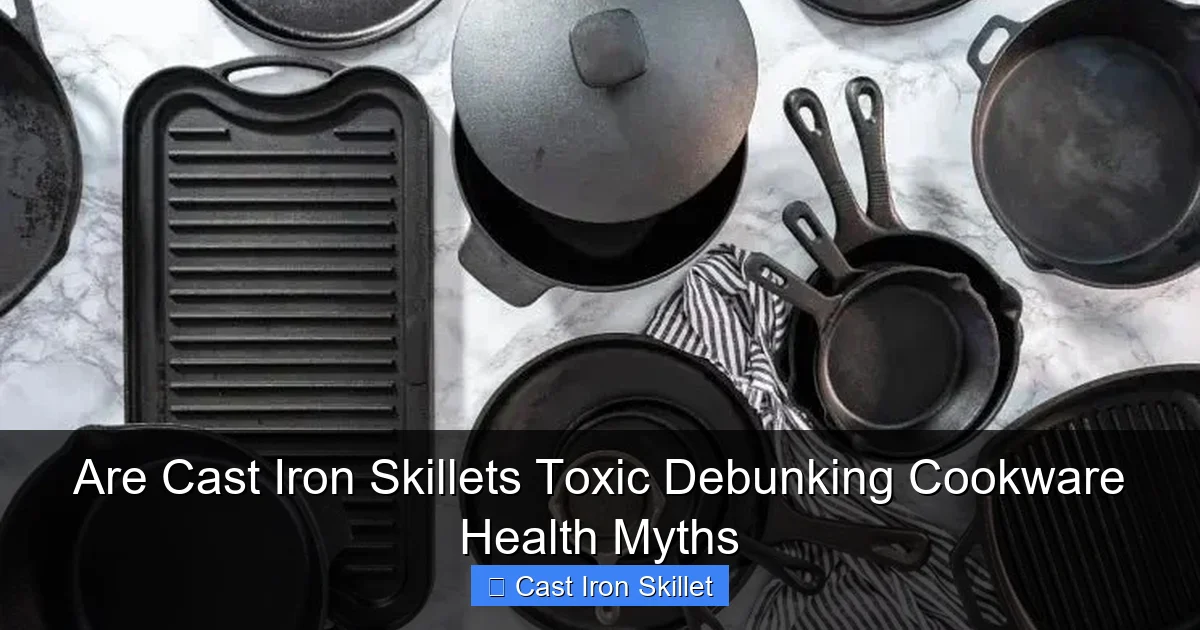
Visual guide about Are Cast Iron Skillets Toxic Debunking Cookware Health Myths
Image source: macclite.com
The Iron Leaching Confusion
Yes, cast iron releases iron into your food. But here’s what the fear-mongers won’t tell you: this is a good thing. Iron is an essential mineral your body needs. The amount that leaches into food is small and actually helps prevent iron deficiency. You’d have to eat massive amounts of food cooked in cast iron to reach toxic levels.
Seasoning Is Not Chemical Warfare
Some people worry that the seasoning process creates harmful compounds. The truth? Seasoning is just oil heated until it polymerizes. This creates a hard, non-stick surface that’s completely inert and safe. It’s similar to what happens when you bake a cake—heat transforms oil into something new and stable.
Rust Is the Real Enemy
The only real safety concern with cast iron is rust. Rusty cast iron can affect taste and isn’t pleasant to cook with. But it’s not toxic in the sense of poisoning you. It’s just iron oxide, the same thing that makes rocks red. Still, you’ll want to avoid it for the best cooking experience.
How Seasoning Creates a Non-Toxic Surface
Seasoning is the magic that makes cast iron safe and non-stick. Think of it as building a protective shield between your food and the raw iron.
Visual guide about Are Cast Iron Skillets Toxic Debunking Cookware Health Myths
Image source: corelle.co.in
The Science Behind Seasoning
When you heat oil on cast iron, the fatty acids in the oil bond with the iron surface. This creates a polymerized layer—basically a plastic-like coating made from natural oil. This layer is:
- Completely inert and won’t react with food
- Naturally non-stick when properly maintained
- Resistant to rust and corrosion
- Safe up to very high temperatures
Choosing the Right Oil for Seasoning
Not all oils are created equal for seasoning. You want oils with high smoke points and low levels of unsaturated fats. Here are the best options:
- Flaxseed oil: Creates a hard, durable seasoning layer
- Vegetable shortening: Classic choice, very effective
- Canola oil: Good all-purpose option
- Crisco: Traditional and reliable
Avoid olive oil and butter for seasoning. They have low smoke points and can leave sticky residues.
Step-by-Step Seasoning Process
Follow these steps to create a non-toxic, non-stick surface:
Step 1: Clean your skillet. Wash with warm water and mild soap. Scrub away any rust or debris. Dry thoroughly with a towel.
Step 2: Apply a thin oil layer. Pour a small amount of oil into the skillet. Use a paper towel to spread it evenly over every surface, inside and out. Make sure you get the handle and bottom too.
Step 3: Remove excess oil. This is crucial. Wipe the skillet with a clean paper towel until it looks dry. You want a barely-there film of oil. Too much oil creates sticky seasoning.
Step 4: Bake upside down. Place your skillet upside down in an oven preheated to 375°F (190°C). Bake for one hour. This allows excess oil to drip off and creates even seasoning.
Step 5: Cool and repeat. Let the skillet cool completely in the oven. Repeat the process 3-5 times for a durable, non-toxic surface.
Managing Iron Leaching in Your Cooking
Iron leaching is natural and usually beneficial. But you might want to manage it for certain dishes or dietary needs.
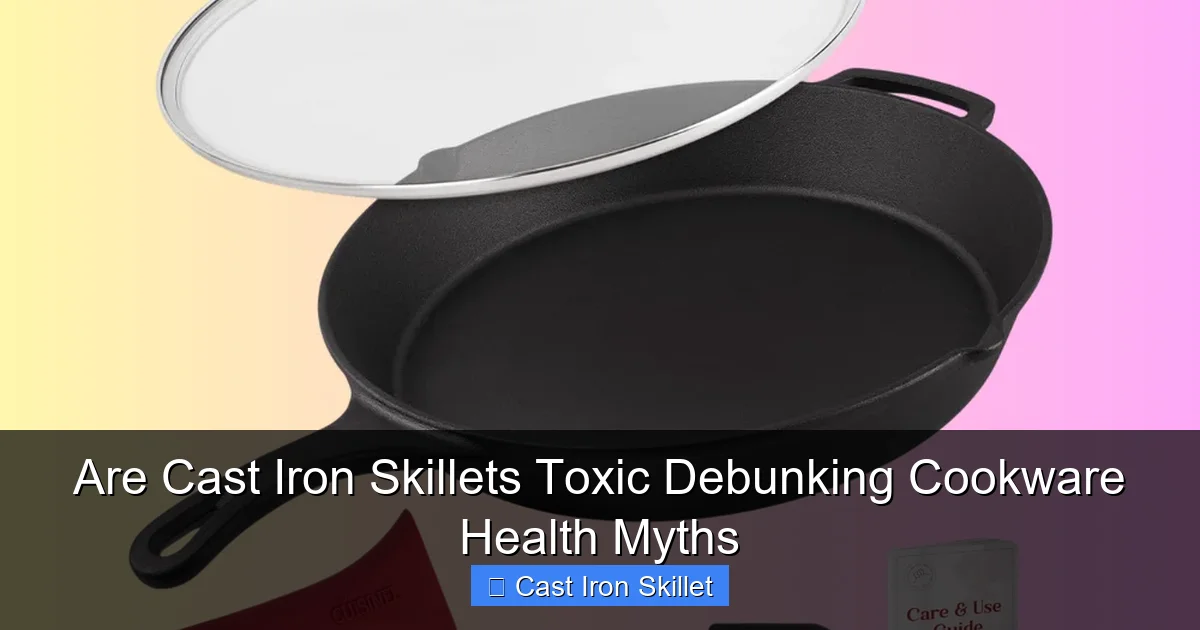
Visual guide about Are Cast Iron Skillets Toxic Debunking Cookware Health Myths
Image source: vegnews.com
How Much Iron Actually Leaches?
Studies show that cast iron can transfer anywhere from 1-10 mg of iron to your food, depending on:
- Type of food (acidic foods leach more)
- Cooking time (longer cooking = more leaching)
- Age of seasoning (new seasoning leaches less)
- Food composition (moist foods leach more)
For context, the recommended daily iron intake is 18 mg for women and 8 mg for men. You’d need to eat a lot of cast-iron-cooked food to reach toxic levels (which are over 20 mg per kg of body weight).
When Iron Leaching Is Beneficial
If you or your family members have iron deficiency, cooking in cast iron can help. The iron from cast iron is heme iron, which your body absorbs easily. People with anemia often see improvements when they use cast iron regularly.
When to Limit Iron Transfer
You might want to minimize iron leaching for:
- Highly acidic foods: Tomatoes, wine, citrus
- Long-simmered dishes: Bolognese sauces, stocks
- People with hemochromatosis: A condition causing iron overload
To reduce leaching, simply avoid cooking acidic foods for long periods in cast iron. Use your stainless steel or enameled cookware for those recipes instead.
Daily Use and Maintenance for Non-Toxic Cooking
Keeping your cast iron safe is easier than you think. A few simple habits will maintain that protective seasoning layer.
Cleaning After Cooking
Never soak your cast iron. Soaking can cause rust and damage seasoning. Instead, clean immediately after cooking while the pan is still warm.
Use hot water and a brush. Rinse under hot water and scrub with a stiff brush or sponge. Avoid soap when possible, but a small amount of mild soap is fine if needed.
Never put cast iron in the dishwasher. Dishwashers strip seasoning and expose iron to water, causing rust.
Drying and Oil Storage
Dry immediately and thoroughly. After washing, towel-dry your skillet completely. Then place it on a stovetop over low heat for 2-3 minutes to evaporate any remaining moisture.
Apply a light oil coating. Once dry, rub a thin layer of oil on the cooking surface before storing. This prevents rust during storage.
Store in a dry place. Keep your skillet in a cabinet with low humidity. Don’t stack wet items on top of it.
Re-seasoning When Needed
Even well-maintained cast iron needs occasional re-seasoning. Signs it’s time include:
- Food sticking more than usual
- Dull, gray appearance instead of dark black
- Rusty spots appearing
- White film from moisture buildup
When you see these signs, follow the seasoning steps above. Most skillets only need re-seasoning once or twice a year with normal use.
Debunking Common Cast Iron Safety Myths
Let’s tackle the biggest myths head-on with science and facts.
Myth #1: “Cast Iron Causes Iron Poisoning”
False. Iron poisoning requires consuming massive amounts of iron—usually from supplements, not cookware. You’d need to eat dozens of cast iron skillets worth of iron to reach toxic levels. The iron from cooking is absorbed slowly and safely by your body.
Myth #2: “Seasoning Contains Toxic Chemicals”
False. Seasoning is just polymerized oil. It’s the same chemical process that happens when you bake bread or roast vegetables. The resulting layer is inert, stable, and completely safe for cooking.
Myth #3: “You Should Never Cook Tomatoes in Cast Iron”
Mostly false. While tomatoes are acidic and will leach more iron, a well-seasoned skillet handles them fine for normal cooking times. Just avoid simmering tomato sauce for 6 hours. If you’re concerned, use enameled cast iron for long-cooked acidic dishes.
Myth #4: “Cast Iron Skillets Are Unsafe for Children”
False. Cast iron is perfectly safe for family cooking. The iron leaching can actually help prevent iron deficiency in children. Just ensure your skillet is well-seasoned and properly maintained.
Myth #5: “Rust Means You Have to Throw It Away”
False. Rust is easily removable. Scrub with steel wool or a wire brush, wash, dry, and re-season. Your skillet will be as good as new. Rust only means the iron was exposed to moisture—it doesn’t ruin the pan.
Troubleshooting Common Cast Iron Issues
Even experienced cast iron users run into problems. Here’s how to fix the most common issues safely.
Problem: Sticky Seasoning
Cause: Too much oil was applied during seasoning or temperature was too low.
Solution: Strip the seasoning by baking the skillet upside down at 500°F for an hour. Let it cool, then scrub with steel wool. Start fresh with thin oil layers and proper temperatures.
Problem: Rust Spots
Cause: Moisture exposure, usually from improper drying or storage.
Solution: Scrub rust spots with steel wool or a wire brush until you reach bare metal. Wash, dry thoroughly, and re-season. For light surface rust, use fine steel wool and re-oil.
Problem: Food Tastes Metallic
Cause: New seasoning or cooking highly acidic foods.
Solution: Cook several fatty foods (bacon, burgers) to build up the seasoning. Avoid acidic foods until the seasoning is well-established. If taste persists, strip and re-season.
Problem: White Film or Powder
Cause: Mineral deposits from water or incomplete seasoning.
Solution: Scrub with hot water and a brush. Dry thoroughly and apply a light oil coating. This is harmless but can affect cooking performance.
Problem: Handle Loosening
Cause: Heat expansion and contraction over time.
Solution: Tighten with a screwdriver if possible, or take to a blacksmith for rivet replacement. Never use a loose-handled skillet—it’s a safety hazard.
Choosing the Right Cast Iron for Your Kitchen
Not all cast iron is created equal. Making the right choice ensures maximum safety and performance.
Lodge vs. Vintage vs. Enameled
Lodge cast iron: Modern, pre-seasoned, affordable. Ready to use after a quick wash and light seasoning. Great for beginners.
Vintage cast iron: Often better quality, smoother cooking surface. May need restoration. Check for cracks and heavy rust before purchasing.
Enameled cast iron: Coated with porcelain enamel. No seasoning needed, perfect for acidic foods. More expensive but very versatile.
Size Matters
Choose skillets that fit your cooking style:
- 6-8 inch: Perfect for single servings, eggs, small meals
- 10-12 inch: The workhorse for family cooking
- 13-15 inch: Great for large batches, frying, searing
Start with a 10-inch skillet. It’s versatile enough for most cooking tasks.
What to Avoid
Stay away from:
- Cast iron with non-stick coatings (defeats the purpose)
- Painted cast iron (paint can chip and contaminate food)
- Cracked or warped skillets (uneven cooking, safety hazard)
- Very cheap, thin cast iron (poor heat retention)
Safe Cooking Practices for Maximum Non-Toxic Performance
How you cook in cast iron affects both safety and longevity.
Preheating Your Skillet
Always preheat your cast iron before adding food. This ensures even cooking and prevents sticking. Heat over medium for 5-10 minutes until a drop of water evaporates on contact.
Using Proper Utensils
Wood, silicone, and plastic utensils are safest for seasoning. Metal utensils are fine but can scratch seasoning over time. Avoid abrasive scrubbers on the cooking surface.
Temperature Management
Cast iron retains heat extremely well. Start with medium heat—you rarely need high heat. Too much heat can damage seasoning and cause food to burn.
Fat Management
Cast iron needs fat for non-stick performance. Always add a small amount of oil, butter, or bacon grease before cooking. This protects the seasoning and prevents sticking.
Avoiding Thermal Shock
Never plunge a hot cast iron skillet into cold water. This can cause warping or cracking. Let it cool naturally, then clean with warm water.
Environmental and Health Benefits of Cast Iron
Using cast iron isn’t just safe—it’s good for you and the planet.
No Forever Chemicals
Unlike Teflon and other non-stick coatings, cast iron contains no PFAS chemicals that persist in the environment and your body. It’s completely natural and inert when seasoned properly.
Built to Last Generations
A cast iron skillet can last 100+ years with proper care. This reduces waste compared to disposable cookware. You’re not just buying a pan—you’re investing in a family heirloom.
Iron Supplementation
Regular use of cast iron can increase your dietary iron intake naturally. This is especially beneficial for vegetarians and people with iron-deficiency anemia.
Energy Efficient
Cast iron’s heat retention means you can cook with lower temperatures, saving energy. It works great on induction, gas, electric, and even campfires.
Conclusion: Cast Iron Is Your Kitchen’s Safest Choice
The myth that cast iron skillets are toxic is just that—a myth. With proper seasoning and maintenance, cast iron is one of the safest, most natural cookware options available. It contains no harmful chemicals, creates a natural non-stick surface, and can even improve your iron intake.
The key is understanding how to care for your skillet. Season it properly, clean it correctly, and store it dry. When you do this, your cast iron will serve you safely for decades.
Stop worrying about toxicity and start enjoying the superior cooking performance of cast iron. Your health, your taste buds, and the environment will thank you.
🎥 Related Video: 5 Things that will Ruin your Cast Iron Skillet!
📺 Cooking At Pam’s Place
5 Things that will Ruin your cast iron skillet Subscribe if you own a cast iron skillet Come with me I’ll show you what to do!
