
Ultimate Non Toxic Rice Cooker Buying Guide For 2024

Choosing a non toxic rice cooker protects your family from harmful chemicals like PFAS and BPA often found in traditional non-stick coatings. This guide reveals the safest materials, key features to prioritize, and top recommendations for 2024. Learn how to cook rice that’s not only perfectly fluffy but also truly healthy and chemical-free.
Key Takeaways
- Ceramic is the gold standard: Pure ceramic inner pots offer completely inert, non-reactive cooking without PFAS or PFOA chemicals.
- Stainless steel is a safe runner-up: High-quality 304 stainless steel provides durable, non-toxic cooking, especially for brown rice and grains.
- Avoid traditional non-stick coatings: Most conventional rice cookers use PFAS-based coatings that degrade and leach chemicals into food over time.
- Check ALL components: Toxins can hide in lids, seals, or outer casings – ensure every part touching food is non-toxic certified.
- Size matters for safety: Choose the right capacity (e.g., 3-cup for singles, 8-cup for families) to prevent overcooking and potential material stress.
- Simplicity enhances safety: Fewer electronic components and complex linings reduce potential chemical exposure points.
- Proper care extends safety: Hand-washing ceramic or stainless steel preserves their non-toxic properties far longer than dishwasher use.
Why a Non Toxic Rice Cooker Isn’t Just Hype (It’s Essential)
You trust your rice cooker to deliver comforting, ready-to-eat meals with minimal effort. But that convenient appliance might be quietly compromising your health. Many conventional rice cookers rely on non-stick coatings containing PFAS (per- and polyfluoroalkyl substances), often called “forever chemicals.” These compounds resist heat and stains but don’t break down easily in the environment or your body. Studies link PFAS exposure to serious health concerns, including hormone disruption, immune system issues, and certain cancers. Additionally, some cheaper models use plastics containing BPA or phthalates in lids or seals, which can leach into food, especially when heated. Cooking rice – a staple often prepared multiple times a week – in such appliances means regular, low-level exposure to these toxins. Choosing a truly non toxic rice cooker isn’t just a trend; it’s a critical step towards reducing your family’s chemical burden and ensuring the food you serve is as pure as possible. This guide cuts through the marketing noise to help you find a genuinely safe, effective, and reliable rice cooker for 2024.
Decoding the Materials: What Makes a Rice Cooker Truly Non Toxic?
Not all “non-stick” or “healthy” claims mean the same thing. Understanding the materials used in the inner cooking pot and all food-contact parts is paramount. Here’s your material breakdown:
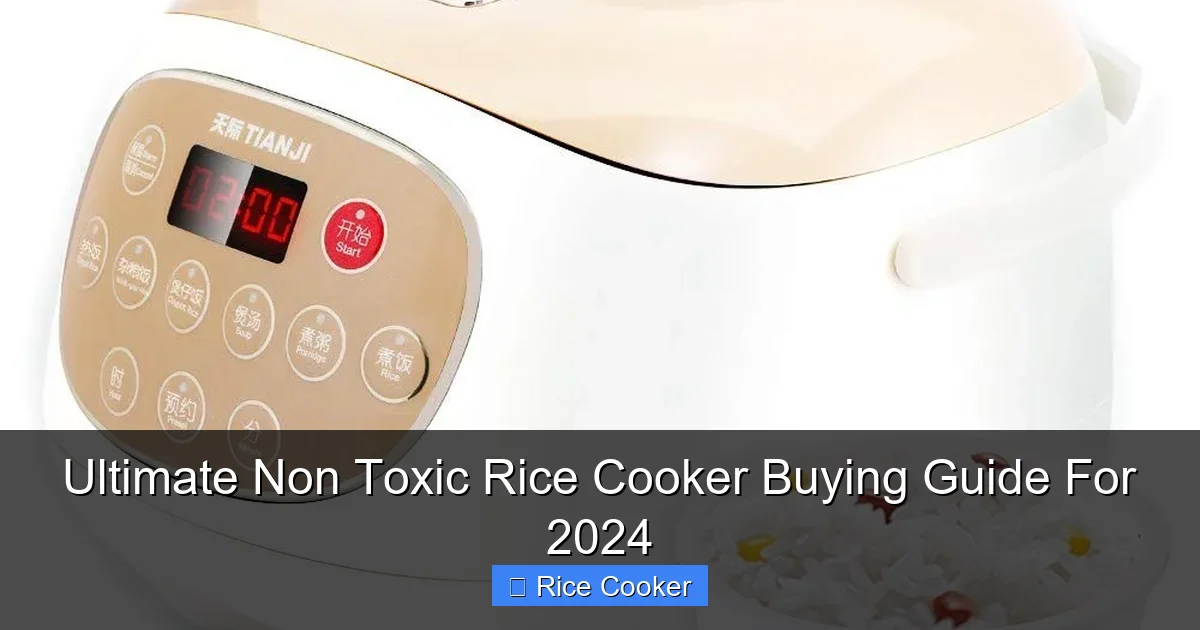
Visual guide about Ultimate Non Toxic Rice Cooker Buying Guide For 2024
Image source: simplendelight.com
Ceramic: The Purest Choice
Ceramic-coated or solid ceramic inner pots are the top recommendation for non toxic cooking. Made from natural sand and clay, fired at high temperatures, pure ceramic is completely inert. This means it won’t react with acidic foods (like tomato-based dishes or vinegar-seasoned rice), won’t leach metals, and contains absolutely no PFAS, PFOA, or other synthetic chemicals. Look for brands specifying “100% ceramic” or “pure ceramic” – not just a ceramic-infused spray over metal. While excellent for health, ceramic can be slightly more fragile than metal and may require gentle hand-washing. It heats evenly and retains heat well, perfect for keeping rice warm without scorching. For versatile cooking beyond rice, consider models that also handle grains like quinoa or even steaming vegetables safely.
Stainless Steel: Durable and Reliable
High-quality stainless steel, specifically 304 food-grade stainless steel, is another excellent non toxic option. It’s non-reactive, meaning it won’t impart metallic flavors or leach harmful substances into your rice, even when cooking for extended periods. Stainless steel is incredibly durable, scratch-resistant, and often lasts decades with proper care. It’s generally dishwasher safe (check manufacturer instructions) and handles high heat beautifully, making it ideal for cooking brown rice or other whole grains that require longer cycles. Avoid models with thin, low-grade stainless steel or those with aluminum cores sandwiched between layers (unless explicitly stated as encapsulated and non-contact with food). Ensure the stainless steel pot is the primary cooking surface, not just a liner under a non-stick coating.
Cast Iron: Traditional and Toxin-Free (With Caveats)
Enameled cast iron rice cookers are a solid non toxic choice. The enamel coating (glass fused to metal) creates a non-reactive, non-stick surface that’s free from PFAS and PFOA. Un enameled cast iron can react with acidic foods, but for plain rice cooking, it’s generally safe once well-seasoned. However, dedicated rice cookers using cast iron are less common. The main drawback is significant weight and slower heating compared to ceramic or stainless steel. If you find a reputable enameled cast iron rice cooker, it’s a durable, chemical-free option, but be prepared for a heavier appliance.
What to AVOID: The Toxic Traps
Steer clear of rice cookers primarily featuring “non-stick” coatings without explicit details. Terms like “Teflon,” “PFOA-Free” (which often just means replaced with another PFAS chemical), or vague “ceramic-infused” sprays over aluminum are major red flags. These coatings degrade over time, especially with high heat and acidic ingredients, flaking microscopic particles into your food. Cheap plastics in lids, measuring cups, or steam vents can also contain BPA or phthalates that leach when heated. Always verify the material of *every* component that touches food during cooking or serving.
Beyond the Pot: Critical Features for a Safe & Effective Non Toxic Rice Cooker
The inner pot material is crucial, but other features significantly impact safety, performance, and convenience. Don’t overlook these:
Visual guide about Ultimate Non Toxic Rice Cooker Buying Guide For 2024
Image source: simplendelight.com
Capacity: Match Size to Your Needs
Choosing the right size prevents waste and ensures even cooking. A cooker too large for your needs can lead to rice sticking or burning at the bottom due to insufficient water-to-rice ratio. Conversely, overfilling a small cooker risks boil-overs and uneven results. Consider your household:
- 1-2 people: A 3-cup (uncooked rice) model is usually sufficient.
- 3-4 people: Opt for a 5-6 cup model.
- 5+ people or meal prepping: Choose an 8-cup or larger capacity.
Remember, “cup” ratings refer to uncooked rice. A 5-cup cooker yields roughly 10 cups of cooked rice. Selecting the appropriate size minimizes stress on the heating element and materials, contributing to longevity and consistent safety.
Lid Design and Seals: Sealing in Safety
The lid must seal effectively to trap steam for proper rice cooking, but the materials matter immensely. Prioritize:
- Glass lids: Allow you to monitor cooking without releasing steam. Ensure the glass is tempered and the handle is heat-resistant.
- Stainless steel lids: Durable and non-toxic, but you can’t see inside.
- Avoid plastic lids: Especially thin or low-quality plastics that can warp, melt, or leach chemicals when exposed to steam and heat.
Check the steam vent and gasket (seal). These should be made of high-heat, food-safe silicone, not cheap rubber that degrades quickly. A well-designed vent prevents dangerous pressure buildup without spewing steam.
Heating Mechanism: Consistent and Controlled
Look for models with:
- Fuzzy Logic or Advanced Microcomputer Control: These sensors adjust heat precisely throughout the cooking cycle, preventing scorching and ensuring perfect results for different rice types (white, brown, sushi, etc.). This precision also reduces unnecessary high-heat stress on the pot material.
- Keep-Warm Function: Essential for convenience. Ensure it cycles on and off gently to avoid overcooking or drying out the rice, which could potentially stress materials if left too long on high heat.
- Delay Timer: Handy for meal prep, but ensure the materials used in the timer mechanism are also non-toxic and reliable over time.
Avoid overly simplistic single-switch cookers, as they offer less control and are more prone to burning, especially with brown rice or larger batches.
Ease of Cleaning: Preserving Your Investment
Non toxic materials require proper care to maintain their safety and longevity.
- Removable inner pot: Non-negotiable. You need easy access for thorough cleaning.
- Dishwasher safe (pot only): While convenient, hand-washing is always best for ceramic and stainless steel to preserve the surface. Check the manufacturer’s specific instructions. Avoid abrasive scrubbers on ceramic.
- Non-porous surfaces: Ceramic and stainless steel resist staining and odor absorption better than degraded non-stick coatings.
Easy cleaning encourages proper maintenance, preventing the buildup of residues that could potentially harbor bacteria or degrade materials over time.
Your Step-by-Step Non Toxic Rice Cooker Shopping Checklist
Ready to buy? Follow this simple checklist to ensure you get the safest, most effective non toxic rice cooker:
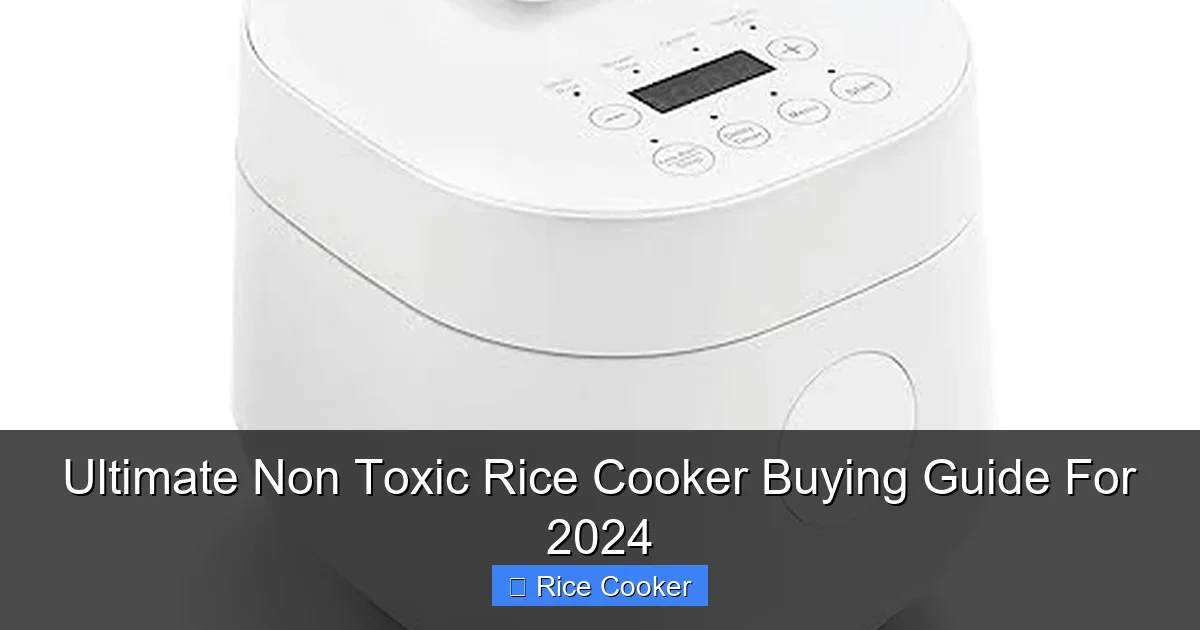
Visual guide about Ultimate Non Toxic Rice Cooker Buying Guide For 2024
Image source: m.media-amazon.com
Step 1: Prioritize the Inner Pot Material
Confirm it’s either 100% pure ceramic or high-quality 304 food-grade stainless steel. Demand clear specifications from the manufacturer – don’t rely on vague marketing terms. If it says “ceramic coating” or “PFOA-free non-stick,” dig deeper or move on.
Step 2: Verify ALL Food-Contact Parts
Check the lid material (glass or stainless steel preferred), steam vent, gasket, measuring cup, and rice paddle. These should be food-safe silicone, stainless steel, bamboo, or ceramic – never cheap plastic that contacts hot food or steam. Reputable brands list these details.
Step 3: Choose the Right Capacity
Be realistic about your typical rice consumption. Refer to the capacity section above. Buying slightly larger than your absolute minimum need provides flexibility without sacrificing performance.
Step 4: Assess Key Features
Ensure it has at least a reliable keep-warm function. Fuzzy logic/microcomputer control is highly recommended for versatility and preventing burns. Consider if a delay timer or specific grain settings (for brown rice, porridge) are important for your lifestyle.
Step 5: Research the Brand and Reviews
Stick with reputable brands known for quality and transparency. Read customer reviews specifically mentioning long-term durability, ease of cleaning, and any concerns about materials or performance over time. Look for third-party safety certifications if available (though less common for materials like ceramic/stainless).
Step 6: Consider Your Budget (Wisely)
Truly non toxic rice cookers often cost more upfront (typically $60-$150+) than cheap non-stick models. View this as an investment in your long-term health and a durable appliance. A quality ceramic or stainless steel cooker can easily last 5-10 years or more with proper care, making it cost-effective over time compared to replacing flaking non-stick models every 1-2 years.
Using and Caring for Your Non Toxic Rice Cooker: Maximizing Safety & Longevity
Owning a safe cooker is just the first step. Proper use and maintenance are crucial:
First Use: Seasoning (Especially for Ceramic)
Wash the inner pot gently with warm water and mild soap (avoid harsh detergents). Rinse thoroughly. For ceramic pots, some manufacturers recommend a “seasoning” step: cook a small batch of plain rice (follow manual) and let it sit for 10-15 minutes before rinsing. This helps fill microscopic pores. Always follow the specific instructions in your user manual.
Daily Cooking: Best Practices
Always use the provided measuring cup (usually 180ml) and follow the water-to-rice ratios in your manual. Different rice types need different water – consult our guide on types of rice and best uses for perfect ratios every time. Avoid adding excessive amounts of oil or butter initially; if needed, add a small amount of a healthy cooking oil like avocado or ghee after cooking or use per your recipe. Never use metal utensils directly in the pot; opt for wood, silicone, or the provided plastic paddle.
Cleaning: Handle with Care
Allow the cooker to cool completely before cleaning. Hand-wash the inner pot with a soft sponge and mild detergent. Avoid steel wool or abrasive cleaners on ceramic, as they can scratch the surface. For stainless steel, avoid harsh chlorine-based cleaners. Dry thoroughly before reinserting. Wipe the lid and exterior with a damp cloth; avoid submerging the main unit. Never put the main heating unit in water.
Troubleshooting Common Issues
Rice is sticky or gummy: Usually too much water or insufficient rinsing of rice before cooking. Measure water carefully and rinse rice until water runs clear. Rice is undercooked or crunchy: Not enough water or incorrect setting for the rice type (e.g., using white rice setting for brown rice). Double-check water ratios and use the correct setting. Rice is burnt on the bottom: Often caused by insufficient water, a faulty thermostat, or using the cooker on a very high external heat source (it should be used on its own base). Ensure correct water levels and avoid moving the inner pot to stovetop burners. Pot is discolored (stainless steel): This is usually harmless mineral deposits from water. Soak with warm water and baking soda, then gently scrub. Avoid bleach.
Conclusion: Cook with Confidence in 2024
Choosing a non toxic rice cooker is a powerful, proactive decision for your family’s health. By prioritizing pure ceramic or high-grade stainless steel inner pots, verifying all food-contact materials, and selecting the right features for your needs, you eliminate a significant source of unnecessary chemical exposure from your daily routine. The peace of mind knowing your rice – a fundamental food – is cooked safely and purely is invaluable. Remember, the safest cooker is one that’s well-maintained. Follow the care instructions diligently to preserve its non-toxic properties for years to come. Ditch the questionable coatings and embrace the simplicity and purity of truly safe rice cooking. Your body, and your taste buds, will thank you. Start your search with confidence using the checklist and knowledge from this guide – your journey to healthier, chemical-free meals begins with the perfect non toxic rice cooker.
🎥 Related Video: The Best Rice Cookers
📺 America’s Test Kitchen
With so many options on the market, which one is best? We cooked 50 batches of rice to find out. Equipment expert Adam Ried …
