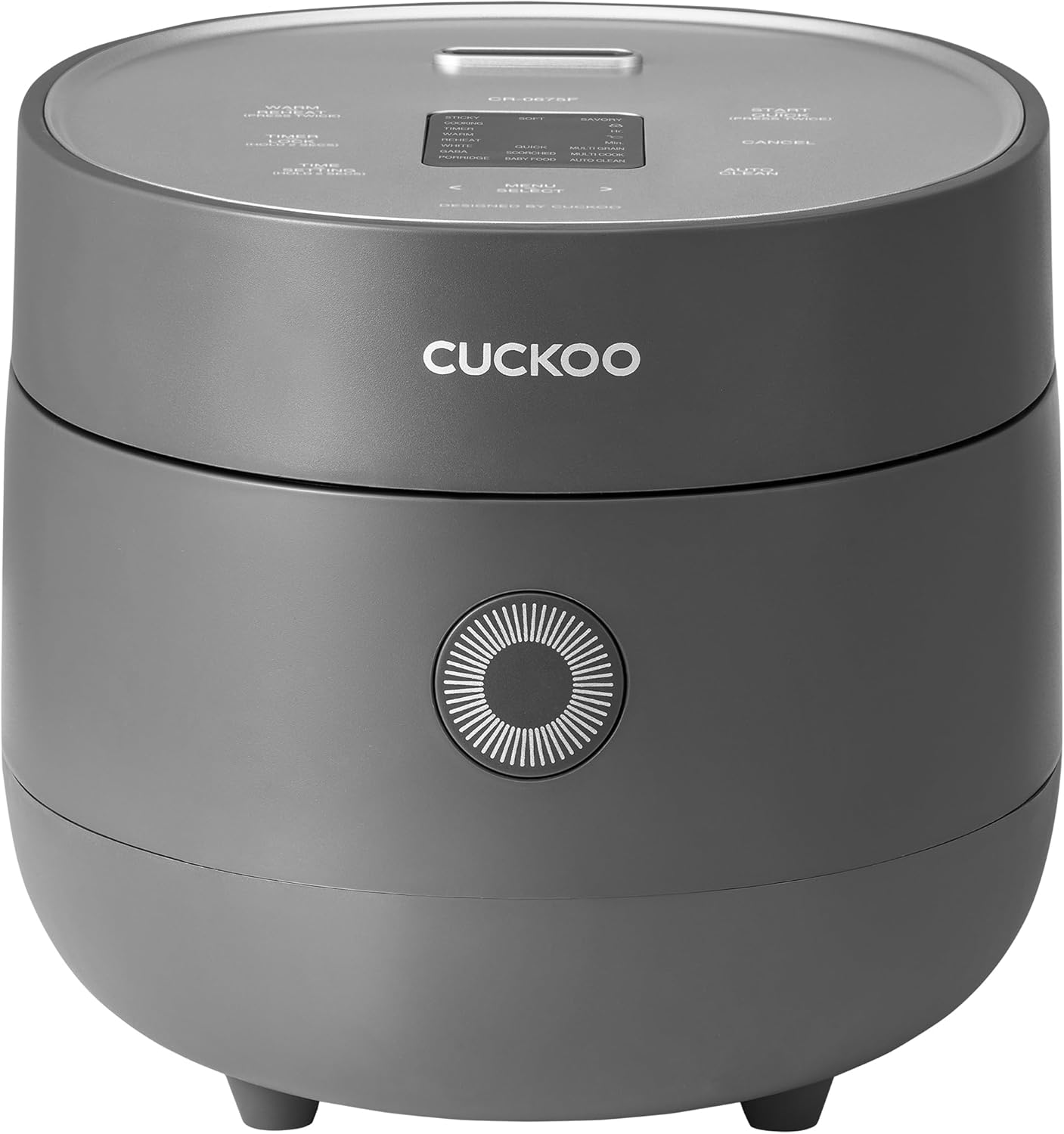
Where Did Rice Cooker Originate From Ancient Asia To Your Kitchen

From ancient clay pots to smart kitchen appliances, the rice cooker’s journey spans over 4,000 years. This guide explores how Asian innovation transformed simple cooking vessels into the electric rice cookers we rely on today. Discover the cultural significance and technological evolution that made rice cookers a global kitchen essential.
Key Takeaways
- Ancient Origins: Rice cookers trace back to 4000 BCE with clay pots and steam baskets in China and Japan
- Electric Breakthrough: The first electric rice cooker debuted in Japan in 1923, revolutionizing home cooking
- Post-War Innovation: Japanese companies perfected automatic shut-off technology in the 1950s
- Global Adoption: Rice cookers spread worldwide, adapting to different cuisines and kitchen needs
- Smart Technology: Modern rice cookers feature AI, Wi-Fi, and multiple cooking functions
- Cultural Impact: The appliance remains central to Asian households while gaining popularity globally
Where Did Rice Cooker Originate: A Journey Through Time
You probably use it weekly. Maybe even daily. That humble rice cooker sitting on your counter has a story longer than your family tree. Today we’re answering the question: where did the rice cooker originate? Grab your favorite beverage and let’s travel back 4,000 years.
This guide will walk you through every major step. From ancient clay pots to modern smart devices. You’ll see how culture shaped technology. And how one simple idea changed kitchens worldwide. By the end, you’ll look at your rice cooker differently.
Ancient Beginnings: The Birth of Rice Cooking
The rice cooker origin story starts with rice itself. Ancient people needed ways to cook this precious grain. They created clever solutions using what they had.

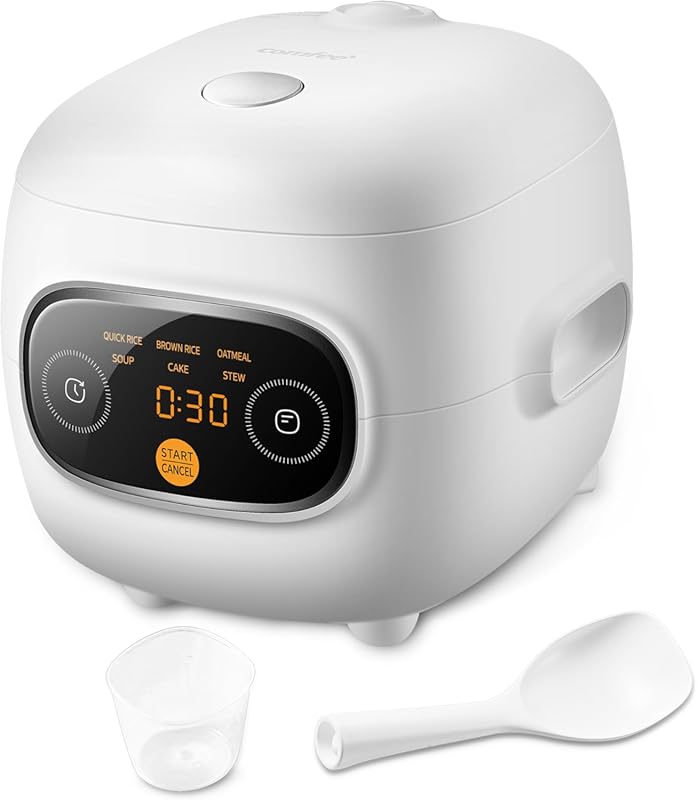
Visual guide about Where Did Rice Cooker Originate From Ancient Asia To Your Kitchen
Image source: preppykitchentips.com
Rice as a Staple Food
Long before electricity, rice fed empires. Ancient Chinese records mention rice farming around 2000 BCE. But cooking it was tricky. Rice needs exact water and heat control. Too much water? Mushy mess. Too little? Hard, uncooked kernels.
Early cooks discovered something important. Steam cooks rice perfectly. This simple idea led to the first rice cooking vessels. They used clay, bamboo, and even bronze.
Early Clay and Bronze Vessels
Archaeologists found ancient clay pots in China. These date back to 4000 BCE. They had tight-fitting lids. The design trapped steam. This created the first “rice cookers” in history.
In Japan, cooks used kamado stoves. These were clay ovens. They placed iron pots inside. The method worked well but took hours. Fire management was constant.
These early tools weren’t called rice cookers. But they did the same job. They controlled heat and moisture. They turned hard grains into fluffy rice. The concept was born.
The Evolution Through Dynasties
As civilizations grew, so did cooking technology. Different cultures added their own twists.

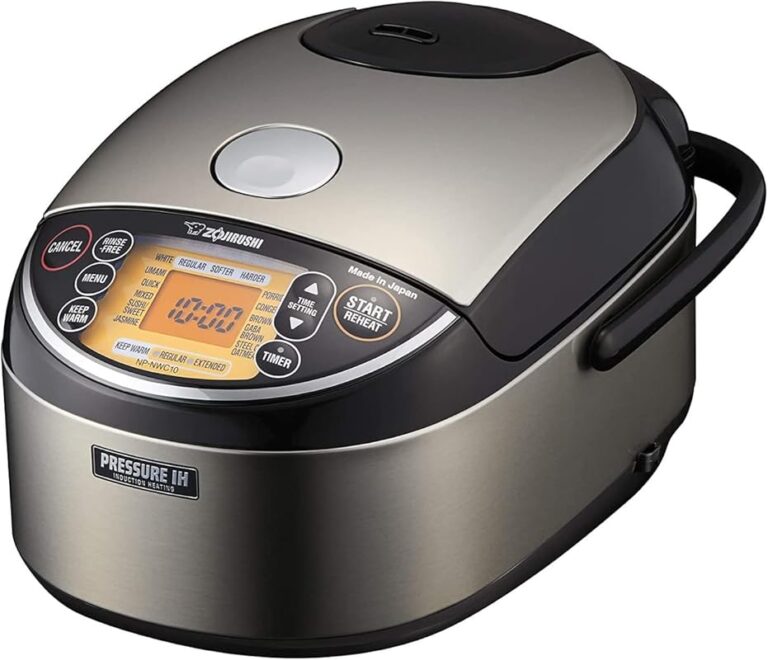
Visual guide about Where Did Rice Cooker Originate From Ancient Asia To Your Kitchen
Image source: ricecookerjunkie.com
Chinese Innovations
Chinese engineers created the bamboo steamer. This sat inside a wok. The design allowed multiple foods to cook at once. Rice steamed on top. Meat or vegetables cooked below.
During the Song Dynasty (960-1279 CE), specialized rice pots appeared. These had measurement marks. Cooks knew exactly how much water to add. This was revolutionary. It removed the guesswork.
The Chinese also developed bronze steamers. These were expensive. Only wealthy families owned them. But the design principles spread. They influenced cooking across Asia.
Japanese Adaptations
Japanese cooks perfected the art. They created the kama. This was a cast iron pot. It had a tight lid. The design focused on even heating.
Japanese culture elevated rice to sacred status. Every grain mattered. Cooking methods became precise. They developed soaking techniques. They timed steaming periods perfectly.
These traditional methods still exist today. Modern rice cookers automate what these masters did by hand. The principles remain the same. Control heat. Control steam. Remove the guesswork.
The Electric Revolution
The rice cooker origin story changes forever here. Electricity enters the picture. This is when your countertop appliance truly appears.

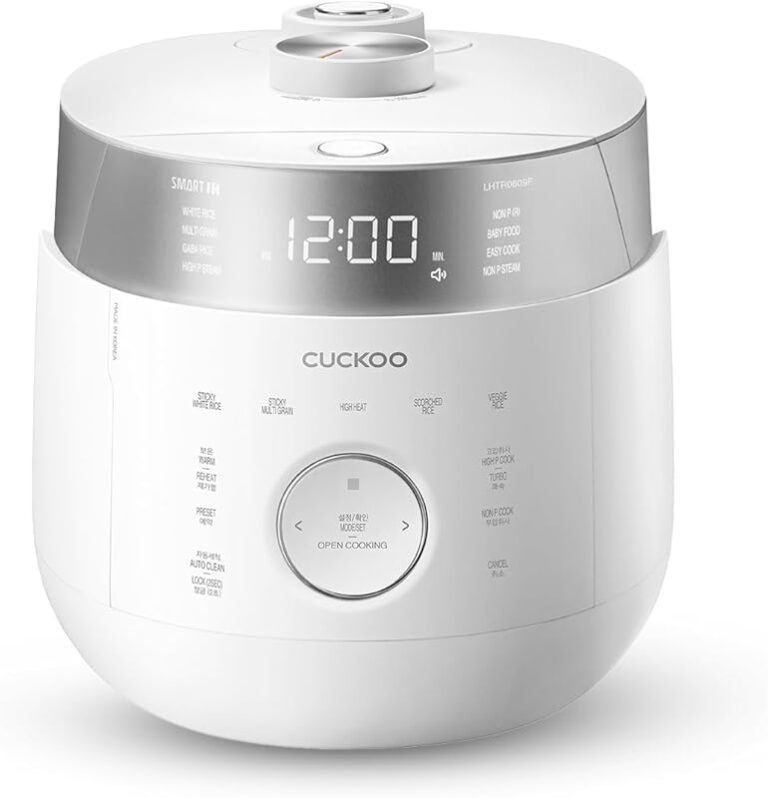
Visual guide about Where Did Rice Cooker Originate From Ancient Asia To Your Kitchen
Image source: expertreviewsbestricecooker.com
Post-WWII Japan
After World War II, Japan rebuilt quickly. Homes got electricity. Manufacturers looked for new appliance ideas. Rice was central to Japanese life. An electric rice cooker seemed perfect.
Early attempts were simple. They had heating elements. But no automatic controls. You had to watch them constantly. Forgetting meant burnt rice. Or worse, kitchen fires.
Companies competed fiercely. They wanted to solve this problem. The race was on to create a “set it and forget it” rice cooker.
The First Electric Models
In 1923, Mitsubishi Electric made history. They released the first electric rice cooker. It was basic. But it worked. The device had a heating plate. A simple thermostat turned it off when water evaporated.
These early models were expensive. Not every family could afford them. But they sold well in cities. Urban families loved the convenience.
The real breakthrough came in 1955. Zojirushi Corporation introduced the automatic rice cooker. It had a thermal sensing device. This detected when rice was done. It switched to warm mode automatically.
This was the birth of the modern rice cooker. The technology spread fast. Other companies copied it. Prices dropped. By the 1960s, most Japanese homes had one.
Global Spread and Modernization
Once perfected in Japan, rice cookers went global. Different countries adapted them to local needs.
Adoption in Asia
Korea and China quickly embraced the technology. They modified designs for local rice varieties. Short-grain, long-grain, brown rice—each needed different settings.
In Southeast Asia, rice cookers became essential. Countries like Thailand and Vietnam eat rice at every meal. The appliance saved hours of stove time.
Manufacturers added features for these markets. They created larger capacity models. Families needed to cook more rice at once. The designs kept evolving.
Introduction to the West
American and European cooks were slower to adopt. Rice wasn’t a staple food. But Asian restaurants in the West needed reliable rice. They brought rice cookers with them.
In the 1970s, Japanese companies marketed to Western homes. They showed how rice cookers could make perfect rice. They highlighted other uses too. You could steam vegetables. You could cook oatmeal.
Slowly, Western kitchens opened up. Health trends helped. Brown rice and quinoa became popular. Rice cookers handled these grains perfectly. Sales grew steadily.
Today, you find rice cookers in most Western homes. They’re no longer niche appliances. They’re mainstream kitchen tools.
Contemporary Rice Cookers
The rice cooker origin story continues with smart technology. Modern devices do far more than cook rice.
Smart Technology
Today’s rice cookers have microprocessors. They adjust cooking time based on rice type. Some models use fuzzy logic. This means they “learn” from each batch.
Wi-Fi enabled rice cookers exist. You can start cooking from your phone. Some sync with smart home systems. Voice commands control them.
These features seem fancy. But they solve real problems. Busy families need flexibility. Smart rice cookers deliver it.
Multi-Functionality
Most rice cookers now have multiple functions. They slow cook. They steam. They make soups and stews. Some bake cakes.
This evolution makes sense. People want versatile appliances. One device replacing many saves counter space. It saves money too.
When choosing a modern rice cooker, think about your needs. Do you just cook rice? Or do you want to expand your cooking options? The market offers both.
Choosing Your Perfect Rice Cooker
Understanding the rice cooker origin helps you choose wisely. You know what features matter. You know what’s truly useful.
Size and Capacity
Rice cookers come in many sizes. Small ones hold 3 cups. Large ones hold 10 cups or more. Think about your household.
A single person needs less capacity. A family of six needs more. Consider how often you cook rice. Frequent cooking means a larger investment makes sense.
Features to Consider
Basic models cook and keep warm. That’s all you need for simple rice. But modern rice cookers offer more.
Look for delayed start timers. These let you set cooking for later. Perfect for busy schedules. Look for multiple grain settings. These handle brown rice, quinoa, and more.
If you love different rice varieties, get a model with specific programs. Each grain needs different water and heat. The right setting makes perfect results every time.
Budget Options
You don’t need to spend a fortune. Basic rice cookers work well. They use simple thermal technology. It’s proven and reliable.
Spend more for convenience features. Fuzzy logic. Multiple settings. Faster cooking. These cost extra but deliver consistent results.
Consider your cooking habits. Occasional users need less. Daily users benefit from advanced features. Choose accordingly.
Troubleshooting Common Issues
Even the best rice cookers have problems sometimes. Knowing the rice cooker origin helps you understand why issues happen. You can fix them faster.
Burnt Rice
Burnt rice usually means too little water. Or the heat was too high. Check your measurements. Use the cup that came with your cooker. It’s calibrated for the device.
Older rice cookers may have worn thermostats. These don’t switch to warm mode properly. If yours is old, consider replacing it. Modern units are more reliable.
Undercooked Rice
Hard rice needs more water or more time. Different rice varieties need different amounts. Brown rice needs more water than white rice.
Check your rice cooker’s manual. It should have water charts. Follow them closely. If problems continue, the heating element may be weak. Or the thermostat may be faulty.
For perfect rice every time, try our guide on how to cook rice perfectly. It covers measurements, soaking times, and troubleshooting tips.
Cleaning and Maintenance
Always clean the inner pot after use. Don’t let rice stick and burn. Most pots have non-stick coating. Use soft utensils to protect it.
Wipe the heating plate gently. Don’t scratch it. Check the steam vent regularly. Food particles can clog it. This affects cooking performance.
Regular maintenance extends your rice cooker’s life. A clean unit works better. It also prevents burnt flavors from old food residue.
Conclusion: From Ancient Pots to Smart Kitchens
The rice cooker origin story is amazing. It starts with ancient cooks solving a simple problem. It ends with smart devices that cook perfect rice at voice command.
Four thousand years of innovation brought us here. Each culture added something valuable. The Japanese perfected the electric version. The world embraced it.
Today’s rice cookers do more than cook rice. They steam vegetables. They make soups. They bake cakes. They connect to your phone. But the core idea remains unchanged. Control heat. Control steam. Make perfect rice.
Next time you press the start button, remember the journey. Ancient clay pots led to this moment. You’re part of a long tradition. One that spans continents and millennia.
Whether you own a basic model or a smart cooker, you’re using technology with deep roots. The rice cooker origin teaches us that good ideas endure. They evolve. They improve. They become essential.
Your kitchen holds a piece of history. Treat it well. It will serve you for years. And maybe inspire you to create new traditions of your own.
Recipe Inspiration
Now that you know your rice cooker’s history, put it to work! Try making a simple easy rice and beans recipe. It’s perfect for beginners and uses your rice cooker’s full potential. You’ll see why this appliance became so beloved across generations.