
Does Cast Iron Skillet Cause Cancer The Surprising Truth

Cast iron skillets do not cause cancer when properly seasoned and maintained. The seasoning process creates a safe, non-stick surface that prevents iron from leaching into food. While cast iron can increase dietary iron intake, this is beneficial for most people and not linked to cancer development.
Key Takeaways
- Cast iron skillets are safe: Properly seasoned cast iron cookware poses no cancer risk and is recognized as safe by health organizations.
- Seasoning creates protection: The seasoning process forms a polymerized layer that prevents iron from leaching into your food.
- Iron leaching is minimal: Only trace amounts of iron transfer to food, mostly when cooking acidic foods in unseasoned pans.
- Beneficial iron intake: The iron from cast iron cookware can actually help prevent iron-deficiency anemia in many people.
- Maintenance matters: Regular cleaning and re-seasoning keep your skillet safe and effective for decades.
- Avoid overheating: Excessive heat can damage seasoning and potentially create harmful compounds, but this is easily preventable.
Introduction: Separating Fact from Fear
You’ve probably heard the rumors. Maybe a friend mentioned it, or you read something online that made you pause before reaching for your favorite cast iron skillet. The question “does cast iron skillet cause cancer” has caused unnecessary worry for home cooks everywhere. Let’s put those fears to rest once and for all.
This guide will walk you through the science, explain how cast iron actually works, and show you exactly how to use and maintain your skillet safely. By the end, you’ll understand why cast iron remains one of the healthiest and most durable cooking options available.
The Science Behind Cast Iron and Your Health
How Cast Iron Cookware Works
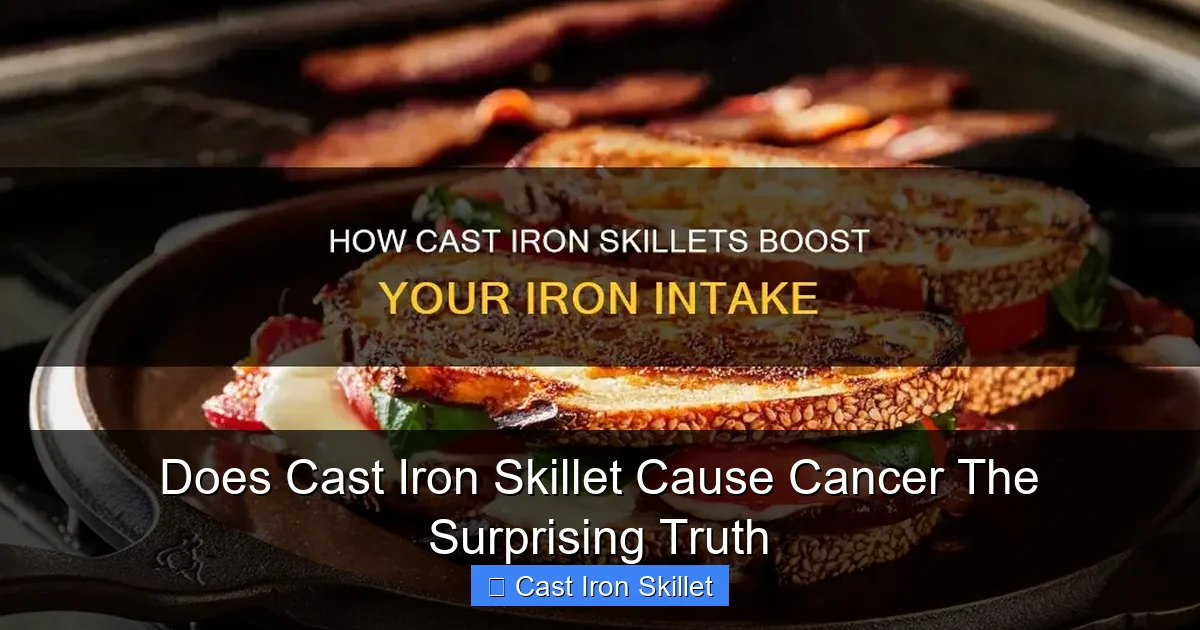
Cast iron skillets are made from, well, cast iron. This material has been used for cooking for centuries. When you heat a cast iron skillet, it retains that heat beautifully and distributes it evenly across the surface. This creates perfect searing and browning without hot spots that can burn your food.
Visual guide about Does Cast Iron Skillet Cause Cancer The Surprising Truth
Image source: shunketo.com
Unlike modern non-stick pans that use chemical coatings, cast iron’s non-stick properties come from a natural process called seasoning. This is simply layers of polymerized oil that bond to the metal surface over time.
Understanding Iron Leaching: The Real Story
Iron leaching is the process where tiny particles of iron transfer from your cookware into your food. This happens with all metal cookware to some degree. With cast iron, the amount is minimal when the pan is properly seasoned.
Studies show that cooking tomatoes (an acidic food) in cast iron can increase iron content by about 2-3 mg per serving. For most people, this is actually a good thing. Many Americans don’t get enough iron from their diets.
The key word here is “properly seasoned.” A well-maintained cast iron skillet has a protective barrier that significantly reduces any iron transfer. Think of it like a shield between the metal and your food.
Where the Cancer Rumors Started
The Misinformation Problem
So where did these cancer concerns come from? The rumors likely started from a misunderstanding of how iron works in our bodies. Some people confuse dietary iron with industrial iron exposure or iron overload conditions.
Visual guide about Does Cast Iron Skillet Cause Cancer The Surprising Truth
Image source: prudentreviews.com
There was a study in the 1990s that looked at iron intake and cancer risk. However, this study focused on people with hemochromatosis—a genetic condition that causes the body to absorb too much iron. For the average person with normal iron metabolism, this research doesn’t apply.
Another source of confusion is the fact that overheated cooking oils can create harmful compounds. This is true for any cookware, not just cast iron. The solution isn’t to avoid cast iron—it’s to avoid burning your oil.
What Health Organizations Say
Major health organizations have weighed in on this topic. The American Cancer Society states that there’s no evidence linking cast iron cookware to cancer. The World Health Organization and FDA both recognize cast iron as safe for food preparation.
Cast iron is actually listed as a preferred cooking material in many nutritional guidelines because of its ability to add trace amounts of dietary iron. This is especially beneficial for women, children, and vegetarians who may struggle to get enough iron from food alone.
Safe Cast Iron Cooking: Best Practices
Proper Seasoning: Your First Line of Defense
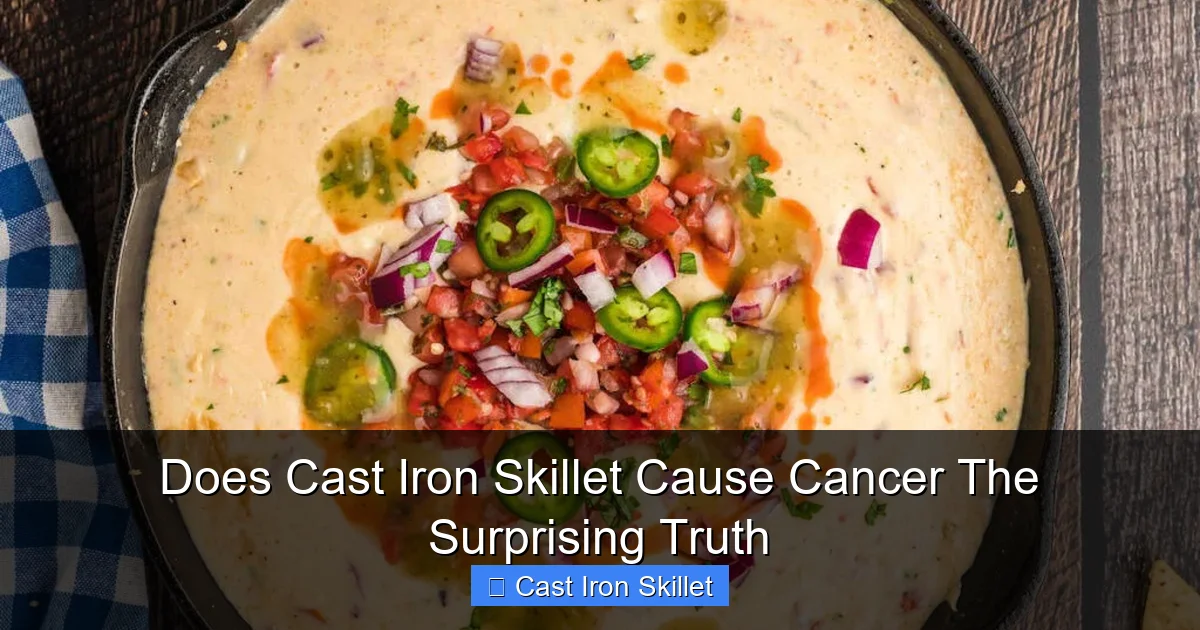
Seasoning is what makes cast iron safe and effective. It’s a simple process that anyone can do at home. When you season your skillet, you’re creating a natural non-stick surface that prevents rust and reduces iron leaching to negligible levels.
Visual guide about Does Cast Iron Skillet Cause Cancer The Surprising Truth
Image source: heartscontentfarmhouse.com
Here’s how to season your cast iron skillet properly:
- Preheat your oven to 375°F (190°C)
- Wash your skillet with warm water and mild soap
- Dry it completely with a towel
- Apply a thin layer of vegetable oil or shortening
- Place it upside down in the oven for one hour
- Let it cool in the oven
- Acidic foods: Tomatoes, wine, citrus—these can break down seasoning over time. It’s fine to cook them, but don’t let them sit in the pan for hours.
- High-moisture foods: These can cause rust if the pan isn’t properly dried afterward.
- Delicate fish: May stick more than other foods, but proper preheating solves this.
Repeat this process 2-3 times when you first get a new skillet, then once every few months for maintenance.
What Foods Are Safe to Cook
You can cook almost anything in a well-seasoned cast iron skillet. However, there are a few considerations:
The key is to always preheat your skillet properly and maintain that seasoning layer.
Temperature Control Matters
Overheating your cast iron can cause problems. When oil gets too hot, it can smoke and create potentially harmful compounds. This is true whether you’re using cast iron, stainless steel, or any other cookware.
To avoid this, heat your skillet gradually. Medium heat is usually sufficient for most cooking tasks. If you need high heat for searing, do it quickly and ensure your kitchen is well-ventilated.
Step-by-Step: Maintaining Your Skillet for Lifelong Safety
Daily Cleaning Routine
After cooking, let your skillet cool slightly but don’t let food dry on it. Use warm water and a stiff brush or sponge to remove food particles. Avoid soap when possible, but a little is fine if needed.
Never put your cast iron in the dishwasher. The harsh detergents and prolonged water exposure will strip the seasoning and cause rust.
After washing, dry your skillet immediately and thoroughly. You can place it on the stove over low heat for a minute or two to ensure all moisture evaporates.
Re-seasoning When Needed
Over time, your seasoning may wear down. You’ll notice food sticking more often or the pan looking dull. This is when it’s time to re-season.
The full seasoning process takes about 2-3 hours. For quick maintenance, you can rub a tiny bit of oil into the surface after each cleaning and heat it briefly. This keeps the protective layer intact between full seasonings.
Storing Your Cast Iron
Store your skillet in a dry place. If you stack pans, place a paper towel between them to absorb any moisture. Some people like to keep a small amount of oil in the pan when storing, but this isn’t necessary if the pan is completely dry.
Never store cast iron with food residue left inside. This can lead to rust and unpleasant odors.
Troubleshooting Common Cast Iron Issues
Problem: Rust Spots Appear
Rust is the most common cast iron problem, but it’s easily fixable. If you see orange spots, don’t panic. Simply scrub the rust off with steel wool or a wire brush, then wash, dry, and re-season the pan thoroughly.
Light surface rust is cosmetic and won’t harm your food. Deep rust that pits the metal means the pan should be retired.
To prevent rust, always dry your pan completely after washing. A light coat of oil helps, but proper drying is more important.
Problem: Food Sticks to the Pan
If food is sticking, your seasoning has likely worn down. This is normal with regular use and easy to fix with a re-seasoning session.
Make sure you’re preheating your pan long enough before adding food. A cast iron skillet needs 5-10 minutes to reach the proper temperature for non-stick cooking.
Using the right amount of oil is crucial. Too little oil will cause sticking, even in a well-seasoned pan. Too much oil can make food greasy.
Problem: The Pan Feels Rough
A rough texture means the seasoning isn’t smooth. This can happen if you use too much oil when seasoning or if the oil wasn’t completely dry before heating.
You can fix this by lightly sanding the surface with fine steel wool, then re-seasoning with a thinner layer of oil. The key is using just enough oil to coat the surface, not pool in the bottom.
Problem: White Film or Cloudiness
A white film usually means soap residue or hard water deposits. Scrub with hot water and a brush, then dry and re-season. Using distilled water for cleaning can prevent this in areas with hard water.
This film won’t harm you, but it can affect cooking performance. A quick re-seasoning restores the pan to perfect condition.
The Health Benefits of Cooking with Cast Iron
Iron: The Essential Nutrient
Iron is a crucial mineral that our bodies need to produce hemoglobin, which carries oxygen in our blood. Many people don’t get enough iron from their diets alone.
Cooking in cast iron can increase your dietary iron intake by small amounts. For someone with iron-deficiency anemia, this can be a simple and effective way to boost iron levels naturally.
Unlike iron supplements, which can cause constipation and other side effects, the iron from cast iron cookware is gentle and easily absorbed by the body.
No Chemical Coatings
Modern non-stick cookware often contains perfluorinated compounds (PFCs) and other chemicals that can break down at high temperatures. These chemicals have been linked to various health concerns.
Cast iron has no chemical coatings whatsoever. What you cook is what you get—just food, not chemicals.
This makes cast iron one of the cleanest cooking options available, especially when properly seasoned and maintained.
Debunking the Most Common Myths
Myth: Cast Iron Causes Cancer
This is the big one, and it’s simply not true. There is no scientific evidence linking cast iron cookware to cancer. The myth likely persists because people confuse cast iron with other materials or misunderstand how iron works in the body.
Iron from food and cookware is processed differently than iron from supplements or industrial exposure. Our bodies have sophisticated systems to regulate iron absorption based on need.
Myth: You Should Never Cook Tomatoes in Cast Iron
While acidic foods can break down seasoning faster, it’s perfectly safe to cook tomatoes in cast iron. Just don’t let them sit for hours, and make sure your seasoning is strong.
Many classic dishes like fried green tomatoes or chicken cacciatore are traditionally cooked in cast iron. The slight increase in iron content is actually beneficial.
Myth: Cast Iron Pans Are Too Heavy
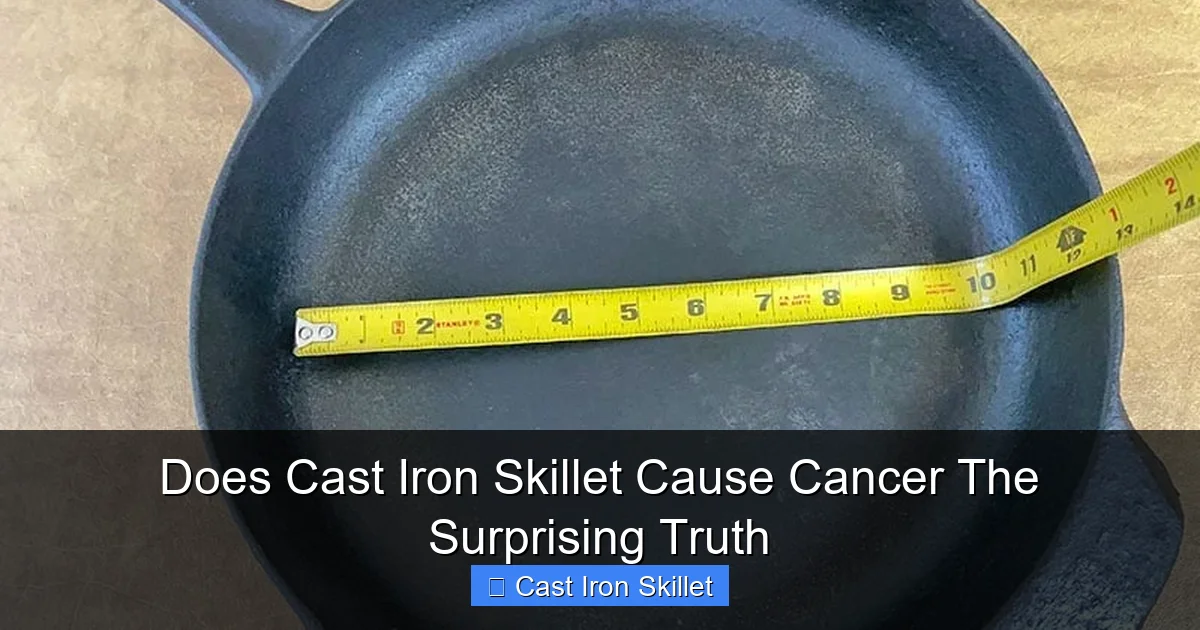
Yes, cast iron is heavy, but that weight is what gives it its incredible heat retention. A 10-inch skillet weighs about 5 pounds—manageable for most adults.
The weight also means the pan won’t slide around on your stovetop, making it safer than lighter pans that can tip over easily.
Conclusion: Cook with Confidence
You can now put your fears to rest. Cast iron skillets do not cause cancer. They are safe, healthy, and incredibly durable cooking tools that can last for generations when properly cared for.
The key is understanding how to season and maintain your skillet. A well-seasoned cast iron pan provides a natural non-stick surface, adds beneficial iron to your diet, and avoids the chemical concerns of modern cookware.
So go ahead and sear that steak, fry those eggs, or bake that cornbread. Your cast iron skillet is not only safe—it’s one of the best choices you can make for your health and your cooking.
🎥 Related Video: The SHOCKING Truth about Cast Iron Skillets & Iron Deficiency! 😧
📺 Daily Choice Foods | Drs Khalil & AJ
10 High-Iron Plant-Based Foods Masterclass https://youtube.com/live/st1J6y0OmME?feature=share Lodge Cast Iron Skillet …
