
Which Oil Is Best to Season Cast Iron Skillet Ultimate Guide

Choosing the best oil for seasoning cast iron is crucial for creating a non-stick surface that lasts. This guide covers the top oils including flaxseed, vegetable, and canola oil, plus step-by-step seasoning instructions. You’ll learn why smoke point matters and how to avoid common mistakes for perfectly seasoned cast iron.
Key Takeaways
- Flaxseed oil creates the hardest, most durable seasoning layer but requires careful application
- Vegetable oil works great for beginners and produces reliable results with minimal fuss
- Canola oil offers a good balance of affordability and performance for everyday seasoning
- High smoke point is essential – choose oils that can withstand 400-500°F temperatures
- Avoid olive oil for seasoning due to low smoke point and tendency to become sticky
- Apply thin layers – excess oil causes gummy residue and uneven seasoning
- Regular maintenance after each use keeps your cast iron in peak condition
Introduction: Your Complete Guide to Cast Iron Seasoning Oils
Seasoning a cast iron skillet is one of the most important cooking skills you can master. The right oil creates a natural non-stick surface that improves with age. But with so many oil options available, knowing which oil is best to season cast iron skillet can be confusing. This guide will cut through the confusion and give you clear, actionable advice. You’ll learn the science behind seasoning, discover the top oil choices, and get step-by-step instructions for perfect results every time.
Understanding Cast Iron Seasoning: Why Oil Choice Matters
Seasoning is the process of baking oil onto cast iron to create a polymerized layer. This layer protects the metal and prevents food from sticking. Not all oils work the same way. The best oils for seasoning have high smoke points and the right fatty acid composition. They transform from liquid to a hard, protective coating when heated. Choosing poorly can leave you with sticky, flaky, or rancid seasoning that ruins your cookware.
Visual guide about Which Oil Is Best to Season Cast Iron Skillet Ultimate Guide
Image source: i.pinimg.com
What Happens During Seasoning?
When you heat oil on cast iron, it goes through polymerization. The oil molecules bond together and bond to the iron surface. This creates a durable, non-stick layer. The process requires high heat to work properly. Oils with low smoke points break down before polymerization occurs. This is why which oil is best to season cast iron skillet depends largely on smoke point and stability.
The Science Behind Oil Selection
Three main factors determine the best seasoning oil: smoke point, polymerizing ability, and resistance to rancidity. The smoke point is the temperature where oil starts to smoke and break down. For cast iron seasoning, you need oils that can handle 400-500°F. Oils with high unsaturated fat content polymerize better. But too much polyunsaturated fat can lead to rancidity over time. The perfect balance creates seasoning that’s both durable and long-lasting.
Visual guide about Which Oil Is Best to Season Cast Iron Skillet Ultimate Guide
Image source: thekitchenprofessor.com
Smoke Point Comparison
Different oils have different smoke points. Flaxseed oil smokes around 225°F but polymerizes exceptionally well. Vegetable oil handles 400-450°F. Canola oil reaches 400°F. Ghee clarifies at 485°F. Understanding these numbers helps answer which oil is best to season cast iron skillet for your specific needs.
Top Oils for Seasoning Cast Iron
Now let’s explore the best oils you can use. Each has unique properties that make it suitable for seasoning.
Visual guide about Which Oil Is Best to Season Cast Iron Skillet Ultimate Guide
Image source: recipes.net
1. Flaxseed Oil: The Professional’s Choice
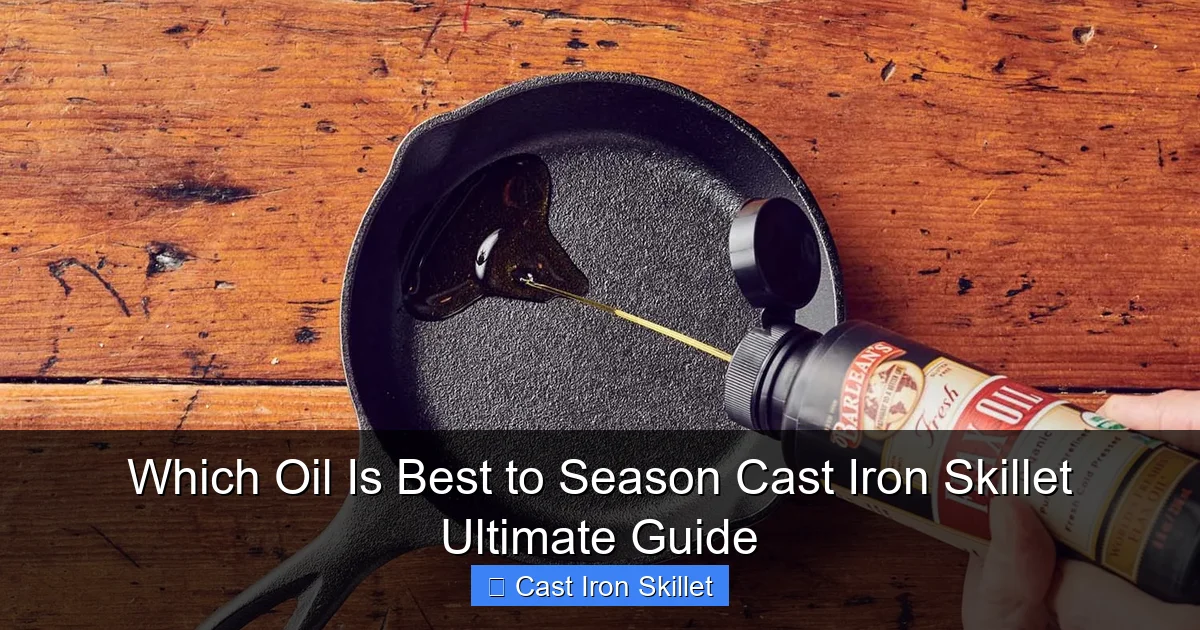
Flaxseed oil tops most lists when discussing which oil is best to season cast iron skillet. It’s rich in alpha-linolenic acid, which polymerizes into an extremely hard, durable coating. The result is a superior non-stick surface that rivals modern cookware. Many cast iron enthusiasts swear by flaxseed for initial seasoning.
Pros: Creates the hardest seasoning layer, excellent non-stick properties, builds up quickly
Cons: Low smoke point requires careful heating, expensive, can become brittle and flake if applied too thick
Best for: Initial seasoning of new cast iron, restoration projects, serious enthusiasts
2. Vegetable Oil: The Beginner-Friendly Option
Vegetable oil is a reliable workhorse for seasoning. Most supermarket vegetable oils contain a blend of soybean, corn, and sunflower oils. They have a high smoke point around 400-450°F and polymerize well without being too finicky. This makes them perfect for beginners wondering which oil is best to season cast iron skillet without complications.
Pros: Readily available, affordable, high smoke point, forgiving to work with
Cons: Creates a slightly softer seasoning than flaxseed, may require more layers
Best for: Regular maintenance, beginners, everyday seasoning
3. Canola Oil: The Balanced Performer
Canola oil strikes a great middle ground. It has a smoke point of 400°F and contains mostly monounsaturated fats with some polyunsaturated fats. This combination provides good polymerization without the brittleness of flaxseed. Many professional chefs recommend canola when asked which oil is best to season cast iron skillet for consistent results.
Pros: Neutral flavor, affordable, widely available, good smoke point
Cons: Seasoning builds more slowly than with flaxseed
Best for: All-purpose seasoning, regular use, maintenance between deep seasoning sessions
4. Ghee: The Clarified Butter Option
Ghee is clarified butter with the milk solids removed. This raises its smoke point to about 485°F, making it excellent for seasoning. The result is a seasoning layer with a pleasant, subtle buttery flavor. If you prefer natural fats, ghee is worth considering. Learn more about what is ghee and its benefits to understand why it works so well.
Pros: High smoke point, adds flavor, natural product, self-basting properties
Cons: More expensive than plant oils, can leave slightly sticky residue if overheated
Best for: Those who prefer animal fats, occasional seasoning, adding flavor to cookware
5. Crisco: The Traditional Choice
Vegetable shortening like Crisco has been used for generations. It’s 100% fat with no water content, so it seasons effectively. The smoke point is around 360°F, which is lower than liquid oils but still works for seasoning. Some traditionalists insist it’s the only way to go.
Pros: Easy to apply, stays solid at room temperature, traditional method
Cons: Lower smoke point, can leave greasy feel if not heated properly
Best for: Vintage cast iron restoration, traditional methods, those without access to liquid oils
Oils to Avoid When Seasoning Cast Iron
Not all oils work for seasoning. Some will ruin your cast iron and create problems. Knowing what to avoid is just as important as knowing which oil is best to season cast iron skillet.
Olive Oil
Extra virgin olive oil has a low smoke point around 375°F. It’s also high in monounsaturated fats that don’t polymerize well. The result is sticky, gummy residue that can become rancid. Save your olive oil for salads and low-heat cooking. If you need guidance on proper olive oil usage, check out what is olive oil and how to use it to understand its limitations.
Walnut Oil, Flaxseed Oil (for maintenance)
While raw flaxseed oil works for initial seasoning, you shouldn’t use it for regular maintenance. Its low smoke point makes it prone to burning during everyday cooking. Walnut oil has similar issues. Both can develop off-flavors and sticky buildup over time.
Butter and Margarine
Regular butter contains water and milk solids that burn at high heat. Margarine has additives and water content too. Neither creates a stable polymerized layer. They can leave burnt bits and uneven seasoning. Stick with oils that are pure fat for best results.
Step-by-Step Seasoning Process
Now that you know which oil is best to season cast iron skillet, let’s walk through the actual process. Follow these steps carefully for perfect seasoning.
Step 1: Clean Your Cast Iron Thoroughly
Start with a completely clean skillet. Wash with warm water and mild soap if needed. For new cast iron, remove any factory coating with steel wool and hot water. Dry immediately and thoroughly with a towel. Any moisture left on the surface can cause rust or poor oil adhesion.
Step 2: Apply a Thin Layer of Oil
Pour a small amount of your chosen oil onto the skillet. Use a paper towel or lint-free cloth to spread it evenly. Cover every surface including the bottom and handle. This is crucial – the oil must be thin. Wipe off excess until the surface looks almost dry. A greasy feel means you’ve used too much oil.
Step 3: Heat the Oiled Skillet
Place the skillet upside down in an oven preheated to 375-450°F depending on your oil. Put a baking sheet or aluminum foil on the lower rack to catch drips. Heat for one hour. The oil will polymerize and bond to the iron. You’ll smell it cooking – this is normal. Proper ventilation helps.
Step 4: Cool and Repeat
Turn off the heat and let the skillet cool completely in the oven. Don’t rush this step. Once cool, repeat the process 2-4 times for new cast iron. For maintenance, one or two layers usually suffices. Each layer builds up the seasoning for better non-stick performance.
Troubleshooting Common Seasoning Issues
Even with the right oil, problems can occur. Here’s how to fix common seasoning mistakes.
Sticky or Gummy Seasoning
This happens when too much oil was applied or the temperature was too low. The oil didn’t fully polymerize. To fix it, heat the skillet to 500°F for an hour to burn off the sticky layer. Let it cool, then re-season with a thinner oil layer. Remember, less is more when applying oil.
Flaky or Peeling Seasoning
Usually caused by using flaxseed oil too thick or not building up enough layers. The seasoning becomes brittle. Strip the skillet using oven cleaner or a lye bath, then start over. Apply thinner layers and build up gradually. This is why understanding which oil is best to season cast iron skillet includes knowing how to apply it properly.
Rust Spots
Rust appears when the seasoning is damaged or too thin. Scrub the rust off with steel wool or a wire brush. Wash, dry, and re-season the affected area. Prevent rust by storing cast iron completely dry and lightly oiled. Apply a maintenance coat monthly if you don’t use the skillet regularly.
Uneven Seasoning
Patches of different colors or stickiness mean uneven oil application or uneven heating. Strip the entire skillet and start fresh. Apply oil more carefully next time, ensuring complete coverage. Use a dedicated seasoning oven temperature rather than stovetop methods for more even heating.
Maintaining Your Seasoned Cast Iron
Proper maintenance keeps your cast iron in top condition. You don’t need to re-season after every use. Most of the time, simple cleaning and light oiling suffices.
Cleaning After Cooking
Clean while the skillet is still warm. Use hot water and a stiff brush or chainmail scrubber. Avoid soap when possible, but use it if needed. Never soak cast iron or put it in the dishwasher. Dry immediately and completely with a towel or by heating on the stove.
Light Oiling for Storage
After drying, apply a very light coat of oil with a paper towel. Heat briefly on the stove or in the oven until it just starts to smoke. This prevents rust during storage. Store in a dry place with the lid off or a paper towel inside to absorb moisture.
Regular Maintenance Schedule
With regular use, your cast iron will naturally maintain its seasoning. Deep season every 3-6 months or when food starts sticking. If you notice your food sticking more than usual, that’s a sign it’s time for a maintenance coat. Learning which oil is best to season cast iron skillet helps you maintain it properly between deep seasoning sessions.
Advanced Tips for Perfect Seasoning
Take your cast iron care to the next level with these expert tips.
Use Your Oven’s Self-Cleaning Cycle
For severely damaged cast iron, the self-cleaning cycle can strip old seasoning completely. Remove the handle first if it’s not cast iron. The extreme heat burns off all organic material. After the cycle, you’ll have bare metal ready for a fresh start with your chosen oil.
Create a Seasoning Station
Dedicate a shelf in your oven for seasoning. Keep a small bottle of your preferred oil and paper towels nearby. This makes the process quick and routine. Consistency is key to great cast iron care.
Season on the Stovetop for Small Jobs
For light maintenance, you can season a small area on the stovetop. Heat the skillet, add a few drops of oil, and rub with a paper towel. This works for touch-ups between oven seasoning sessions.
Conclusion: Choosing Your Perfect Seasoning Oil
So, which oil is best to season cast iron skillet? The answer depends on your needs and experience level. Flaxseed oil creates the most durable, professional-quality seasoning but requires skill. Vegetable oil and canola oil offer reliable results for beginners. Ghee provides natural flavor for those who prefer it. Avoid olive oil and low-smoke-point oils that create sticky messes.
The key is applying thin layers and heating properly regardless of which oil you choose. Start with vegetable oil if you’re new to seasoning. Once you’re comfortable, experiment with flaxseed for that ultimate non-stick surface. Remember that seasoning is a skill that improves with practice. Your cast iron will get better with each use, creating a natural, chemical-free cooking surface that can last generations.
Take care of your seasoned cast iron, and it will take care of your cooking. The investment in learning proper seasoning pays off in delicious, stick-free meals for years to come. Now that you know which oil is best to season cast iron skillet, you’re ready to create your own culinary legacy.
