
Why Did My Cast Iron Skillet Rust Here Is What You Must Know

Rust on cast iron skillets happens when the metal reacts with oxygen and moisture, breaking down the protective seasoning layer. This common problem stems from improper cleaning, inadequate drying, or poor storage habits. The good news is that surface rust is completely fixable with simple scrubbing and re-seasoning techniques.
Key Takeaways
- Rust is caused by moisture exposure: Water is the main enemy of cast iron. Any contact with water, especially when left to sit, triggers oxidation and rust formation.
- Seasoning creates protection: A well-seasoned skillet forms a natural non-stick barrier that prevents moisture from reaching the raw iron underneath.
- Most rust is surface-level: Light rust spots are cosmetic and easily removable with steel wool or a scrub brush. Deep rust requires more aggressive treatment.
- Prevention beats repair: Proper drying and oiling after each use prevents 95% of rust problems. Store cast iron completely dry and lightly oiled.
- Never put cast iron in the dishwasher: Dishwashers strip seasoning and expose iron to water and chemicals that cause rapid rusting.
- Acidic foods accelerate rust: Tomatoes, wine, and citrus break down seasoning faster, requiring immediate cleaning and thorough drying.
- Regular use prevents rust: Using your cast iron skillet weekly helps maintain its seasoning and keeps rust at bay naturally.
Why Your Cast Iron Skillet Rusts: The Complete Guide
You cooked a perfect steak. You washed your skillet. Then you woke up to ugly orange spots. Why did your cast iron skillet rust? This frustrating problem hits nearly every cast iron owner at some point. The answer is simpler than you think, and the solutions are easier than you fear.
This guide will walk you through exactly what causes rust, how to fix it, and most importantly, how to prevent it forever. You will learn the science behind oxidation, step-by-step rust removal, and the simple habits that keep your cookware looking pristine. No more guessing. No more throwing away expensive skillets. Just clear, actionable advice that works.
The Science Behind Cast Iron Rust
Understanding rust starts with understanding what cast iron actually is. Your skillet isn’t just a cooking tool. It’s a piece of chemical engineering that dates back centuries. Let’s break down why it rusts.
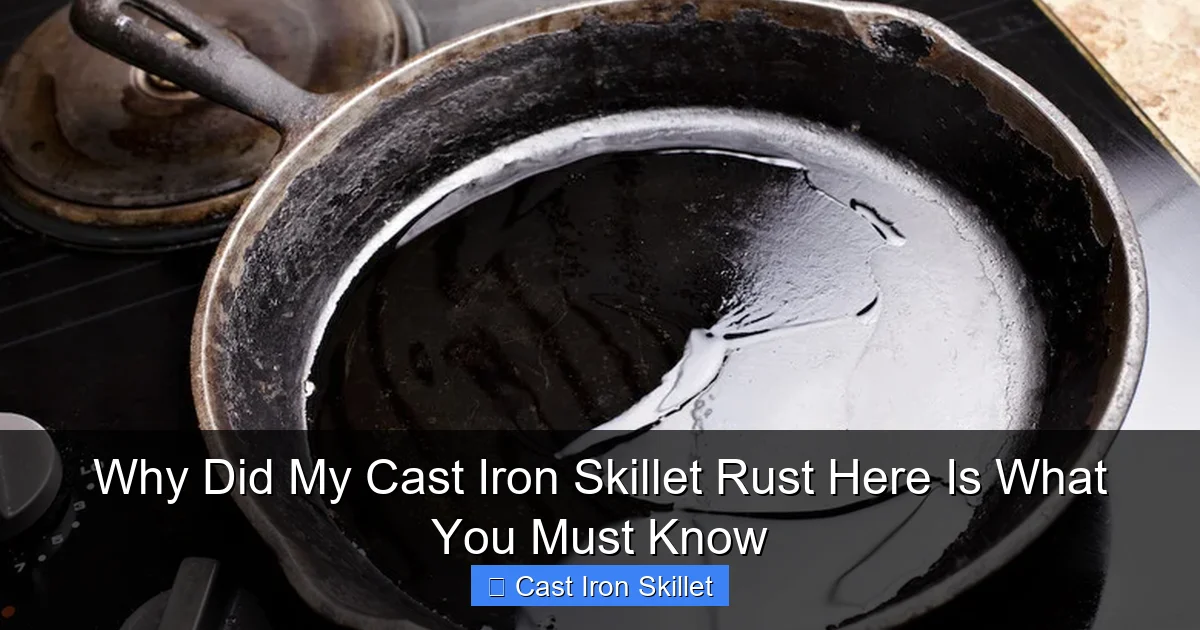
Visual guide about Why Did My Cast Iron Skillet Rust Here Is What You Must Know
Image source: tastingtable.com
What Is Rust Exactly?
Rust is iron oxide. This happens when iron reacts with oxygen and water. Think of it as the earth’s way of turning metal back into ore. The chemical formula is simple: Fe + O₂ + H₂O = Fe₂O₃·nH₂O. Your skillet is literally oxidizing when it rusts.
This process happens naturally. All iron-based metals are vulnerable. The question isn’t if rust can form, but what conditions make it happen faster. Cast iron is especially prone because it’s pure iron with a porous surface that holds moisture.
Why Cast Iron Is Different from Other Pans
Stainless steel pans don’t rust because they contain chromium. This creates a protective layer. Cast iron is nearly pure iron. It’s just iron and carbon. No protective metals. That’s why it needs seasoning.
Seasoning fills the pores with polymerized oil. This creates a barrier between the iron and the elements. Without this barrier, rust forms in hours. With proper seasoning, your skillet can last generations.
The Role of Seasoning in Rust Prevention
Seasoning is your skillet’s armor. It’s not a seasoning like salt and pepper. It’s a layer of baked-on oil that bonds to the metal. This layer repels water and prevents oxygen contact.
When seasoning wears off, the iron beneath is exposed. Scrubbing, acidic foods, and improper washing strip this layer. Once exposed, rust appears quickly. Maintaining seasoning is your first defense against rust.
Top 5 Causes of Rust on Cast Iron Skillets
Now that you know the science, let’s look at what triggers rust in real kitchens. These are the everyday mistakes that turn your beautiful skillet into an orange mess.
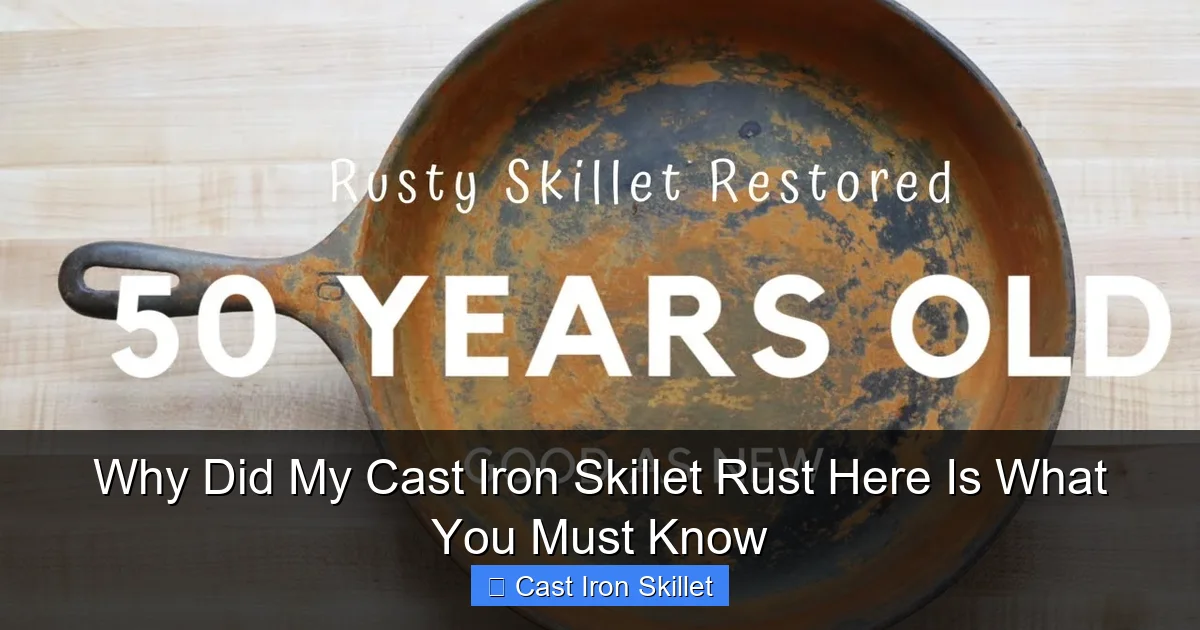
Visual guide about Why Did My Cast Iron Skillet Rust Here Is What You Must Know
Image source: i.ytimg.com
1. Improper Cleaning Techniques
The biggest mistake is using soap. Traditional advice said never use soap. That’s outdated. Modern dish soaps are gentle. But using harsh detergents or scrubbing pads strips seasoning.
Never use steel wool on a well-seasoned pan unless removing rust. Avoid abrasive cleaners like Comet or Bar Keepers Friend on non-rusty pans. These cleaners work by scrubbing away the top layer. That includes your seasoning.
Another error is soaking the skillet. Letting it sit in water creates the perfect rust environment. Water penetrates microscopic gaps in the seasoning. The iron underneath begins oxidizing immediately.
2. Inadequate Drying
This is the number one cause of rust. People wash skillets and set them on a towel to air dry. This seems logical. But air drying leaves water spots. The water evaporates slowly, giving rust time to form.
Steam is also a problem. When you dry a skillet on the stovetop, steam rises. That moisture can condense on cooler parts of the pan. Even if the cooking surface looks dry, the handle or sides might still be damp.
Hard water makes this worse. Minerals in hard water leave deposits when they dry. These deposits create tiny pockets where moisture hides. Rust starts in these invisible pools.
3. Wrong Storage Methods
Storing a slightly damp skillet is a guaranteed rust recipe. Cabinets trap moisture. If any part of the pan is wet, that moisture has nowhere to escape. It sits and works its rust magic.
Stacking skillets without protection causes problems too. The weight presses moisture between layers. Even a tiny amount of water becomes trapped. This creates rust lines where the pans touch.
Storing with paper towels seems smart. But if the towel gets damp and stays in the pan, it holds moisture against the metal. The towel might look dry on top, but underneath it’s a rust factory.
4. Cooking Acidic Foods
Tomatoes, wine, vinegar, and citrus are seasoning killers. These acids break down polymerized oil at a molecular level. They strip your protective layer while you cook.
This doesn’t mean you can’t cook acidic foods. It means you need to clean and re-season immediately after. Don’t let tomato sauce sit in your skillet overnight. That’s asking for rust.
The longer acidic food stays in contact with iron, the more damage it does. A quick sauté of lemon chicken is fine. A six-hour tomato stew requires immediate attention. Plan accordingly.
5. Environmental Factors
Humidity is a silent rust creator. Living in a humid climate means your skillet is always exposed to moisture in the air. This is why some people struggle no matter what they do.
Garage storage is terrible for cast iron. Temperature changes cause condensation. A skillet that seems dry at night might sweat by morning. The metal expands and contracts, squeezing out moisture.
Even your dish rack location matters. If it’s near a window with condensation, or above a sink where splashes happen, rust has a chance. Think about where moisture lives in your kitchen.
How to Remove Rust from Your Cast Iron Skillet
Finding rust on your favorite pan is stressful. But most rust is fixable. The method depends on how bad the rust is. Light surface rust needs simple scrubbing. Deep rust requires more work.
Visual guide about Why Did My Cast Iron Skillet Rust Here Is What You Must Know
Image source: shelovesbiscotti.com
Step 1: Assess the Damage
First, determine rust severity. Run your finger over the surface. Light rust feels like fine sandpaper. It’s barely visible but you can feel it. This is easy to fix.
Deep rust looks flaky and orange. You might see pits in the metal. This requires aggressive action. If the rust is only on the surface, you can save the pan. If it’s pitted deeply, the pan may be beyond repair.
Check all surfaces. Look under the handle, on the bottom, and inside the spouts. Rust loves hidden corners. Take photos if needed. This helps you track progress.
Step 2: Choose Your Rust Removal Method
For light rust, use fine steel wool or a stainless steel scrubber. These remove rust without damaging good seasoning underneath. Scrub in circular motions. Apply firm pressure but don’t dig into the metal.
For moderate rust, use a mixture of baking soda and water. Make a paste. Scrub with a nylon brush or sponge. Baking soda is abrasive enough to remove rust but gentle on iron.
For heavy rust, use white vinegar. Mix equal parts vinegar and water. Soak the rusty area for 30 minutes to one hour. Do not soak the entire pan. Just the rusty spots. Then scrub with steel wool.
Never use oven cleaner. It’s too harsh. It will strip everything, including the good metal. It’s also dangerous to handle. Stick to gentler methods.
Step 3: Wash and Dry Completely
After removing rust, wash the skillet with mild soap and warm water. You need to remove all rust particles and cleaning agents. Any leftover residue will cause more rust.
Use a soft sponge or brush. Don’t use anything abrasive at this stage. You just cleaned the rust. Don’t create new problems. Rinse thoroughly. Every soap bubble must go.
Dry immediately with a towel. Don’t air dry. Rub every surface until it’s hot to the touch. Pay special attention to corners and the handle base. These spots trap moisture.
Then place the skillet on the stove over medium heat for 3-5 minutes. This drives out any remaining moisture. You should see no steam. The metal will look completely dry.
Step 4: Re-Season Your Skillet
Re-seasoning is non-negotiable. After rust removal, your skillet is bare iron. It needs protection immediately. Skipping this step guarantees rust will return within days.
Start by applying a thin layer of oil. Use flaxseed, vegetable, or canola oil. Paper towels work best. Apply oil to every surface, inside and out. Then wipe off all excess. I mean all of it. The pan should look almost dry.
Place the skillet upside down in a 450°F oven for one hour. Put a baking sheet underneath to catch drips. The upside-down position prevents oil pooling. After one hour, turn off the oven and let the pan cool inside.
Repeat this process 2-3 times. Each layer builds protection. After the final seasoning, your skillet should have a dark, smooth finish. This is your new armor against rust.
Preventing Future Rust: A Daily Routine
Prevention is simple but requires consistency. A few minutes after each use keeps rust away forever. Think of it as brushing your teeth for your skillet.
The Proper Cleaning Routine
Clean your skillet while it’s still warm. Not hot, but warm enough that food particles are soft. Use hot water and a stiff brush. A dedicated cast iron brush works best. It has brass bristles that clean without stripping.
Add a few drops of mild dish soap if needed. Modern soaps won’t harm seasoning. But use them sparingly. Soap is for stuck-on food, not everyday cleaning. Most of the time, hot water and a brush are enough.
Never use salt as a cleaner. It sounds natural but it’s abrasive. Salt scratches the seasoning, creating entry points for rust. It also leaves residues that attract moisture.
Drying Techniques That Actually Work
After washing, dry with a towel immediately. Use a cotton or linen towel. These absorb better than synthetic materials. Rub in circles, covering every surface. Don’t forget the bottom and handle.
Then heat the skillet on the stove. Medium heat for 2-3 minutes. You’ll see any remaining moisture evaporate. Hold the pan at an angle so steam escapes. When no more steam appears, it’s dry.
Some people use a hair dryer. This works for hard-to-reach spots. But don’t rely on it alone. The stove method is more thorough. Use the hair dryer as a supplement, not a replacement.
Storage Solutions for Every Kitchen
Store your skillet in a dry place. Not in the cabinet above the sink. Not on a windowsill. Choose a spot with low humidity and stable temperature. A pantry or closed cabinet away from the stove is ideal.
Place a paper towel inside the skillet. This absorbs any moisture that might form. But check it weekly. If the paper towel is damp, your storage area is too humid. Change the towel monthly even if it looks dry.
Don’t stack skillets directly on top of each other. Use a silicone mat or parchment paper between them. This creates a barrier that prevents moisture trapping. Even a tiny gap makes a difference.
Maintenance Schedule for Busy People
If you use your skillet daily, a quick seasoning once a month is enough. Just rub in a little oil after drying. No need for a full oven seasoning. This maintains the protective layer.
For weekly users, do a full seasoning every 3-4 months. This keeps the non-stick surface strong. If you notice food sticking more than usual, that’s your signal to season.
For occasional users, season before storing. Clean, dry, oil lightly, and store. Then season again before your next use. This prevents rust from sitting idle. A pan in storage needs protection just as much as one in use.
Troubleshooting Common Rust Problems
Even with perfect care, rust can still appear. Here’s what to do when prevention fails.
Light Surface Rust vs. Deep Rust
Light rust looks like faint orange spots. You can barely feel it. This is the easiest to fix. Just scrub with steel wool and re-season. Most people can do this in 15 minutes.
Deep rust looks like orange powder or flakes. You might see bare metal underneath. This requires more work. You need to remove all the rust down to clean metal. Then build seasoning back up in layers.
The difference is depth. If your fingernail catches in the rust, it’s deep. If it just feels rough, it’s surface level. When in doubt, treat it as deep rust. Better to be thorough than to have it return.
What If Rust Keeps Coming Back?
If rust returns in the same spot, you have an underlying issue. That spot isn’t drying completely. It could be a manufacturing defect, a scratch, or a spot you consistently miss when drying.
Inspect that area closely. Look for pits or rough spots. These trap moisture. You might need to sand them smooth with fine-grit sandpaper. Then re-season that spot extra well.
Also check your storage. If rust appears on the bottom or handle, your storage area might be damp. Try a different cabinet. Add a silica gel packet to absorb moisture. These are cheap and effective.
Can You Use a Rusty Skillet?
Using a skillet with light rust is safe. The rust won’t harm you. But it will affect cooking. Rust creates hot spots and prevents proper searing. Food will stick. It’s not ideal.
For deep rust, don’t use the skillet. The rust can flake into your food. While a small amount won’t hurt you, it’s not pleasant. Plus, using a rusty pan makes the problem worse. The rust will spread.
The best approach is to fix rust immediately. Don’t wait. A few minutes of scrubbing today prevents hours of work later. Rust never gets better on its own. It always gets worse.
Conclusion: Your Cast Iron Will Last Forever
Rust is frustrating but preventable. Your cast iron skillet can last 100 years or more. It just needs the right care. The key is understanding that cast iron is alive. It needs attention after each use.
Start with these three non-negotiables: dry completely after washing, oil lightly before storing, and inspect weekly for rust spots. Do these three things and you’ll never lose a skillet to rust again.
Remember, rust happens to everyone. Even professional chefs deal with it. The difference is they fix it immediately and learn from their mistakes. You can do the same. Your future generations will cook with your skillet if you take care of it today.