Best Rice Cooker Under Budget Guide Worth Every Penny

Finding the best rice cooker under budget doesn’t mean compromising on quality. This guide walks you through everything you need to know to choose an affordable rice cooker that perfectly suits your needs. You’ll discover key features, top recommendations, and expert tips for making the most of your purchase without breaking the bank.
Key Takeaways
- Set a realistic budget: The best rice cookers under budget typically range from $30-$80, offering excellent value without sacrificing core functionality.
- Match capacity to your needs: Choose a 3-cup model for 1-2 people, 5-6 cups for families of 3-5, and 8+ cups for larger households or meal prepping.
- Prioritize essential features: Look for automatic shut-off, keep-warm function, and a non-stick inner pot—these are non-negotiable for convenience and safety.
- Consider multi-functionality: Many budget rice cookers also steam, slow cook, and prepare oatmeal, giving you more bang for your buck.
- Clean immediately after use: Proper maintenance extends your rice cooker’s life and prevents sticky, burnt rice from becoming a nightmare to remove.
- Different rice types need different care: Brown rice, jasmine, and basmati each require specific water ratios and cooking times, even in automatic cookers.
Introduction: Why a Budget Rice Cooker is a Smart Kitchen Investment
Let’s face it—cooking rice on the stovetop is a gamble. You either end up with mushy, overcooked grains or hard, crunchy centers. A rice cooker eliminates the guesswork. But here’s the myth we need to bust: you don’t need to spend $200 to get reliable performance. The best rice cooker under budget can deliver perfect fluffy rice while costing less than your weekly coffee habit.
This guide will transform how you think about rice cookers. We’ll explore what truly matters when shopping on a budget, how to avoid common pitfalls, and which features deliver the most value. By the end, you’ll know exactly what to look for and how to make your rice cooker last for years.
Step 1: Understanding Your Rice Cooking Needs
Before you open your wallet, take a moment to think about what you actually need. The best rice cooker under budget for a college student differs dramatically from what a family of five requires.
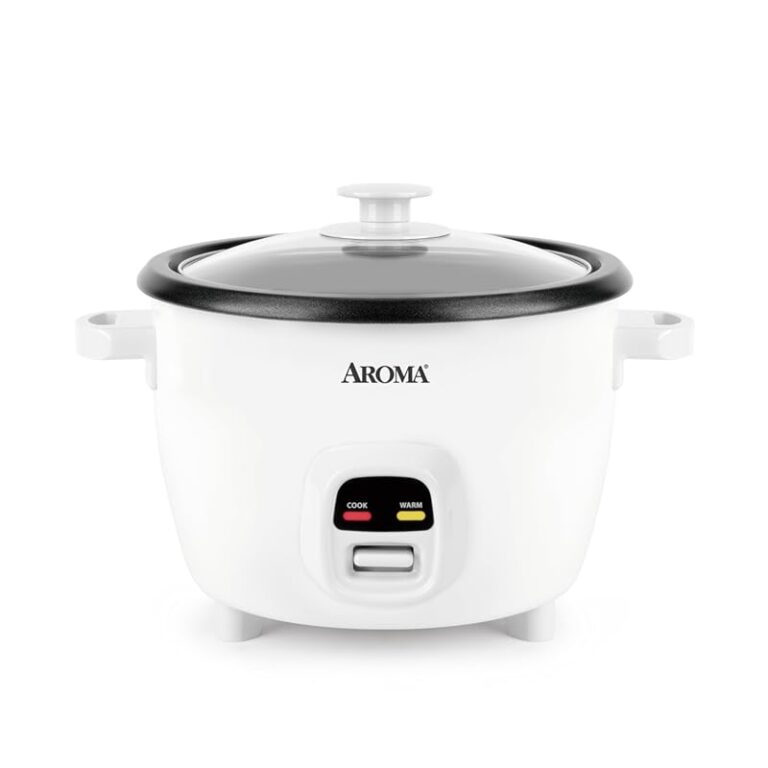
Visual guide about Best Rice Cooker Under Budget Guide Worth Every Penny
Image source: m.media-amazon.com
Assessing Your Household Size
Your family size determines the capacity you need. A 3-cup uncooked rice cooker serves 1-2 people perfectly. It’s compact, energy-efficient, and ideal for small kitchens. For a family of 3-5, aim for a 5-6 cup model. This size gives you flexibility for both everyday meals and small gatherings. Larger families or meal preppers should look at 8-cup or bigger units. Remember, rice typically triples in volume when cooked, so a 5-cup cooker yields about 15 cups of finished rice.
What Types of Rice Do You Cook Most?
Different rice varieties need different handling. If you only make white rice, a basic model will suffice. But if you love brown rice, sushi rice, or mixed grains, you’ll want a cooker with specific settings. Brown rice requires more water and longer cooking times. Sushi rice needs precise temperature control. Check our guide on types of rice and best uses to understand your grains better. This knowledge helps you choose a rice cooker with the right programs.
How Often Will You Use It?
Your frequency of use impacts durability needs. Daily users need robust construction and reliable heating elements. Occasional cooks can get away with lighter-duty models. If you plan to use your rice cooker for weekly meal prep, consider one with a timer function. This lets you add rice and water in the morning and come home to freshly cooked grains.
Step 2: Must-Have Features in a Budget Rice Cooker
Not all features are created equal. Some are essential, while others are just marketing fluff. Focus your budget on what truly matters.

Visual guide about Best Rice Cooker Under Budget Guide Worth Every Penny
Image source: expertreviewsbestricecooker.com
The Non-Negotiable Trio
Every rice cooker under budget must have these three features:
- Automatic shut-off: This safety feature turns off the heat when the rice is done. No more burnt pans or kitchen fires.
- Keep-warm function: Keeps rice at the perfect serving temperature for hours without overcooking. This is a game-changer for busy families.
- Non-stick inner pot: Makes cleanup effortless and prevents rice from sticking and burning. Look for ceramic or titanium coatings for longevity.
Nice-to-Have Features Worth the Extra $10
Some budget rice cookers include features that add real value:
- Steamer basket: Perfect for vegetables, fish, or dumplings while your rice cooks below.
- Delay timer: Set it up to 12 hours in advance. Wake up to cooked rice or come home to a ready meal.
- Multiple grain settings: Dedicated programs for brown rice, white rice, and sometimes porridge or soup.
Avoid spending extra on fuzzy logic or induction heating in budget models. These premium features rarely justify the cost increase in cookers under $80.
Brand Reputation vs. Price
Stick with established brands like Aroma, Black+Decker, or Hamilton Beach. They offer reliable warranties and accessible customer service. Generic brands from unknown manufacturers might save you $15, but you’ll pay in frustration when parts fail or instructions are unclear. The best rice cooker under budget balances price with proven reliability.
Step 3: Setting Up Your New Rice Cooker for Success
Your first few uses set the tone for years of perfect rice. Don’t skip these steps.
Visual guide about Best Rice Cooker Under Budget Guide Worth Every Penny
Image source: ricecookerjunkie.com
Before You Plug It In
Wash the inner pot with warm, soapy water. Dry it completely before placing it back in the cooker. Wipe the heating plate with a damp cloth to remove any dust from manufacturing. Never immerse the outer unit in water. Check that the vent hole in the lid is clear and unobstructed.
Mastering Water-to-Rice Ratios
This is where most beginners fail. The general rule is 1:1.5 (rice to water) for white rice, but this varies. Use the measuring cup that comes with your cooker—it’s calibrated specifically for that model. For white rice, the cup’s markings usually indicate the perfect water level. For brown rice, add an extra ¼ cup of water. Our guide on how to cook rice perfectly every time provides detailed ratios for every variety.
Your First Three Uses
Start with plain white rice to test your cooker. Rinse 1 cup of rice until the water runs clear. This removes excess starch and prevents gummy rice. Add the rice to the pot and fill with the appropriate water. Close the lid and press cook. Resist the urge to open the lid during cooking—this releases steam and alters cooking time. When the cooker switches to warm, let it sit for 10 minutes. This allows the rice to finish steaming and become fluffy.
Step 4: Maintenance and Care That Extends Lifespan
A little care goes a long way. Proper maintenance can double your rice cooker’s life.
After Every Use
Unplug the cooker and let it cool completely. Remove the inner pot and wash it with warm, soapy water. Never use steel wool or abrasive sponges—they scratch the non-stick coating. Wipe the inside of the cooker with a damp cloth. Pay special attention to the lid and steam vent. Food particles here can cause odors and attract pests.
Monthly Deep Cleaning
Once a month, remove the inner pot and wash the lid separately in soapy water. Check the steam vent for clogs—use a toothpick to clear any debris. Mix baking soda and water to create a paste for stubborn stains on the pot. Let it sit for 15 minutes before scrubbing gently. For mineral deposits on the heating plate, wipe with a cloth dipped in vinegar.
Storage Tips
Store your rice cooker with the lid open slightly to prevent moisture buildup and odors. Keep it in a dry cabinet away from direct heat sources. If you won’t use it for months, place a silica gel packet inside to absorb moisture.
Step 5: Troubleshooting Common Issues
Even the best rice cooker under budget can have hiccups. Here’s how to solve the most common problems.
Rice Is Too Mushy or Sticky
This usually means too much water. Reduce the water by ¼ cup next time. Different rice varieties absorb water differently. Brown rice needs more water than white rice. Also, check if your measuring cup is accurate. Some budget models include cups that are slightly off.
Rice Is Undercooked or Hard
Not enough water is the culprit. Add ¼ cup more water next time. Also, ensure you’re using the correct setting for your rice type. Brown rice requires the brown rice setting or manual extended cooking time. Check that the inner pot is properly seated on the heating element.
Burning or Scorching on the Bottom
This happens when the heat is too high or the automatic shut-off fails. Immediately unplug the cooker and let it cool. Check the heating element for debris. Clean it thoroughly. If burning persists, the thermal sensor may be faulty. Contact the manufacturer under warranty.
Lid Won’t Seal Properly
Check that the rubber gasket is clean and properly seated. Food particles can prevent a good seal. If the gasket is damaged, order a replacement from the manufacturer. Don’t operate the cooker with a broken seal—steam will escape and cooking times will be inaccurate.
Unusual Smells or Smoke
New rice cookers often have a slight odor during the first few uses. This is normal. If you smell burning plastic after several uses, unplug immediately. Food may have spilled onto the heating element. Clean thoroughly. If the smell persists, stop using the cooker and contact customer service.
Step 6: Creative Uses Beyond Rice
Your rice cooker is a multi-tasking marvel. Learn these tricks to maximize value.
Steam vegetables by placing them in the steamer basket above your rice. Cook entire meals in one pot—add broth, rice, and ingredients to the pot for a complete dish. Make oatmeal by using the porridge setting or extended warm function. Hard-boil eggs by placing them in the steamer basket. Even bake cakes in the inner pot using the cook setting. The best rice cooker under budget becomes a versatile kitchen workhorse.
Conclusion: Your Budget Rice Cooker Journey Starts Now
Finding the best rice cooker under budget is about smart choices, not cheap compromises. Focus on essential features, match capacity to your needs, and commit to proper maintenance. A $50 rice cooker that lasts five years costs pennies per use. That $200 model might only save you 10 minutes per week.
Start by making a list of your must-have features. Read reviews from verified buyers. Check warranty terms. Then take the plunge. Once you experience perfectly cooked rice with zero effort, you’ll wonder how you ever managed without it. Your taste buds—and your wallet—will thank you.
Final Pro Tip
Register your rice cooker with the manufacturer immediately after purchase. This extends your warranty and gives you access to recipe ideas and troubleshooting support. Many companies offer exclusive content to registered users.