Can Cast Iron Skillet Be Used on Glass Top Stove Safe to Use

Using a cast iron skillet on glass top stove is absolutely possible with proper technique. This guide teaches you how to protect both your stove and cookware while achieving perfect cooking results. You’ll learn essential safety steps, preheating methods, and maintenance tips to make your cast iron work beautifully on smooth glass surfaces.
Key Takeaways
- Yes, it’s safe: Cast iron skillets work on glass top stoves when you follow proper techniques to prevent damage.
- Never slide: Always lift your skillet instead of dragging it across the glass surface to avoid scratches.
- Match sizes: Use a burner that matches your skillet’s base diameter for even heating and efficiency.
- Preheat gradually: Warm both the glass surface and skillet slowly to prevent thermal shock and warping.
- Handle with care: Use protective pads when moving cookware and avoid sudden temperature changes.
- Clean properly: Clean your cast iron immediately after use and season it regularly to maintain its non-stick surface.
- Know your limits: Avoid using cracked or warped skillets and respect your stove’s weight limits.
Introduction: Your Cast Iron Skillet and Glass Stove Can Be Best Friends
Many home cooks wonder if their beloved cast iron skillet on glass top stove is a recipe for disaster. The smooth, modern glass surface seems fragile compared to traditional coil burners. You might worry about scratches, cracks, or ruined cookware. These concerns are valid, but the good news is that cast iron and glass stoves can work together beautifully.
This complete guide will show you exactly how to use your cast iron skillet safely on a glass top stove. You’ll learn the right techniques, safety precautions, and maintenance steps to protect both your expensive stove and your prized cookware. By the end, you’ll feel confident searing steaks, baking cornbread, and creating delicious meals without fear of damage.
Understanding the Compatibility Challenge
Before diving into techniques, let’s understand why people worry about using cast iron on glass. Glass top stoves are made from tempered ceramic glass, which is surprisingly strong but can scratch or crack under certain conditions. Cast iron is heavy, rough-bottomed, and conducts heat differently than stainless steel or aluminum pans.
Visual guide about Can Cast Iron Skillet Be Used on Glass Top Stove Safe to Use
Image source: topsousvide.com
The Main Concerns
Scratches: The rough bottom of a cast iron skillet can leave marks on glass surfaces if dragged. Modern skillets often have smoother bases, but the risk remains.
Thermal Shock: Sudden temperature changes can crack glass cooktops. Placing a cold skillet on a hot burner is a common mistake.
Uneven Heating: Cast iron heats differently than other metals, which can cause hot spots on glass surfaces if not managed properly.
Weight Distribution: Heavy cast iron can stress certain areas of a glass stove if not positioned correctly.
Why It Works When Done Right
Cast iron’s excellent heat retention makes it perfect for glass stoves. Once hot, it distributes heat evenly across its cooking surface. This means you can achieve consistent results without hot spots burning your food. The key is respecting both materials and using gentle, controlled techniques.
Preparing Your Cast Iron Skillet for Glass Top Cooking
Not all cast iron skillets are created equal when it comes to glass stoves. Proper preparation ensures smooth performance and prevents damage.
Visual guide about Can Cast Iron Skillet Be Used on Glass Top Stove Safe to Use
Image source: storables.com
Choosing the Right Skillet
Look for cast iron skillets with a smooth, machined cooking surface. Lodge’s “smooth top” models work well. Vintage cast iron often has rough, pebbled surfaces that can be problematic. Check the bottom of your skillet before purchasing. It should be relatively flat without major casting bumps.
Avoid skillets with:
– Deep casting marks on the bottom
– Warped or bent bases
– Excessive rust or pitting
– Loose handles
Seasoning Your Skillet
A well-seasoned cast iron skillet on glass top stove creates a natural non-stick surface and protects the metal. Apply a thin layer of high-smoke-point oil (like vegetable oil or flaxseed oil) to the entire skillet, inside and out. Wipe off excess oil with a paper towel. Place the skillet upside down in your oven at 375°F for one hour. Let it cool completely in the oven. Repeat this process 2-3 times before first use.
Inspecting Before Each Use
Before placing your skillet on the glass stove, check for:
– Food debris or moisture on the bottom
– Signs of warping or new damage
– Loose handle screws
– Rough spots that could scratch
Clean the bottom with a soft cloth and ensure it’s completely dry. Any moisture can cause steaming and potential thermal shock.
Step-by-Step: Cooking with Cast Iron on Glass Top Stoves
Follow these steps for perfect results every time you use your cast iron skillet on glass top stove.
Visual guide about Can Cast Iron Skillet Be Used on Glass Top Stove Safe to Use
Image source: storables.com
Step 1: Select the Right Burner
Match your skillet size to the burner. A 10-inch skillet works best on a medium burner (6-8 inches in diameter). Never use a small burner with a large skillet. This wastes energy and creates uneven heating. The burner should cover no more than 1 inch beyond the skillet’s base.
Turn on any overhead ventilation before you start cooking. Cast iron retains heat well, and you may generate smoke during the preheating process.
Step 2: Preheat the Glass Surface Gradually
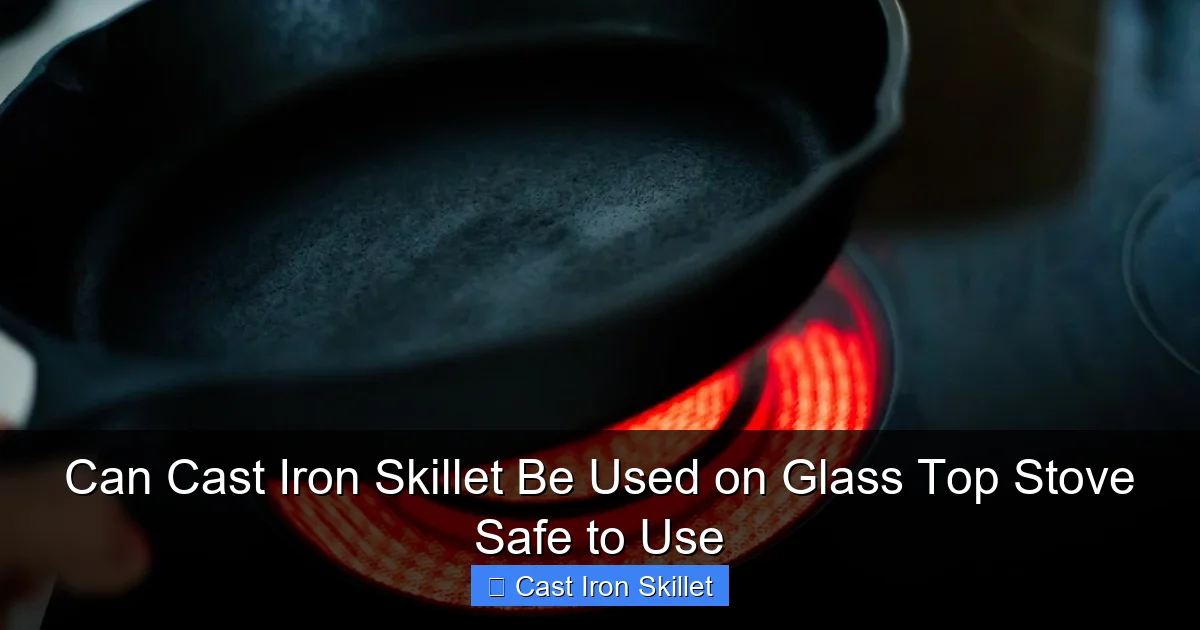
Set your burner to medium-low heat. Never start with high heat. Glass stoves respond slowly, so give the surface 2-3 minutes to warm up gradually. This prevents thermal stress that could crack the glass.
If your stove has dual or triple ring burners, use the inner ring first. This concentrates heat under the center of your skillet where it’s needed most.
Step 3: Preheat Your Cast Iron Skillet
Place your dry, seasoned skillet on the warmed glass surface. Let it heat slowly for 3-5 minutes. This gradual warming prevents warping and ensures even temperature distribution. You should see a slight haze coming from the skillet as it heats.
To test if it’s ready, flick a few drops of water into the skillet. If they dance and evaporate quickly, your skillet is preheated. If they sit and boil, wait another minute.
Step 4: Add Oil and Food
Reduce heat to your desired cooking temperature. Add 1-2 tablespoons of oil to the hot skillet. Swirl to coat the surface evenly. Wait until the oil shimmers but doesn’t smoke. This is the perfect temperature for most cooking.
Place your food gently into the skillet. Avoid dropping food from a height, which can damage the glass surface. Use tongs or spatulas to position items carefully.
Step 5: Master Cooking Techniques to Avoid
Never slide or drag: Always lift your skillet when moving it. Use both hands with oven mitts if needed. Sliding causes micro-scratches that accumulate over time.
Avoid metal utensils: Use wooden, silicone, or heat-resistant plastic utensils. Metal can scratch the seasoning and potentially chip the glass if dropped.
Control temperature changes: Don’t move from high heat to cold water. Let your skillet cool on the stove before cleaning. Sudden changes can warp cast iron and crack glass.
Use proper flipping technique: When flipping food, use a quick wrist motion rather than dragging items across the surface. This preserves your seasoning and prevents food debris from scratching the glass.
Essential Safety Tips for Long-Term Success
Protecting your investment requires consistent attention to safety details. These tips ensure years of happy cooking with your cast iron skillet on glass top stove.
Weight Management
Most modern glass stoves support 15-20 pounds per burner. A typical 10-inch cast iron skillet weighs 5-6 pounds empty. When filled with food and oil, it can reach 10-12 pounds. Stay within your stove manufacturer’s weight limits. Avoid stacking multiple cast iron pieces on one burner.
Handle Protection
Always use a handle cover or oven mitt when touching the skillet handle. Cast iron handles get extremely hot and can burn you quickly. Consider using a handle holder specifically designed for cast iron.
Keep the handle turned inward, away from the edge of the stove. This prevents accidental bumps that could send the hot skillet sliding across the glass.
Temperature Control
Glass stoves retain heat longer than coil burners. Your cast iron skillet will stay hot even after you turn off the burner. Use this to your advantage for finishing dishes, but be aware that residual heat can cause burns or overcook food if you’re not careful.
For delicate foods that require precise temperature, consider using the “pulse” method. Turn the burner on medium for 30 seconds, then off for 30 seconds. This creates a more controlled cooking environment.
Emergency Preparedness
Keep a clean, dry cloth nearby to handle small spills immediately. Don’t let sugar or acidic substances sit on the glass surface. While your cast iron skillet protects most of the stove, drips can bake onto the glass and become difficult to remove.
Never use your glass stove as a work surface. Place cutting boards or prep items on countertops, not on the cooking surface, even when cool.
Cleaning and Maintenance After Cooking
Proper cleaning extends the life of both your cast iron skillet and glass top stove. Follow these steps immediately after cooking.
Cleaning Your Cast Iron Skillet
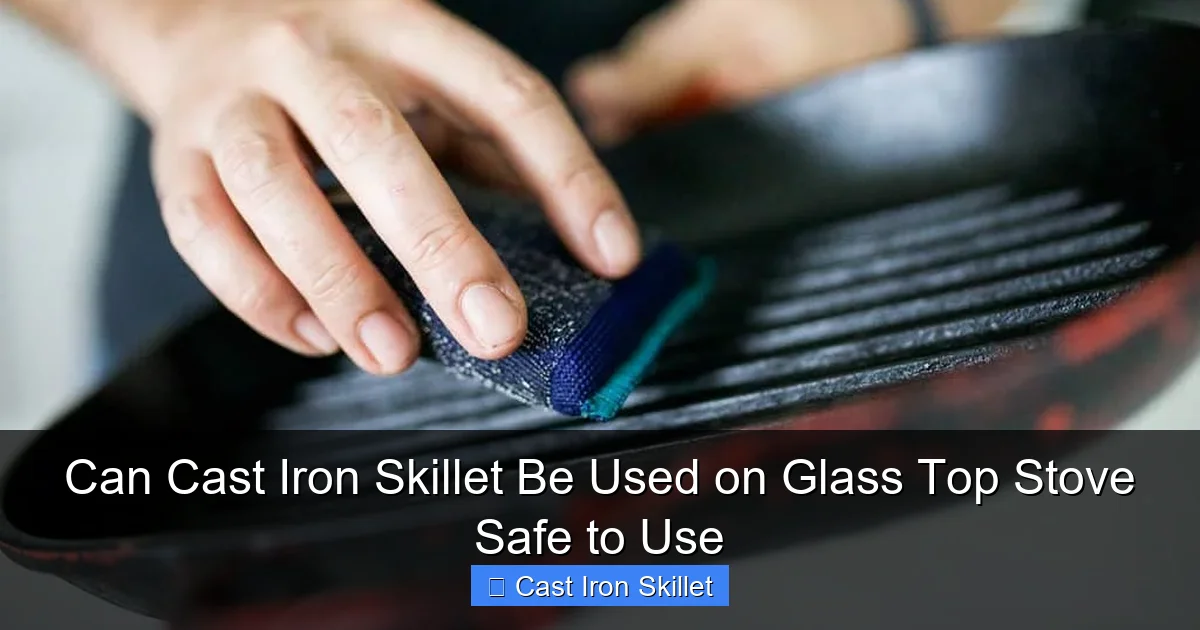
Let the skillet cool slightly but clean it while still warm. Pour out excess oil or fat. Use hot water and a stiff brush or chainmail scrubber to remove food particles. Avoid soap if possible, but a small amount of mild dish soap won’t harm modern seasoning.
Never soak cast iron in water. This causes rust and degrades the seasoning. Dry the skillet immediately with a towel, then place it back on the warm stove for 1-2 minutes to evaporate any remaining moisture. Apply a thin coat of oil before storing.
Cleaning the Glass Stove Surface
Wait until the stove is completely cool before cleaning. Sprinkle baking soda on any stuck-on residue. Spray with water and let sit for 5 minutes. Wipe with a soft cloth or sponge designed for glass stoves. For stubborn spots, use a razor blade scraper held at a 45-degree angle.
Avoid abrasive cleaners or steel wool pads. These will scratch the glass surface. Clean spills as they happen to prevent baking on.
Regular Seasoning Schedule
Season your cast iron skillet every 2-3 months with regular use. After cleaning and drying, apply a thin layer of oil and heat on the glass stove until it smokes lightly. This maintains the non-stick surface and prevents rust.
For heavily used skillets, you may need to season monthly. Signs that seasoning is needed include food sticking, a dull appearance, or rust spots.
Troubleshooting Common Issues
Even with careful use, problems can occur. Here’s how to address the most common issues when using cast iron on glass stoves.
Problem: White Haze or Residue on Glass
This is usually oil or food residue that has baked onto the glass surface. Let the stove cool completely. Apply a specialized glass stove cleaner or a paste of baking soda and water. Scrub gently with a non-abrasive pad. For tough spots, use a razor blade at a shallow angle. Prevent this by cleaning spills immediately.
Problem: Scratches on the Glass Surface
Minor micro-scratches are cosmetic and don’t affect performance. Deep scratches require professional assessment. Prevent scratches by always lifting your skillet. If you notice a scratch, inspect your skillet bottom for rough spots and smooth them with fine steel wool before using again.
Problem: Skillet Not Heating Evenly
This often happens when the burner is too small for the skillet. Use a larger burner or reduce the skillet size. Also, ensure your glass surface is level. An uneven stove can cause poor contact. Preheat both the glass and skillet gradually to allow even heat distribution.
Problem: Food Sticking to the Skillet
Usually caused by insufficient preheating or inadequate oil. Ensure your skillet is properly preheated before adding oil and food. Use enough oil to create a barrier between food and metal. If sticking occurs, your seasoning may need refreshing. Follow the seasoning steps above.
Problem: Strange Noises or Vibrations
A humming or vibrating sound can occur when heating cast iron on glass. This is normal and caused by the metal expanding. Reduce heat if the noise is excessive. If you hear cracking sounds, turn off the burner immediately and check for moisture between the skillet and glass.
When to Avoid Using Cast Iron on Glass Stoves
While cast iron works well in most situations, certain conditions make it less ideal.
New or Damaged Stoves
If your glass stove is less than 6 months old, avoid heavy cast iron until you’re familiar with its specific heat patterns. Also, never use cast iron on a cracked or chipped glass surface. The weight and heat can worsen damage.
Damaged or Warped Skillets
Inspect your skillet regularly. If the base is no longer flat, it won’t make proper contact with the glass surface. This creates uneven heating and potential hot spots that can crack your stove. Warped skillets also tip dangerously.
High-Moisture Cooking
Boiling large quantities of water in cast iron on glass stoves can cause issues. The extended heating time stresses both materials. For pasta or blanching vegetables, use a large pot with a flat base designed for glass stoves instead.
Power Outages or Inconsistent Power
If you live in an area with frequent power fluctuations, avoid using cast iron. The inconsistent heating can cause thermal stress to both the skillet and stove surface.
Conclusion: Confidence in Your Cooking Setup
Using a cast iron skillet on glass top stove is not only possible but can be incredibly rewarding. The combination gives you the superior heat retention of cast iron with the modern convenience of a smooth cooktop. Success comes down to respecting both materials and following the techniques outlined in this guide.
Remember to preheat gradually, never slide your skillet, match sizes to burners, and clean properly after each use. With these practices, you’ll enjoy years of delicious meals and perfectly seared steaks without damaging your expensive glass stove or ruining your favorite cookware.
Start with low to medium heat and build confidence. Your cast iron skillet will become your go-to pan for everything from breakfast eggs to dinner steaks, all while your glass stove stays pristine and scratch-free.