
Will Cast Iron Skillet Scratch a Glass Top Stove The Truth

Key Takeaways
- Cast iron can scratch glass stoves: The rough, porous surface of cast iron may leave marks on smooth glass surfaces if dragged or used roughly.
- Weight matters significantly: Cast iron’s heaviness increases pressure on glass, raising scratch risk compared to lighter pans.
- Clean pans prevent damage: Always wipe the bottom of your cast iron skillet before placing it on a glass cooktop.
- Gentle handling is crucial: Never slide or drag your cast iron across the glass surface. Always lift to move it.
- Temperature control protects your stove: Avoid overheating both the pan and the burner to prevent thermal stress cracks.
- Seasoned skillets are safer: Well-seasoned cast iron has a smoother surface than unseasoned or rusty pans.
- Alternatives exist: Consider using clad stainless steel or flat-bottomed pans for frequent glass stove use.
Will Cast Iron Skillet Scratch a Glass Top Stove? The Complete Truth
You love your cast iron skillet. It makes perfect cornbread. It creates amazing seared steaks. But you also love your smooth glass top stove. Now you’re wondering: can these two kitchen favorites coexist safely? This guide answers the burning question: will cast iron skillet scratch a glass top stove?
We’ll explore the science behind the risk. You’ll learn safe usage techniques. We’ll also cover what to do if you spot damage. By the end, you’ll confidently use your cast iron without fear.
Understanding Your Glass Top Stove
Before we discuss cast iron, let’s understand what we’re working with. Glass top stoves look sleek. They’re easy to clean. But they’re more delicate than traditional coil burners.
Visual guide about Will Cast Iron Skillet Scratch a Glass Top Stove The Truth
Image source: bestcastirons.com
How Glass Cooktops Work
Glass stoves use electric coils or induction elements beneath a ceramic-glass surface. The heat transfers through the glass to your cookware. This design creates a flat, smooth cooking area.
The glass is actually quite strong. It’s engineered to handle normal cooking weights. But it has limitations. The surface can scratch under certain conditions. It can also crack from sudden temperature changes or excessive pressure.
Why Glass is Different from Other Surfaces
Traditional coil burners have metal loops that sit below the cooktop level. Your pan rests on the coils. There’s no sliding across a surface. With glass, your cookware sits directly on the smooth panel. Any movement creates friction against the glass itself.
This direct contact is why technique matters so much. What works fine on coil burners can damage glass surfaces. The flatness that makes cleaning easy also makes scratching possible.
The Cast Iron Dilemma: Why There’s Risk
Cast iron skillets are kitchen workhorses. They hold heat well. They last generations. But their very qualities that make them great can threaten your glass stove.
Visual guide about Will Cast Iron Skillet Scratch a Glass Top Stove The Truth
Image source: servedfromscratch.com
The Weight Factor
Cast iron is heavy. A typical 10-inch skillet weighs 5-6 pounds empty. That weight increases when you add food. On a glass surface, this concentrated pressure can be problematic.
While glass stoves are designed to hold weight, the combination of heavy cast iron and improper handling creates risk. Dropping a pan or sliding it under pressure can cause damage. The weight also makes it harder to control movements precisely.
Surface Texture Matters
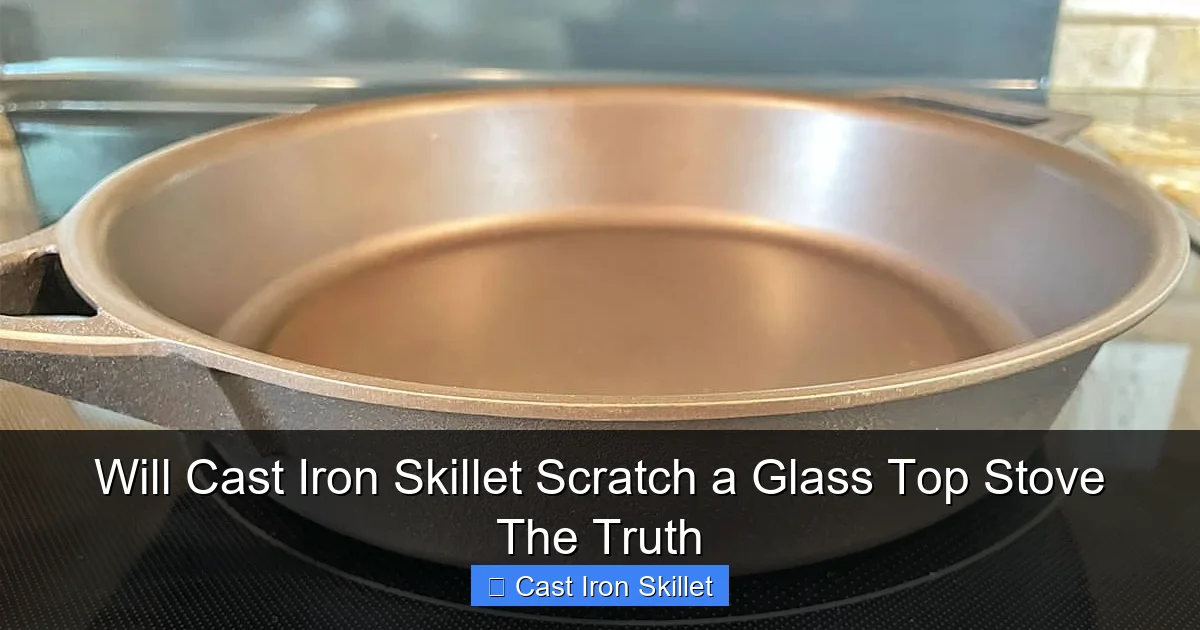
Most cast iron skillets have a slightly rough, pebbled texture on the bottom. This is natural from the casting process. Even well-seasoned pans retain some texture. That roughness is the enemy of smooth glass.
Think of it like sandpaper. Fine grit sandpaper won’t scratch wood immediately. But rub it with pressure, and you’ll see marks. Cast iron’s texture works similarly on glass. The more you slide it, the more likely you’ll leave tracks.
The Seasoning Factor
Seasoning creates a polymerized layer on cast iron. This layer can actually help. A well-maintained seasoning fills in microscopic pores. It creates a smoother surface than bare cast iron.
However, poorly seasoned pans are worse. Flaky seasoning, rust spots, or food debris create protrusions. These can dig into glass surfaces. That’s why pan maintenance matters for your stove’s health.
The Truth: Will Cast Iron Actually Scratch Glass?
Let’s answer the main question directly. Yes, cast iron skillets can and do scratch glass top stoves. But it’s not inevitable. Many people use cast iron on glass without problems. The difference is technique and awareness.
Visual guide about Will Cast Iron Skillet Scratch a Glass Top Stove The Truth
Image source: prudentreviews.com
Real-World Evidence
Manufacturer warranties often exclude “cookware-related scratches.” This tells you something. Repair technicians report seeing micro-scratches from cast iron regularly. Some are visible only at certain angles. Others are obvious white marks on the black glass.
Consumer reports show that scratching occurs most often during:
– Initial placement of a cold pan on a hot burner
– Sliding the pan to adjust position
– Removing a pan that’s stuck due to cooked-on food
– Cleaning with abrasive pads after cooking
Factors That Increase Scratch Risk
Not all cast iron use creates equal risk. These factors determine your danger level:
- Pan bottom condition: Rough, pitted, or rusty bottoms scratch more
- Movement style: Sliding vs. lifting pans
- Cleanliness: Food debris or grit between pan and glass
- Glass condition: Older glass with micro-abrasions is more vulnerable
- Pressure applied: Pressing down on the pan while cooking
Understanding these factors helps you control the risk. You can’t change your pan’s material. But you can control how you handle it.
Safe Practices: How to Use Cast Iron on Glass Stoves
Ready to use your cast iron safely? Follow these steps. They minimize scratch risk while letting you enjoy your favorite cookware.
Step 1: Prepare Your Pan
Start with a clean, dry cast iron skillet. Wipe the bottom thoroughly. Remove any dust, flour, or food particles. Check for rust spots or flaky seasoning. If you find any, address them before cooking.
For best results, lightly oil the pan’s cooking surface. But keep oil off the bottom exterior. Excess oil on the bottom can create sticky residues that grab glass and leave marks.
Step 2: Preheat Gently
Turn on your burner to medium-low first. Let the heat build gradually. Never start with high heat on a glass stove. Sudden temperature changes can stress the glass. They also cause food to stick more aggressively.
Place your empty cast iron on the burner. Let it heat slowly with the stove. This prevents thermal shock to both pan and glass. It also helps the seasoning expand evenly.
Step 3: The Critical Placement Technique
This is the most important step. Always lift your cast iron skillet. Never slide it across the glass. Position it directly over the burner you intend to use.
If you need to move it during cooking, lift completely. Set it down gently in the new position. Even small slides can create micro-scratches. Over time, these accumulate into visible damage.
Step 4: Cooking with Control
Cook at moderate temperatures. Cast iron holds heat well. You rarely need high settings. Medium or medium-low usually suffices. This protects both pan and stove.
Avoid pressing down on foods with a spatula. Excess pressure transfers through the pan to the glass. It can also cause sticking, which leads to scraping and potential scratches.
Step 5: Safe Removal and Cooling
When cooking ends, turn off the heat. Lift the pan off the glass surface. Don’t let it sit on hot glass longer than necessary. As the pan cools, it can contract slightly. This movement might create tiny scratches.
Place the hot skillet on a trivet or heat-safe surface. Never set it directly on countertops. Let it cool completely before cleaning. This prevents warping and maintains seasoning integrity.
Step 6: Proper Cleaning and Storage
Clean your cooled cast iron with hot water and a soft brush. Avoid steel wool or abrasive scrubbers on the bottom surface. Dry immediately and thoroughly. Apply a thin oil layer to prevent rust.
Store your skillet properly. Don’t stack other pans inside it. The rough edges of other cookware can damage the cooking surface. Keep it in a dry place to maintain the seasoning.
Alternative Cookware for Frequent Glass Stove Use
Maybe you’re thinking: “Should I just avoid cast iron altogether?” That’s one solution. But there are middle-ground options that give you cast iron benefits with less risk.
Enameled Cast Iron
Enameled cast iron has a smooth glass coating. This coating eliminates the rough texture. It’s much gentler on glass stoves. Brands like Le Creuset and Staub are popular choices.
The downside? Enameled cast iron costs more. The enamel can chip if handled roughly. And some cooking traditionalists say it doesn’t season the same way. But for glass stove owners, it’s an excellent compromise.
Clad Stainless Steel
Quality stainless steel cookware has an aluminum or copper core. This gives you even heating similar to cast iron. The stainless exterior is smooth and glass-safe.
Look for pans with fully clad construction. They should have flat, heavy bottoms. Avoid cheap stainless steel that warps easily. Good clad stainless costs more than cast iron. But it’s gentler on your cooktop.
Carbon Steel Options
Carbon steel pans are lighter than cast iron. They heat quickly and evenly. Their surface is smoother than traditional cast iron. Many professional chefs use them as a lighter alternative.
Like cast iron, carbon steel benefits from seasoning. But the smoother base makes it less risky for glass stoves. It’s worth considering if you want cast iron performance without the weight.
When to Choose Each Option
Use traditional cast iron for:
– High-heat searing when you can monitor carefully
– Oven-finishing dishes (remove from glass stove first)
– Campfire or outdoor cooking where damage doesn’t matter
Use enameled or stainless for:
– Daily cooking on your glass stove
– Cooking acidic foods like tomatoes
– When you have kids or less experienced cooks in the kitchen
If you love cooking roasts, you might prefer using your cast iron in the oven. For perfect results, check out how to cook a sirloin tip roast perfectly. This method lets you sear in cast iron then finish in the oven without worrying about your glass stove.
Troubleshooting Common Issues
What if you already see marks? Don’t panic. Not all damage is catastrophic. Here’s how to assess and address problems.
Identifying Different Types of Marks
Smudges and Discoloration: These are often from food residues or oils burned onto the glass. They’re not scratches. Clean with a glass stove cleaner and a soft cloth. They should disappear.
Micro-scratches: These are tiny hairline marks visible only at certain angles. They don’t affect cooking performance. They’re mostly cosmetic. Prevention is the only fix.
Visible Scratches: These are white or light-colored lines you can feel with your fingernail. They’re permanent. They may catch bits of food during cooking. You’ll need special cleaners or possibly professional repair.
Immediate Actions If You See Scratches
Stop using the affected burner if possible. Avoid sliding any cookware across the scratched area. Clean the surface gently with a non-abrasive cleaner. Don’t use razor blades or steel wool, which make things worse.
For shallow marks, some glass stove owners use specialized scratch removal kits. These contain fine polishing compounds. Results vary. Deep scratches usually require professional assessment.
When to Call a Professional
Contact a technician if:
– You see cracks, not just scratches
– The glass surface feels uneven or raised
– Burner performance seems affected
– Scratches are deep enough to catch your nail
Minor cosmetic scratches don’t threaten functionality. But deep damage can compromise the glass’s integrity. Better safe than sorry with expensive cooktop repairs.
Preventing Future Damage
The best troubleshooting is prevention. Review your technique. Are you lifting pans or sliding them? Is your cast iron clean before use? Are you cooking at appropriate temperatures?
Consider using a silicone trivet or pan protector. Some cooks place a thin, heat-resistant mat between pan and glass. This adds a layer of protection. But ensure the mat is designed for cooktop use. Regular trivets can melt or smoke.
Long-Term Care for Your Glass Stove
Protecting your glass stove extends beyond cast iron. Good habits preserve the surface for years. They also make cooking more enjoyable.
Daily Cleaning Routine
Wipe your glass stove after each use. Use a soft cloth or sponge. Wait until the surface cools completely. Hot glass can crack from cold water. Let it reach room temperature first.
For stuck-on food, use a ceramic glass cleaner. Spray it on the cool surface. Let it sit for a minute. Wipe with a clean, damp cloth. Buff dry with a microfiber towel. This prevents water spots.
Deep Cleaning Monthly
Once a month, do a thorough cleaning. Remove all burners or knobs if possible. Use a dedicated glass stove cleaner paste. Apply it with a soft cloth. Work in circular motions. This lifts stubborn residues.
Pay attention to edges where the glass meets the frame. Food particles collect there. They can scratch the glass if dragged across during cleaning.
Seasonal Maintenance
Every few months, inspect your cookware. Check pan bottoms for roughness. Look for signs of warping. Replace any cookware that’s no longer flat. Warped pans don’t heat evenly. They also rock on the glass, creating uneven pressure points.
This is also a good time to review your cooking techniques. Watch yourself as you cook. Are you sliding pans unnecessarily? Do you lift cookware when moving it? Small habit changes prevent big damage.
Making the Decision: Should You Use Cast Iron?
We’ve covered a lot of information. Now you need to decide: is using cast iron on your glass stove worth the risk?
Assessing Your Situation
Consider these questions:
- How old is your stove? New stoves have more durable glass.
- How often do you cook with cast iron? Occasional use poses less risk than daily use.
- Are you confident in your technique? Careful cooks can minimize problems.
- Can you afford potential repairs? This might influence your comfort level.
- Do you have alternative cookware? If yes, you can reserve cast iron for special dishes.
The Balanced Approach
Most cooks find a middle ground works best. They keep their cast iron for specific recipes where it truly shines. They use gentler cookware for everyday meals. This compromise lets them enjoy both their favorite pan and their beautiful stove.
For instance, you might use cast iron for:
– Cornbread or skillet cookies
– High-heat steak searing
– Campfire-style cooking indoors
And use stainless steel or non-stick for:
– Morning eggs
– Weeknight pasta sauces
– Acidic foods like tomato sauce
Final Recommendations
If you decide to use cast iron on glass, commit to doing it right. Learn proper technique. Maintain your pans meticulously. Never rush or force anything. The effort pays off in preserved cookware and a beautiful stove.
Remember that all cookware eventually shows wear. A few micro-scratches are normal. They don’t affect cooking performance. Don’t stress over perfection. Focus on mindful cooking habits instead.
Conclusion: The Truth About Cast Iron and Glass Stoves
Will cast iron skillet scratch a glass top stove? Yes, it can. But it doesn’t have to. The risk depends entirely on how you use and handle your cookware. Proper technique makes a huge difference.
The key points to remember are simple: lift, don’t slide. Keep pans clean. Cook at moderate temperatures. Use appropriate pressure. These habits protect your investment in both your cookware and your stove.
Consider your cooking style and stove age when making decisions. For many households, a balanced approach works best. Reserve cast iron for special dishes. Use gentler cookware for daily meals.
Your cast iron skillet is a treasure. It can last your lifetime if cared for properly. Your glass stove is also an investment worth protecting. With mindful use, both can coexist beautifully in your kitchen.
Now you know the truth. You have the knowledge to make informed choices. Cook with confidence and enjoy the best of both worlds.
