Are Aluminum Frying Pan Safe for Cooking Find Out Now

Aluminum frying pans are popular for their excellent heat conduction and affordability. However, many wonder if they are safe for cooking. This article breaks down the facts, safety concerns, and how to use aluminum pans healthily and effectively.
Key Takeaways
- Aluminum is a great heat conductor: It heats quickly and evenly, making cooking efficient.
- Uncoated aluminum can react with acidic foods: This may affect taste and appearance of dishes.
- Cooking with anodized or coated aluminum is safer: These pans have a protective layer that prevents aluminum leaching.
- Minimal aluminum intake from pans is generally safe: Experts say the amount transferred to food is low and not harmful.
- Maintaining your pan properly boosts safety: Avoid scratching or using harsh cleaners on coated pans.
- Aluminum pans are lightweight and affordable: They are a practical choice for everyday cooking.
- Use caution with acidic or salty foods in bare aluminum pans: They can cause corrosion and leaching.
📑 Table of Contents
Are Aluminum Frying Pans Safe for Cooking? Find Out Now
Aluminum frying pans have been a kitchen staple for decades. They’re loved for their light weight, affordability, and excellent heat conduction. But with all the chatter about cookware safety, many people wonder: are aluminum frying pans safe to cook with? In this article, we’ll explore the science behind aluminum cookware, the health concerns, and how you can use these pans safely in your kitchen.
If you own an aluminum pan or are thinking about buying one, it’s important to understand both its benefits and limitations. This way, you can make an informed choice that suits your cooking style and health preferences.
Understanding Aluminum Cookware
What Makes Aluminum So Popular?
Aluminum is one of the most commonly used metals in cookware because it heats up quickly and distributes heat evenly. This means your food cooks faster and more uniformly, which is a huge advantage when frying or sautéing.
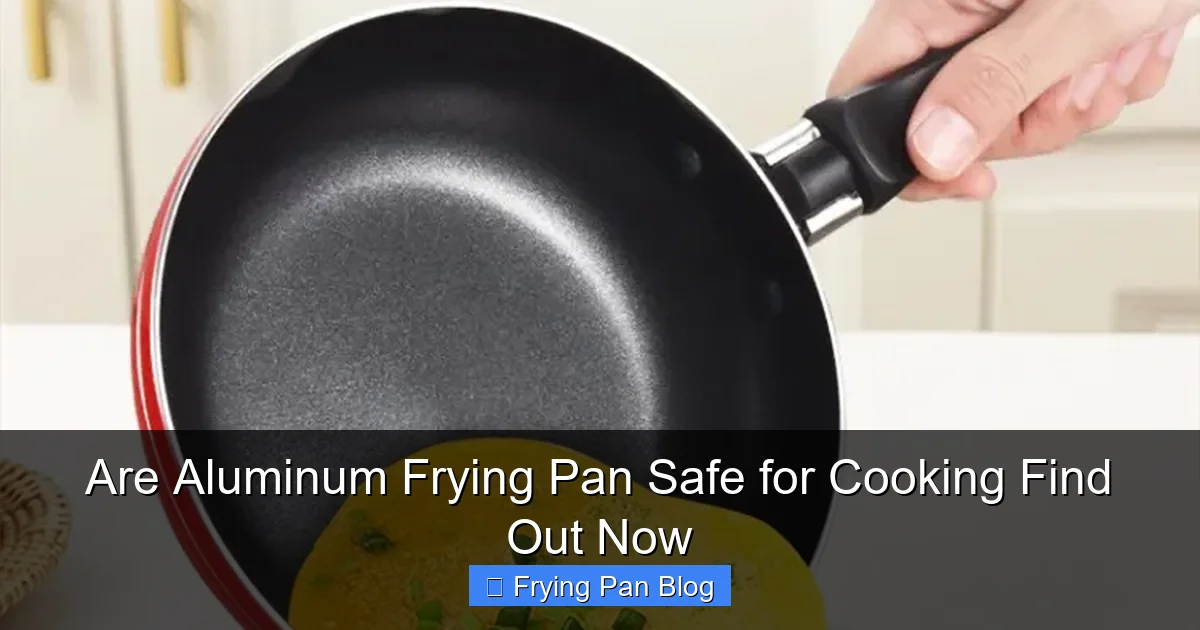
Visual guide about Are Aluminum Frying Pan Safe for Cooking Find Out Now
Image source: allniceofficial.com
It’s also lightweight, so handling an aluminum pan is much easier than lifting a heavy cast iron skillet. Plus, aluminum pans tend to be more affordable compared to stainless steel or copper alternatives.
Types of Aluminum Frying Pans
Before diving into safety, it’s good to know the types of aluminum pans available:
- Raw or Uncoated Aluminum: These pans have no protective coating. The metal is exposed directly to food.
- Anodized Aluminum: Anodizing hardens the surface of the aluminum. This process creates a durable, non-reactive layer that resists corrosion and scratching.
- Non-stick Coated Aluminum: Aluminum pans coated with non-stick materials like Teflon or ceramic. These coatings prevent food from sticking and protect the metal underneath.
Is Cooking with Aluminum Frying Pans Safe?
Concerns About Aluminum Leaching
One common concern is that aluminum can leach into food during cooking. This is especially true with uncoated aluminum pans when cooking acidic foods like tomatoes, citrus, or vinegar-based sauces. The acid can react with the aluminum, causing a metallic taste and potentially increasing aluminum content in your meal.
But how much aluminum actually ends up in your food? Studies show that the amount is generally very low and not considered harmful for healthy individuals. The World Health Organization (WHO) has set a safe limit for daily aluminum intake, and normal cooking with aluminum pans stays well below this limit.
Health Risks Linked to Aluminum
Some have linked aluminum exposure to health issues like Alzheimer’s disease. However, current scientific evidence does not support a direct connection between aluminum from cookware and such diseases. The aluminum we get from food, water, and cookware is usually in tiny amounts.
Still, if you have kidney problems or other health concerns, it’s wise to consult your doctor before using aluminum cookware extensively.
How to Use Aluminum Frying Pans Safely
Choose Anodized or Coated Pans
To minimize any risk, opt for anodized aluminum frying pans or those with a non-stick coating. These have a protective barrier that prevents food from coming into direct contact with raw aluminum.
Avoid Cooking Acidic or Salty Foods in Raw Aluminum Pans
If you use uncoated aluminum pans, avoid cooking acidic or salty dishes. These ingredients can wear down the metal, causing pitting and increasing the chance of aluminum leaching.
Maintain Your Pan Properly
Scratches or damage to the surface of coated or anodized pans can reduce their protective layer. Use soft sponges and avoid abrasive cleaners. Hand washing is usually better than putting aluminum pans in the dishwasher.
Replace Old or Damaged Pans
Over time, aluminum pans can degrade. If you notice discoloration, pitting, or flaking of the surface, it’s time to replace your pan to avoid any potential contamination.
Benefits of Aluminum Frying Pans
Excellent Heat Conduction
Aluminum pans heat up quickly and distribute heat evenly across the cooking surface. This reduces hot spots and helps you cook food more consistently.
Lightweight and Easy to Handle
If you struggle with heavier pans, aluminum is a great choice. Its light weight makes it easier to flip, toss, and carry your food.
Cost-Effective Option
Aluminum pans are usually less expensive than other metals. This makes them perfect for beginner cooks or those on a budget.
Versatility
They come in various sizes and styles, suitable for frying, sautéing, and even baking in some cases.
Common Myths About Aluminum Frying Pans
Aluminum Causes Alzheimer’s Disease
This myth has been debunked by numerous studies. The consensus among scientists is that everyday exposure to aluminum through cookware does not increase Alzheimer’s risk.
All Aluminum Pans Are Unsafe
Not true! Anodized and coated aluminum pans are safe and widely used in households and professional kitchens.
Aluminum Pans React with All Foods
Aluminum only reacts with acidic and salty foods when the metal is uncoated. Most cooking doesn’t involve these reactions.
Conclusion: Should You Use Aluminum Frying Pans?
Aluminum frying pans are safe for cooking, especially when you choose anodized or coated varieties. They offer excellent heat conduction, are lightweight, and budget-friendly. The small amount of aluminum that might leach into food from uncoated pans is generally not harmful for healthy people. However, if you want to be extra cautious, avoid cooking acidic or salty foods in bare aluminum pans and replace damaged cookware promptly.
Ultimately, aluminum frying pans can be a reliable and safe part of your kitchen arsenal when used and maintained correctly. Now that you know the facts, you can cook confidently with aluminum pans and enjoy tasty meals every day!
🎥 Related Video: Aluminium Cookware: Toxic or Not?
📺 krishashok
Aluminium is the most common metal on the earth’s crust. In fact, 8% of the earth’s surface is Aluminium. It’s everywhere – in the …
Frequently Asked Questions
Are aluminum frying pans toxic?
Aluminum frying pans are not toxic when used properly. The amount of aluminum that may transfer to food is very small and considered safe for most people.
Is anodized aluminum safer than regular aluminum?
Yes, anodized aluminum has a hard, non-reactive surface that prevents aluminum from leaching into food, making it safer than raw aluminum pans.
Can I cook acidic foods in aluminum pans?
It’s best to avoid cooking acidic foods like tomatoes or citrus in uncoated aluminum pans, as the acid can react with the metal. Use coated or anodized pans instead.
Do aluminum pans damage the food’s taste?
Raw aluminum pans can sometimes give food a metallic taste, especially with acidic dishes. Coated or anodized pans prevent this issue.
Are aluminum pans dishwasher safe?
Many aluminum pans, especially uncoated ones, are not dishwasher safe because detergents can damage the surface. Hand washing is recommended.
How do I maintain my aluminum frying pan?
To keep your aluminum pan safe and in good condition, avoid abrasive cleaners, use soft sponges, and replace the pan if the surface becomes scratched or damaged.
