Are Aluminum Frying Pans Good for Everyday Cooking Find Out Now

Aluminum frying pans are a popular choice for everyday cooking due to their excellent heat conductivity and affordability. While they have some drawbacks like potential warping and reactivity with acidic foods, proper coatings and care can make them a reliable kitchen tool. Find out how aluminum pans stack up and if they’re right for your cooking style.
Key Takeaways
- Excellent Heat Conductivity: Aluminum heats up quickly and evenly, making it great for consistent cooking results.
- Lightweight and Affordable: Aluminum pans are easy to handle and budget-friendly compared to other metals.
- Reactivity Concerns: Untreated aluminum can react with acidic foods, which may affect flavor and pan durability.
- Coated Options Improve Safety: Nonstick or anodized aluminum pans reduce reactivity and are easier to clean.
- Durability Varies: Aluminum pans can warp under high heat but proper care extends their lifespan.
- Maintenance Tips: Hand washing and avoiding metal utensils help maintain aluminum pans.
- Great for Everyday Use: With the right choice and care, aluminum frying pans are excellent for daily cooking tasks.
Quick Answers to Common Questions
Are aluminum frying pans safe to use?
Yes, aluminum pans are safe, especially if they are anodized or have a nonstick coating that prevents food from touching raw aluminum.
Do aluminum pans react with food?
Uncoated aluminum can react with acidic foods, potentially altering taste and appearance. Coated or anodized pans reduce this risk significantly.
Can I use metal utensils on aluminum pans?
It’s best to avoid metal utensils to prevent scratching. Use wooden, silicone, or plastic utensils instead.
How do I clean aluminum frying pans?
Hand wash with mild soap and a soft sponge. Avoid abrasive cleaners and sudden temperature changes to prevent damage.
Do aluminum pans warp easily?
Thin aluminum pans may warp if exposed to high heat or rapid temperature changes, so handle with care.
📑 Table of Contents
Introduction
When it comes to choosing the perfect frying pan, the options can feel endless. From stainless steel to cast iron, each type has its fans and critics. One popular contender is the aluminum frying pan, known for its lightweight feel and quick heating. But are aluminum frying pans truly good for everyday cooking? That’s the question many home cooks ask before investing in a new skillet.
In this article, we’ll explore the ins and outs of aluminum frying pans. We’ll look at their benefits, potential downsides, and what to consider before adding one to your kitchen. Whether you’re a beginner or a seasoned cook, understanding how aluminum pans perform will help you make an informed choice. Let’s dive in and find out if aluminum frying pans are the right fit for your daily cooking needs.
Why Choose Aluminum Frying Pans?
Exceptional Heat Conductivity
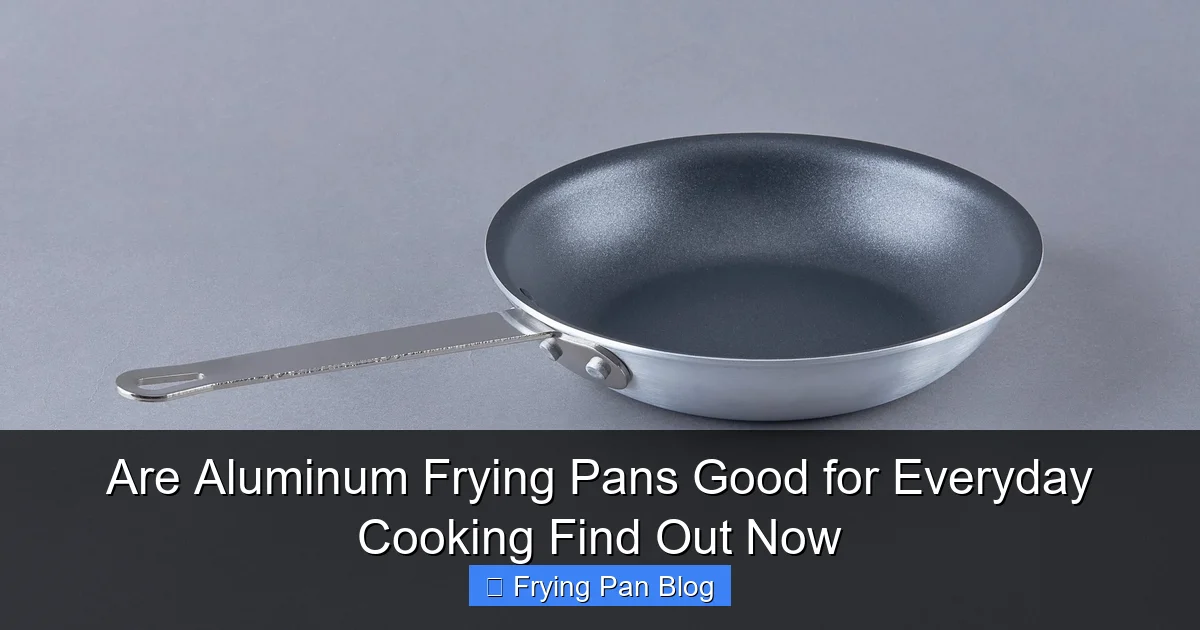
One of the biggest advantages of aluminum frying pans is their excellent heat conductivity. Aluminum heats up quickly and distributes heat evenly across the surface. This means your food cooks uniformly without hot spots, which is crucial for frying, sautéing, or searing. If you’re tired of unevenly cooked meals, aluminum pans can be a game-changer.
Visual guide about Are Aluminum Frying Pans Good for Everyday Cooking Find Out Now
Image source: images.squarespace-cdn.com
Lightweight and Easy to Handle
Unlike cast iron or stainless steel pans, aluminum skillets are lightweight. This makes them easy to lift, flip, and maneuver, especially during long cooking sessions. For those who find heavy pans cumbersome, aluminum offers a comfortable cooking experience without compromising performance.
Cost-Effective Option
Aluminum frying pans are generally more affordable than other metals. Whether you’re outfitting a new kitchen or replacing an old pan, aluminum gives you good value for your money. You can find quality aluminum pans at a fraction of the price of some premium stainless steel or copper options.
Potential Drawbacks of Aluminum Pans
Reactivity With Acidic Foods
One common concern with aluminum pans is their reactivity. Pure aluminum can react with acidic foods like tomatoes, vinegar, or citrus, sometimes resulting in a metallic taste or discoloration. This reaction can also damage the pan’s surface over time, reducing its lifespan.
Prone to Warping
Aluminum pans tend to be thinner than other types, which can make them susceptible to warping when exposed to high heat or sudden temperature changes. For example, moving a hot pan directly into cold water can cause it to warp, affecting cooking performance.
Scratches and Maintenance
Because aluminum is softer than stainless steel, it can scratch and dent more easily. Using metal utensils or abrasive cleaning tools can damage the pan’s surface. Without proper coatings, these scratches can lead to quicker deterioration.
Types of Aluminum Frying Pans
Uncoated Aluminum Pans
These pans consist of bare aluminum and are often the most affordable. They offer excellent heat conductivity but require cautious use with acidic foods. They also need seasoning or careful cleaning to prevent oxidation and discoloration.
Anodized Aluminum Pans
Anodizing is a process that hardens the aluminum surface, making it more durable and resistant to corrosion. Anodized pans are less reactive and offer a nonstick-like surface without additional coatings. They’re a popular choice for daily use because they balance performance and durability.
Nonstick Coated Aluminum Pans
Many aluminum pans come with a nonstick coating, which makes cooking and cleaning easier. These coatings prevent food from sticking and reduce the risk of reactivity. However, nonstick surfaces can wear off over time and require gentle care to maintain.
Practical Tips for Using Aluminum Frying Pans
Choose the Right Pan for Your Needs
If you often cook acidic dishes, consider anodized or nonstick aluminum pans. These types reduce the chance of chemical reactions and preserve flavor. For high-heat searing, avoid pans that are too thin to prevent warping.
Proper Heating Techniques
Aluminum pans heat quickly, so start with medium heat and adjust as needed. Avoid sudden temperature changes, like placing a hot pan under cold water, to prevent warping. Preheat the pan gently before adding oil or ingredients.
Use Appropriate Utensils
To protect the pan’s surface, use wooden, silicone, or plastic utensils instead of metal ones. This helps prevent scratches and prolongs the life of nonstick coatings.
Cleaning and Maintenance
Hand wash aluminum pans with mild detergent and a soft sponge. Avoid abrasive scrubbers that can damage the surface. For stubborn stains, soak the pan in warm soapy water before cleaning. Dry thoroughly to prevent oxidation.
Comparing Aluminum to Other Frying Pan Materials
Aluminum vs. Stainless Steel
Stainless steel pans are heavier and often pricier but offer great durability and non-reactive cooking surfaces. Aluminum heats faster and more evenly but can react with certain foods unless coated. For quick, even cooking at a lower cost, aluminum is a solid choice.
Aluminum vs. Cast Iron
Cast iron pans retain heat longer and are excellent for high-temperature cooking, but they’re heavy and require seasoning. Aluminum is lightweight and heats up faster but doesn’t hold heat as long. If you want ease and speed, aluminum pans excel; for heat retention and durability, cast iron wins.
Aluminum vs. Copper
Copper pans offer unparalleled heat control but come at a high price and require polishing. Aluminum offers similar heat conductivity at a fraction of the cost. Anodized aluminum or copper-clad aluminum pans provide a good middle ground.
Conclusion: Are Aluminum Frying Pans Good for Everyday Cooking?
Aluminum frying pans are an excellent choice for everyday cooking when you understand their strengths and limitations. Their superb heat conductivity, lightweight design, and affordability make them ideal for many kitchens. Choosing anodized or nonstick-coated aluminum pans helps avoid common issues like reactivity and warping.
With proper care—gentle cleaning, careful heating, and using the right utensils—aluminum frying pans can last for years and deliver consistent cooking results. Whether you’re frying eggs, sautéing vegetables, or searing meats, aluminum pans offer versatility and convenience that many home cooks appreciate.
So, are aluminum frying pans good for everyday cooking? Absolutely. Just pick the right type and treat it well, and you’ll have a trusty pan that performs beautifully day after day.
🎥 Related Video: Aluminum vs Anodized Aluminum Cookware | Which Is Better?
📺 I Want To Cook
Aluminum and anodized aluminum cookware each have their pros and cons. Chef and food writer Matt Degen sorts out the …
Frequently Asked Questions
What makes aluminum frying pans heat better than others?
Aluminum has excellent heat conductivity, which means it heats up quickly and evenly. This helps cook food uniformly without hot spots.
Are anodized aluminum pans better than regular aluminum pans?
Yes, anodized aluminum pans have a harder surface that resists scratching and won’t react with acidic foods, making them more durable and safer.
Can I use aluminum pans on induction cooktops?
Pure aluminum is not magnetic and won’t work on induction cooktops unless it has a magnetic base layer specifically designed for induction.
How long do aluminum frying pans typically last?
With proper care, aluminum frying pans can last several years, especially if they are anodized or nonstick coated and handled gently.
Is it okay to put aluminum pans in the dishwasher?
It’s generally not recommended to put aluminum pans in the dishwasher as harsh detergents and high heat can damage the surface and cause discoloration.
What dishes are best cooked in aluminum frying pans?
Aluminum pans are great for frying eggs, pancakes, sautéing vegetables, and searing meats due to their quick and even heating.