
Are Ceramic Frying Pans Bad for You Discover the Truth Today

Ceramic frying pans have become popular for their non-stick properties and sleek design. But are ceramic frying pans bad for you? The good news is that high-quality ceramic pans are generally safe, free from harmful chemicals like PFOA and PTFE, and offer a healthy cooking option when used properly.
Key Takeaways
- Ceramic coatings are typically free from toxic chemicals: They don’t contain PFOA or PTFE, which are common concerns in traditional non-stick pans.
- High-quality ceramic pans are safe for everyday cooking: They don’t release harmful fumes or chemicals when heated properly.
- Low-quality or damaged ceramic pans may pose risks: Scratched or degraded ceramic coatings can flake off and affect food safety.
- Ceramic pans require careful use and maintenance: Avoid high heat and metal utensils to extend their lifespan and keep them safe.
- Ceramic cookware offers an eco-friendly alternative: They are often made from natural materials and are more environmentally friendly than some traditional non-stick options.
- Proper cleaning and storage are essential: Hand wash with mild detergents and avoid abrasive scrubbers to maintain the ceramic coating.
- Choosing reputable brands matters: Investing in quality ceramic pans ensures better safety and performance over time.
Quick Answers to Common Questions
Are ceramic frying pans free from harmful chemicals?
Yes, most ceramic frying pans do not contain chemicals like PFOA or PTFE, making them a safer choice than traditional non-stick pans.
Can ceramic pans withstand high heat?
Ceramic pans perform best on medium to low heat. High heat can damage the ceramic coating and reduce its lifespan.
Is it safe to use metal utensils on ceramic pans?
No, metal utensils can scratch and damage the ceramic coating. Use wooden, silicone, or plastic utensils instead.
How do I clean my ceramic frying pan?
Hand wash with mild detergent and a soft sponge. Avoid abrasive cleaners and dishwashers to protect the coating.
Will ceramic coating peel off into my food?
If the pan is scratched or damaged, small flakes can come off. It’s best to replace a pan once the coating shows signs of wear.
📑 Table of Contents
- Are Ceramic Frying Pans Bad for You? Discover the Truth Today
- Understanding Ceramic Frying Pans
- Are Ceramic Frying Pans Safe to Use?
- Health Benefits of Using Ceramic Frying Pans
- How to Use and Care for Your Ceramic Frying Pan
- Common Concerns and Misconceptions
- Choosing the Right Ceramic Frying Pan
- Conclusion: Should You Use Ceramic Frying Pans?
Are Ceramic Frying Pans Bad for You? Discover the Truth Today
If you’ve ever shopped for cookware, you’ve probably noticed ceramic frying pans gaining popularity. Their sleek look, non-stick surface, and promise of healthier cooking have caught the eye of many home cooks. But with so many debates online, you might wonder: are ceramic frying pans bad for you? It’s a valid question. After all, what we cook with directly impacts our health.
In this article, we’ll dive deep into the safety, benefits, and potential risks of ceramic frying pans. By the end, you’ll know exactly what to look for and how to use ceramic cookware safely, so you can cook with confidence.
Understanding Ceramic Frying Pans
What Are Ceramic Frying Pans?
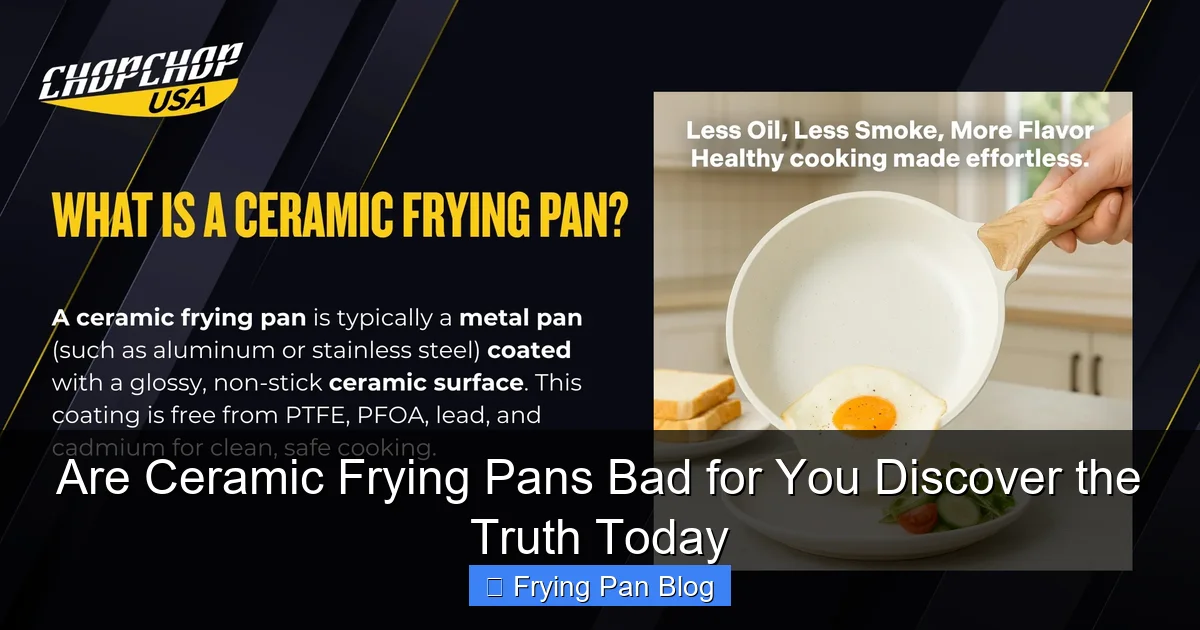
Ceramic frying pans are cookware coated with a layer made from inorganic minerals, primarily silica, derived from sand. This ceramic coating gives the pan a smooth, non-stick surface without relying on synthetic chemicals.
Visual guide about Are Ceramic Frying Pans Bad for You Discover the Truth Today
Image source: cdn.shopify.com
How Do They Compare to Traditional Non-Stick Pans?
Traditional non-stick pans often use coatings like Teflon, which contain chemicals such as PTFE (polytetrafluoroethylene) and PFOA (perfluorooctanoic acid). These chemicals have raised health concerns over the years, especially when overheated.
Ceramic pans, on the other hand, are marketed as a safer alternative because they don’t use PTFE or PFOA. This difference is a major reason many people consider switching to ceramic cookware.
Are Ceramic Frying Pans Safe to Use?
The Truth About Toxic Chemicals
The main worry with many non-stick pans is exposure to toxic fumes or chemicals. Ceramic frying pans generally don’t contain PTFE or PFOA, making them less likely to release harmful substances during cooking.
However, it’s important to note that the safety depends heavily on the quality of the ceramic coating. High-quality ceramic coatings are stable and inert, meaning they won’t leach chemicals into your food.
What Happens When Ceramic Coating Gets Damaged?
Over time, ceramic coatings can wear down or chip if not cared for properly. When this happens, tiny ceramic particles might mix with your food. While ceramic itself is non-toxic, eating flakes from deteriorated pans isn’t ideal and could affect the pan’s performance.
To avoid this, never use metal utensils or abrasive scrubbers on ceramic pans, and don’t overheat them beyond recommended temperatures.
Health Benefits of Using Ceramic Frying Pans
Cooking with Less Oil
One of the biggest health advantages of ceramic pans is their excellent non-stick surface. This means you can cook with little or no oil, reducing fat intake and calories in your meals.
Free from Harmful Chemicals
Since they don’t contain PTFE or PFOA, ceramic frying pans reduce your exposure to potential toxins that might be released from traditional non-stick coatings.
Environmentally Friendly Choice
Ceramic coatings often use natural materials and manufacturing processes that are less harmful to the environment. Choosing ceramic pans supports a more sustainable kitchen.
How to Use and Care for Your Ceramic Frying Pan
Best Practices for Cooking
- Use Medium to Low Heat: Ceramic pans conduct heat well. High heat can damage the coating and shorten the pan’s life.
- Avoid Metal Utensils: Use wooden, silicone, or plastic tools to prevent scratching the surface.
- Don’t Preheat Empty: Heating an empty ceramic pan can cause overheating and damage.
Cleaning Tips
- Hand Wash Only: Avoid dishwashers as harsh detergents and high heat can degrade ceramic coatings.
- Use Mild Detergent: Gentle soaps preserve the ceramic surface better.
- Soft Sponges Only: Avoid abrasive scrubbers that can scratch the coating.
Storage Advice
Stacking pans can lead to scratches. If you need to stack, place a soft cloth or paper towel between pans.
Common Concerns and Misconceptions
Do Ceramic Pans Release Toxic Fumes?
No, ceramic pans do not release toxic fumes like overheated Teflon pans can. However, always avoid overheating any cookware.
Is Ceramic Cookware Durable?
Ceramic coatings are durable but not indestructible. Proper care extends their lifespan, but expect some wear after years of use.
Are Ceramic Pans Truly Non-Stick?
Yes, when new and well-maintained, ceramic pans have excellent non-stick properties. Over time, this effect may lessen.
Choosing the Right Ceramic Frying Pan
Look for Trusted Brands
Invest in ceramic pans from reputable manufacturers with good reviews and clear ingredients. This ensures quality coatings and safer materials.
Check the Coating Thickness
Thicker coatings tend to last longer and resist chipping better.
Consider Pan Construction
Pans with heavy-gauge aluminum bases provide even heating and better cooking results.
Price vs. Quality
While cheaper ceramic pans are available, they may use lower-grade coatings that wear quickly or contain fillers. Spending a bit more on quality pays off in safety and longevity.
Conclusion: Should You Use Ceramic Frying Pans?
So, are ceramic frying pans bad for you? The answer is generally no. High-quality ceramic frying pans are a safe and healthy option for everyday cooking. They don’t contain harmful chemicals like PFOA and PTFE, allow you to cook with less oil, and provide a non-stick surface that makes meal prep easier.
Like any cookware, ceramic pans require proper handling. Avoid high heat, metal utensils, and abrasive cleaning to keep your pan safe and effective. Choosing a trusted brand and caring for your pan will ensure you enjoy the benefits for years to come.
In summary, ceramic frying pans are a smart choice if you want non-toxic, non-stick cookware. With the right use and maintenance, they are definitely good for you and your kitchen.
🎥 Related Video: The Truth About Nonstick and Ceramic Pans
📺 Jon Kung
Let’s talk about nonstick and ceramic pans. Are they safe? Should you be worried about PFAs? Is ceramic better? What kind of …
Frequently Asked Questions
What makes ceramic frying pans different from regular non-stick pans?
Ceramic pans use a mineral-based coating instead of synthetic chemicals like PTFE. This makes them less likely to release harmful substances and often more environmentally friendly.
Are ceramic frying pans suitable for induction cooktops?
Some ceramic pans have a magnetic base compatible with induction cooktops, but not all. Check the manufacturer’s specifications before buying.
How long does the ceramic coating last?
The lifespan varies depending on use and care but typically ranges from 1 to 3 years. Proper maintenance can extend this period.
Can I use ceramic pans in the oven?
Many ceramic frying pans are oven-safe up to certain temperatures, usually around 350-450°F. Always check your pan’s guidelines.
Are ceramic frying pans dishwasher safe?
Most manufacturers recommend hand washing ceramic pans to preserve the coating. Dishwashing can cause premature wear.
Does cooking with ceramic pans affect food taste?
Ceramic pans are non-reactive, so they do not impart any metallic or plastic flavors to your food, keeping taste natural and fresh.