
Are Frying Pan Recyclable Find Out How To Recycle Them Properly

Are frying pans recyclable? Many people wonder what to do with old frying pans. This article explains the recycling options for frying pans and offers practical tips on how to recycle them properly. Say goodbye to confusion and help protect the environment with the right recycling methods.
Key Takeaways
- Frying pans are often made of recyclable materials: Most have metal components that can be recycled.
- Non-stick coatings complicate recycling: These coatings can affect how pans are processed.
- Recycling centers have different rules: Always check local guidelines before recycling a frying pan.
- Reuse and repurpose first: Consider donating or repurposing before recycling.
- Proper preparation helps: Remove any non-metal parts and clean the pan to improve recycling chances.
- Scrap metal yards accept frying pans: They often recycle metal cookware easily.
- Avoid landfill waste: Recycling frying pans reduces environmental harm and conserves resources.
📑 Table of Contents
- Are Frying Pans Recyclable? Find Out How To Recycle Them Properly
- What Are Frying Pans Made Of?
- Are Frying Pans Accepted in Standard Recycling Programs?
- How To Recycle Frying Pans Properly
- Alternative Options: Reuse, Repurpose, and Donate
- Environmental Benefits of Recycling Frying Pans
- Tips to Extend the Life of Your Frying Pan
- Conclusion
Are Frying Pans Recyclable? Find Out How To Recycle Them Properly
Have you ever wondered what happens when your old frying pan reaches the end of its life? Many people simply toss their worn-out pans in the trash without thinking twice. But the truth is, frying pans can be recycled — if you know how to do it right. Recycling frying pans not only helps reduce waste but also conserves valuable materials like metal that can be reused in new products.
In this article, we’ll explore whether frying pans are recyclable, the challenges involved, and the best ways to recycle them responsibly. Whether your pan has a non-stick coating, is made of cast iron, stainless steel, or aluminum, we have practical tips to guide you. Let’s dive in to learn how you can make an eco-friendly choice with your old cookware.
What Are Frying Pans Made Of?
Common Materials Used in Frying Pans
Understanding what frying pans are made of is key to knowing if and how they can be recycled. Most frying pans consist of one or more of the following materials:
Visual guide about Are Frying Pan Recyclable Find Out How To Recycle Them Properly
Image source: i.ytimg.com
- Aluminum: Lightweight and good at conducting heat, many frying pans use aluminum as their core or base.
- Stainless Steel: Durable and corrosion-resistant, stainless steel pans are popular for their longevity.
- Cast Iron: Known for excellent heat retention, cast iron pans are heavy but highly durable.
- Non-stick Coatings: Often made from polytetrafluoroethylene (PTFE), like Teflon, these coatings prevent food from sticking but complicate recycling.
- Other Components: Handles can be made of plastic, silicone, wood, or metal, which affect recycling options.
How Material Types Affect Recycling
Pure metal pans, such as cast iron or stainless steel, are easier to recycle because metals are highly recyclable materials. However, pans with non-stick coatings or mixed materials (metal body with plastic handles) require extra steps before recycling. Some recycling centers may reject pans with coatings or non-metal parts. Knowing your pan’s materials helps you prepare it properly for recycling.
Are Frying Pans Accepted in Standard Recycling Programs?
Check Your Local Recycling Rules
One of the biggest hurdles when recycling frying pans is that standard curbside recycling programs usually do not accept cookware. This is due to the heavy metals and coatings that can damage sorting equipment or contaminate other recyclables. Always check your city or town’s recycling guidelines first.
Common Restrictions
- Non-stick coatings: Many facilities cannot process pans with these coatings.
- Mixed materials: Pans with plastic or wooden handles might be rejected.
- Size and weight: Heavy pans can damage machinery or be too bulky for standard bins.
If your local recycling program does not accept frying pans, don’t worry — there are other options.
How To Recycle Frying Pans Properly
Step 1: Remove Non-Metal Parts
If your pan has a detachable handle, remove it. Handles made from plastic, wood, or silicone cannot be recycled with metal. If the handle is fixed and non-removable, the pan may still be accepted at certain scrap metal facilities but may be rejected at curbside recycling.
Step 2: Clean the Pan
Remove food residue and grease by washing the pan. Recycling centers prefer clean materials to avoid contamination. A quick scrub with soap and water is usually enough.
Step 3: Identify the Material
Determine if your pan is made of cast iron, stainless steel, or aluminum. This will guide you to the right recycling center or scrap yard.
Step 4: Find a Scrap Metal Recycling Facility
Many scrap metal yards accept frying pans because they recycle metal easily. Search online or call local scrap yards to confirm. Some may pay for scrap metal, so you might even earn a little cash!
Step 5: Consider Special Recycling Programs
Some manufacturers and retailers offer take-back or recycling programs for cookware. Check with the brand or store where you bought the pan. Additionally, some communities hold special hazardous waste or bulky item collection events that accept cookware.
Alternative Options: Reuse, Repurpose, and Donate
Before Recycling, Think About Reuse
If your frying pan is still usable, consider donating it to thrift stores, shelters, or community kitchens. Someone else might get great use from it.
Creative Repurposing Ideas
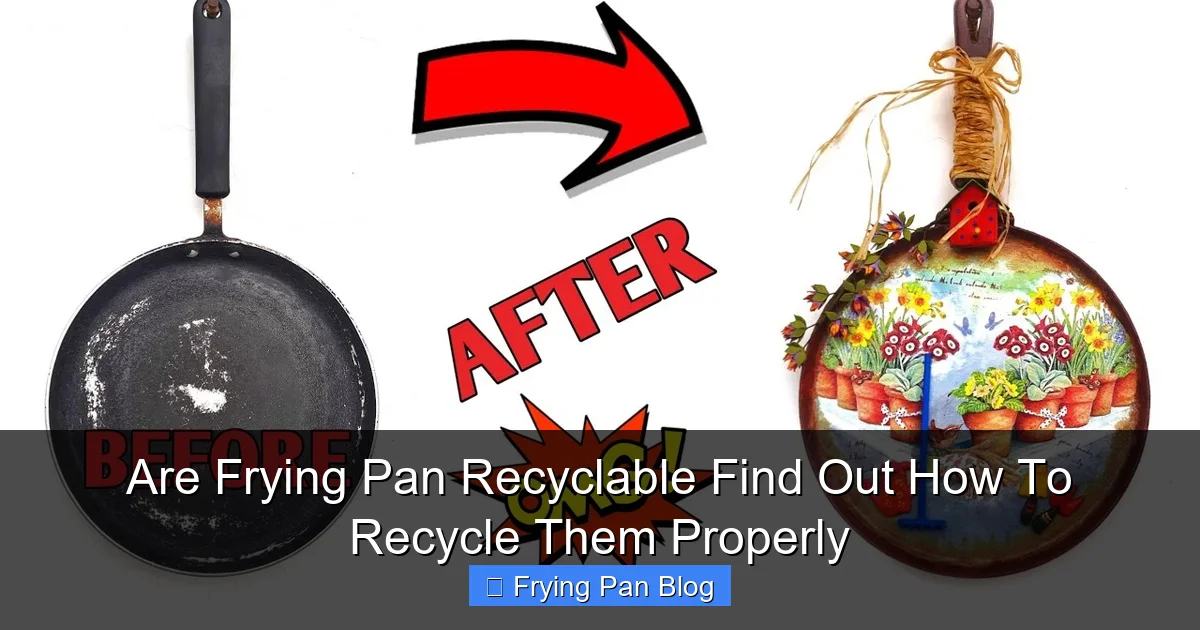
- Garden Planter: Old pans make quirky flower pots or herb gardens.
- Bird Feeder: Hang a frying pan outside and fill it with birdseed.
- Craft Projects: Use parts of the pan for art or DIY projects.
Environmental Benefits of Recycling Frying Pans
Conserving Natural Resources
Recycling metal from frying pans reduces the need for mining new metals, which can be harmful to the environment. Metals like aluminum and steel can be recycled indefinitely without losing quality.
Reducing Landfill Waste
Cookware takes up space in landfills and can release harmful chemicals if coated pans degrade. Recycling helps keep these materials out of the landfill.
Lowering Carbon Footprint
Producing new metal from recycled materials uses less energy than mining and refining virgin ore. This results in fewer greenhouse gas emissions.
Tips to Extend the Life of Your Frying Pan
Proper Care and Maintenance
Take care of your frying pan by avoiding metal utensils that scratch coatings, cleaning gently, and seasoning cast iron pans regularly. This extends their lifespan and reduces waste.
When to Replace Your Frying Pan
Replace pans when they become warped, rusted, or the coating is peeling. Using damaged pans can affect your cooking and health.
Recycle Responsibly
When it’s time to recycle, follow the steps above to ensure your pan is disposed of in an environmentally friendly way.
Conclusion
So, are frying pans recyclable? The answer is yes — but with some important considerations. Most frying pans contain metals that can be recycled, but coatings and handles may complicate the process. By cleaning your pan, removing non-metal parts, and taking it to the right recycling center or scrap yard, you can recycle your frying pan properly and help reduce waste.
Remember to check your local recycling rules and explore reuse or donation options before recycling. Every small step counts toward protecting our planet. Next time you replace or discard a frying pan, think about recycling it — your effort will make a difference!
🎥 Related Video: #aluminum #cans #ubc #pop #soda #scrapyard #recycle #recycling #baler #s5000
📺 On The Yard
Frequently Asked Questions
Are all frying pans recyclable?
Most frying pans are recyclable because they contain metal, but pans with non-stick coatings or mixed materials may require special handling. Always check local recycling rules.
Can I recycle a frying pan with a plastic handle?
Plastic handles usually need to be removed before recycling the metal pan. If the handle cannot be removed, some recycling centers may not accept the pan.
Where can I recycle my old frying pan?
Scrap metal recycling centers often accept frying pans. You can also check with local hazardous waste facilities or special recycling programs.
Is it better to donate or recycle a frying pan?
If the pan is still in usable condition, donating it is a great way to extend its life. Recycling is best for pans that are damaged or unusable.
Do non-stick coatings affect the recycling process?
Yes, non-stick coatings can make recycling more difficult because they may contaminate the metal. Some centers require the coating to be removed or may reject these pans.
Can frying pans be reused for other purposes?
Absolutely! Old frying pans can be repurposed as planters, bird feeders, or craft materials, giving them a new life beyond cooking.
