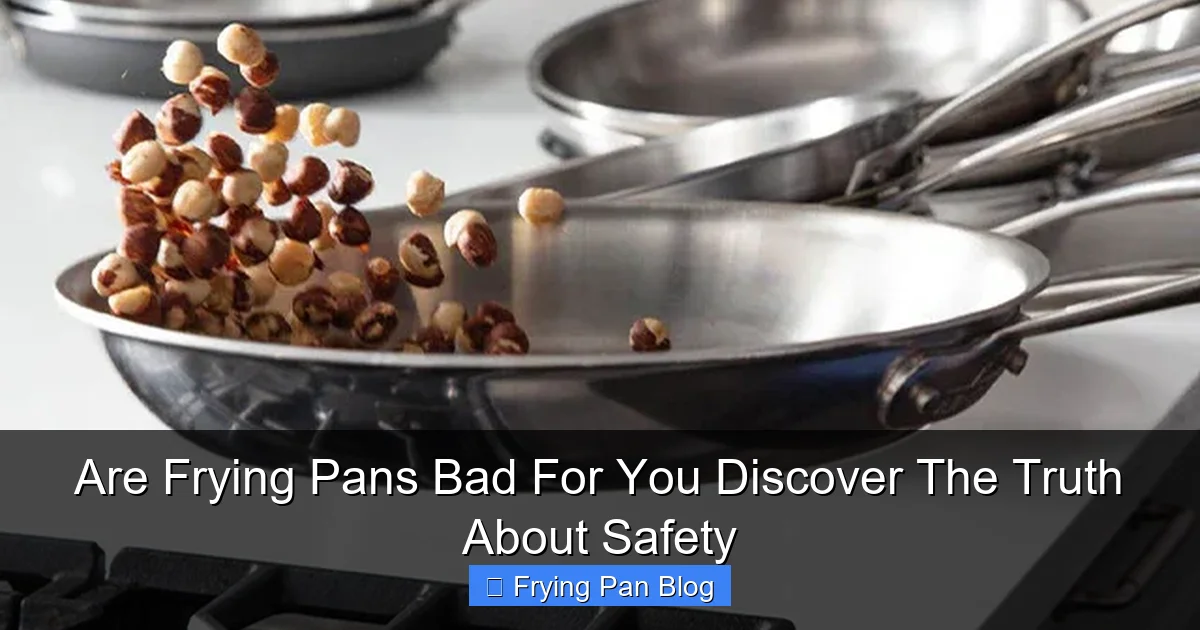
Are Frying Pans Bad For You Discover The Truth About Safety

Are frying pans bad for you? Not all frying pans pose health risks, but some materials and misuse can cause problems. Understanding the types of frying pans and proper use helps you cook safely and enjoy delicious meals without worry.
Key Takeaways
- Material matters: Different frying pans (non-stick, cast iron, stainless steel) have varying health impacts.
- Avoid overheating: High heat can release harmful fumes or damage pans.
- Non-stick safety: Modern non-stick pans are generally safe if used correctly.
- Cast iron benefits: Cast iron pans can add iron to your diet and last for decades.
- Proper care extends life: Maintaining your pans keeps them safe and efficient.
- Cooking habits count: Using the right temperature and oils reduces health risks.
- Replace when needed: Worn or damaged pans can pose health concerns.
📑 Table of Contents
- Introduction: Are Frying Pans Bad For You?
- Understanding Frying Pan Materials and Their Safety
- How Frying Pans Could Be Harmful: Common Concerns
- Cooking Safely With Frying Pans: Practical Tips
- When to Replace Your Frying Pan
- Benefits of Using Frying Pans Properly
- Conclusion: The Truth About Frying Pans and Your Health
Introduction: Are Frying Pans Bad For You?
Frying pans are kitchen staples. From breakfast eggs to dinner stir-fry, they help us create tasty meals every day. But a common question is, are frying pans bad for you? With so many materials and brands out there, it’s easy to worry about chemicals, toxins, and health risks.
This article dives into the truth about frying pan safety. We’ll explore the different types of pans, how to use them safely, and tips to keep your cooking healthy. By the end, you’ll know how to choose and care for frying pans without stress.
Understanding Frying Pan Materials and Their Safety
Non-Stick Pans: The Pros and Cons
Non-stick frying pans are popular because food slides right off, making cooking and cleaning easy. Most use a coating called PTFE (Teflon). The good news is, modern non-stick pans are generally safe if you avoid overheating. When heated above 500°F (260°C), they can release fumes that might cause flu-like symptoms in humans and are toxic to birds.
Visual guide about Are Frying Pans Bad For You Discover The Truth About Safety
Image source: mrenj.com
Tip: Use non-stick pans on low to medium heat and avoid preheating empty pans. This keeps the coating intact and reduces any risk.
Cast Iron: Old-School and Healthy
Cast iron pans have been around forever. They are heavy but durable and can last a lifetime. One health benefit is they naturally add small amounts of iron to your food, which is great if you need more iron in your diet.
Cast iron pans require seasoning — a layer of oil baked into the surface — to create a natural non-stick coating. When cared for properly, they are very safe and chemical-free.
Stainless Steel: Durable and Safe
Stainless steel frying pans are another safe choice. They don’t have coatings that can wear off, and they tolerate high heat well. Stainless steel pans may cause food to stick more, but this can be managed with proper cooking techniques.
Tip: Preheat your pan and add enough oil to prevent sticking.
Other Materials: Ceramic and Anodized Aluminum
Ceramic-coated pans are non-stick without PTFE but can chip over time. Anodized aluminum is durable and non-reactive but can be expensive. Both are generally safe if you avoid damage and overheating.
How Frying Pans Could Be Harmful: Common Concerns
Overheating and Toxic Fumes
One of the biggest dangers with frying pans, especially non-stick, is overheating. When pans get too hot, coatings break down and release fumes. This is rare with everyday cooking but can happen if you leave a pan empty on high heat.
Scratches and Chemical Leaching
Scratched or damaged non-stick pans may release small amounts of chemicals into food. While studies show this exposure is minimal, it’s best to replace pans that have significant wear.
Metal Leaching from Pans
Cookware made from certain metals can leach small amounts of metals like aluminum or nickel into food. For most people, this isn’t harmful, but those with sensitivities should choose stainless steel or cast iron.
Cooking Safely With Frying Pans: Practical Tips
Choose the Right Pan for Your Cooking Style
Think about what you cook most. For delicate eggs, non-stick pans are great. For searing meats at high heat, cast iron or stainless steel works better. Having a mix can cover all bases.
Use Medium Heat Whenever Possible
Cooking on medium heat protects pans and prevents burning food. It also reduces the risk of harmful fumes. Most frying needs don’t require high heat.
Use Suitable Utensils
Use wooden, silicone, or plastic utensils on non-stick pans to avoid scratches. Metal utensils are fine for stainless steel or cast iron.
Regular Cleaning and Maintenance
Clean pans with gentle sponges and avoid abrasive scrubbers on non-stick surfaces. For cast iron, avoid soap and dry immediately to prevent rust.
When to Replace Your Frying Pan
Signs Your Pan Needs Replacing
- Non-stick coating peeling or flaking
- Warped or damaged base causing uneven cooking
- Rust spots on cast iron that can’t be removed
- Persistent sticking despite proper seasoning or oil use
If your pan shows these signs, it’s safer and better for cooking to replace it.
Benefits of Using Frying Pans Properly
Healthier Cooking
Using the right frying pan and technique can reduce the need for excess oil and prevent burning, which creates harmful compounds.
Long-Lasting Cookware Saves Money
Taking care of frying pans means fewer replacements and less waste.
Better Flavor and Texture
Proper pans and heat control improve how food tastes and looks, making meals more enjoyable.
Conclusion: The Truth About Frying Pans and Your Health
So, are frying pans bad for you? The answer is no — not if you choose the right materials and use them correctly. Understanding the differences between non-stick, cast iron, and stainless steel pans helps you make safer choices. Avoid overheating, replace damaged pans, and follow simple care tips to keep your frying pans safe and healthy.
Frying pans are tools to help you create delicious, nutritious meals. When treated with care, they are not only safe but can even add benefits like extra iron. So go ahead, cook with confidence, and enjoy your favorite dishes worry-free!
🎥 Related Video: Are Nonstick Pans Actually Dangerous?!
📺 Dr. Berg Shorts
Are non-stick pans silently harming your health? If you’re using Teflon or other coated cookware, you need to know the hidden …
Frequently Asked Questions
Are non-stick frying pans safe to use?
Yes, modern non-stick pans are safe when used properly. Avoid heating them above medium temperatures and never preheat empty pans to prevent the release of harmful fumes.
Is cast iron better for health than other pans?
Cast iron can add small amounts of iron to your food, which can be beneficial. It’s also free from synthetic coatings, making it a healthy and durable option.
Can stainless steel pans cause metal poisoning?
Stainless steel pans are generally safe and do not leach harmful metals in significant amounts. People with nickel allergies should choose specific grades or alternative cookware.
How can I tell if my frying pan is no longer safe?
If your non-stick coating is peeling or flaking, or your pan is warped or rusted, it’s time to replace it to avoid health risks and ensure good cooking performance.
Do ceramic frying pans have health risks?
Ceramic pans are generally safe and free of PTFE and PFOA. However, they can chip or wear out over time, so inspect regularly and replace if damaged.
What cooking oils are best for frying pans?
Use oils with high smoke points like avocado, canola, or grapeseed oil. This prevents burning and extends the life of your pan’s surface.