
How to Bake Bread in a Frying Pan for Perfect Homemade Loaf

How to Bake Bread in a Frying Pan for Perfect Homemade Loaf teaches you a simple, oven-free way to enjoy fresh bread. Using basic ingredients and your frying pan, you’ll create a soft, flavorful loaf right on your stovetop. This guide breaks down every step with tips for the best results.
Key Takeaways
- Simple Equipment: You only need a frying pan, basic ingredients, and a little patience to bake delicious bread.
- Step-by-Step Process: Mixing, kneading, resting, and cooking are easy to follow for perfect results.
- Temperature Control: Managing heat carefully is key to baking bread evenly in a pan.
- Versatile Recipe: This method works for various bread types, from flatbreads to soft loaves.
- Troubleshooting Tips: Solutions for common issues like undercooked centers or burnt crusts keep your baking on track.
- No Oven Needed: Ideal for those without ovens or with limited kitchen space.
- Fresh Bread Anytime: This quick method lets you enjoy homemade bread any time of day.
How to Bake Bread in a Frying Pan for Perfect Homemade Loaf
Baking bread doesn’t always require an oven. If you don’t have access to one or just want a quick, easy way to make homemade bread, baking it in a frying pan is an excellent option. In this guide, you’ll learn how to bake bread in a frying pan step-by-step to create a soft, flavorful loaf with a golden crust right on your stovetop.
We’ll cover everything from the ingredients you need, how to mix and knead the dough, to cooking techniques that ensure your bread bakes evenly. Plus, you’ll find practical tips and troubleshooting advice to avoid common pitfalls. Let’s get started!
Step 1: Gather Your Ingredients and Tools
Before you begin, make sure you have the following simple ingredients and tools ready.
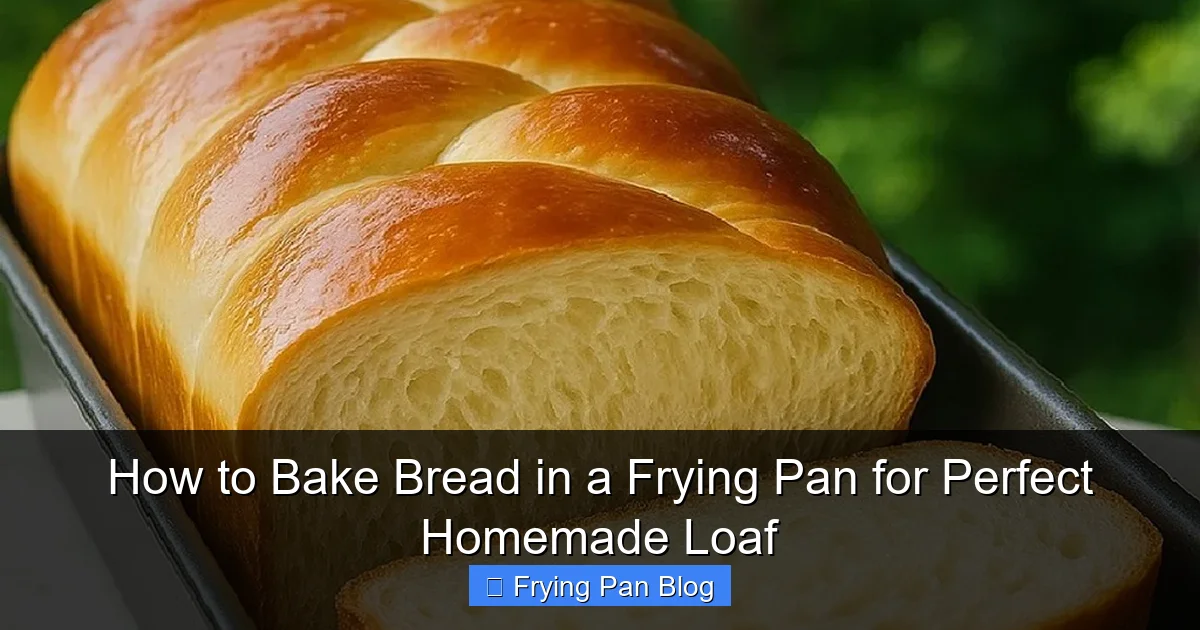
Visual guide about How to Bake Bread in a Frying Pan for Perfect Homemade Loaf
Image source: recipescrock.com
Ingredients
- 2 cups (250g) all-purpose flour or bread flour
- 1 teaspoon sugar (optional, helps yeast activate)
- 1 teaspoon salt
- 1 teaspoon active dry yeast or instant yeast
- ¾ cup warm water (about 110°F / 43°C)
- 1 tablespoon olive oil or vegetable oil
Tools
- Non-stick frying pan with lid (about 9-10 inches diameter)
- Mixing bowl
- Wooden spoon or spatula
- Measuring cups and spoons
- Clean kitchen towel
- Rolling pin or your hands for shaping
Pro tip: Use a non-stick pan with a tight-fitting lid to trap heat and moisture for better baking results.
Step 2: Prepare the Dough
Activate the Yeast
Pour the warm water into the mixing bowl. Add the sugar and yeast. Stir gently and let it rest for 5-10 minutes until the mixture becomes foamy. This means the yeast is active and ready.
Mix Ingredients
Add the flour and salt to the bowl with the yeast mixture. Pour in the oil. Use a wooden spoon or your hands to mix everything until a rough dough forms.
Knead the Dough
Turn the dough onto a lightly floured surface. Knead it for about 8-10 minutes until it becomes smooth and elastic. If the dough is sticky, sprinkle a little more flour as you knead.
Tip: Proper kneading helps develop gluten, which gives bread its texture.
Step 3: Let the Dough Rise
First Rise
Shape the dough into a ball and place it back into a clean bowl. Cover the bowl with a damp kitchen towel or plastic wrap. Let it rise in a warm, draft-free place for about 1 to 1.5 hours, or until it doubles in size.
Warm spot ideas: near a sunny window, on top of a warm stove (turned off), or inside an oven with just the light on.
Step 4: Shape the Dough for the Frying Pan
Deflate and Shape
Once the dough has doubled, punch it down gently to release the air. Transfer it to a floured surface again.
Form the Loaf
Shape the dough into a flat round or oval shape that fits your frying pan. Aim for about ½ to 1 inch thickness to ensure it cooks evenly.
Tip: If you want a thinner flatbread, roll it out more. For a thicker loaf, keep it a bit thicker but watch cooking times.
Step 5: Preheat the Frying Pan
Place your frying pan on medium-low heat. Let it warm for 2-3 minutes. You want the pan hot enough to brown the bread but not so hot that it burns before the inside cooks.
Tip: Test heat by sprinkling a few drops of water in the pan; they should sizzle gently.
Step 6: Cook the Bread in the Frying Pan
Place the Dough in the Pan
Lightly grease the pan with a bit of oil or butter to prevent sticking if your pan is not non-stick. Place the shaped dough into the pan.
Cover and Cook
Cover the pan with the lid. Reduce heat to low and cook for 8-10 minutes. The lid traps steam and heat to help the bread cook thoroughly.
Flip the Bread
After 8-10 minutes, carefully flip the bread using a spatula. Cover again and cook the other side for another 6-8 minutes until golden brown and cooked inside.
Tip: If you tap the bread, it should sound hollow — a sign it’s cooked.
Step 7: Cool and Serve
Remove the bread from the pan and place it on a wire rack or plate to cool slightly. Let it rest for 10-15 minutes before slicing. This helps the bread finish cooking inside and improves texture.
Serve your homemade frying pan bread warm with butter, jam, or your favorite toppings.
Practical Tips for Perfect Frying Pan Bread
- Use Fresh Yeast: Old yeast may not rise well. Always check the expiration date.
- Control Heat: Too high heat burns the crust before the inside cooks. Too low heat results in dense bread.
- Don’t Skip the Lid: Covering traps steam, which helps the bread rise and cook evenly.
- Adjust Thickness: Thicker dough takes longer to cook, so lower the heat and increase cooking time if needed.
- Add Flavor: Mix herbs, garlic, or seeds into the dough for extra taste.
Troubleshooting Common Issues
Bread Is Doughy or Undercooked Inside
Try lowering the heat and cooking longer with the lid on. Make sure the dough is not too thick. You can also press the bread gently to check firmness before flipping.
Bread Burns on the Outside but Raw Inside
Reduce the heat to low or medium-low. Use a heavier pan to distribute heat evenly. Avoid high flames.
Bread Doesn’t Rise Well
Check if your yeast is active by proofing it in warm water with sugar. Ensure your water is not too hot or cold. Let the dough rise in a warm place.
Bread Sticks to the Pan
Use a non-stick pan or grease the pan lightly before cooking. You can also dust the dough lightly with flour before placing it in the pan.
Conclusion
Baking bread in a frying pan is a fun, simple way to enjoy fresh homemade bread without an oven. With just a few ingredients and your stovetop, you can create a soft, golden loaf perfect for sandwiches, toast, or as a side to any meal.
Follow this easy guide, control your heat carefully, and don’t be afraid to experiment with flavors. Soon, you’ll have fresh bread anytime you want, right from your frying pan!
🎥 Related Video: Bread made in a PAN (NO OVEN needed)
📺 Patrick Zeinali
shorts #bread #easyrecipe #breadmaking #fluffy #soft #delicious.