
Are Frying Pans Oven Safe Learn How to Choose the Right One

Wondering if your frying pan is oven safe? This guide breaks down how to tell which frying pans can go from stovetop to oven safely. Learn about materials, handle types, and temperature limits so you can make the best choice for your kitchen.
Key Takeaways
- Oven-safe frying pans: Usually made from materials like stainless steel, cast iron, or oven-safe nonstick coatings.
- Handle matters: Metal handles can withstand oven heat; plastic or rubber handles often cannot.
- Check temperature limits: Each pan has a maximum oven-safe temperature, typically listed by the manufacturer.
- Nonstick coatings: Some are oven safe but have lower temperature limits—important to verify.
- Using the right pan: Helps avoid warping, melting, or toxic fumes.
- Multi-use pans: Oven-safe frying pans offer versatility for recipes requiring searing then baking.
- Maintenance tips: Proper care extends the lifespan of your oven-safe frying pans.
📑 Table of Contents
- Are Frying Pans Oven Safe? Learn How to Choose the Right One
- What Makes a Frying Pan Oven Safe?
- How to Identify if Your Frying Pan is Oven Safe
- Practical Tips for Using Frying Pans in the Oven
- Popular Oven-Safe Frying Pan Options
- Common Mistakes to Avoid
- How to Care for Oven-Safe Frying Pans
- Conclusion
Are Frying Pans Oven Safe? Learn How to Choose the Right One
Have you ever started a recipe on the stove and then needed to finish it in the oven? It’s a common cooking technique, but not all frying pans can handle the heat of the oven. So, are frying pans oven safe? The answer depends on several factors, including the material of the pan, the type of handle, and the temperature you plan to use.
Understanding which frying pans are oven safe can save you from ruined cookware and messy accidents. Plus, it expands your cooking options, letting you sear, bake, and broil in one pan. In this article, we’ll walk through everything you need to know to confidently choose an oven-safe frying pan that fits your kitchen and cooking style.
What Makes a Frying Pan Oven Safe?
Material Matters
The first thing to look at is what your frying pan is made of. Some materials handle oven heat much better than others. Here are the common ones:
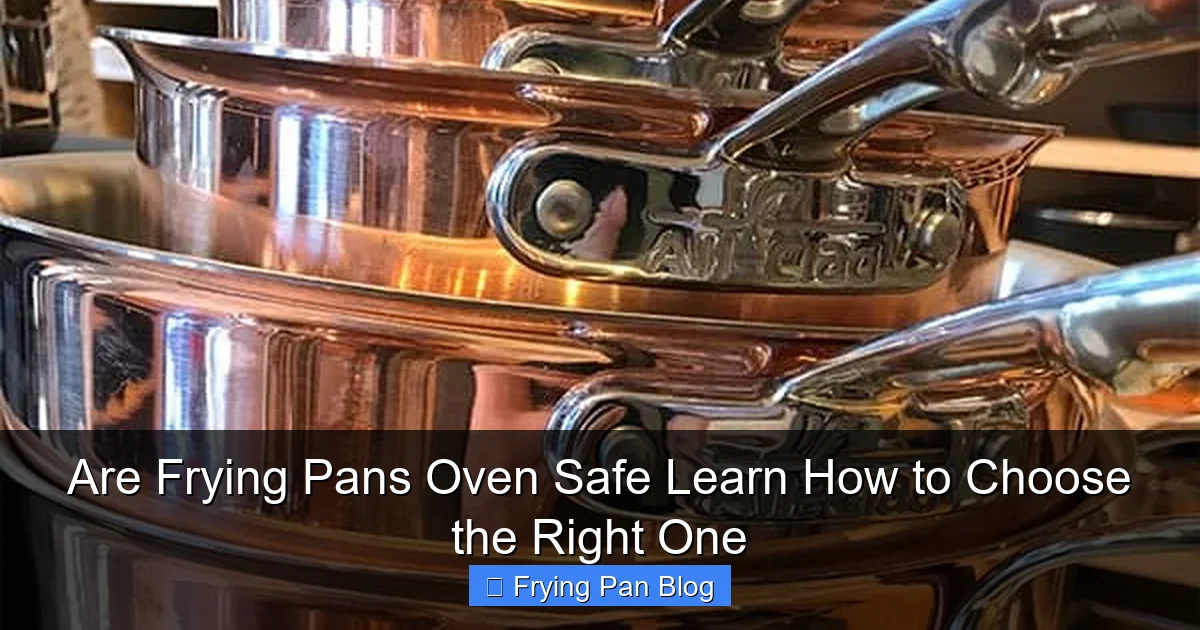
Visual guide about Are Frying Pans Oven Safe Learn How to Choose the Right One
Image source: prudentreviews.com
- Cast Iron: Probably the most oven-friendly option. Cast iron can easily withstand very high temperatures—often up to 500°F or more—with no damage.
- Stainless Steel: Another excellent choice for oven use. Stainless steel pans are durable and usually oven safe up to 500°F, depending on the construction.
- Aluminum: Lightweight and heats quickly, but pure aluminum pans may warp under high oven heat unless they have a reinforced base or are anodized.
- Nonstick Coatings: These vary. Some nonstick pans are oven safe, but usually only up to 350-400°F. Higher heat can damage the coating and release harmful fumes.
Handle Types and Their Oven Safety
Even if the pan itself is oven safe, the handle can be a weak point. Here’s what to watch for:
- Metal Handles: Stainless steel or cast iron handles are typically oven safe and can handle the same temperatures as the pan.
- Plastic or Rubber Handles: These usually cannot go in the oven. They might melt or release toxins if exposed to high heat.
- Silicone Handles: Some are designed to be oven safe up to a certain temperature (often around 400°F). Always check manufacturer guidelines.
How to Identify if Your Frying Pan is Oven Safe
Look for Manufacturer Labels
Most oven-safe pans will have clear labeling on the bottom or packaging. Look for terms like “oven safe,” “oven proof,” or a temperature rating.
Check the User Manual or Brand Website
If you don’t see any markings on the pan, check the user manual or the manufacturer’s website. They often provide detailed information about oven safety and temperature limits.
Perform a Handle Test (With Caution)
If you’re unsure and no information is available, you can perform a careful test by placing the pan in a low-temperature oven (around 200°F) for a short time. If the handle remains intact and doesn’t get damaged, it might be safe for oven use at moderate temperatures. However, this method carries some risk and is not always reliable.
Practical Tips for Using Frying Pans in the Oven
Preheat the Oven with the Pan Inside
To avoid thermal shock, which can warp or crack pans, preheat your oven with the pan already inside. Sudden temperature changes are tough on cookware.
Avoid High Temperatures on Nonstick Pans
If your frying pan has a nonstick coating, try to keep the oven temperature below 400°F. High heat can break down the coating faster and reduce its lifespan.
Use Oven Mitts and Heat-Resistant Tools
Even if your pan is oven safe, it will get hot. Always use oven mitts to handle the pan and avoid plastic utensils that could melt.
Popular Oven-Safe Frying Pan Options
Cast Iron Skillets
Cast iron is a favorite for its durability and versatility. You can go from stovetop searing to oven roasting without worry. Plus, cast iron gets better with use as it develops a natural nonstick surface.
All-Metal Stainless Steel Pans
Stainless steel pans with metal handles are perfect for oven use. They clean up easily and tolerate high heat, making them great for recipes that require both stovetop and oven cooking.
Ceramic-Coated Pans
Ceramic coatings can be oven safe, but the temperature limits vary widely. Always check the manufacturer’s instructions. These pans offer an eco-friendly alternative to traditional nonstick coatings.
Common Mistakes to Avoid
Putting Plastic-Handled Pans in the Oven
One of the most common mistakes is assuming any pan can go in the oven. Plastic or wooden handles will melt or catch fire. Always double-check before placing your pan in the oven.
Ignoring Temperature Limits
Even oven-safe pans have maximum heat ratings. Exceeding those limits can warp your pan or damage coatings. Follow the guidelines closely.
Using Nonstick Pans for Broiling
Broiling involves very high heat, which is usually too intense for nonstick coatings. Use cast iron or stainless steel pans for broiling instead.
How to Care for Oven-Safe Frying Pans
Cleaning Tips
Hand wash your pans when possible to preserve coatings and finishes. Avoid harsh detergents or abrasive scrubbers.
Seasoning Cast Iron
Keep your cast iron skillet well-seasoned by regularly oiling it. This maintains its nonstick surface and prevents rust.
Storage Advice
Store frying pans properly to avoid scratches and damage. Hanging pans or stacking with protective layers helps maintain their condition.
Conclusion
So, are frying pans oven safe? It depends on what you’re using. Cast iron and stainless steel pans with metal handles are typically safe and versatile for oven use. Nonstick and ceramic pans can be oven safe but often have stricter temperature limits.
Always check your pan’s material, handle type, and manufacturer’s instructions before putting it in the oven. Choosing the right frying pan not only expands your cooking options but also protects your investment in kitchen tools. With the right pan, you can easily go from stovetop to oven and create delicious meals with confidence.
Next time you’re cooking, take a moment to verify your pan’s oven safety. It’s a small step that makes a big difference in your cooking experience!
🎥 Related Video: Best & Worst Cookware Materials 🔥 | Safe vs Toxic Cookware Explained!
📺 AYURVEDA SUTRA
Discover the best and worst cookware materials for healthy cooking! Learn which pans and pots are safe, durable, and …
Frequently Asked Questions
Are all frying pans oven safe?
No, not all frying pans are oven safe. It depends on the pan’s material and handle. Cast iron and stainless steel pans are usually safe, while plastic handles and some nonstick coatings are not.
How can I tell if my frying pan is oven safe?
Check for any oven-safe labels on the pan or packaging. You can also consult the manufacturer’s instructions or website for specific temperature limits and safety information.
What is the maximum temperature for oven-safe frying pans?
Most oven-safe frying pans can handle temperatures between 350°F and 500°F. However, pans with nonstick coatings usually have lower limits, often around 400°F.
Can I put a nonstick frying pan in the oven?
Some nonstick frying pans are oven safe but only up to certain temperatures. Always confirm the manufacturer’s guidelines to avoid damaging the coating or releasing harmful fumes.
Are cast iron frying pans safe to use in the oven?
Yes, cast iron frying pans are very oven safe and can withstand high temperatures without damage. They are perfect for recipes that require searing on the stove and finishing in the oven.
What should I do if my pan’s handle is plastic?
Plastic handles are generally not oven safe. Avoid putting those pans in the oven or look for pans with metal or silicone handles rated for oven use.