
Are Teflon Frying Pans Bad for You

Are Teflon frying pans bad for you? Many wonder about their safety due to the chemicals involved. When used correctly, Teflon pans are generally safe and convenient for everyday cooking. This article explores what you need to know to keep your kitchen safe and healthy.
Key Takeaways
- Teflon coating is mostly safe: Proper use prevents health risks from the non-stick layer.
- Overheating is a concern: High heat can release harmful fumes from Teflon pans.
- Avoid scratching: Damaged coatings may degrade and affect safety.
- Use low to medium heat: This helps maintain the pan’s integrity and your health.
- Choose quality brands: Some pans have safer, more durable coatings.
- Alternatives exist: Consider ceramic or stainless-steel if worried about Teflon.
- Follow care instructions: Proper cleaning and use extend the pan’s life and safety.
📑 Table of Contents
Introduction
If you love cooking at home, chances are you’ve used a Teflon frying pan at some point. These pans are popular because they prevent food from sticking, making cooking and cleanup easier. But you might have heard concerns about whether Teflon pans are bad for you or if they can release harmful substances during cooking.
This article will clear up the confusion. We’ll look at what Teflon is, how it works, and the truth behind the safety worries. You’ll also get practical tips on how to use Teflon pans safely and what alternatives you might consider if you want to avoid them altogether.
What Is Teflon and How Does It Work?
The Science Behind Teflon
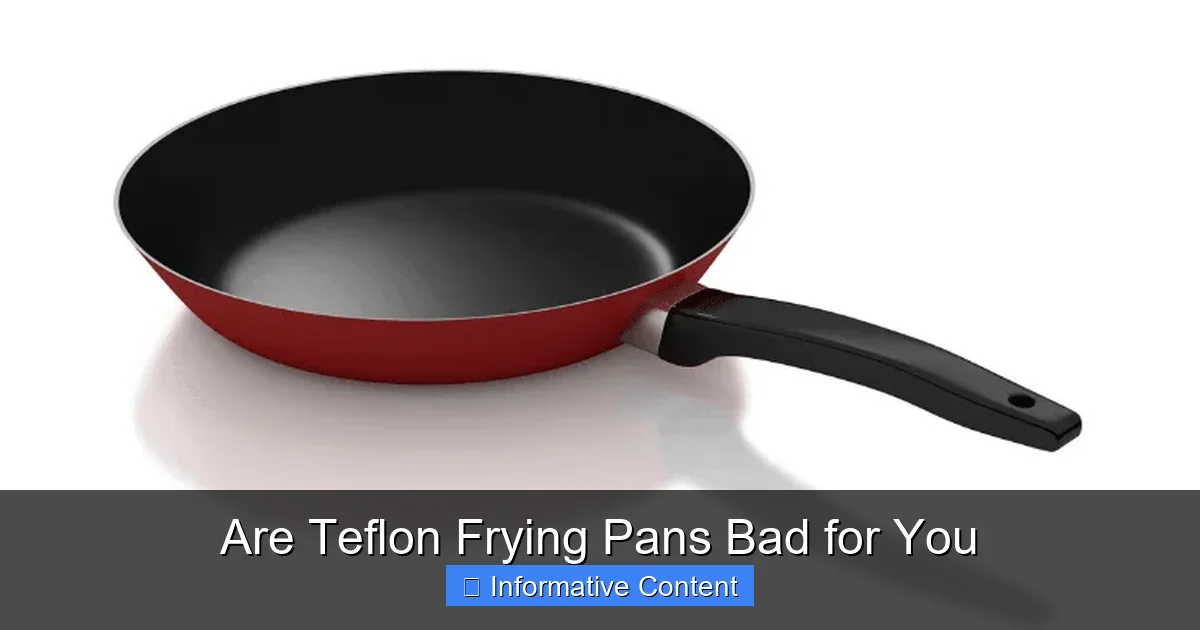
Teflon is a brand name for a chemical called polytetrafluoroethylene (PTFE). It’s a synthetic material used to coat cookware because it creates a smooth, non-stick surface. This means food slides right off, and you don’t need much oil or butter to cook.
Visual guide about Are Teflon Frying Pans Bad for You
Image source: worldofpans.com
Why Is Teflon Popular?
Non-stick pans save time and reduce the calories in your meals since you use less fat. They’re great for cooking eggs, pancakes, and delicate fish. Plus, cleaning them is usually quick and painless.
Are Teflon Frying Pans Bad for You? The Safety Facts
Concerns About Toxic Chemicals
The main worry about Teflon cookware comes from its chemical makeup. When Teflon is heated above 500°F (260°C), it can start to break down and release fumes. These fumes might cause flu-like symptoms in humans, often called “polymer fume fever.” Pets like birds are especially sensitive to these fumes.
Visual guide about Are Teflon Frying Pans Bad for You
Image source: i.pinimg.com
Is Occasional Use Dangerous?
For everyday cooking at normal temperatures (below 500°F), Teflon pans are generally safe. Most home cooking rarely reaches the temperature that causes breakdown. The key is to avoid overheating the pans, such as heating an empty pan on high heat or broiling with Teflon.
What About Scratched or Damaged Coatings?
If your Teflon pan is scratched or the coating flakes off, it’s best to replace it. Scratches can lead to the coating wearing down faster and may allow small particles to mix with your food. While these particles are considered non-toxic, the pan’s non-stick quality will diminish.
How to Use Teflon Frying Pans Safely
Use Low to Medium Heat
To keep your Teflon pan safe, cook on low or medium heat. This prevents the coating from overheating and releasing fumes. For example, frying eggs or vegetables can be done perfectly at medium heat, preserving the pan and your health.
Don’t Preheat Empty Pans
Avoid heating the pan when it’s empty. An empty Teflon pan can heat up too fast and reach unsafe temperatures. Always add oil, butter, or food before turning on the heat.
Use Proper Utensils
Metal utensils can scratch the Teflon surface. Use wooden, silicone, or plastic utensils to protect the coating. This keeps the pan non-stick and safe for longer.
Clean Carefully
Hand washing with a soft sponge and mild soap is best. Avoid abrasive scrubbers that can damage the coating. Most Teflon pans aren’t dishwasher safe, so check your pan’s instructions.
Alternatives to Teflon Pans
Ceramic Cookware
Ceramic pans offer a non-stick surface without PTFE. They’re free from toxic chemicals and can handle higher heat but may lose their non-stick quality over time.
Stainless Steel Pans
While not non-stick, stainless steel pans are durable and safe at any temperature. They require more oil and attention but are great for searing and browning.
Cast Iron and Enameled Cast Iron
These pans are long-lasting and develop a natural non-stick surface when seasoned properly. They’re excellent for high-heat cooking and don’t contain synthetic coatings.
How to Choose a Safe Teflon Pan
Look for PFOA-Free Labels
PFOA (perfluorooctanoic acid) was once used in Teflon production but has been mostly phased out due to health concerns. Modern Teflon pans are usually PFOA-free, making them safer.
Consider Brand Reputation
Choose pans from reputable manufacturers who follow safety standards. Reading reviews and checking certifications can help you pick a quality product.
Check Warranty and Care Instructions
A good warranty shows confidence in the product’s durability. Following care instructions also ensures your pan stays safe and effective.
Conclusion
So, are Teflon frying pans bad for you? The short answer is no—when used properly, Teflon pans are safe and convenient. The biggest risks come from overheating or damaging the coating. By cooking on low to medium heat, avoiding empty pan heating, and using proper utensils, you can enjoy the benefits of non-stick cookware without worry.
If you’re still concerned, there are plenty of alternatives like ceramic, stainless steel, and cast iron that might suit your cooking style. Whatever you choose, understanding how to care for your pans and cook safely is the key to happy, healthy meals.
🎥 Related Video: Are Nonstick Pans Actually Dangerous?!
📺 Dr. Berg Shorts
Are non-stick pans silently harming your health? If you’re using Teflon or other coated cookware, you need to know the hidden …
Frequently Asked Questions
Are Teflon pans safe for everyday cooking?
Yes, Teflon pans are safe for everyday use when cooked at low to medium heat and not overheated. Proper use prevents harmful fumes from being released.
What happens if I overheat a Teflon pan?
Overheating above 500°F can break down the Teflon coating and release fumes that may cause flu-like symptoms in humans and can be harmful to pets.
Can scratched Teflon pans harm me?
Scratched coatings may reduce non-stick performance, and while small flakes are generally considered non-toxic, it’s best to replace damaged pans to avoid ingesting particles.
How do I clean Teflon pans properly?
Hand wash with a soft sponge and mild detergent. Avoid abrasive scrubbers or harsh chemicals that can damage the coating.
Are there safer alternatives to Teflon pans?
Yes, ceramic, stainless steel, and cast iron pans are popular alternatives without synthetic coatings and offer different cooking benefits.
Is PFOA still used in Teflon pans?
Most modern Teflon pans are PFOA-free, as this chemical has been phased out due to health concerns. Always check product labels to confirm.