Are Non Stick Frying Pans Safe

Non stick frying pans are generally safe when used correctly, offering convenience and easy cooking. However, understanding their materials and proper care is key to avoiding potential health risks and prolonging their lifespan. With simple tips, you can enjoy safe and hassle-free cooking with non stick pans.
Key Takeaways
- Non stick pans are safe when used at recommended temperatures: Avoid overheating to prevent harmful fumes.
- PTFE coatings are stable under normal cooking conditions: They only break down at very high heat.
- PFOA, once used in coatings, is mostly eliminated from modern pans: Newer pans are free from this harmful chemical.
- Proper use and maintenance extend pan life and safety: Use wooden utensils and avoid metal scrubbing.
- Alternative coatings like ceramic offer safer options: Though they may wear faster, they don’t release toxic fumes.
- Non stick pans improve cooking convenience: Less oil, easy cleaning, and great for delicate foods.
- Choosing a quality brand ensures better safety and durability: Research and invest wisely for peace of mind.
📑 Table of Contents
Are Non Stick Frying Pans Safe?
Non stick frying pans have become a staple in kitchens worldwide. Their ability to cook food evenly without sticking and the easy cleanup make them incredibly popular. But lately, many people wonder: Are non stick frying pans safe? With concerns about chemicals and health risks, it’s natural to ask if these convenient cookware items might be harmful.
In this article, we’ll explore what makes non stick frying pans tick, the materials used, the safety concerns, and how to use them safely. Whether you’re a cooking enthusiast or a casual home chef, this guide will help you understand and enjoy your non stick pans without worry.
What Are Non Stick Frying Pans Made Of?
PTFE Coatings – The Classic Non Stick Surface
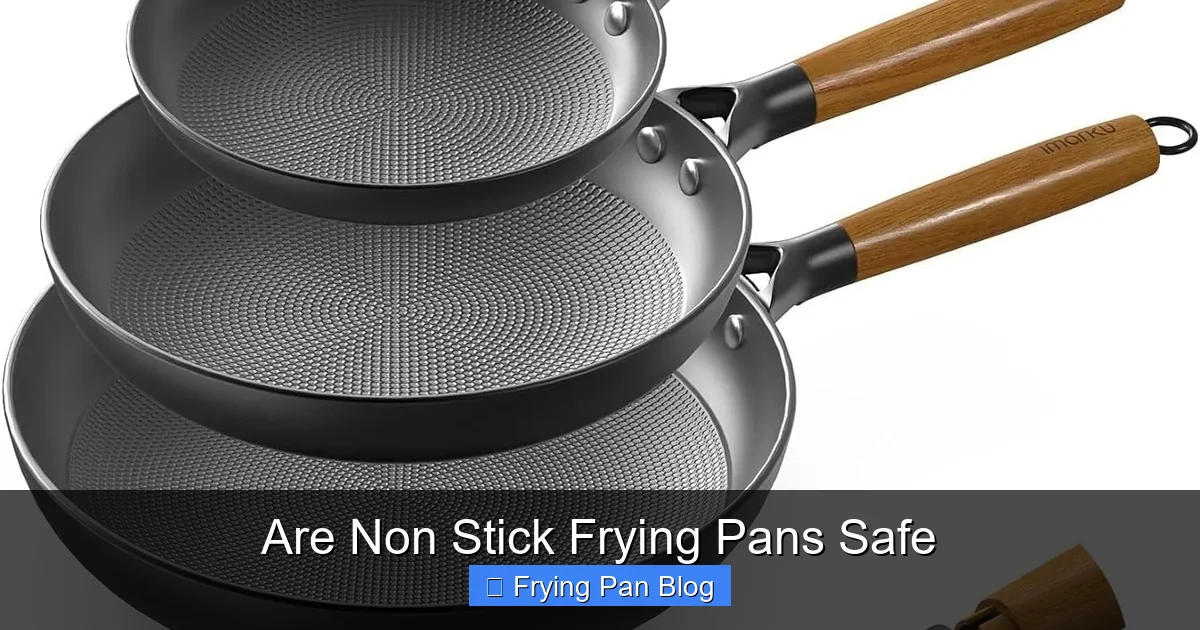
Most traditional non stick pans feature a coating made from polytetrafluoroethylene (PTFE). You might recognize PTFE by the brand name Teflon. This material creates a super smooth surface that prevents food from sticking, allowing you to cook with less oil.
Visual guide about Are Non Stick Frying Pans Safe
Image source: pansreviews.com
The Issue of PFOA
In the past, a chemical called perfluorooctanoic acid (PFOA) was used in the manufacturing of PTFE coatings. PFOA raised health concerns because of its persistence in the environment and potential links to health problems. However, since 2013, major manufacturers have eliminated PFOA from non stick pans, making modern pans much safer.
Ceramic and Other Alternatives
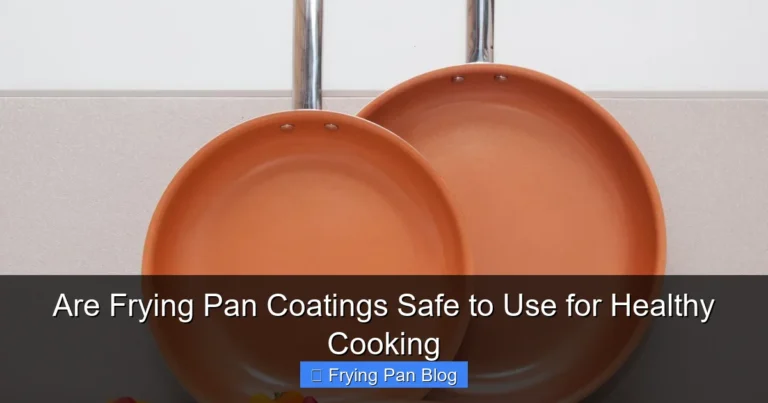
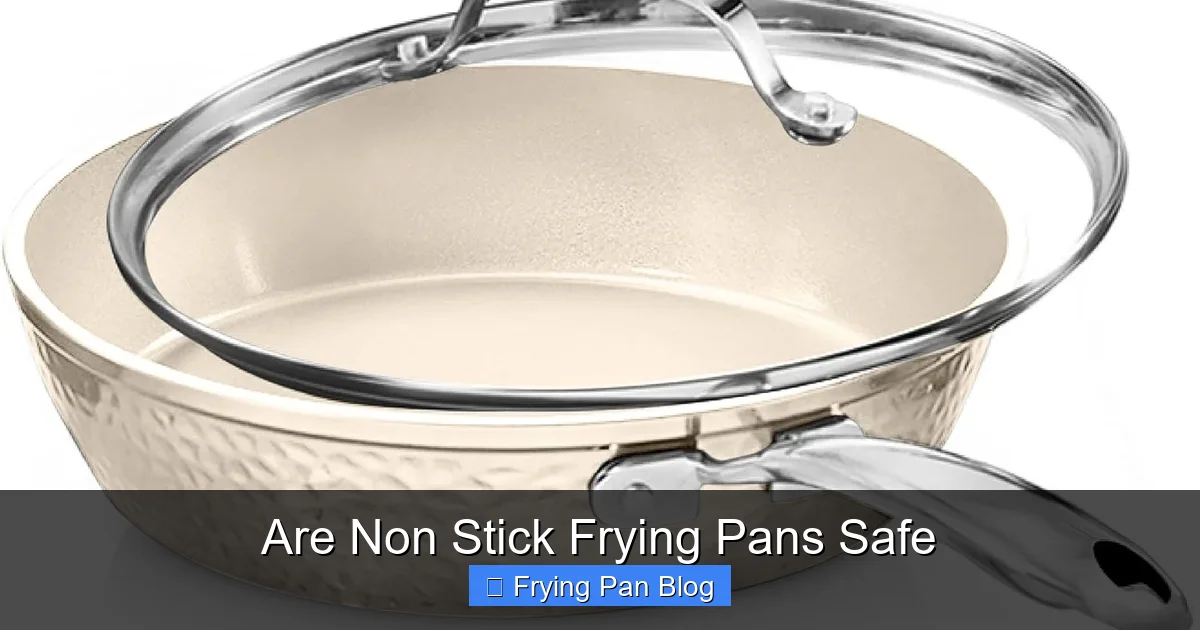
Newer non stick pans may use ceramic coatings or other materials. These options are often marketed as more natural and free from synthetic chemicals. Ceramic coatings can be very effective but might wear out faster and require more gentle use.
Are There Health Risks Associated With Non Stick Pans?
Overheating and Toxic Fumes
One main concern is that heating non stick pans above certain temperatures (usually around 500°F or 260°C) can cause the coatings to break down and release fumes. These fumes can cause flu-like symptoms in humans, known as “polymer fume fever.”
Visual guide about Are Non Stick Frying Pans Safe
Image source: m.media-amazon.com
However, typical home cooking rarely reaches these extreme temperatures. Frying, sautéing, and simmering usually stay well below the danger zone.
Chemical Exposure and Safety
Because modern pans no longer contain PFOA, the risk of chemical exposure is very low. The PTFE coating itself is inert at normal cooking temperatures, so it doesn’t leach into food. As long as your pan is intact, scratched or peeling coatings may pose some risk and should be replaced.
Environmental Considerations
While personal health risks are minimal, environmental concerns about manufacturing and disposal of non stick pans remain. Choosing durable pans and recycling properly can reduce impact.
How to Use Non Stick Frying Pans Safely
Don’t Overheat Your Pan
Always cook on low to medium heat. Avoid preheating an empty pan for long periods, which can cause overheating. Use an infrared thermometer if you want to be precise about surface temperatures.
Use Appropriate Utensils
To keep the coating intact, avoid metal spatulas or forks. Use wooden, silicone, or plastic utensils instead to prevent scratches.
Proper Cleaning and Maintenance
Hand wash your non stick pan with mild detergent and a soft sponge. Avoid abrasive scrubbers and dishwasher detergents, which can damage the coating over time.
Replace When Necessary
If you notice flaking, peeling, or significant scratches, it’s time to replace your pan. Using a damaged non stick pan can increase the risk of coating particles in your food.
Comparing Non Stick Pans With Other Cookware
Non Stick vs. Stainless Steel
Stainless steel pans are durable and great for searing but require more oil and can be harder to clean. Non stick pans excel in cooking delicate foods like eggs and fish with less fat.
Non Stick vs. Cast Iron
Cast iron pans last a lifetime and can be seasoned for natural non stick properties. They handle high heat better but are heavier and require more maintenance. Non stick pans are lighter and more convenient for everyday use.
Choosing the Right Non Stick Pan for You
Look for PFOA-Free Labels
Always check product descriptions to ensure your pan is PFOA-free. Most reputable brands now offer safe, certified products.
Consider Ceramic Coatings
If you prefer chemical-free options, ceramic non stick pans are a solid choice. Just keep in mind they may require more gentle care.
Invest in Quality
Well-made pans from trusted brands tend to have better coatings that last longer and are safer. Avoid very cheap pans that may use inferior materials.
Conclusion: Are Non Stick Frying Pans Safe?
So, are non stick frying pans safe? The answer is yes—when you use them properly and choose quality products. Modern non stick pans without PFOA are designed to be safe for everyday cooking. By avoiding high heat, using the right utensils, and maintaining your pans well, you can enjoy the convenience of non stick cooking without worry.
Remember, no cookware is perfect for every task. Having a mix of pans — non stick, stainless steel, and cast iron — can give you the best results depending on what you’re cooking. But for quick, easy, and low-fat cooking, non stick frying pans are a safe and practical choice for most home kitchens.
🎥 Related Video: How Often Should You Replace Nonstick Pans? | ATK Reviews
📺 America’s Test Kitchen
Nonstick pans don’t last forever. We show you how to know when it’s time for a new one. Buy our winning nonstick: …
Frequently Asked Questions
Are non stick frying pans safe for daily use?
Yes, non stick frying pans are safe for daily use as long as you avoid overheating them and use proper utensils. Following care instructions helps maintain safety and performance.
What temperature is too hot for non stick pans?
Generally, temperatures above 500°F (260°C) can cause the coating to break down and release fumes. Most home cooking stays below this temperature, making normal use safe.
Can scratched non stick pans be harmful?
Scratched or peeling pans may release coating particles into food, which isn’t ideal. It’s best to replace damaged pans to avoid any potential risks.
Are ceramic non stick pans safer than traditional ones?
Ceramic pans are often considered safer because they don’t contain PTFE or PFOA. However, they may wear out faster and require gentle care.
Do non stick pans contain harmful chemicals like PFOA?
Most modern non stick pans are PFOA-free, as manufacturers phased it out starting in 2013. Always check labels to confirm.
How can I extend the life of my non stick frying pan?
Use low to medium heat, avoid metal utensils, hand wash gently, and store pans carefully. Proper care keeps the coating intact and prolongs the pan’s lifespan.